Li Guanghui, Suo Daqin, Ma Yuanzhen, Zeng Tingting, Zhan Jiarong, Yuan Yunfei, Guan Xin-Yuan, Li Yan
State Key Laboratory of Oncology in South China, Sun Yat-Sen University Cancer Center, Guangzhou, 510060, China.
Department of Liver Surgery, Sun Yat-Sen University Cancer Center, Guangzhou, China.
Cell Death Discov. 2024 Dec 18;10(1):506. doi: 10.1038/s41420-024-02274-y.
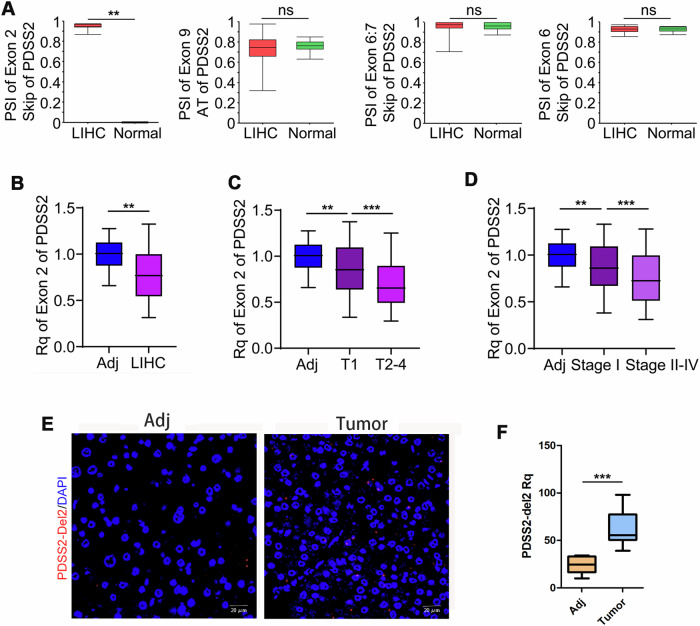
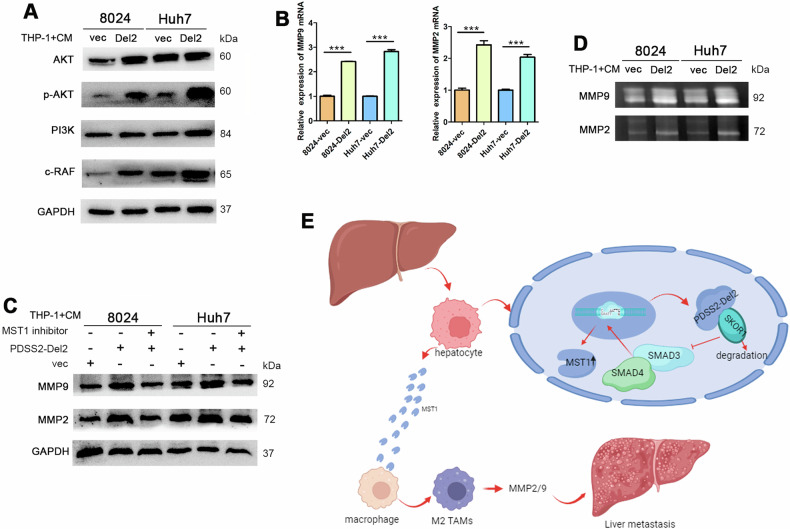
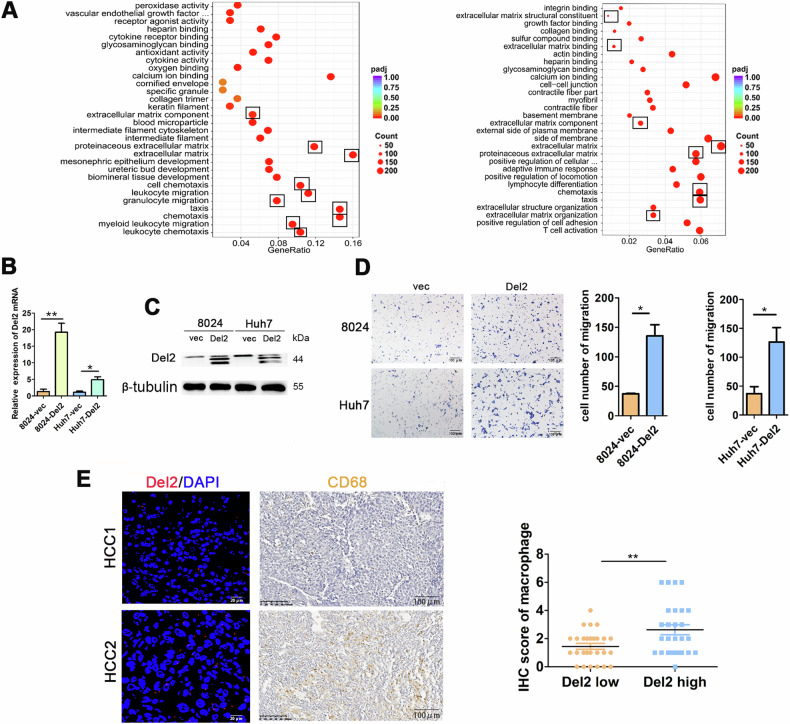
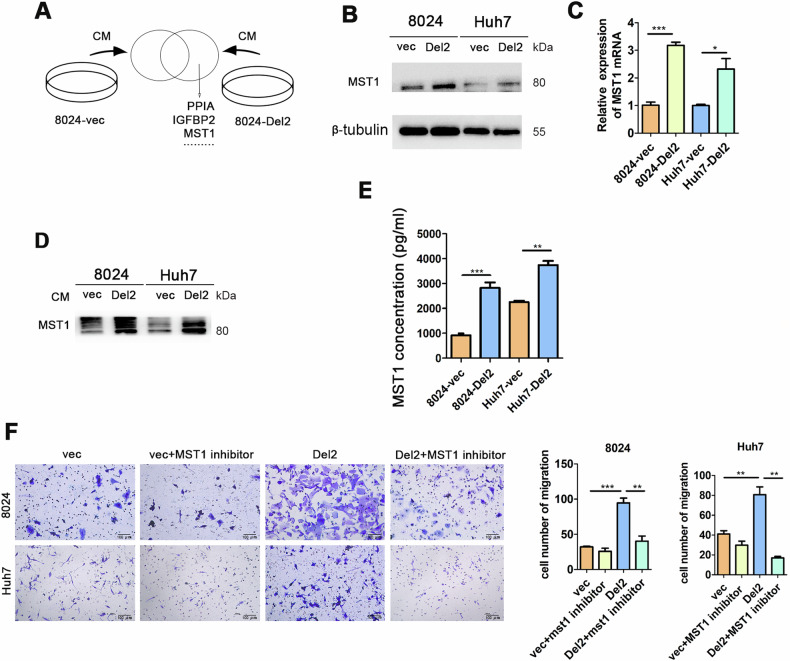
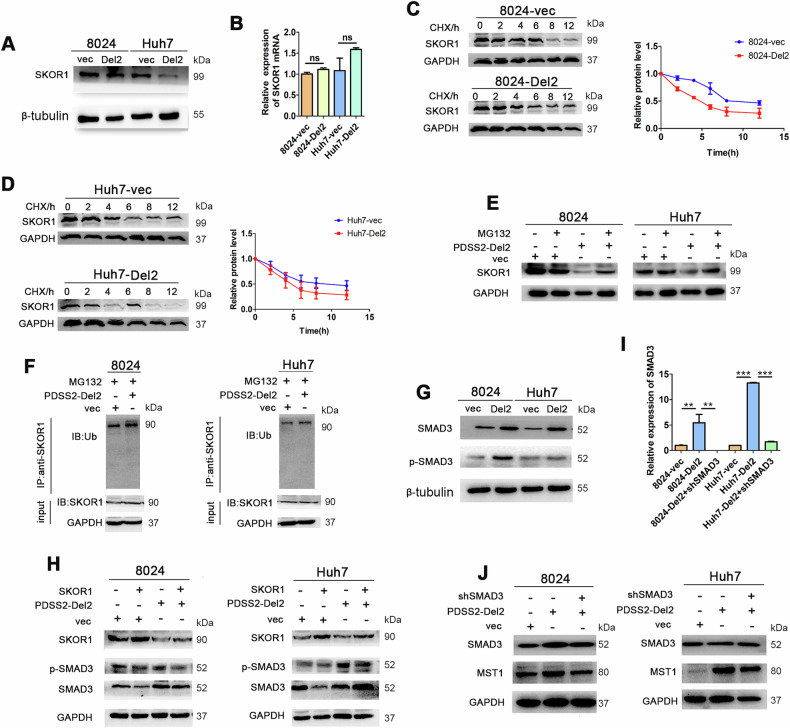
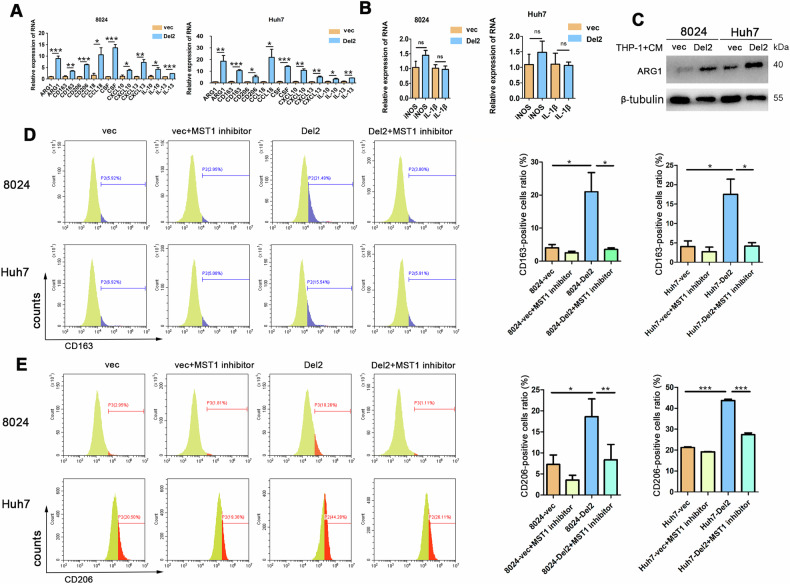
Hepatocellular carcinoma (HCC) is one of the most frequent solid tumors worldwide. According to the Global Cancer Statistics 2020, liver cancer remains the third cause of cancer death globally. Despite significant advances in systemic therapy, HCC still has one of the worst prognoses due to its frequent recurrence and metastasis. Previously we found that PDSS2-Del2 (prenyl diphosphate synthase subunit 2 with exon 2 deletion), a novel variant of PDSS2, could promote HCC metastasis and angiogenesis via activating NF-κB. In this study, we elucidate a novel mechanism by which PDSS2-Del2 enhances HCC metastasis. The overexpression of PDSS2-Del2 in HCC cells promotes the ubiquitination and degradation of SKOR1, consequently heightening SMAD3 phosphorylation. Subsequently, the expression and secretion of MST1 (macrophage stimulatory protein 1) are upregulated, resulting in enhanced recruitment of macrophages into tumor tissues where they differentiate into M2-type macrophages. Co-culture with PDSS2-Del2 overexpressed HCC cells activated the PI3K/AKT signaling pathway in macrophages, and more MMP2 and MMP9 were secreted, which facilitated HCC cell dissemination. Our study elucidates a novel molecular mechanism by which PDSS2-Del2 promotes HCC metastasis, which may contribute to the development of effective HCC clinical treatment and prevent tumor metastasis. Furthermore, MST1 could be a potential therapeutic target, and MST1 inhibitors might be integrated into clinical practice for HCC patients with high expression of PDSS2-Del2.
肝细胞癌(HCC)是全球最常见的实体瘤之一。根据《2020年全球癌症统计数据》,肝癌仍是全球癌症死亡的第三大原因。尽管全身治疗取得了显著进展,但由于HCC频繁复发和转移,其预后仍然很差。此前我们发现,PDSS2-Del2(2号外显子缺失的异戊二烯二磷酸合酶亚基2)是PDSS2的一种新型变体,可通过激活NF-κB促进HCC转移和血管生成。在本研究中,我们阐明了PDSS2-Del2增强HCC转移的一种新机制。HCC细胞中PDSS2-Del2的过表达促进了SKOR1的泛素化和降解,从而增强了SMAD3磷酸化。随后,MST1(巨噬细胞刺激蛋白1)的表达和分泌上调,导致更多巨噬细胞被募集到肿瘤组织中并分化为M2型巨噬细胞。与过表达PDSS2-Del2的HCC细胞共培养激活了巨噬细胞中的PI3K/AKT信号通路,并且分泌了更多的MMP2和MMP9,这促进了HCC细胞的扩散。我们的研究阐明了PDSS2-Del2促进HCC转移的一种新分子机制,这可能有助于开发有效的HCC临床治疗方法并预防肿瘤转移。此外,MST1可能是一个潜在的治疗靶点,MST1抑制剂可能会被纳入到PDSS2-Del2高表达的HCC患者的临床治疗中。