Soares De Oliveira Lorraine, Ritter Megan J
Department of Medicine, Boston University Chobanian & Avedisian School of Medicine, Boston Medical Center, Boston, Massachusetts, USA.
Hepatol Commun. 2024 Dec 20;9(1). doi: 10.1097/HC9.0000000000000596. eCollection 2025 Jan 1.
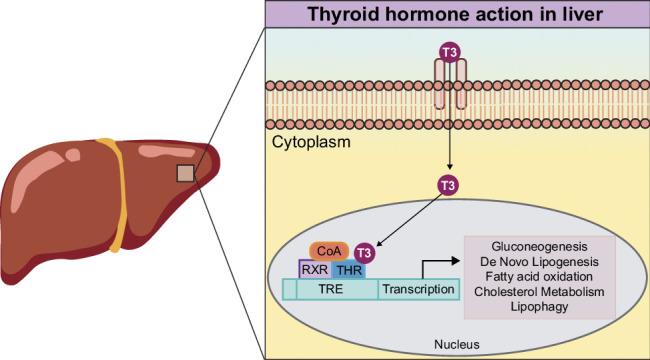
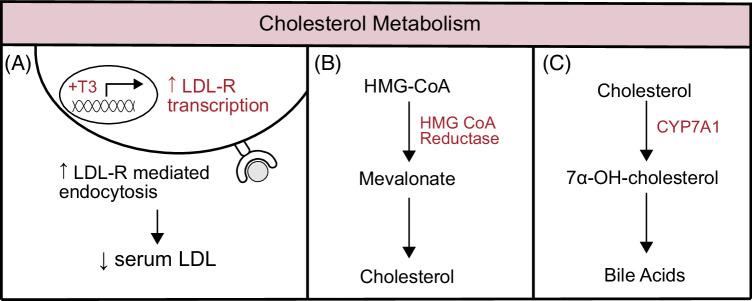
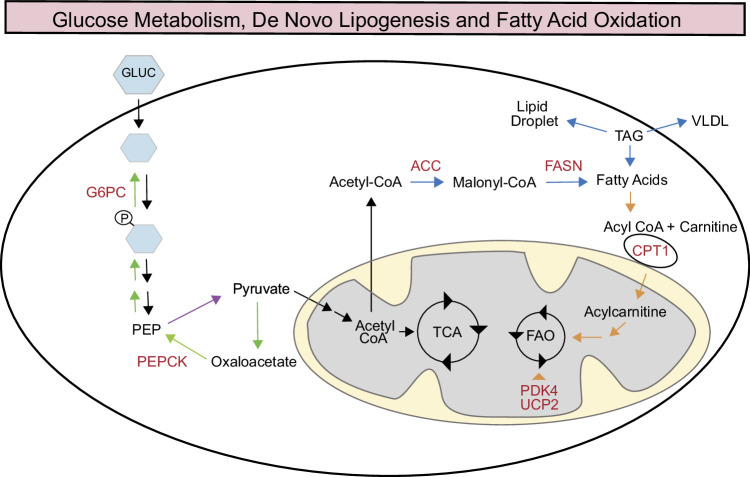
It is known that thyroid hormone can regulate hepatic metabolic pathways including cholesterol, de novo lipogenesis, fatty acid oxidation, lipophagy, and carbohydrate metabolism. Thyroid hormone action is mediated by the thyroid hormone receptor (THR) isoforms and their coregulators, and THRβ is the main isoform expressed in the liver. Dysregulation of thyroid hormone levels, as seen in hypothyroidism, has been associated with dyslipidemia and metabolic dysfunction-associated fatty liver disease. Given the beneficial effects of thyroid hormone in liver metabolism and the advances illuminating the use of thyroid hormone analogs such as resmetirom as therapeutic agents in the treatment of metabolic dysfunction-associated fatty liver disease, this review aims to further explore the relationship between TH, the liver, and metabolic dysfunction-associated fatty liver disease. Herein, we summarize the current clinical therapies and highlight future areas of research.
众所周知,甲状腺激素可调节肝脏代谢途径,包括胆固醇、从头脂肪生成、脂肪酸氧化、脂质自噬和碳水化合物代谢。甲状腺激素的作用由甲状腺激素受体(THR)亚型及其共调节因子介导,而THRβ是肝脏中表达的主要亚型。甲状腺激素水平失调,如在甲状腺功能减退症中所见,与血脂异常和代谢功能障碍相关脂肪性肝病有关。鉴于甲状腺激素在肝脏代谢中的有益作用以及在阐明甲状腺激素类似物(如resmetirom)作为治疗代谢功能障碍相关脂肪性肝病的治疗剂方面取得的进展,本综述旨在进一步探讨甲状腺激素、肝脏和代谢功能障碍相关脂肪性肝病之间的关系。在此,我们总结了当前的临床治疗方法并突出了未来的研究领域。