Qin Li, Tian Chun, Huang Liying, Qin Xiao, Ling Shaohua, Wei Jingxi, Huang Bingsheng, Li Lining, Luo Xiaoqiong
Reproductive Medicine Center, The Affiliated Hospital of Youjiang Medical University for Nationalities, Baise, 533000, Guangxi, China.
Key Laboratory of Research on Environment and Population Health in Aluminium Mining Areas, Department of Guangxi Zhuang Autonomous Region, Baise, 533000, Education, Guangxi, China.
J Ovarian Res. 2024 Dec 19;17(1):248. doi: 10.1186/s13048-024-01571-5.
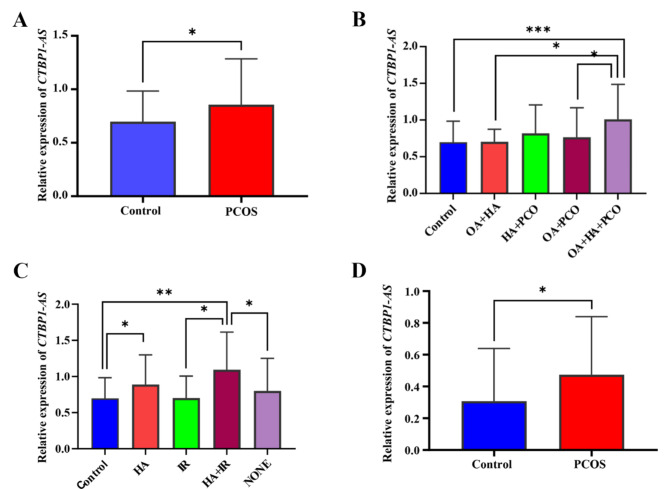
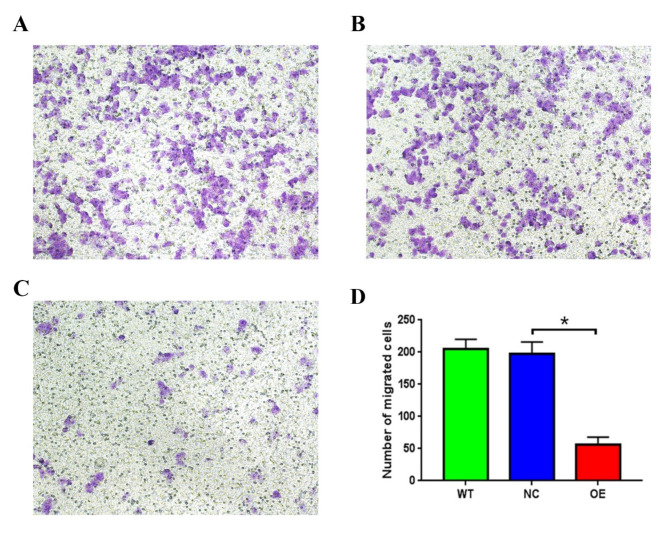
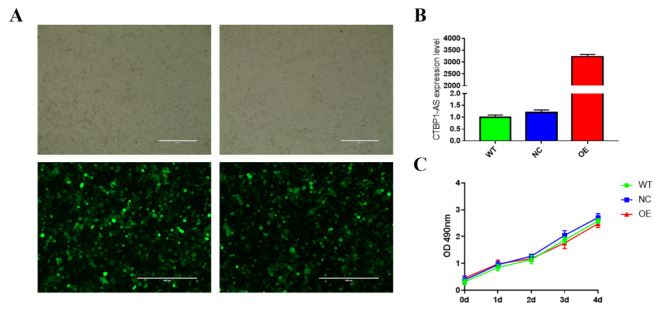
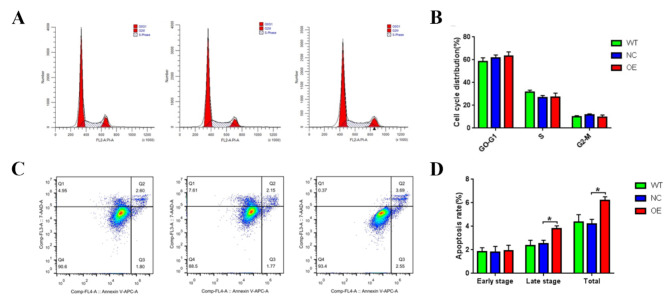
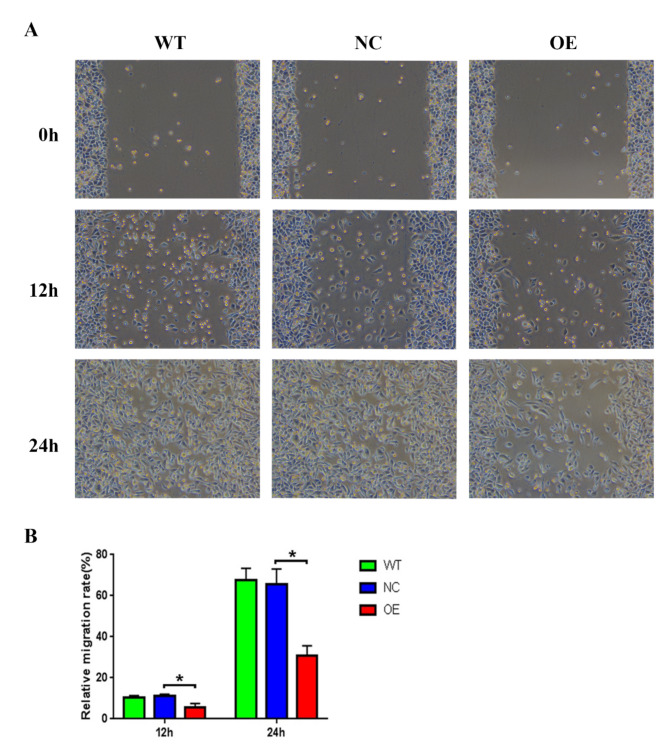
Polycystic ovary syndrome (PCOS) is among the most prevalent endocrine and metabolic disorders affecting women of reproductive age. Multiple factors, including genetic predisposition, environmental influences, and lifestyle choices, are considered significant contributors to the development of PCOS. A kind of long noncoding RNA-C-Terminal binding protein 1 antisense (lncRNA CTBP1-AS) has been proven to be a new androgen receptor regulator. Previous studies showed that the lncRNA CTBP1-AS gene was highly expressed in a small sample of PCOS patients and was associated with the risk of PCOS, but its specific function and mechanism have not been clearly reported. In this study, the expression of lncRNA CTBP1-AS was detected by real-time quantitative PCR (RT-qPCR) in PCOS patients. In addition, lncRNA CTBP1-AS was overexpressed in KGN cells to explore its effect on granulocyte function. The results showed that the expression levels of lncRNA CTBP1-AS were increased in peripheral blood mononuclear cells and follicular fluid granulosa cells of PCOS patients compared with controls, which correlated with androgen levels and sinus follicle number; overexpression of lncRNA CTBP1-AS increased apoptosis and decreased cell migration ability, thus promoting the progression of PCOS. This study explores new biomarkers and therapeutic targets for the clinical individualized diagnosis and treatment of PCOS.
多囊卵巢综合征(PCOS)是影响育龄女性的最常见的内分泌和代谢紊乱疾病之一。多种因素,包括遗传易感性、环境影响和生活方式选择,被认为是PCOS发病的重要因素。一种长链非编码RNA——C末端结合蛋白1反义RNA(lncRNA CTBP1-AS)已被证明是一种新的雄激素受体调节因子。先前的研究表明,lncRNA CTBP1-AS基因在一小部分PCOS患者中高表达,且与PCOS风险相关,但其具体功能和机制尚未明确报道。在本研究中,通过实时定量PCR(RT-qPCR)检测PCOS患者lncRNA CTBP1-AS的表达。此外,在KGN细胞中过表达lncRNA CTBP1-AS以探讨其对颗粒细胞功能的影响。结果显示,与对照组相比,PCOS患者外周血单个核细胞和卵泡液颗粒细胞中lncRNA CTBP1-AS的表达水平升高,这与雄激素水平和窦卵泡数量相关;lncRNA CTBP1-AS的过表达增加了细胞凋亡并降低了细胞迁移能力,从而促进了PCOS的进展。本研究为PCOS的临床个体化诊断和治疗探索了新的生物标志物和治疗靶点。