Ohguri Takayuki, Shiba Eiji, Kuroki Ryohei, Matsukawa Hideaki, Tani Subaru, Iwai Yoshio
Therapeutic Radiology, University Hospital of Occupational and Environmental Health, Kitakyushu, JPN.
Radiology, University Hospital of Occupational and Environmental Health, Kitakyushu, JPN.
Cureus. 2024 Nov 18;16(11):e73934. doi: 10.7759/cureus.73934. eCollection 2024 Nov.
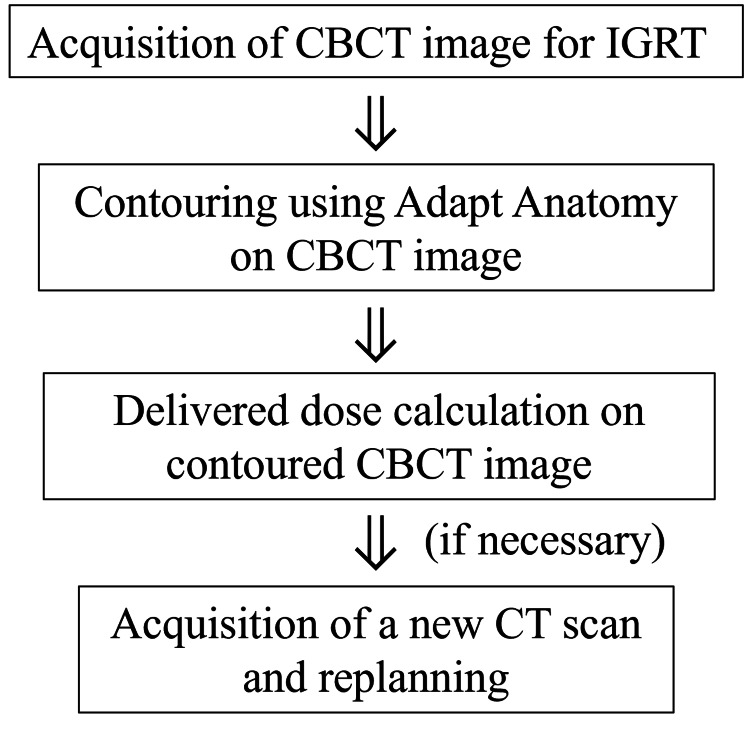
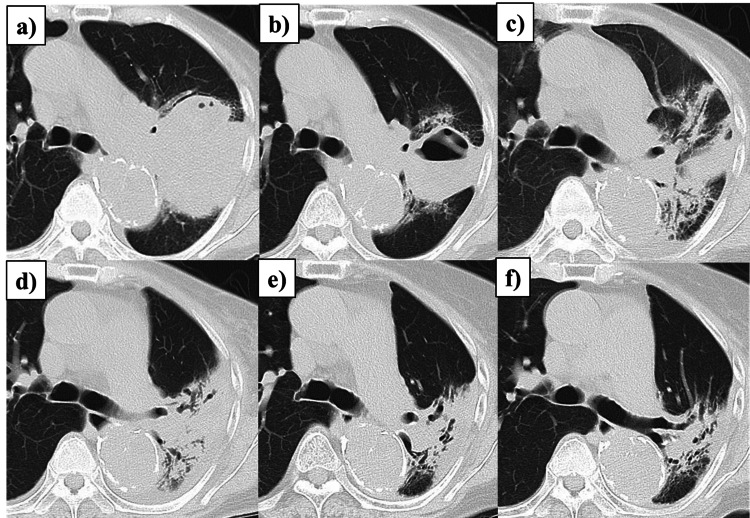
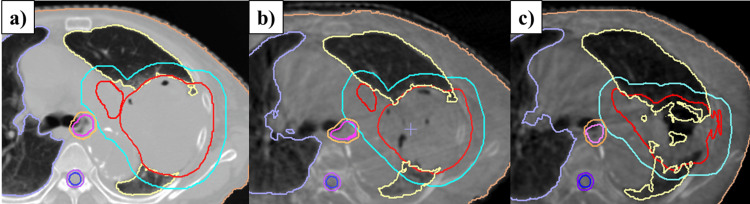
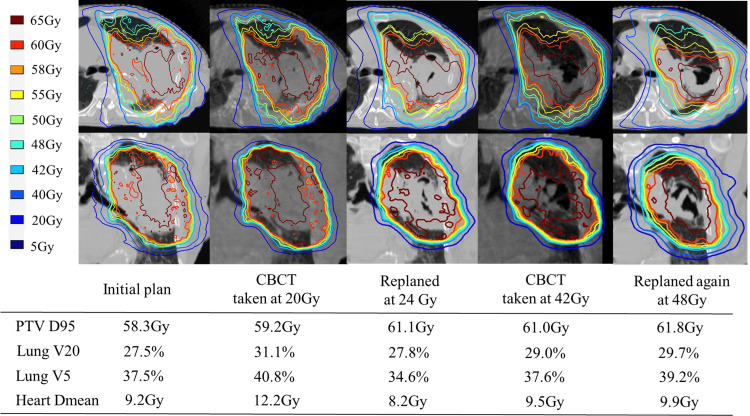
There is a paucity of studies reporting the use of automated contouring function on cone-beam computed tomography (CBCT) images acquired during image-guided radiotherapy (IGRT) with offline adaptive radiotherapy for locally advanced non-small cell lung cancer (NSCLC). This case report discusses the use of an automated contouring function on CBCT images acquired during IGRT to quantify the dose distribution variations associated with tumor shrinkage in a patient with large NSCLC. A 72-year-old woman with locally advanced squamous cell carcinoma of the lung (T4N1M0; tumor diameter: 14 cm) underwent chemoradiotherapy. Two offline adaptive radiotherapy sessions were performed, resulting in no evidence of recurrence or distant metastasis, as well as no side effects of Grade 2 or higher toxicity.
关于在图像引导放射治疗(IGRT)期间获取的锥束计算机断层扫描(CBCT)图像上使用自动轮廓勾画功能,用于局部晚期非小细胞肺癌(NSCLC)的离线自适应放射治疗的研究很少。本病例报告讨论了在IGRT期间获取的CBCT图像上使用自动轮廓勾画功能,以量化一名患有大体积NSCLC患者中与肿瘤缩小相关的剂量分布变化。一名72岁患有局部晚期肺鳞状细胞癌(T4N1M0;肿瘤直径:14厘米)的女性接受了放化疗。进行了两次离线自适应放射治疗疗程,结果未发现复发或远处转移迹象,也没有2级或更高毒性的副作用。