Takeichi Tomohisa, Morimoto Yoshihisa, Yamada Akitoshi, Tanaka Takanori
Department of Clinical Engineering, Kitaharima Medical Center, 926-250, Ichiba-cho, Ono-shi, Hyogo, 675-1392, Japan.
Department of Cardiovascular Surgery, Kitaharima Medical Center, 926-250, Ichiba-cho, Ono-shi, Hyogo, 675-1392, Japan.
J Extra Corpor Technol. 2024 Dec;56(4):207-210. doi: 10.1051/ject/2024027. Epub 2024 Dec 20.
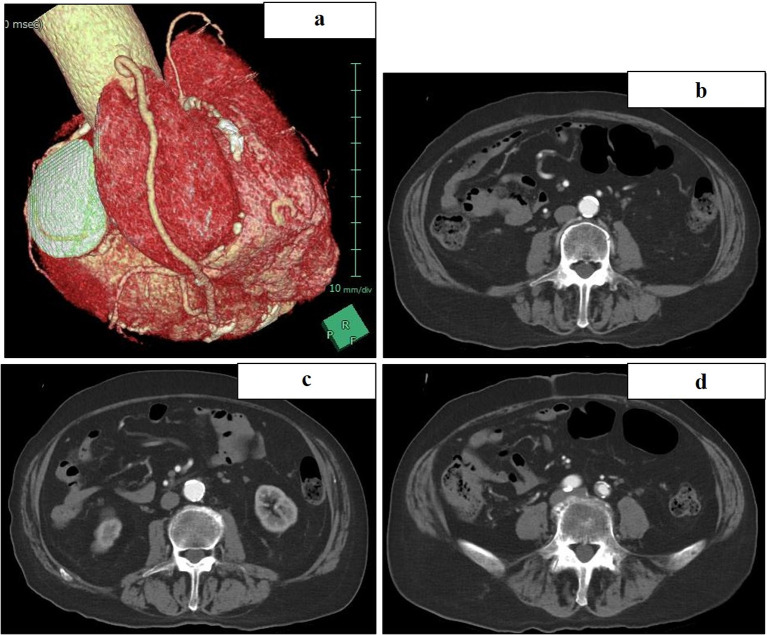
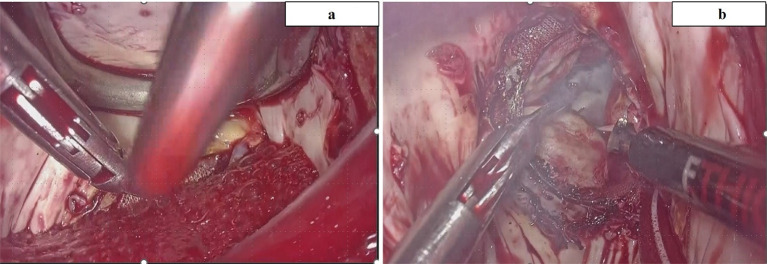
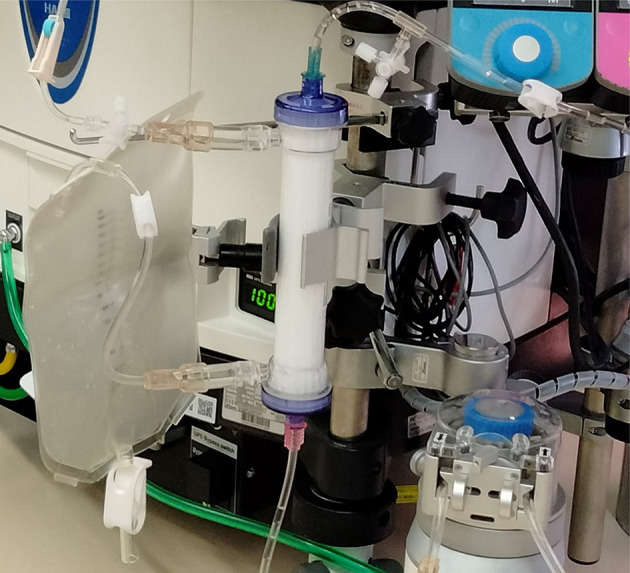
We conducted a high-risk redo mitral valve replacement through a right mini-thoracotomy without rib spreading (redo-MICS MVR) under systemic hyperkalemia combined with circulatory arrest to circumvent complications associated with cardioplegia delivery. The patient, a 75-year-old man, had a predicted mortality rate of 20%. Initial antegrade cardioplegia successfully induced cardiac arrest, which was administered every 30 min. However, upon infusion of the second dose of cardioplegia, the aortic root pressure was approximately 20 mmHg. Despite multiple attempts to re-cross the clamp, the aortic root pressure did not improve. Consequently, retrograde cardioplegia was considered, but due to significant adhesion of the inferior vena cava, this approach was abandoned. Thus, the procedure was altered to utilize systemic hyperkalemia without aortic cross-clamping (ACC). Given the preoperative transesophageal echocardiography (TEE) diagnosis of mild aortic regurgitation, maintaining a clear surgical field was challenging, necessitating the combination of redo-MVR with circulatory arrest. This case exemplifies the successful management of cardioplegia delivery complications using systemic hyperkalemia and circulatory arrest, resulting in a favorable postoperative recovery for the patient.
我们在系统性高钾血症合并循环骤停的情况下,通过右胸小切口不撑开肋骨进行了高风险再次二尖瓣置换术(redo-MICS MVR),以规避与心脏停搏液输注相关的并发症。患者为一名75岁男性,预计死亡率为20%。最初的顺行心脏停搏液成功诱导了心脏骤停,每30分钟给药一次。然而,在输注第二剂心脏停搏液时,主动脉根部压力约为20mmHg。尽管多次尝试重新穿过阻断钳,但主动脉根部压力并未改善。因此,考虑采用逆行心脏停搏液,但由于下腔静脉严重粘连,该方法被放弃。于是,手术改为利用无主动脉阻断(ACC)的系统性高钾血症。鉴于术前经食管超声心动图(TEE)诊断为轻度主动脉瓣反流,保持清晰的手术视野具有挑战性,因此需要将再次二尖瓣置换术与循环骤停相结合。该病例例证了使用系统性高钾血症和循环骤停成功处理心脏停搏液输注并发症,使患者术后恢复良好。