Sloper Emily, Hunt Megan, Clarke Angus John
All Wales Medical Genomics Service, Wales Genomic Health Centre, Cardiff Edge Business Park, Longwood Drive, Whitchurch, Cardiff, CF14 7YU, Wales, UK.
Cardiff University School of Medicine, Institute of Medical Genetics, University Hospital of Wales, Heath Park, Cardiff, CF14 4XN, Wales, UK.
Orphanet J Rare Dis. 2024 Dec 20;19(1):477. doi: 10.1186/s13023-024-03483-5.
We have held a 'trouble-shooting' clinic for Rett syndrome patients from 2003 until the COVID pandemic in 2020. The clinic was multidisciplinary, including clinical genetics, paediatric neurology, adult learning disability psychiatry and physiotherapy. Access to specialist communication support and eye-gaze equipment was also often available. We have reviewed the files of patients seen in the clinic and conducted a survey of parents' and carers' satisfaction with the clinic and their experiences during COVID.
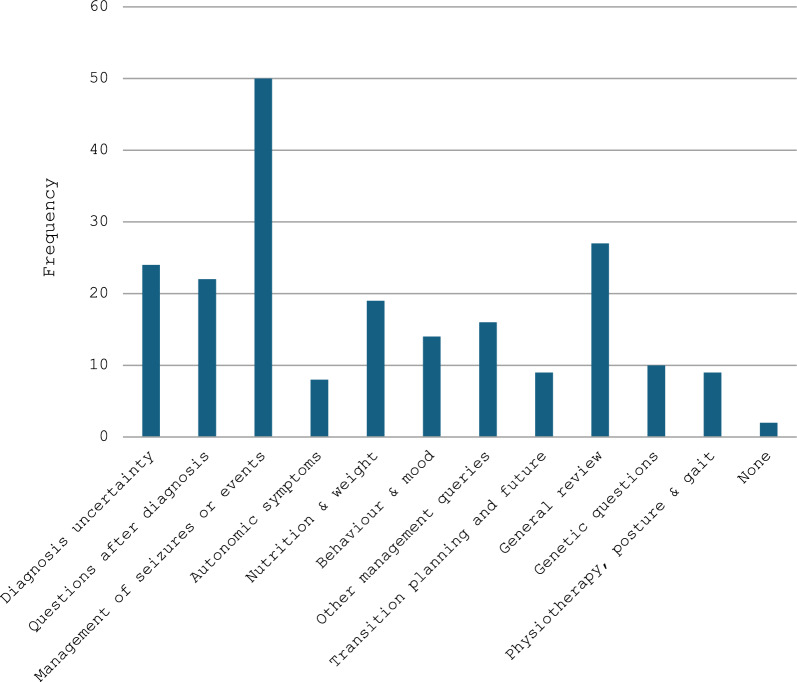
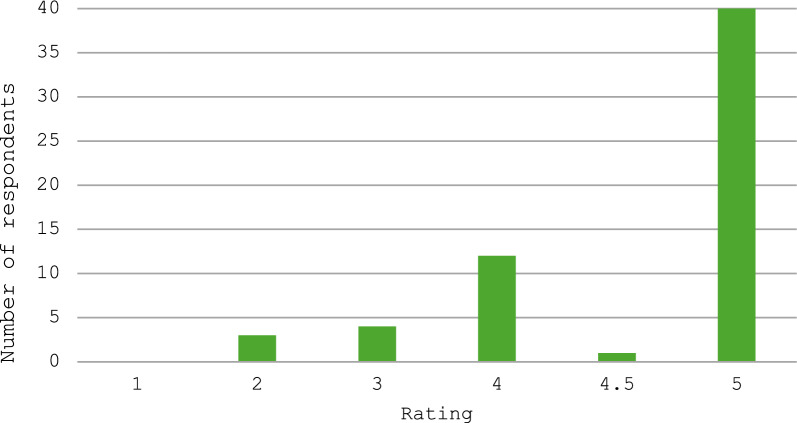
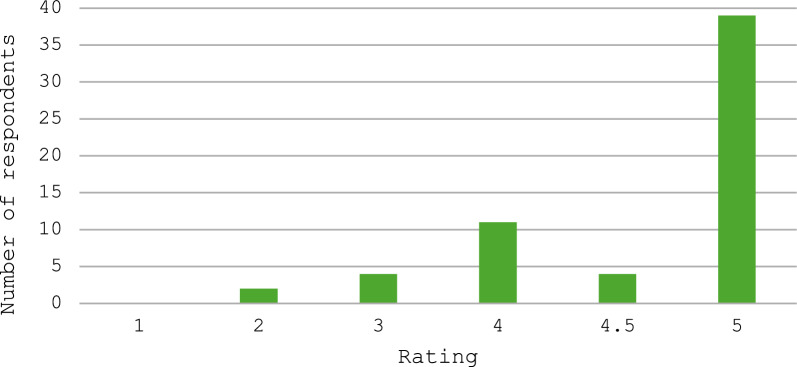
Of the 117 patients seen in the clinic, records were reviewed of 103 (97 female, six male) who attended a total of 123 appointments. The records were unavailable for 14 patients. The most common reasons for referral were assessment of 'episodes' of uncertain nature (possibly epileptic, possibly autonomic), the wish for a general review by an experienced team, and questions about the diagnosis. We discuss the nature of the advice we were able to provide and offer some brief case vignettes. We wrote to the parents or carers of all patients seen and 63 respondents were willing to be interviewed about the clinic and their experiences during COVID. Respondents were generally complimentary about the clinic team, emphasising the value of a specialist clinic for those affected by a rare condition. Respondents gave insight into the range of problems experienced during COVID, especially the isolation resulting from the withdrawal of services, demonstrating the value of community support. Some respondents mentioned the shift to remote consultations, which they hoped would continue after COVID for its convenience. However, others talked about how difficult it is in a remote consultation to explain the problems of the affected family member to professionals who do not know the patient or know about Rett syndrome.
Our findings demonstrate the value of a disease-specific clinic provided by staff experienced with the particular rare condition. Meeting the needs of patients with ultra-rare conditions presents additional challenges. We have also found that the shift to holding a virtual clinic during COVID brought the benefit of convenience but was unsatisfactory in other ways, as it makes clinical assessment more difficult and fails to overcome the sense of isolation during a pandemic.
从2003年到2020年新冠疫情期间,我们为雷特综合征患者开设了一个“故障排除”诊所。该诊所是多学科的,包括临床遗传学、儿科神经学、成人学习障碍精神病学和物理治疗。通常还能获得专业的沟通支持和眼动注视设备。我们查阅了诊所接待患者的档案,并对家长和护理人员对诊所的满意度以及他们在新冠疫情期间的经历进行了调查。
在诊所接待的117名患者中,查阅了103名患者(97名女性,6名男性)的记录,他们总共预约了123次就诊。14名患者的记录无法获取。转诊的最常见原因是对性质不明的“发作”(可能是癫痫发作,也可能是自主神经发作)进行评估、希望由经验丰富的团队进行全面复查以及对诊断的疑问。我们讨论了我们能够提供的建议的性质,并提供了一些简短的病例 vignettes。我们写信给所有看过诊的患者的家长或护理人员,63名受访者愿意就诊所及其在新冠疫情期间的经历接受采访。受访者普遍对诊所团队表示赞赏,强调专科诊所对受罕见病影响者的价值。受访者深入了解了新冠疫情期间遇到的一系列问题,特别是服务撤离导致的隔离,这体现了社区支持的价值。一些受访者提到了向远程咨询的转变,他们希望在新冠疫情之后继续采用这种方式,因为其便利性。然而,其他人谈到在远程咨询中,向不了解患者或雷特综合征的专业人员解释受影响家庭成员的问题有多困难。
我们的研究结果表明,由熟悉特定罕见病的工作人员提供的针对特定疾病的诊所具有价值。满足超罕见病患者的需求带来了额外的挑战。我们还发现,在新冠疫情期间转向虚拟诊所带来了便利,但在其他方面并不令人满意,因为它使临床评估更加困难,并且无法克服疫情期间的隔离感。