Haeussler Katrin, Ismaila Afisi S, Malmenäs Mia, Noorduyn Stephen G, Green Nathan, Compton Chris, Thabane Lehana, Vogelmeier Claus F, Halpin David M G
ICON Health Economics, ICON Plc, Langen, Germany.
Value Evidence and Outcomes, GSK, Collegeville, PA, USA.
Respir Res. 2024 Dec 21;25(1):438. doi: 10.1186/s12931-024-03056-x.
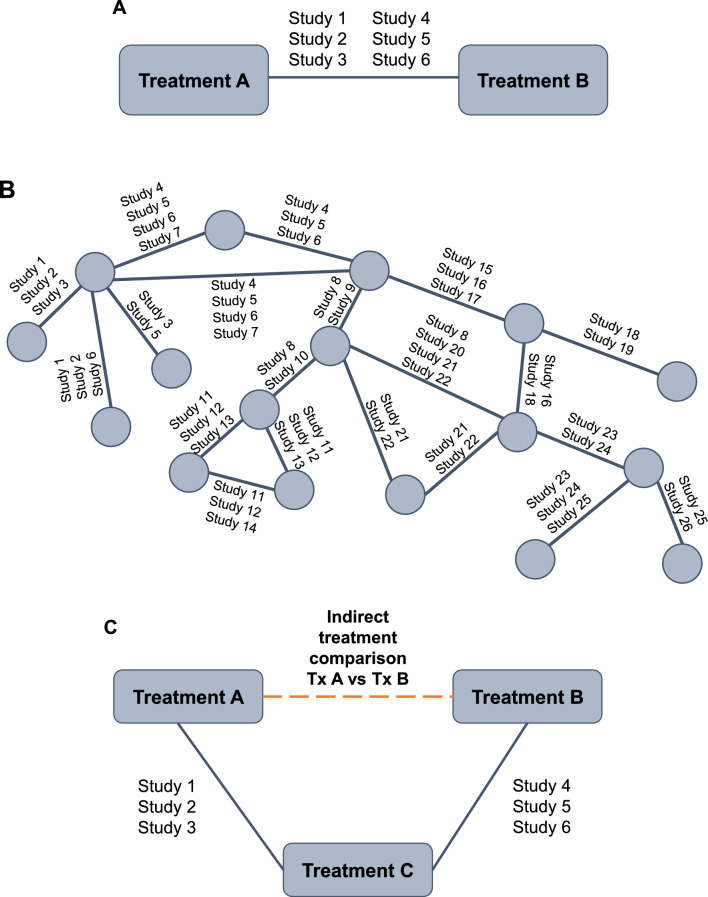
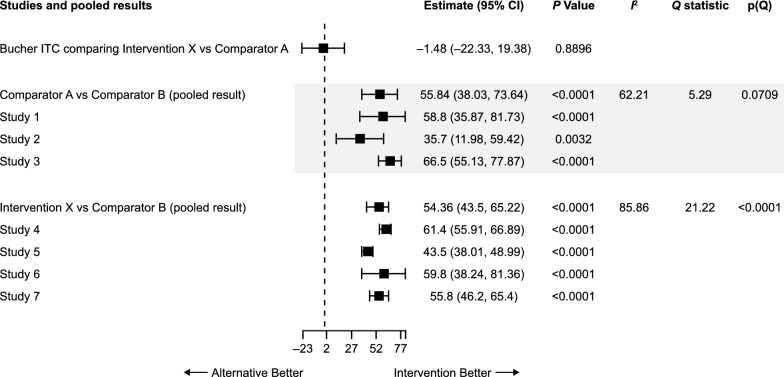
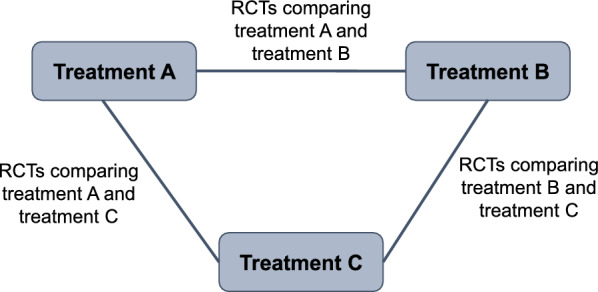
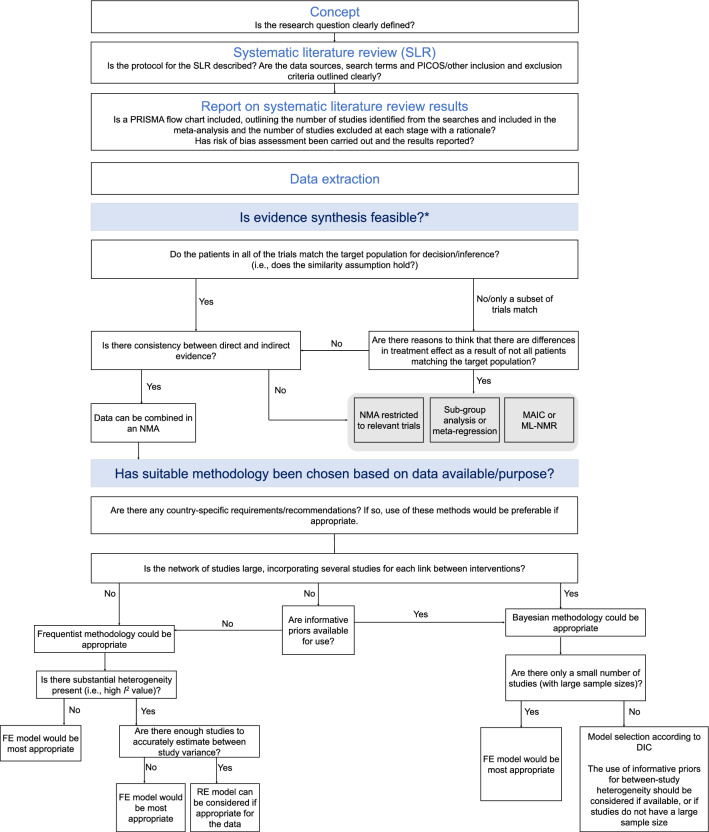
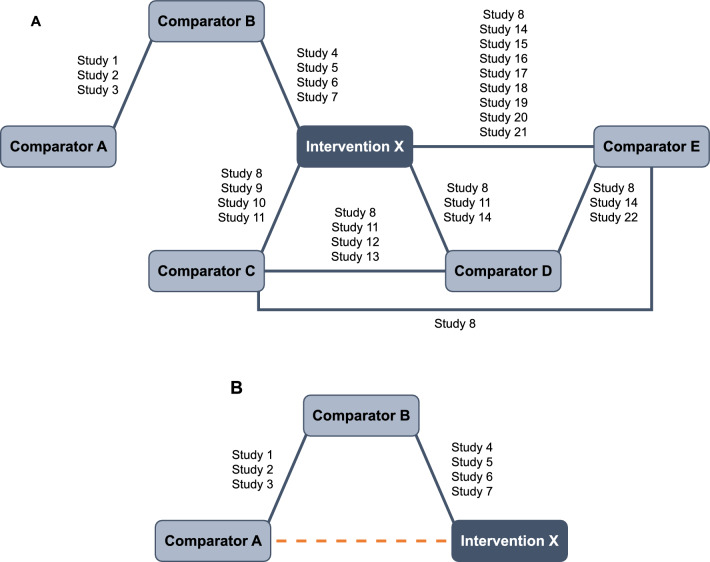
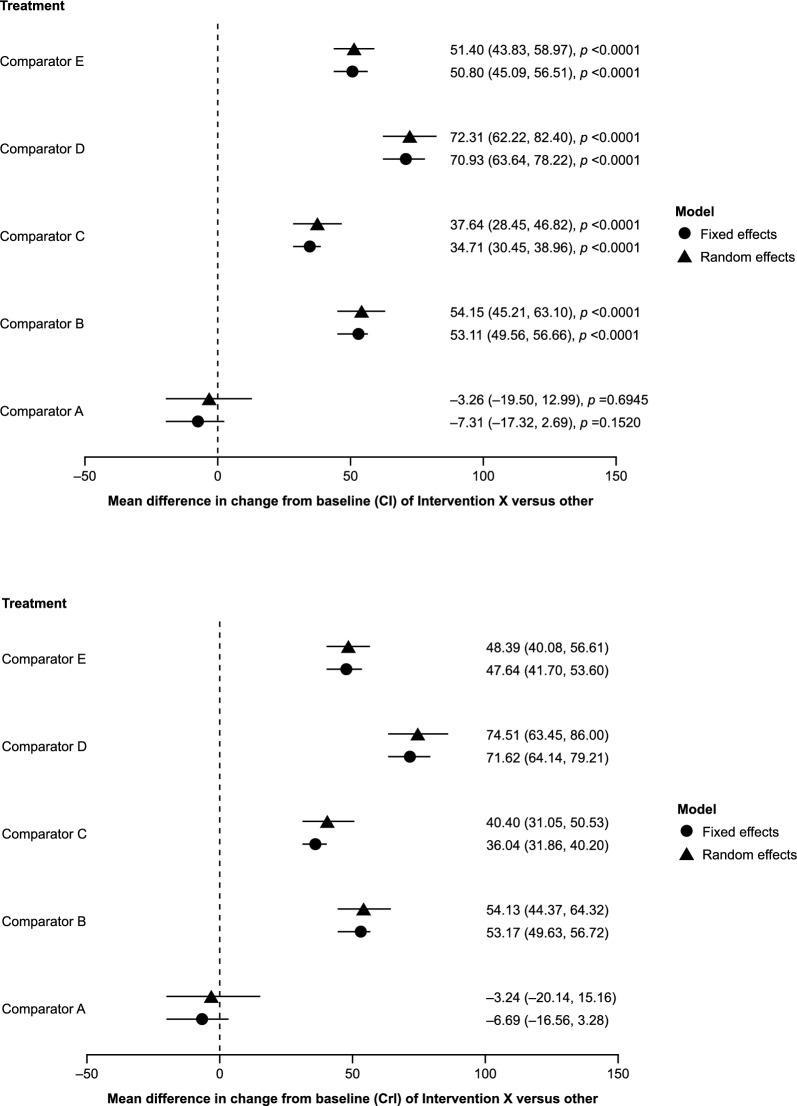
To optimize patient outcomes, healthcare decisions should be based on the most up-to-date high-quality evidence. Randomized controlled trials (RCTs) are vital for demonstrating the efficacy of interventions; however, information on how an intervention compares to already available treatments and/or fits into treatment algorithms is sometimes limited. Although different therapeutic classes are available for the treatment of chronic obstructive pulmonary disease (COPD), assessing the relative efficacy of these treatments is challenging. Synthesizing evidence from multiple RCTs via meta-analysis can help provide a comprehensive assessment of all available evidence and a "global summary" of findings. Pairwise meta-analysis is a well-established method that can be used if two treatments have previously been examined in head-to-head clinical trials. However, for some comparisons, no head-to-head studies are available, for example the efficacy of single-inhaler triple therapies for the treatment of COPD. In such cases, network meta-analysis (NMA) can be used, to indirectly compare treatments by assessing their effects relative to a common comparator using data from multiple studies. However, incorrect choice or application of methods can hinder interpretation of findings or lead to invalid summary estimates. As such, the use of the GRADE reporting framework is an essential step to assess the certainty of the evidence. With an increasing reliance on NMAs to inform clinical decisions, it is now particularly important that healthcare professionals understand the appropriate usage of different methods of NMA and critically appraise published evidence when informing their clinical decisions. This review provides an overview of NMA as a method for evidence synthesis within the field of COPD pharmacotherapy. We discuss key considerations when conducting an NMA and interpreting NMA outputs, and provide guidance on the most appropriate methodology for the data available and potential implications of the incorrect application of methods. We conclude with a simple illustrative example of NMA methodologies using simulated data, demonstrating that when applied correctly, the outcome of the analysis should be similar regardless of the methodology chosen.
为优化患者治疗效果,医疗决策应基于最新的高质量证据。随机对照试验(RCT)对于证明干预措施的疗效至关重要;然而,关于一种干预措施与现有治疗方法相比如何以及/或者如何纳入治疗方案的信息有时有限。尽管有不同的治疗类别可用于治疗慢性阻塞性肺疾病(COPD),但评估这些治疗方法的相对疗效具有挑战性。通过荟萃分析综合多个RCT的证据有助于对所有可用证据进行全面评估并得出研究结果的“总体总结”。成对荟萃分析是一种成熟的方法,如果两种治疗方法之前已在直接比较的临床试验中进行过研究,就可以使用该方法。然而,对于某些比较,没有直接比较的研究,例如单吸入器三联疗法治疗COPD的疗效。在这种情况下,可以使用网络荟萃分析(NMA),通过使用来自多项研究的数据评估其相对于共同对照的效果来间接比较治疗方法。然而,方法的错误选择或应用可能会妨碍对研究结果的解释或导致无效的汇总估计。因此,使用GRADE报告框架是评估证据确定性的重要一步。随着越来越依赖NMA为临床决策提供信息,医疗专业人员现在特别重要的是要了解不同NMA方法的适当用法,并在做出临床决策时严格评估已发表的证据。本综述概述了NMA作为COPD药物治疗领域证据综合的一种方法。我们讨论进行NMA和解释NMA结果时的关键考虑因素,并就最适合可用数据的方法以及方法错误应用的潜在影响提供指导。我们以一个使用模拟数据的NMA方法的简单示例作为结尾,表明如果正确应用,无论选择何种方法,分析结果都应相似。