Du Tingting, Liu Shuailing, Yu Honghong, Hu Tian, Huang Lina, Gao Lanyue, Jia Lihong, Hu Jiajin, Yu Yang, Sun Qi
Key Laboratory of Environmental Stress and Chronic Disease Control & Prevention Ministry of Education, China Medical University, No. 77 Puhe Road, Shenyang North New Area, Shenyang, Liaoning, 110122, People's Republic of China.
Department of Child and Adolescent Health, School of Public Health, China Medical University, Shenyang, Liaoning, 110122, China.
BMC Biol. 2024 Dec 23;22(1):296. doi: 10.1186/s12915-024-02097-4.
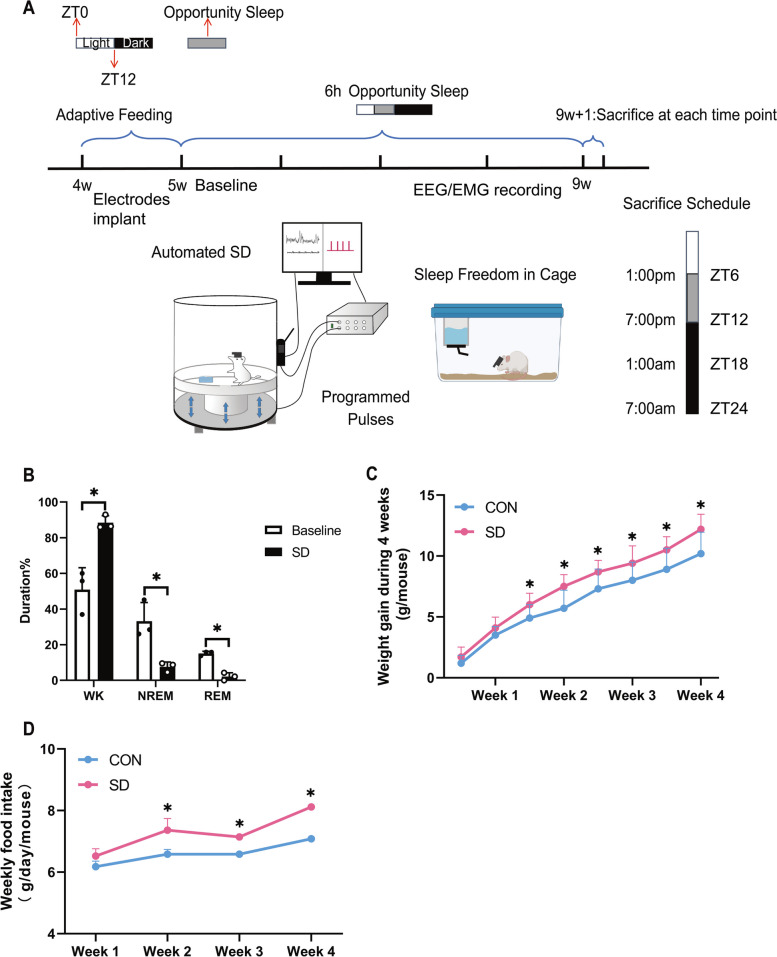
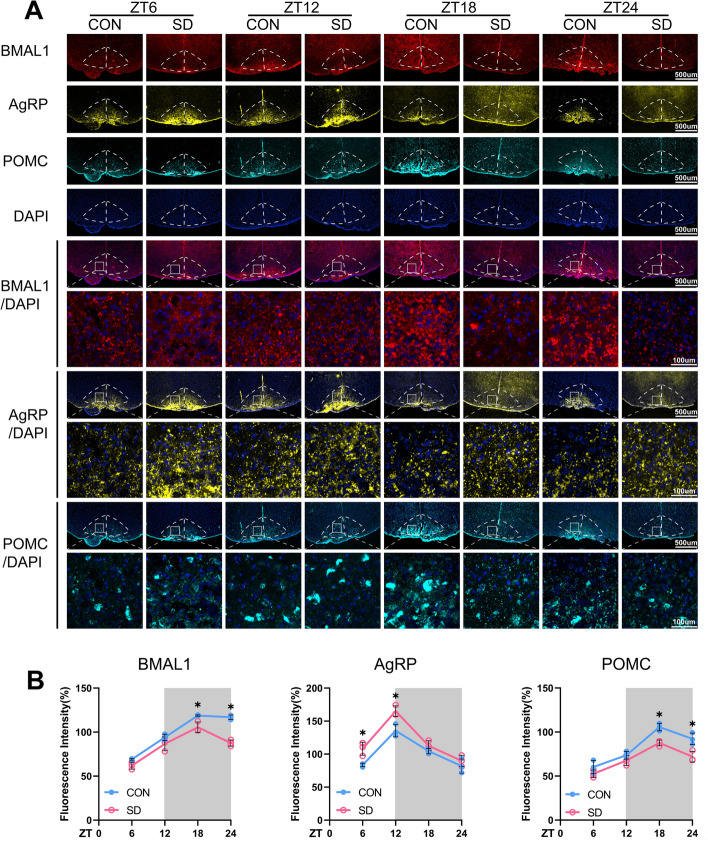
Epidemiologic researches show that short sleep duration may affect feeding behaviors resulting in higher energy intake and increased risk of obesity, but the further mechanisms that can interpret the causality remain unclear. The circadian rhythm is fine-tuned by the suprachiasmatic nucleus (SCN) as the master clock, which is essential for driving rhythms in food intake and energy metabolism through neuronal projections to the arcuate nucleus (ARC) and paraventricular nucleus (PVN).
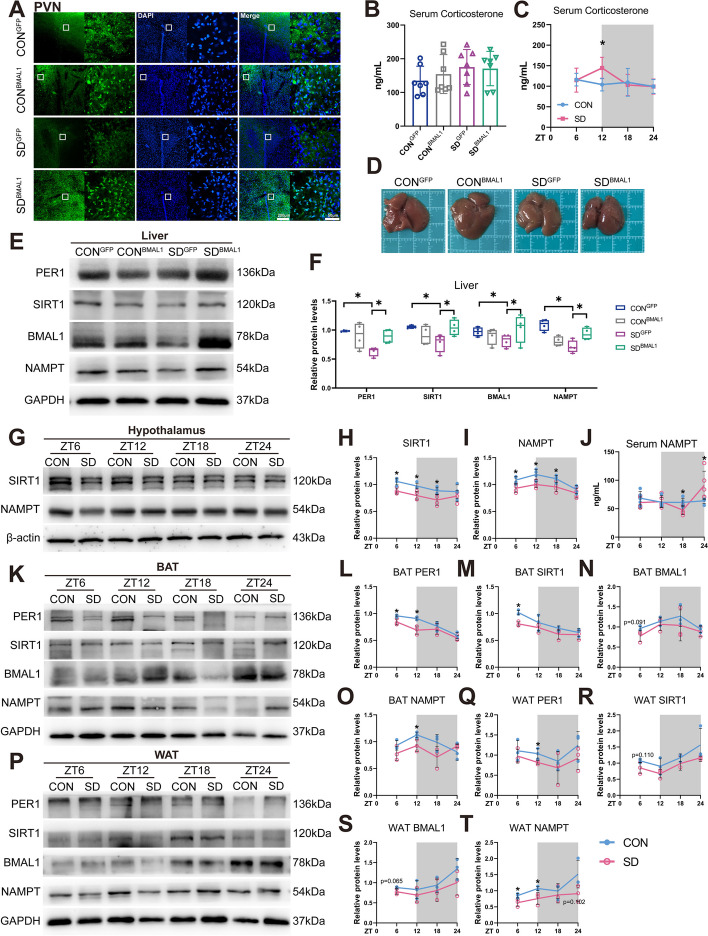
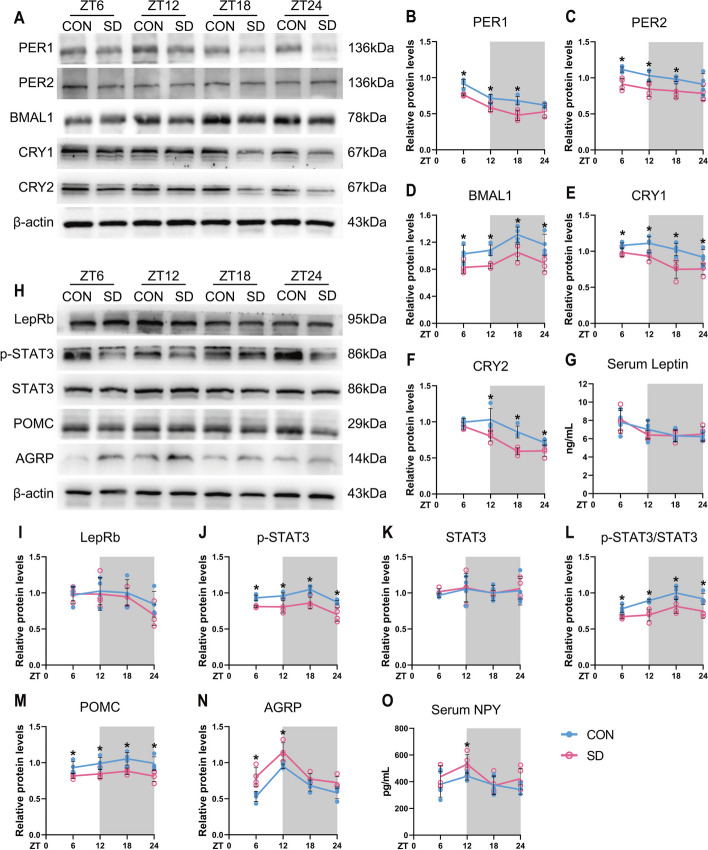
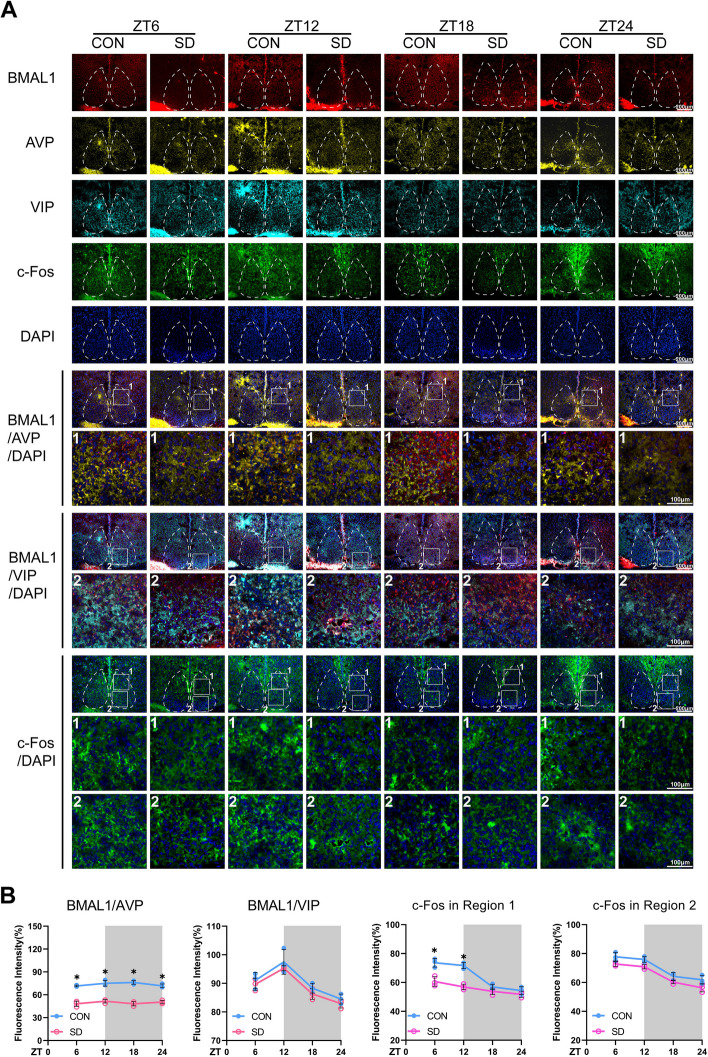
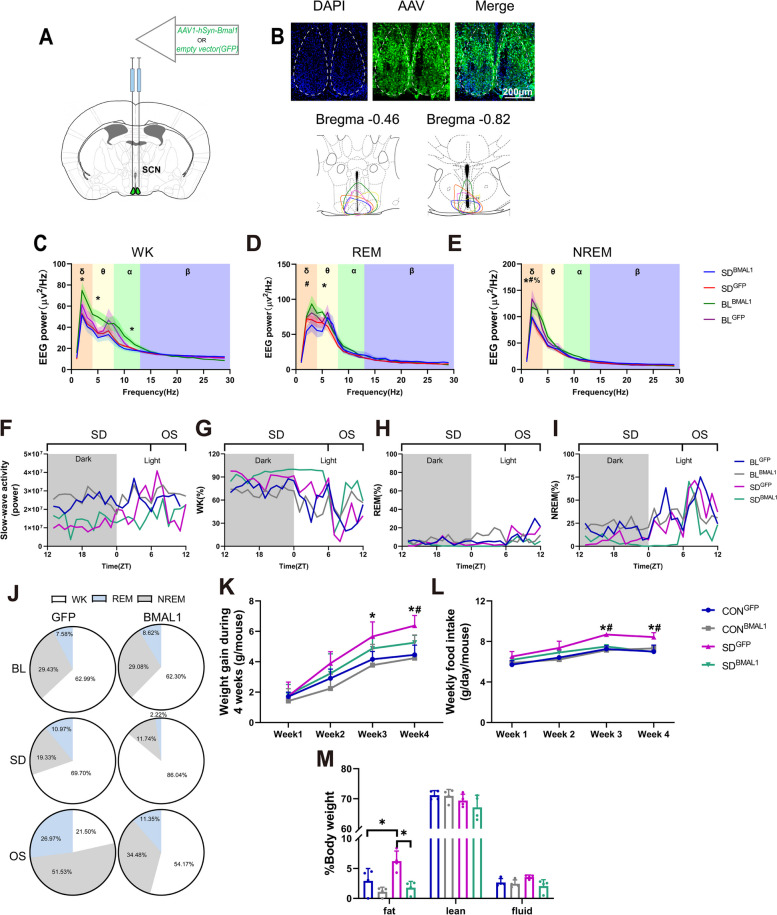
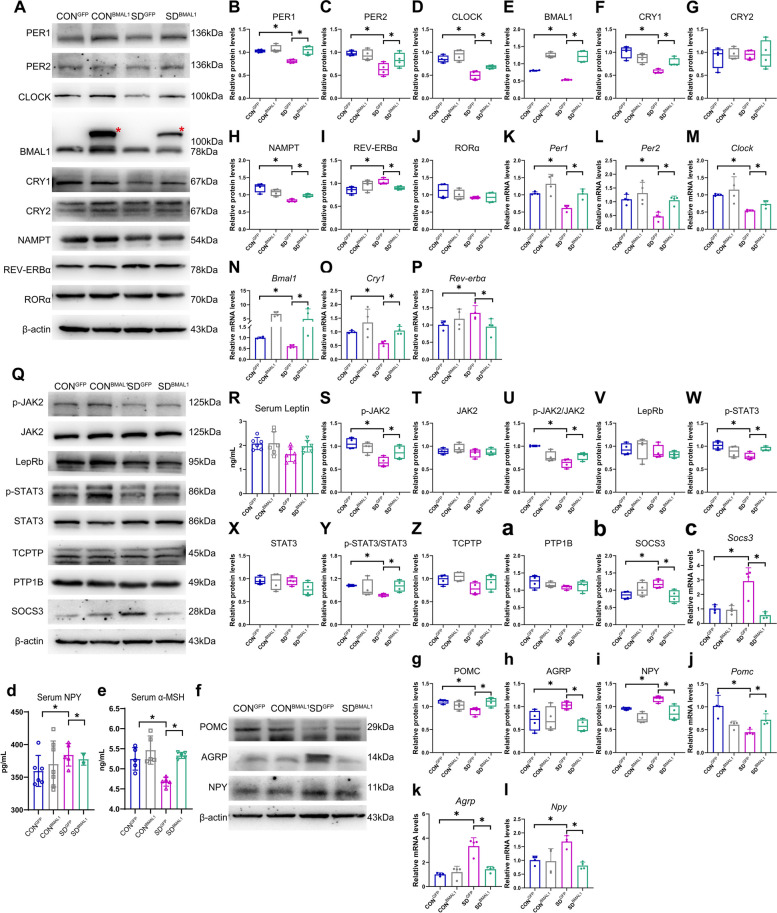
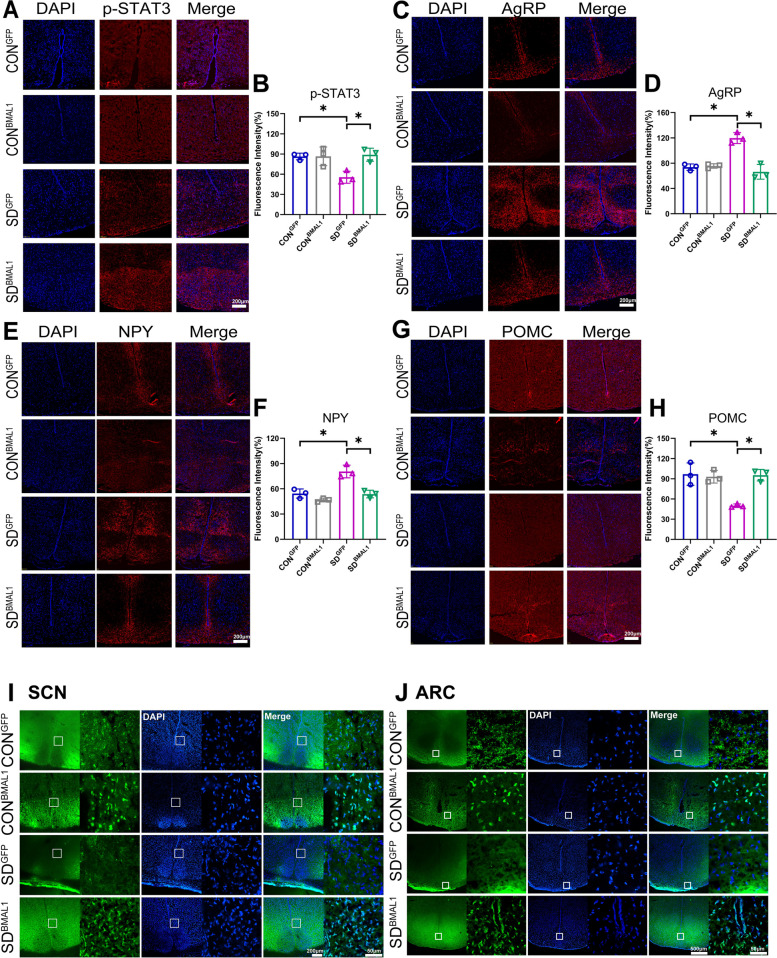
We showed that chronic SD-induced aberrant expressions of AgRP/NPY and POMC attributed to compromised JAK/STAT3 signals and reduced energy expenditure in the mice, which can be rescued with AAV-genetic overexpression of BMAL1 into SCN. The potential mechanism may be related to the disruptions of SCN efferent mediated by BMAL1.
Chronic SD impairs energy balance through directly dampening BMAL1 expression, probably in the transcription level, in the SCN, which in turn affects the neuron projections to ARC and PVN. Remarkably, we provide evidence that may explain the causal mechanisms associated with sleep curtailment and obesity in adolescents.
流行病学研究表明,睡眠时间短可能会影响进食行为,导致能量摄入增加和肥胖风险上升,但能够解释这种因果关系的进一步机制仍不清楚。昼夜节律由作为主时钟的视交叉上核(SCN)精细调节,SCN通过向弓状核(ARC)和室旁核(PVN)的神经元投射,对驱动食物摄入和能量代谢的节律至关重要。
我们发现,慢性睡眠剥夺诱导的AgRP/NPY和POMC异常表达归因于小鼠中JAK/STAT3信号受损和能量消耗减少,通过将BMAL1基因过表达的腺相关病毒导入SCN可使其恢复。潜在机制可能与BMAL1介导的SCN传出通路中断有关。
慢性睡眠剥夺通过直接抑制SCN中可能在转录水平的BMAL1表达来损害能量平衡,进而影响向ARC和PVN的神经元投射。值得注意的是,我们提供了可能解释青少年睡眠减少与肥胖相关因果机制的证据。