Garrada Mohamed, Alnoury Mohammed K, AlNoury Omar K, Alqutub Abdulsalam, Alsulami Omar A, Abuzinadah Haythem R, Alnoury Khaled I
Otolaryngology - Head and Neck Surgery, King Abdulaziz University Faculty of Medicine, Jeddah, SAU.
Medicine, King Abdulaziz University Faculty of Medicine, Jeddah, SAU.
Cureus. 2024 Nov 22;16(11):e74257. doi: 10.7759/cureus.74257. eCollection 2024 Nov.
Implantable bone conduction hearing devices offer excellent auditory rehabilitation. Transcutaneous devices, which use an implanted magnet, are gaining popularity due to higher skin complications associated with traditional percutaneous devices. The Cochlear Baha® Attract System (Cochlear Corporation, Sydney, Australia) is a transcutaneous device and is regarded as a passive transcutaneous implant. This study, encompassing children and adults, aims to evaluate audiological and speech outcomes, as well as postoperative complications after the implantation of the Cochlear Baha® Attract System.
This is a retrospective cohort analysis of patients who underwent the Cochlear Baha® Attract procedure from January 2017 to December 2020. Demographics, pre-and postoperative hearing thresholds, speech discrimination testing, hearing-aided thresholds, and complications were assessed.
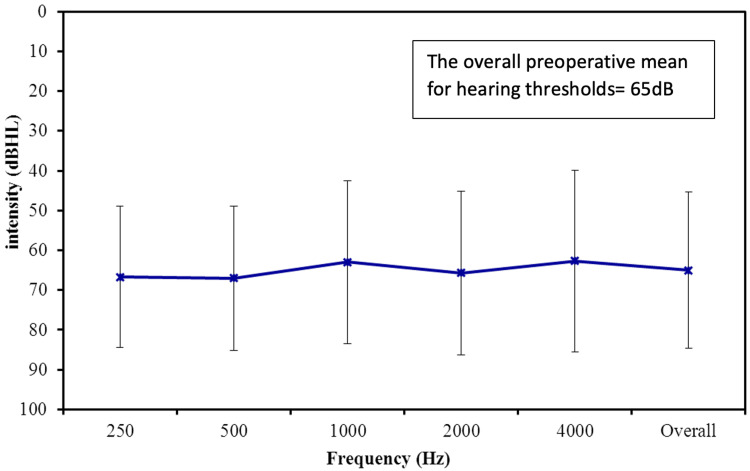
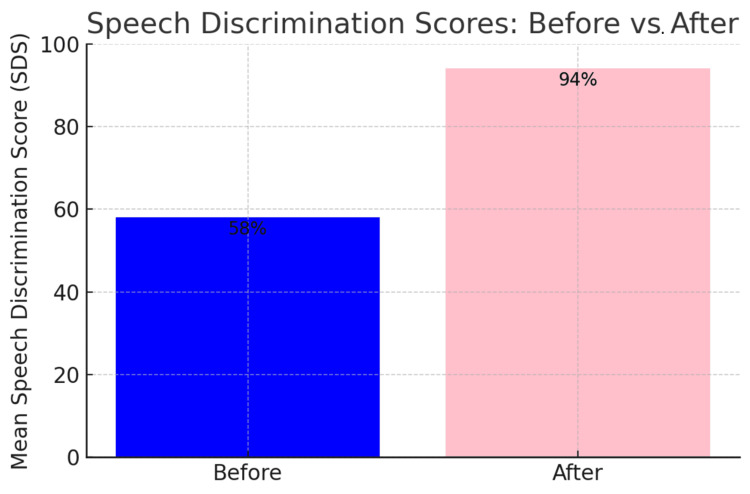
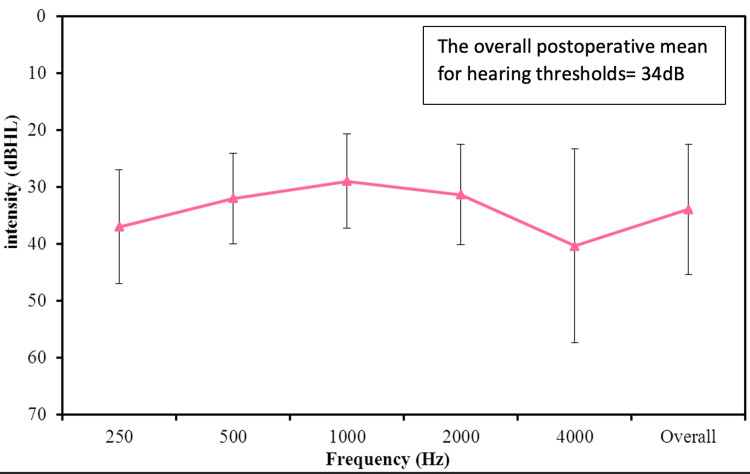
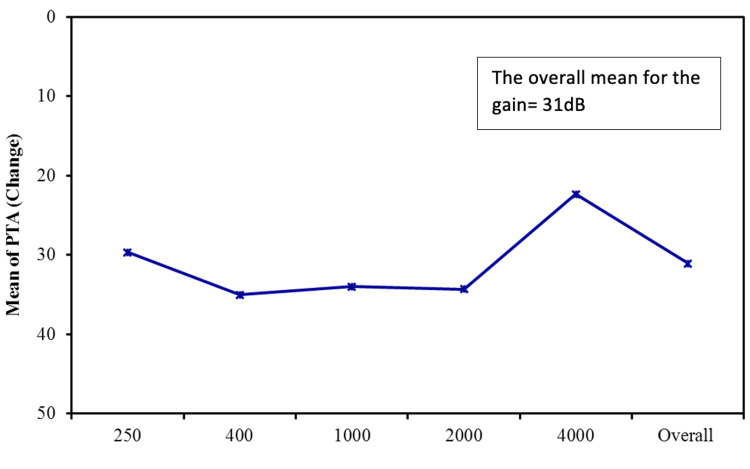
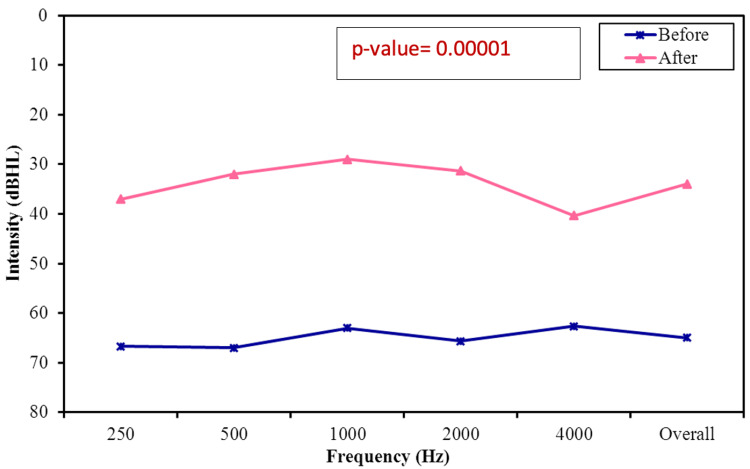
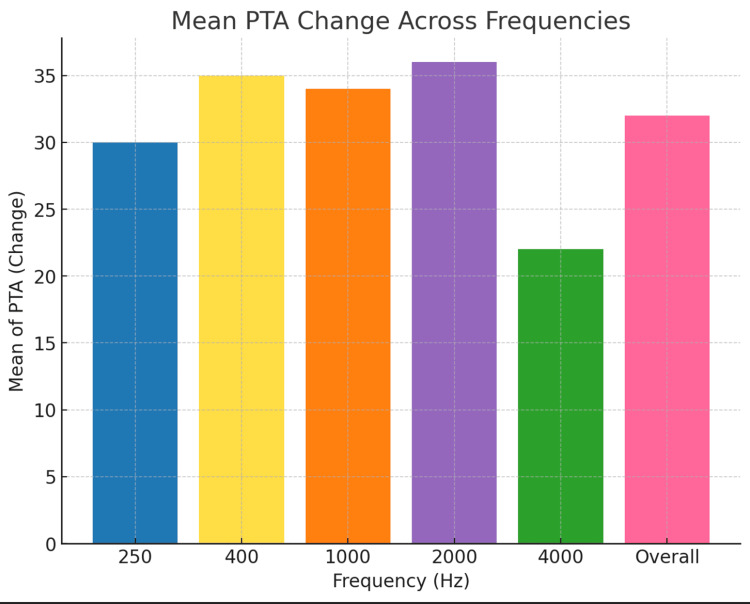
A total of 13 patients underwent the Cochlear Baha® Attract surgery. The most common cause of implantation was microtia and aural atresia. Seven patients had mixed hearing loss (MHL), four had conductive hearing loss (CHL), and two patients had single-sided sensorineural deafness (SSD). A statistically significant improvement in hearing and speech understanding was observed with the device compared to preoperative unaided hearing (p-value = 0.00001). The overall mean for the gain at frequencies 0.5 to 4 kilohertz (kHz) was 31 decibels (dB). On average, speech discrimination scores improved by 36% after surgery. Postoperative wound healing and skin condition remained stable, with no major soft tissue-related complications. A patient developed a skin reaction at the implant site and was treated conservatively. All patients were satisfied and maintained device usage.
The Cochlear Baha® Attract System, classified as a passive transcutaneous bone conduction hearing implant, provides excellent auditory outcomes in patients with conductive, mixed, or single-sided sensorineural hearing loss, with minimal soft tissue complications in both children and adults. More research is necessary to directly compare passive and active transcutaneous bone conduction devices.
可植入式骨传导听力装置可提供出色的听觉康复效果。经皮装置使用植入式磁体,由于传统经皮装置存在较高的皮肤并发症,其正越来越受欢迎。科利耳宝力声®吸引系统(澳大利亚悉尼科利耳公司)是一种经皮装置,被视为被动式经皮植入物。本研究涵盖儿童和成人,旨在评估科利耳宝力声®吸引系统植入后的听力学和言语结果以及术后并发症。
这是一项对2017年1月至2020年12月期间接受科利耳宝力声®吸引手术的患者进行的回顾性队列分析。评估了人口统计学数据、术前和术后听力阈值、言语辨别测试、助听阈值以及并发症。
共有13例患者接受了科利耳宝力声®吸引手术。植入的最常见原因是小耳畸形和外耳道闭锁。7例患者为混合性听力损失(MHL),4例为传导性听力损失(CHL),2例患者为单侧感音神经性耳聋(SSD)。与术前未使用助听设备时相比,使用该装置后听力和言语理解能力有统计学意义的显著改善(p值 = 0.00001)。0.5至4千赫兹(kHz)频率的增益总体平均值为31分贝(dB)。术后言语辨别分数平均提高了36%。术后伤口愈合和皮肤状况保持稳定,未出现与软组织相关的重大并发症。1例患者在植入部位出现皮肤反应,接受了保守治疗。所有患者均感到满意并继续使用该装置。
科利耳宝力声®吸引系统被归类为被动式经皮骨传导听力植入物,在传导性、混合性或单侧感音神经性听力损失患者中提供了出色的听觉效果,在儿童和成人中软组织并发症均极少。需要更多研究来直接比较被动式和主动式经皮骨传导装置。