Liu Wenbin, Zhang Mingchao, Tan Jingli, Liu Hao, Wang Lijun, Liao Jingyang, Huang Dan, Jie Wang, Jin Xiaobao
School of Basic Medical Sciences, Guangdong Pharmaceutical University, Guangzhou, People's Republic of China.
Guangdong Provincial Key Laboratory of Pharmaceutical Bioactive Substances, Guangdong Pharmaceutical University, Guangzhou, People's Republic of China.
J Inflamm Res. 2024 Dec 17;17:11111-11128. doi: 10.2147/JIR.S484987. eCollection 2024.
Hyperuricemia (HUA), a common metabolic disorder associated with gout, renal dysfunction, and systemic inflammation, necessitates safer and more comprehensive therapeutic approaches. Traditional Tibetan medicine has a rich history of treating HUA. This study aimed to identify novel anti-hyperuricemic herb derived from traditional Tibetan medicine.
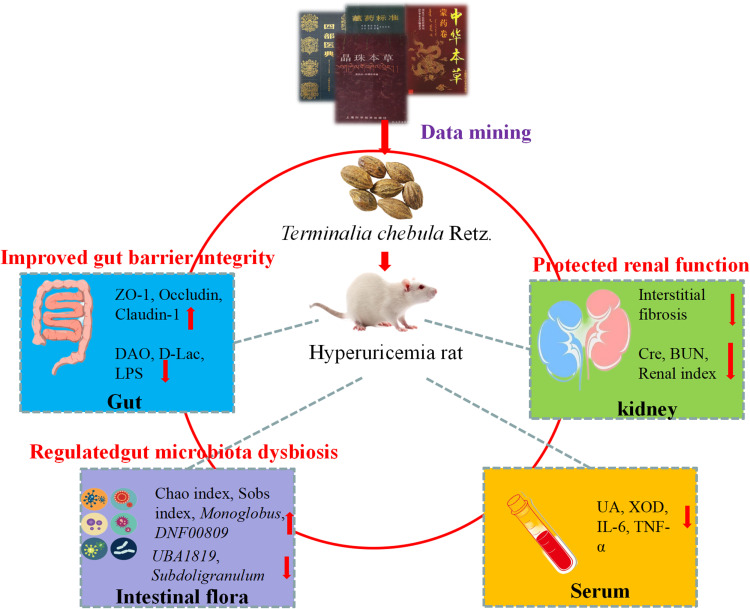
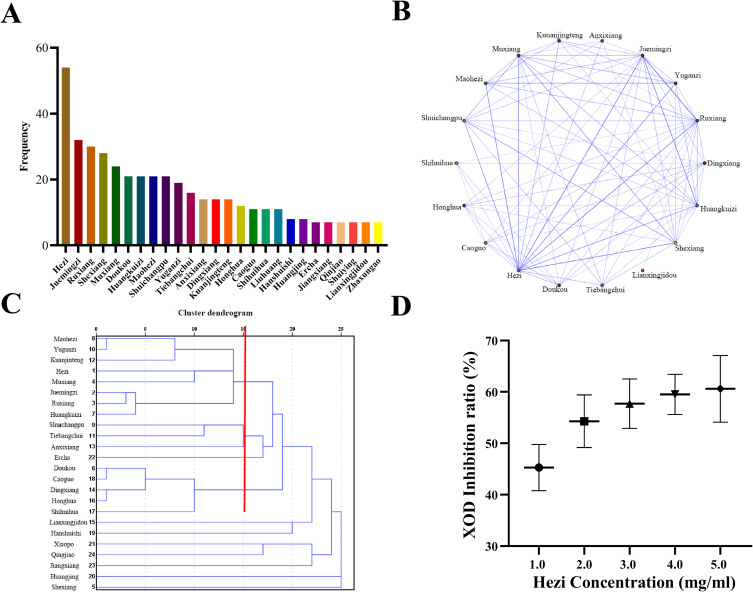
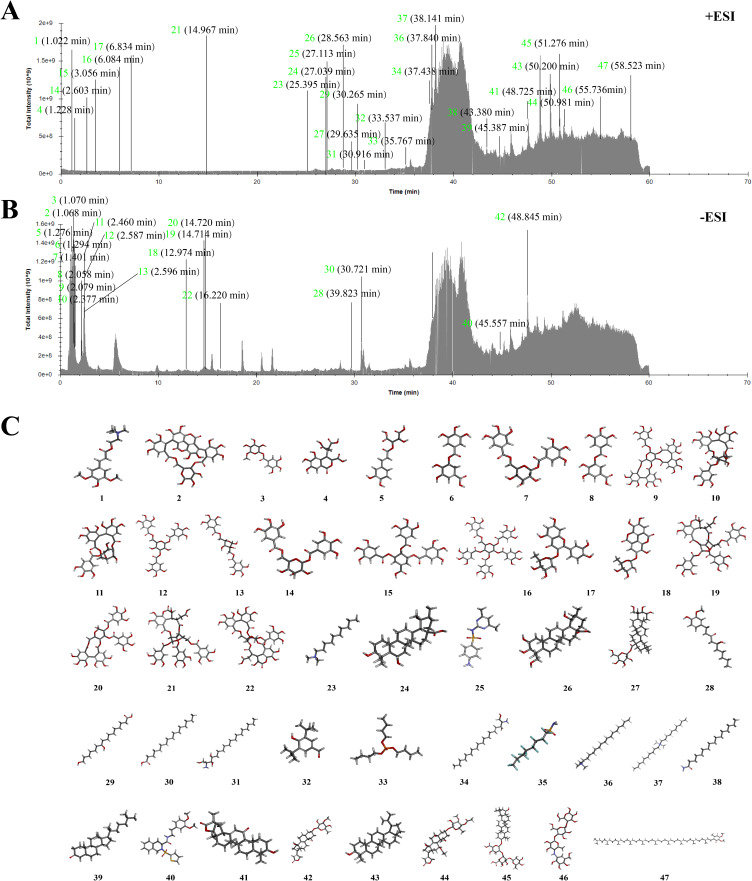
Traditional Tibetan medicine prescriptions for HUA were analyzed using data mining techniques, identifying as a high-frequency herb. Its phytochemical composition was characterized by UPLC-QE-Orbitrap-MS. Hyperuricemic rat models were treated with to assess its effects on serum uric acid (UA) levels, renal inflammation, intestinal barrier integrity, and gut microbiota composition. Molecular and histological analyses evaluated its impact on key biomarkers.
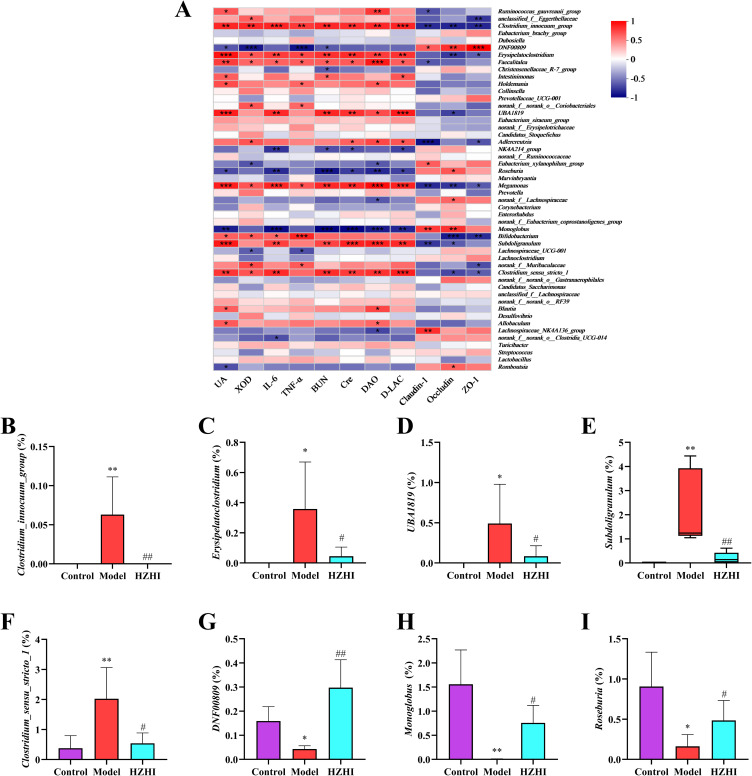
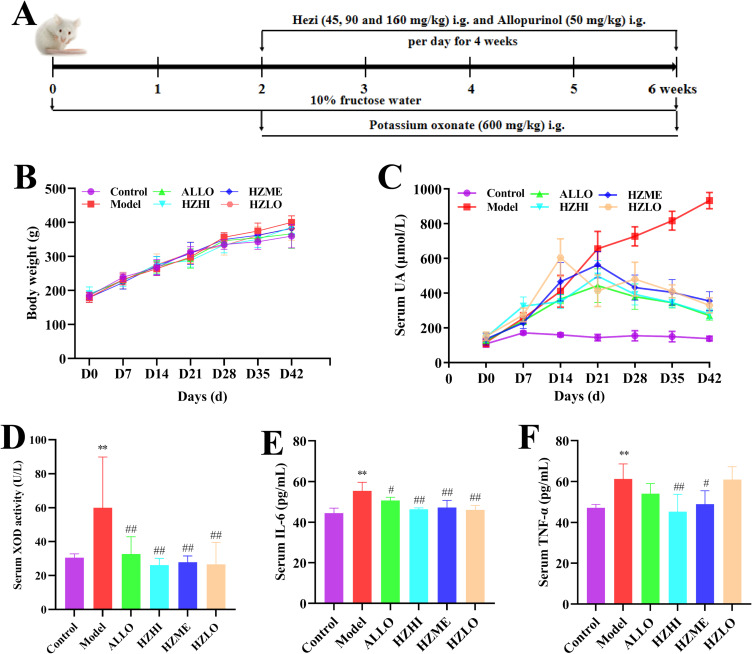
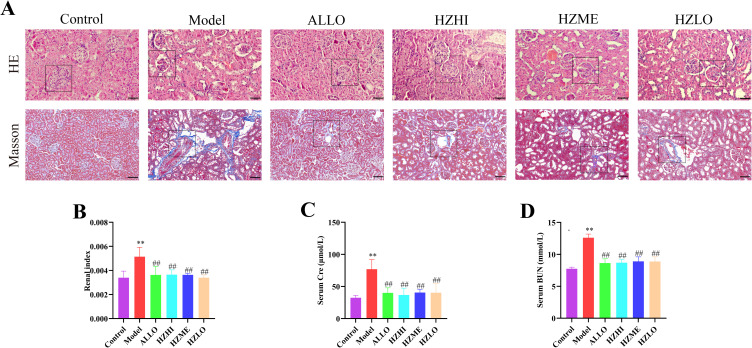
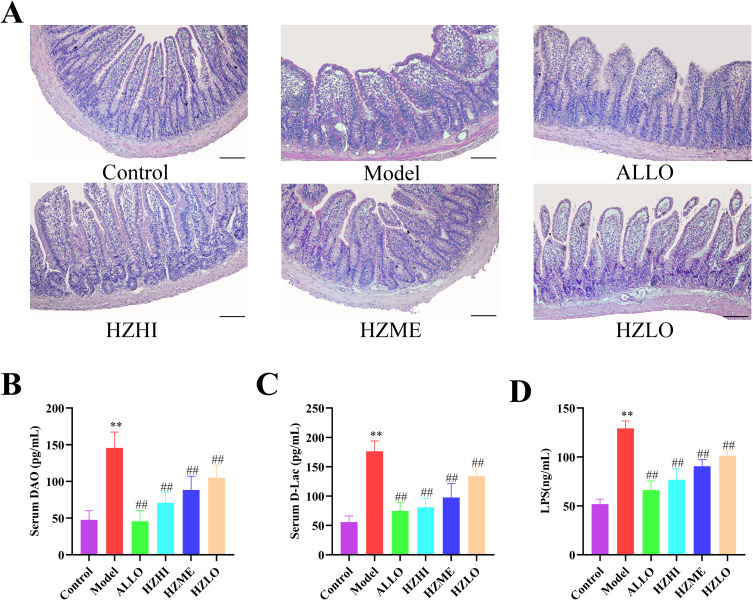
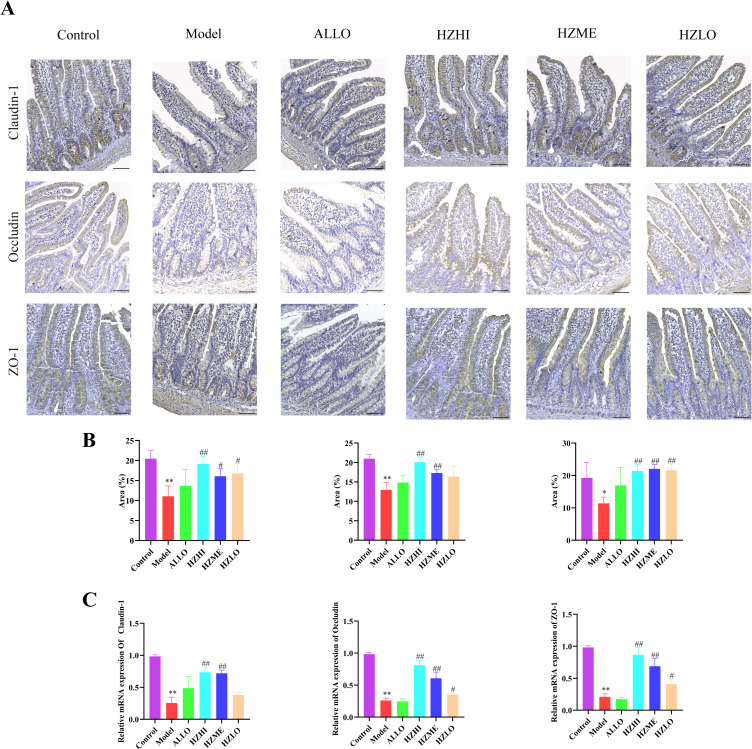
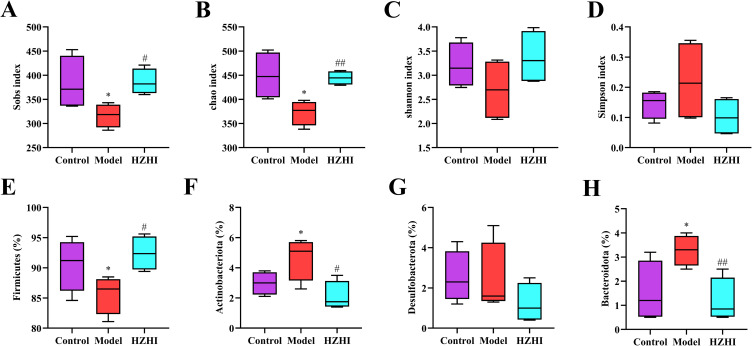
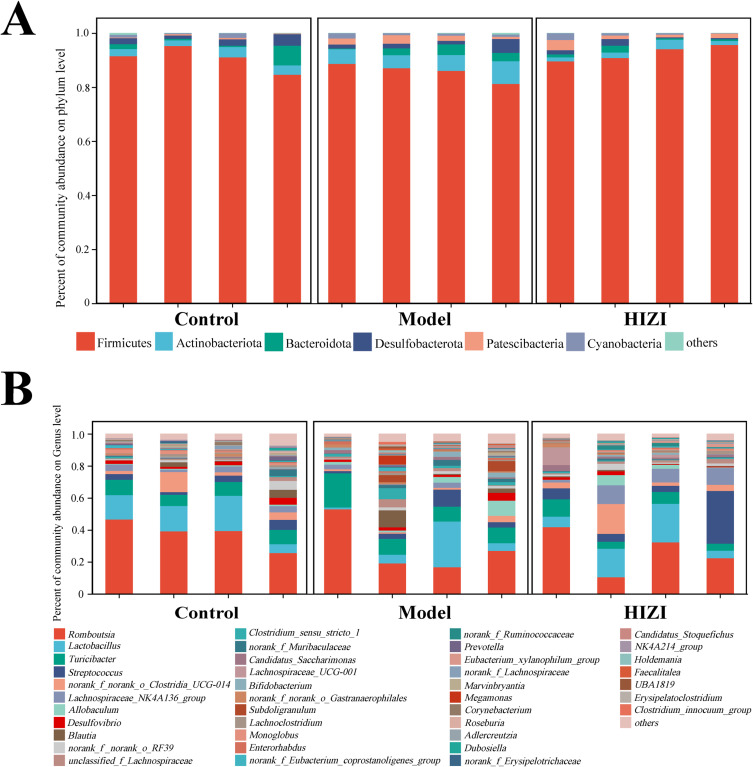
Through data mining, we identified as a promising candidate for HUA treatment. demonstrated dose-dependent inhibition of xanthine oxidase (XOD) in vitro and significantly reduced serum UA levels and XOD activity in vivo. It restored gut barrier function by upregulating tight junction proteins (ZO-1, Occludin, Claudin-1) and reduced pro-inflammatory cytokines (IL-6, TNF-α). improved renal function, reducing serum creatinine (Cre) and blood urea nitrogen (BUN) levels. Gut microbiota analysis revealed a favorable shift in microbial composition, with reductions in harmful bacteria (eg, spp.) and increases in beneficial bacteria (eg, ). These effects aligned with the modulation of the gut-kidney axis.
This study highlights the multi-target therapeutic potential of in HUA management. By regulating the gut-kidney axis, alleviates systemic inflammation, enhances intestinal and renal health, and addresses critical aspects of HUA pathology. These findings underscore the value of integrating traditional medicine with modern scientific methodologies to develop innovative treatments.
高尿酸血症(HUA)是一种与痛风、肾功能不全和全身炎症相关的常见代谢紊乱疾病,需要更安全、更全面的治疗方法。传统藏药在治疗高尿酸血症方面有着悠久的历史。本研究旨在从传统藏药中鉴定出新型抗高尿酸血症草药。
采用数据挖掘技术分析治疗高尿酸血症的传统藏药处方,确定一种高频草药。通过超高效液相色谱-四极杆-轨道阱质谱(UPLC-QE-Orbitrap-MS)对其植物化学成分进行表征。用该草药治疗高尿酸血症大鼠模型,以评估其对血清尿酸(UA)水平、肾脏炎症、肠道屏障完整性和肠道微生物群组成的影响。分子和组织学分析评估其对关键生物标志物的影响。
通过数据挖掘,我们确定该草药是治疗高尿酸血症的一个有前景的候选药物。该草药在体外表现出对黄嘌呤氧化酶(XOD)的剂量依赖性抑制作用,并在体内显著降低血清尿酸水平和XOD活性。它通过上调紧密连接蛋白(ZO-1、闭合蛋白、Claudin-1)恢复肠道屏障功能,并减少促炎细胞因子(IL-6、TNF-α)。该草药改善了肾功能,降低了血清肌酐(Cre)和血尿素氮(BUN)水平。肠道微生物群分析显示微生物组成发生了有利变化,有害细菌(如某些菌属)减少,有益细菌(如某些菌属)增加。这些作用与肠-肾轴的调节一致。
本研究突出了该草药在高尿酸血症管理中的多靶点治疗潜力。通过调节肠-肾轴,该草药减轻全身炎症,增强肠道和肾脏健康,并解决高尿酸血症病理的关键方面。这些发现强调了将传统医学与现代科学方法相结合以开发创新治疗方法的价值。