Harikrishnan T, Jeganathan K, Redkar Shweta, Umamaheswari G, Pattanaik Balachandra, Loganathan K
Department of Mathematics, Guru Nanak College (Autonomous), Chennai, India.
Ramanujan Institute for Advanced Study in Mathematics, University of Madras, Chennai, India.
Sci Rep. 2024 Dec 23;14(1):30588. doi: 10.1038/s41598-024-81593-7.
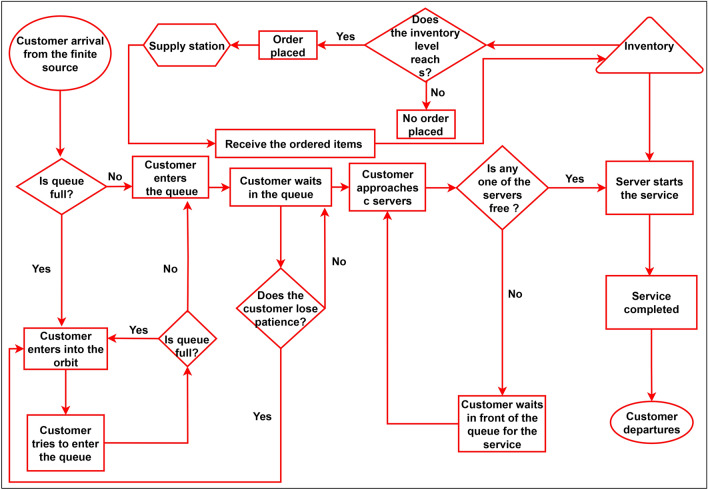
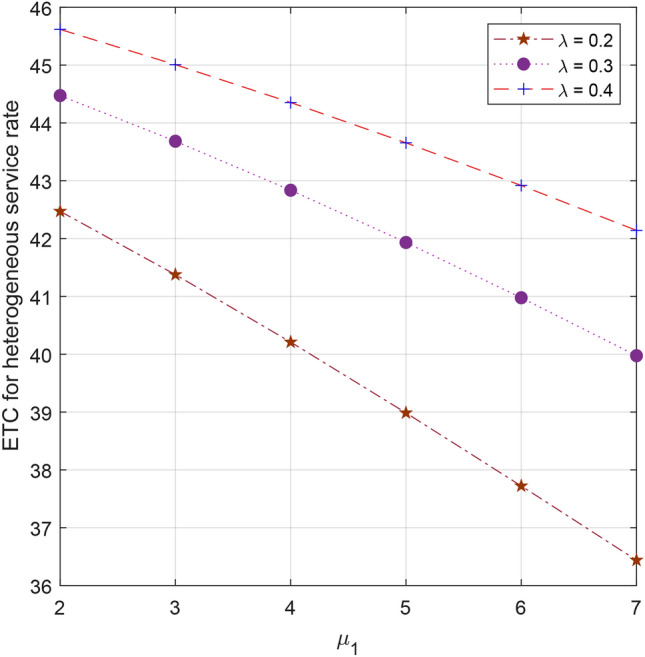
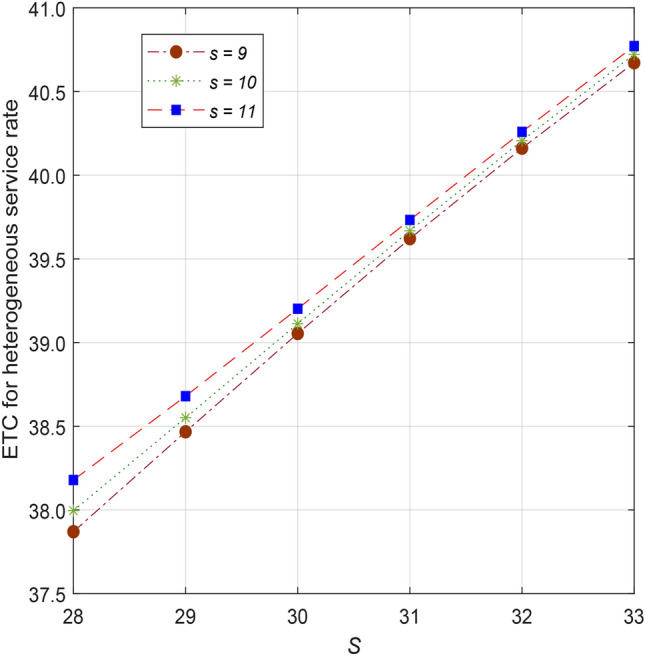
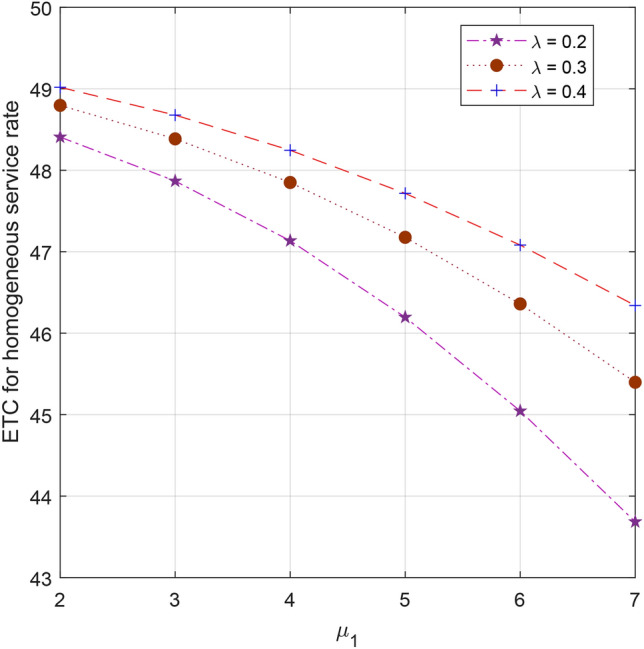
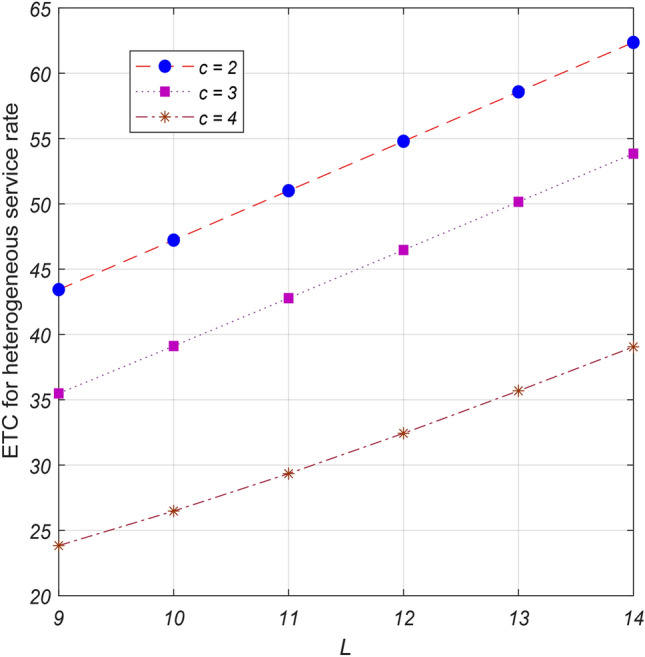
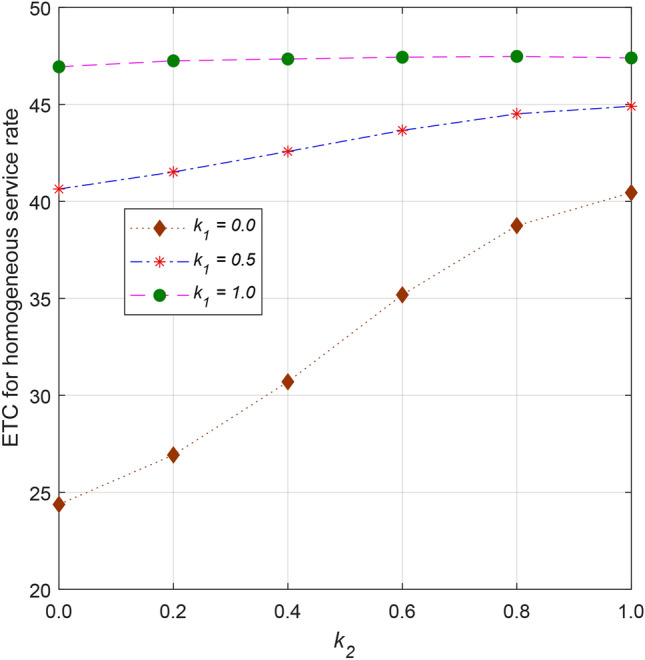
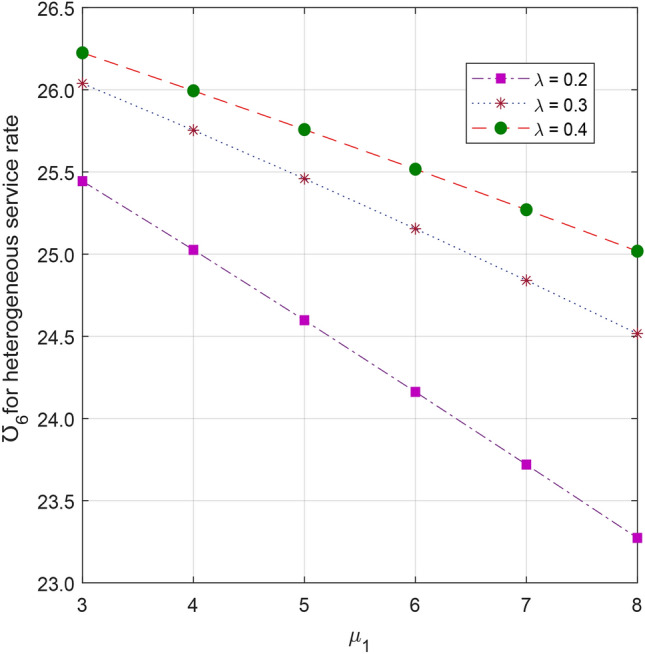
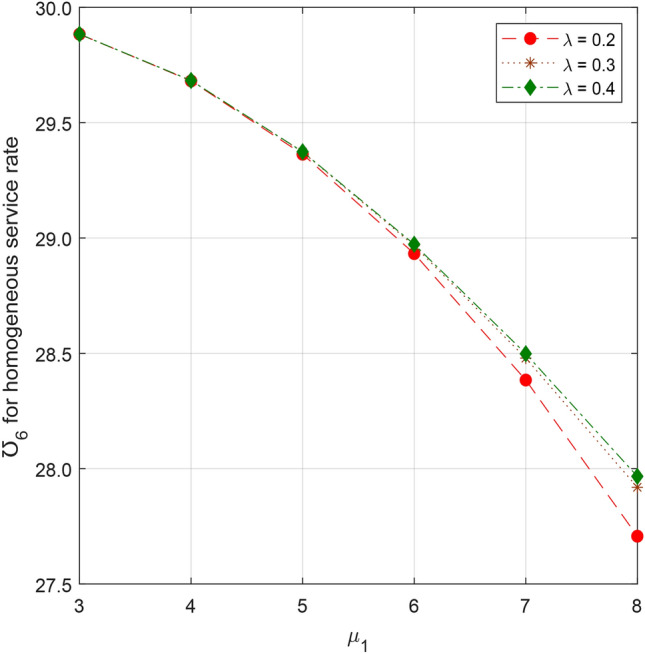
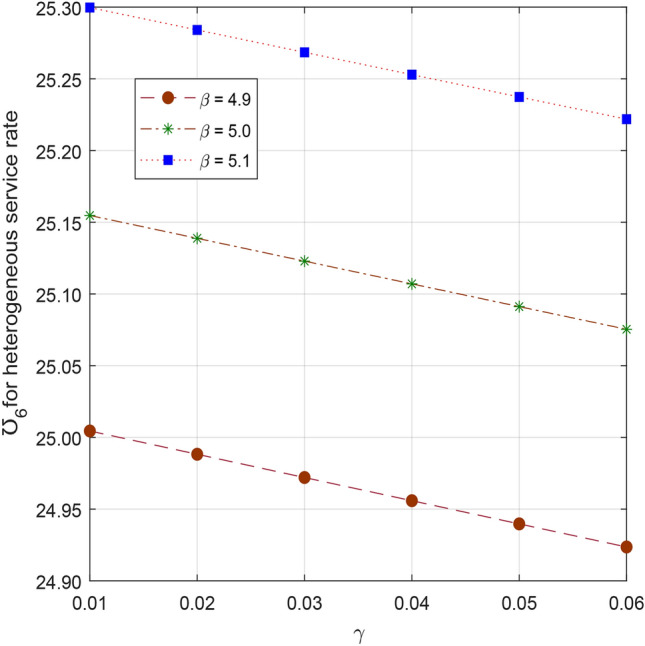
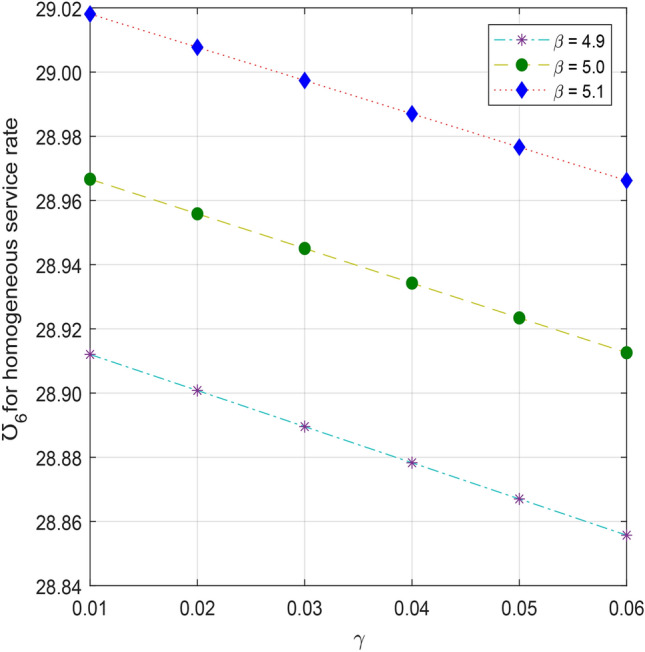
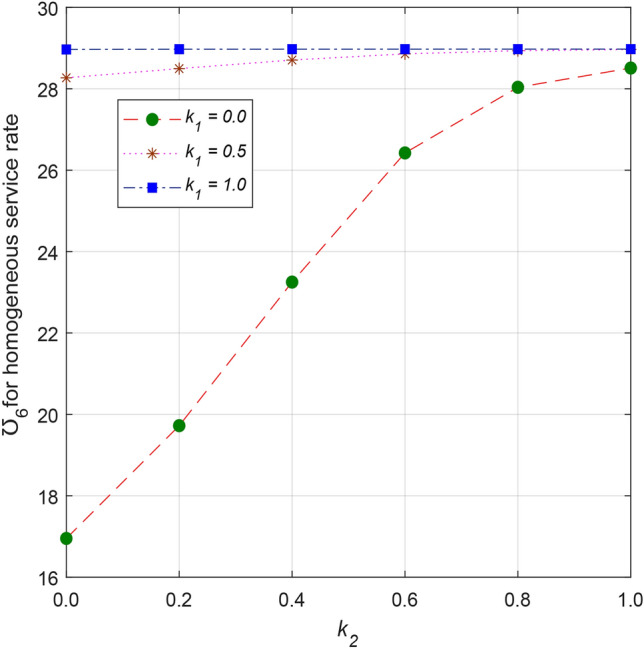
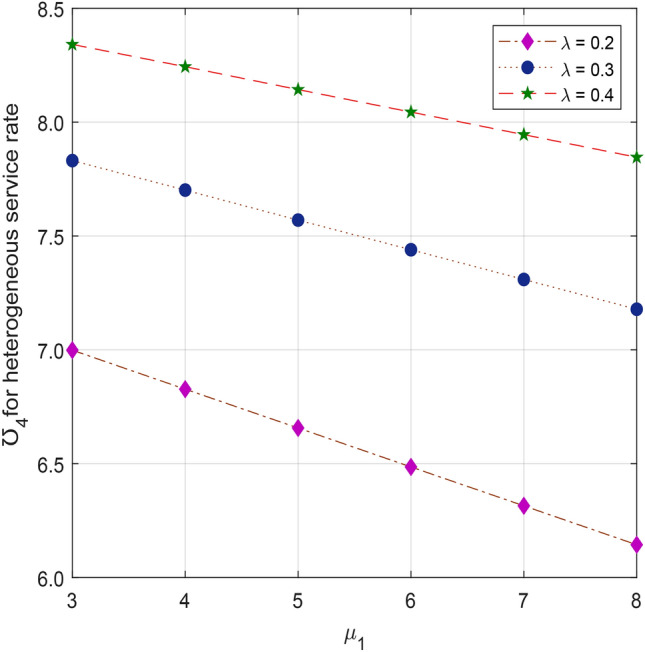
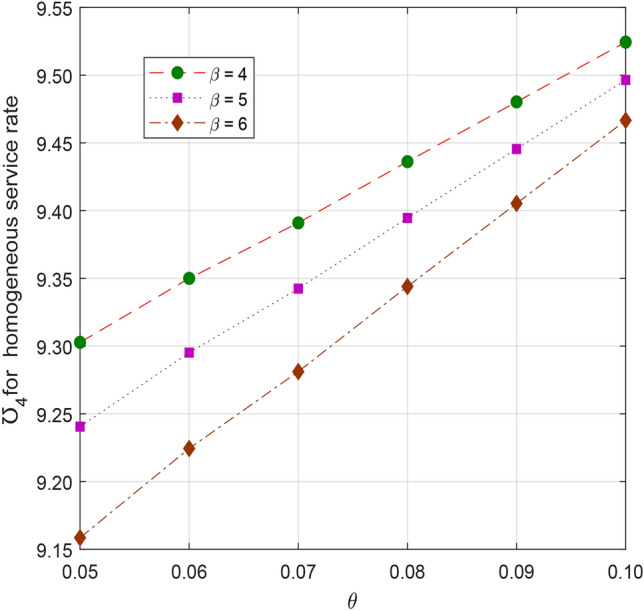
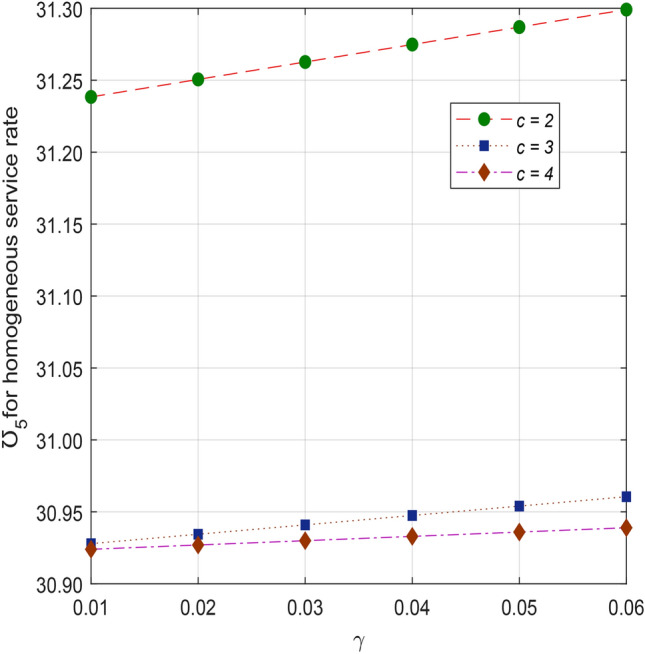
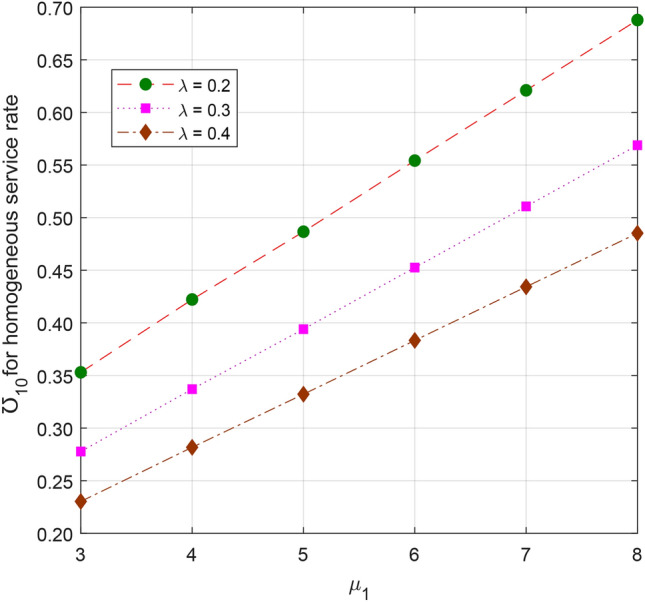
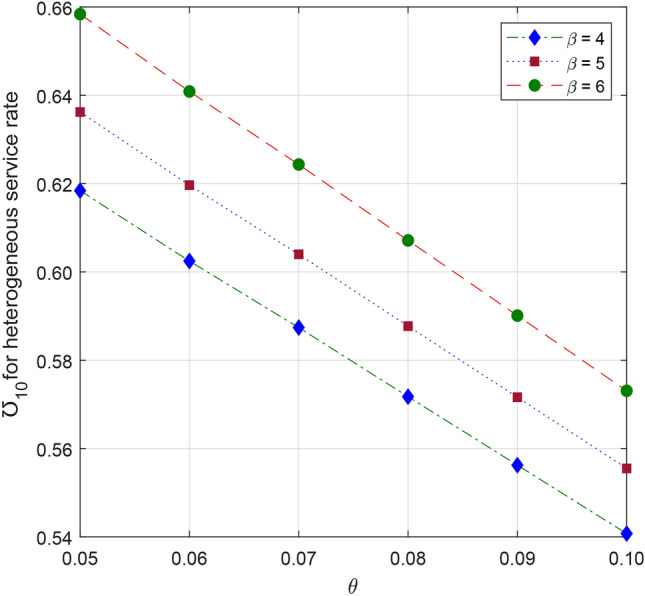
This article discusses a finite-source stock-dependent stochastic inventory system with multiple servers and a retrial facility. The system can store a maximum of S items, and the lifetime of each item is exponentially distributed. The primary customer arrives at the waiting hall from the finite source and receives service from multi-servers. The rate at which customers arrive depends on the current stock level. If the waiting hall is full during the primary customer's arrival, he enters the finite orbit. Additionally, customers in the waiting hall may lose patience and enter the orbit. To replenish the stock, we follow the (s, Q) ordering policy. We calculate the joint probability distribution of the number of inventory items, busy servers, and number of customers in the waiting hall and orbit at a steady state. We conduct a comparative numerical analysis to determine the impact of heterogeneous and homogeneous service rates on various metrics, such as the average impatient customer rate, the fraction of successful retrials, and the average number of customers in the waiting hall and orbit.
本文讨论了一个具有多个服务器和重试机制的有限源库存相关随机库存系统。该系统最多可存储S个物品,且每个物品的寿命呈指数分布。主要客户从有限源到达等候厅,并由多个服务器提供服务。客户到达的速率取决于当前库存水平。如果主要客户到达时等候厅已满,他将进入有限轨道。此外,等候厅中的客户可能会失去耐心并进入轨道。为了补充库存,我们采用(s,Q)订货策略。我们计算了稳态下库存物品数量、忙碌服务器数量以及等候厅和轨道中客户数量的联合概率分布。我们进行了比较数值分析,以确定异构和同构服务速率对各种指标的影响,如平均不耐烦客户速率、成功重试的比例以及等候厅和轨道中的平均客户数量。