Simon Timothy B, Sierra Julio, Williams Arianna, Wright Giara, Rhee Allison, Horn Julius, Lou John, Sharafeddin Fransua, Ontiveros-Ángel Perla, Figueroa Johnny D
Center for Health Disparities and Molecular Medicine, Department of Basic Sciences, Loma Linda University Health School of Medicine, Loma Linda, CA, United States.
Loma Linda University School of Behavioral Health, Loma Linda, CA, United States.
Front Behav Neurosci. 2024 Dec 12;18:1519558. doi: 10.3389/fnbeh.2024.1519558. eCollection 2024.
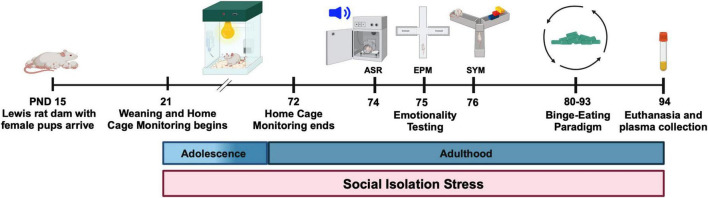
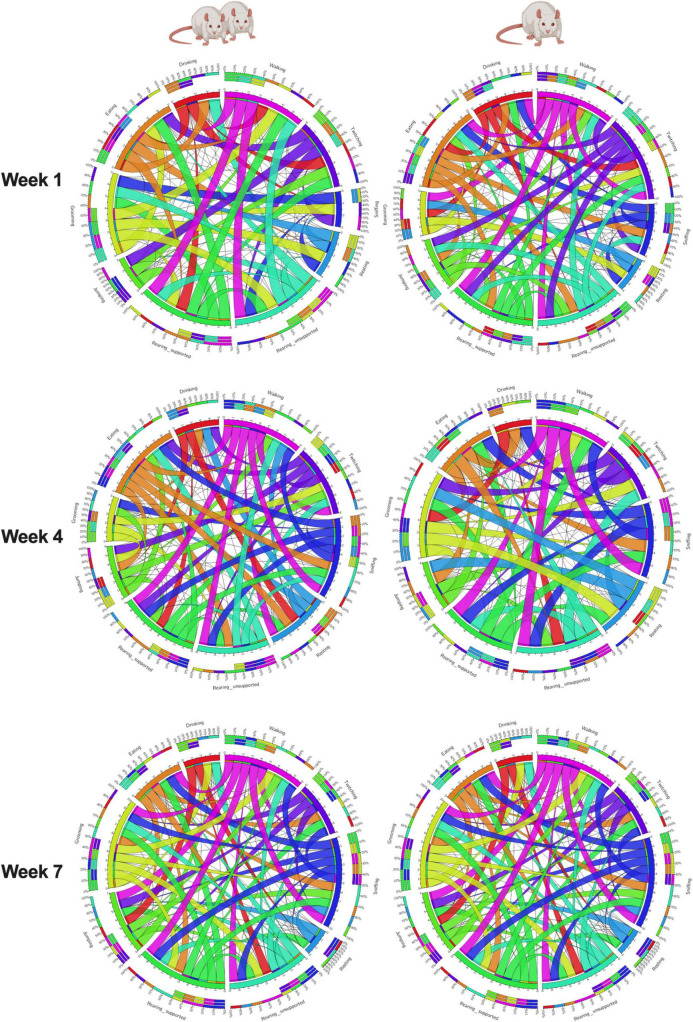
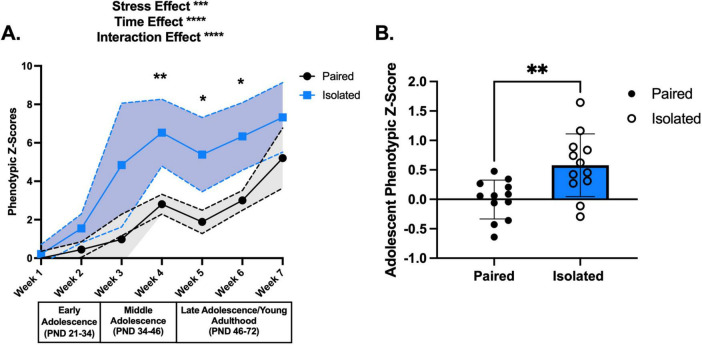
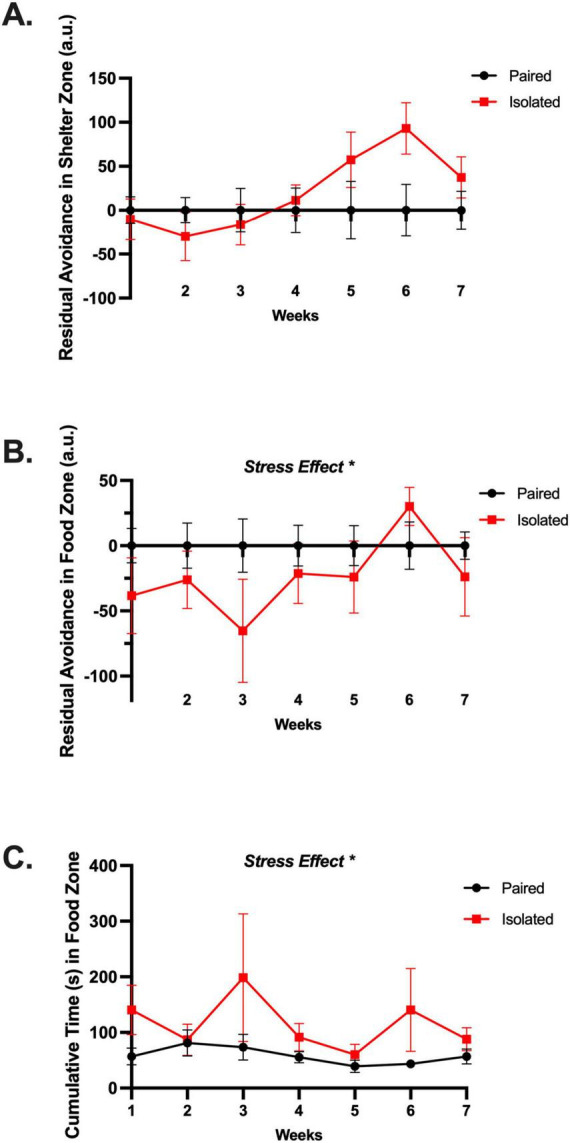
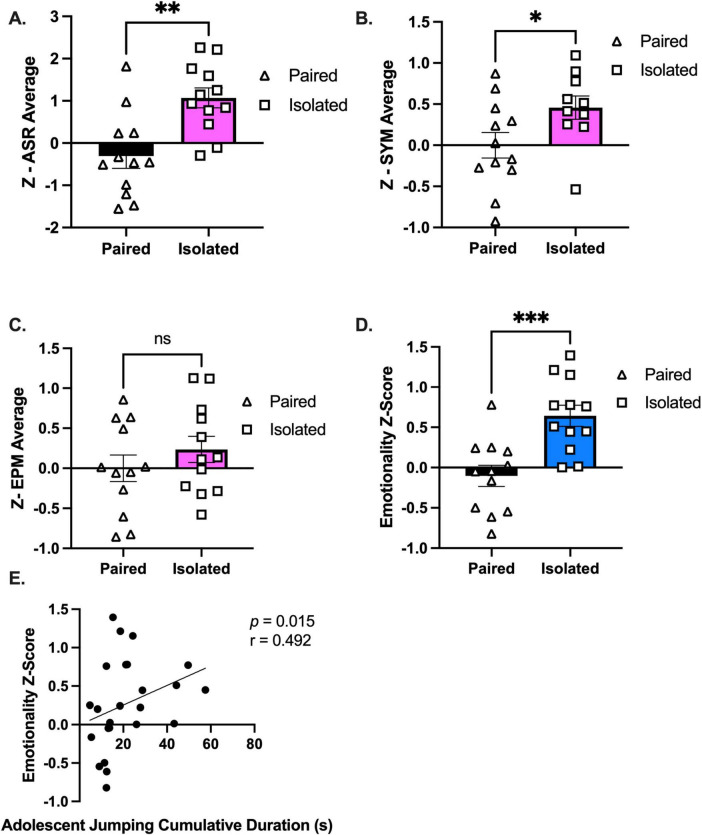
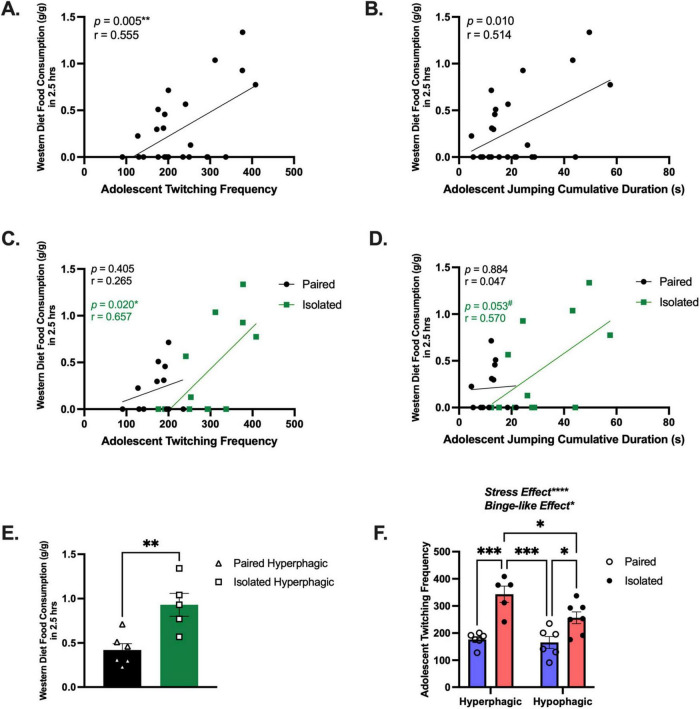
Binge eating (BE) is a highly pervasive maladaptive coping strategy in response to severe early life stress such as emotional and social neglect. BE is described as repeated episodes of uncontrolled eating and is tightly linked with comorbid mental health concerns. Despite social stressors occurring at a young age, the onset of BE typically does not occur until adulthood providing an interval for potential therapeutic intervention. Currently, our knowledge of longitudinal noninvasive digital biomarkers predictive of BE needs further development. Monitoring longitudinal impacts of adolescent social isolation stress on naturalistic behaviors in rats will enable the identification of noninvasive digital markers of disease progression to predict adult eating strategies. Recognizing adolescent naturalistic behaviors shaped by social stress informs our understanding of the underlying neurocircuits most effected. This study aimed to monitor and identify longitudinal behavioral shifts to enhance predictive capabilities in a rat model of social isolation stress-induced BE. We placed Paired ( = 12) and Socially Isolated (SI, = 12) female rats in observational home cages weekly for seven weeks to evaluate the effect of SI on 10 naturalistic behaviors. All 10 naturalistic behaviors were simultaneously detected and tracked using Noldus Ethovision XT automated recognition software. Composite phenotypic z-scores were calculated by standardizing all 10 behaviors. When transitioning into adulthood, all rats underwent conventional emotionality testing and were exposed to a Western-like high fat diet (WD, 43% kcal from fat) to evaluate BE. Longitudinal assessments revealed SI-induced shifts in adolescent phenotypic z-scores and that sniffing, unsupported rearing, jumping, and twitching were the most susceptible to SI. SI increased emotionality compared to the Paired controls. Finally, we identified adolescent twitching as a digital biomarker of adult WD consumption. Our findings suggest that home cage monitoring can detect disrupted naturalistic behaviors associated with maladaptive coping.
暴饮暴食(BE)是一种高度普遍的适应不良应对策略,用于应对早期生活中的严重压力,如情感和社会忽视。暴饮暴食被描述为反复出现的无节制进食发作,并且与共病心理健康问题紧密相关。尽管社会压力源在年轻时就会出现,但暴饮暴食通常直到成年期才会发作,这为潜在的治疗干预提供了一个时间间隔。目前,我们对预测暴饮暴食的纵向非侵入性数字生物标志物的了解需要进一步发展。监测青少年社会隔离应激对大鼠自然行为的纵向影响,将有助于识别疾病进展的非侵入性数字标志物,以预测成年后的饮食策略。认识到受社会压力影响的青少年自然行为,有助于我们理解受影响最严重的潜在神经回路。本研究旨在监测和识别纵向行为变化,以提高在社会隔离应激诱导的暴饮暴食大鼠模型中的预测能力。我们将配对组(n = 12)和社会隔离组(SI,n = 12)的雌性大鼠每周放置在观察性饲养笼中七周,以评估社会隔离对10种自然行为的影响。使用Noldus Ethovision XT自动识别软件同时检测和跟踪所有10种自然行为。通过对所有10种行为进行标准化计算复合表型z分数。当进入成年期时,所有大鼠都接受了传统的情绪测试,并暴露于西式高脂肪饮食(WD,43%千卡来自脂肪)中,以评估暴饮暴食情况。纵向评估显示,社会隔离诱导了青少年表型z分数的变化,并且嗅探、无支撑站立、跳跃和抽搐最易受社会隔离影响。与配对对照组相比,社会隔离增加了情绪反应。最后,我们确定青少年抽搐是成年期食用西式高脂肪饮食的数字生物标志物。我们的研究结果表明,饲养笼监测可以检测到与适应不良应对相关的自然行为紊乱。