Zedde Marialuisa, Pascarella Rosario
Neurology Unit, Stroke Unit, Azienda Unità Sanitaria Locale-IRCCS di Reggio Emilia, Viale Risorgimento 80, 42123 Reggio Emilia, Italy.
Neuroradiology Unit, Azienda Unità Sanitaria Locale-IRCCS di Reggio Emilia, Viale Risorgimento 80, 42123 Reggio Emilia, Italy.
Diseases. 2024 Dec 12;12(12):327. doi: 10.3390/diseases12120327.
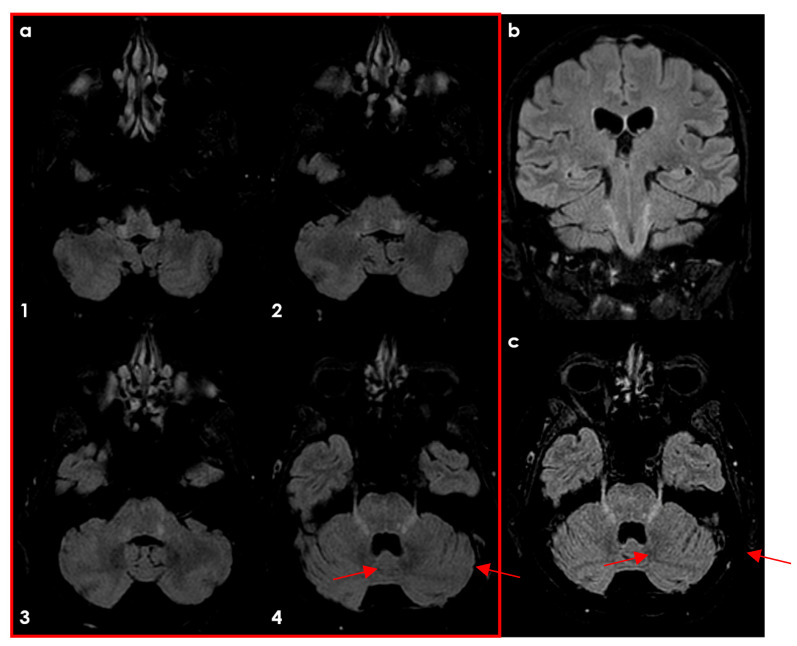
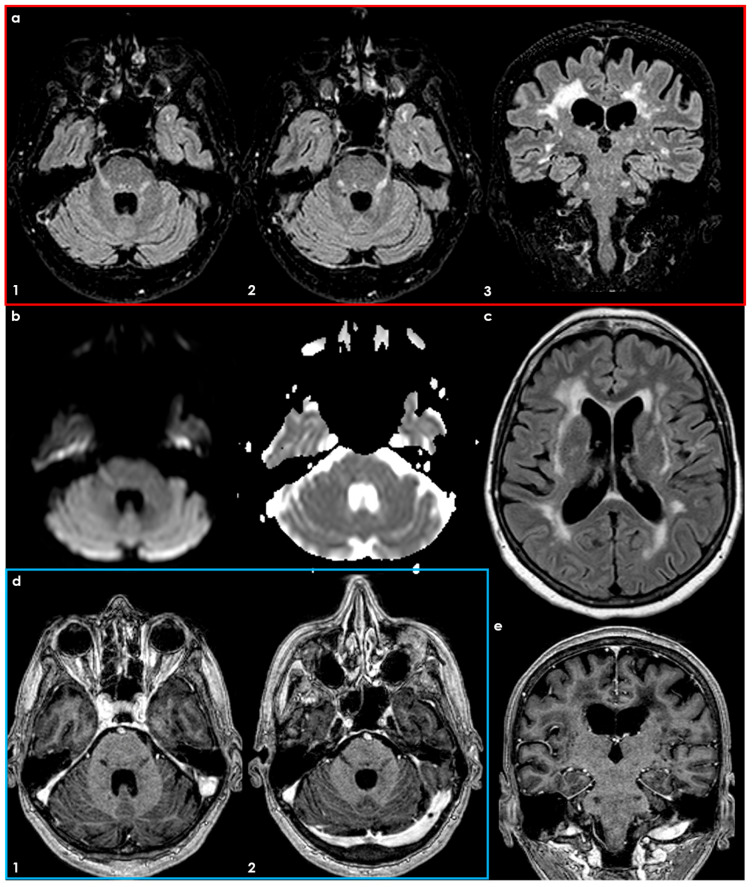
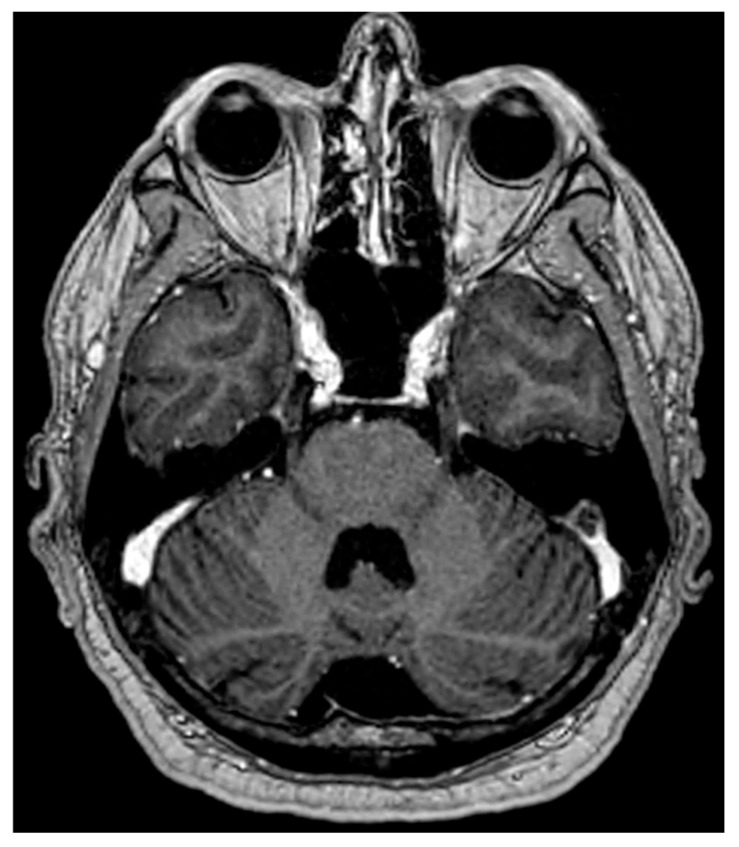
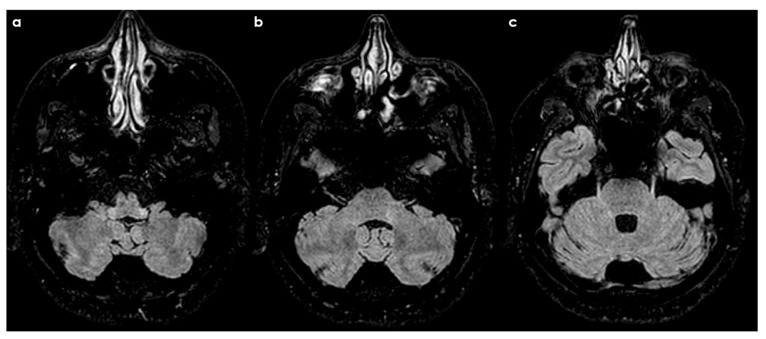
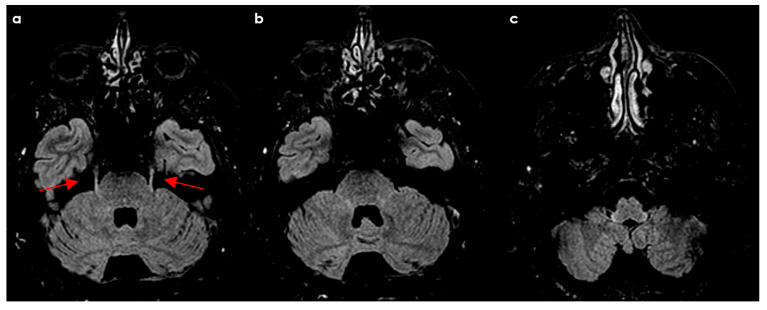
The so-called trigeminal pontine sign has been described as a marker of different diseases, from multiple sclerosis to herpetic infections. First, it has been proposed as linear hyperintensity in the pons on the Magnetic Resonance Imaging (MRI) of patients with multiple sclerosis and trigeminal neuralgia. After these descriptions, it has been reported as incidental findings in the same patients and in patients with HSV or VZV infections. In addition, patients with neuromyelitis optica spectrum disorders (NMOSD) have been more rarely described with this neuroradiological sign. In this review, the main anatomical and neuroradiological issues underlying the trigeminal pontine sign are described, together with the limitations of the published studies from the clinical and neuroimaging point of view. Finally, the association with different diseases is detailed.
所谓的三叉神经脑桥征已被描述为多种疾病的标志物,从多发性硬化症到疱疹感染。首先,它被认为是多发性硬化症和三叉神经痛患者磁共振成像(MRI)上脑桥的线性高信号。在这些描述之后,它在同一患者以及单纯疱疹病毒(HSV)或水痘-带状疱疹病毒(VZV)感染患者中被报告为偶然发现。此外,视神经脊髓炎谱系障碍(NMOSD)患者出现这种神经放射学征象的情况则较少被描述。在这篇综述中,描述了三叉神经脑桥征背后的主要解剖学和神经放射学问题,以及从临床和神经影像学角度来看已发表研究的局限性。最后,详细阐述了其与不同疾病的关联。