Fonseca Bruna Raquel, Silva Maura Filipa, Ferreira Rogério Ferrinho, de Sá Sofia Cabecinhas, Mestre Teresa Dionísio, Catarino Marta Sofia
School of Health Sciences, Polytechnic Institute of Beja, 7800-111 Beja, Portugal.
Santa Maria Local Health Unit, Public Business Entity, 1649-035 Lisboa, Portugal.
Nurs Rep. 2024 Dec 7;14(4):3895-3906. doi: 10.3390/nursrep14040284.
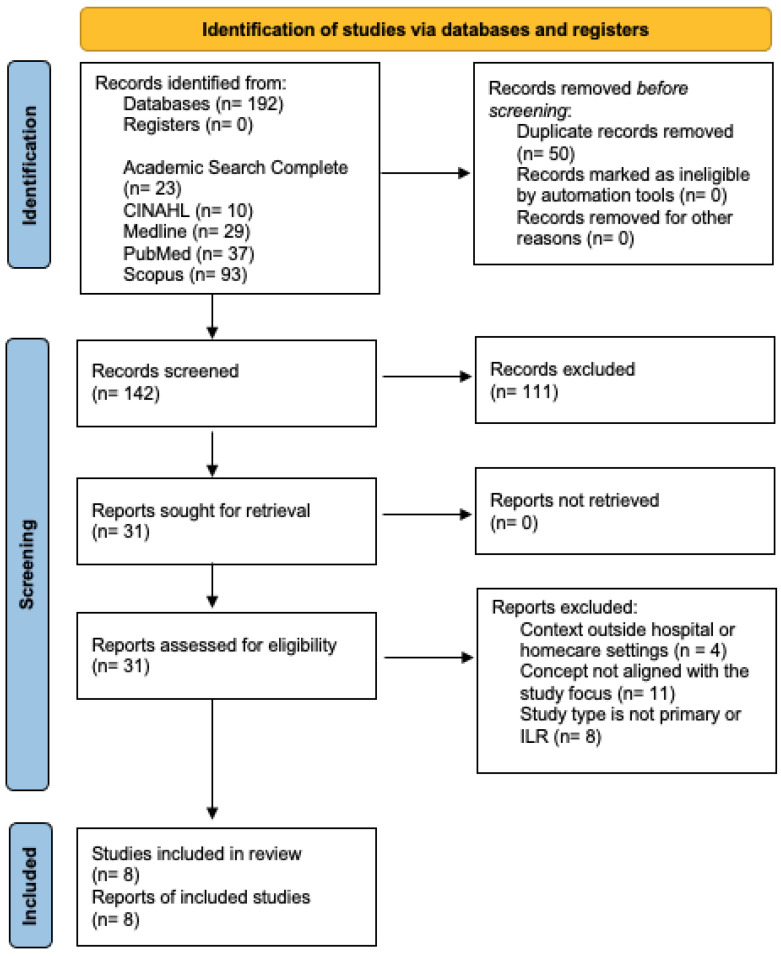
(1) Background: Urinary tract infections (UTIs) are caused by the proliferation of pathogenic microorganisms, and they are the second most common hospital-acquired infections, with catheter-associated UTIs (CAUTIs) accounting for about 40% of these nosocomial infections. This review aims to identify the impact of technology on preventing infections in patients with urinary catheters; (2) Methods: The search was conducted in April 2024 through the EBSCOhost platform, with access to the American Search Complete, CINHAL Ultimate, Medline databases, and through the Scopus database; (3) Results: In total were included eight articles in this review. Technology interventions can significantly reduce the incidence of CAUTIs, decrease the duration of catheter use, improve diagnosis, and enhance patient safety; (4) Conclusions: Technological advancements show significant benefits in reducing infection rates and improving patient outcomes, like shorter hospital stays and comfort. Multidisciplinary approaches and educational strategies are essential to maximize these benefits.
(1) 背景:尿路感染(UTIs)由致病微生物增殖引起,是第二常见的医院获得性感染,其中导尿管相关尿路感染(CAUTIs)约占这些医院感染的40%。本综述旨在确定技术对预防导尿患者感染的影响;(2) 方法:2024年4月通过EBSCOhost平台进行检索,可访问美国搜索完整版、CINHAL终极版、Medline数据库以及通过Scopus数据库进行检索;(3) 结果:本综述共纳入8篇文章。技术干预可显著降低CAUTIs的发生率,缩短导尿管使用时间,改善诊断,并提高患者安全性;(4) 结论:技术进步在降低感染率和改善患者预后方面显示出显著益处,如缩短住院时间和提高舒适度。多学科方法和教育策略对于最大化这些益处至关重要。