Borkum Jonathan M
Department of Psychology, University of Maine, 301 Williams Hall, Orono, ME 04469-5742, USA.
Neurol Int. 2024 Dec 4;16(6):1691-1716. doi: 10.3390/neurolint16060123.
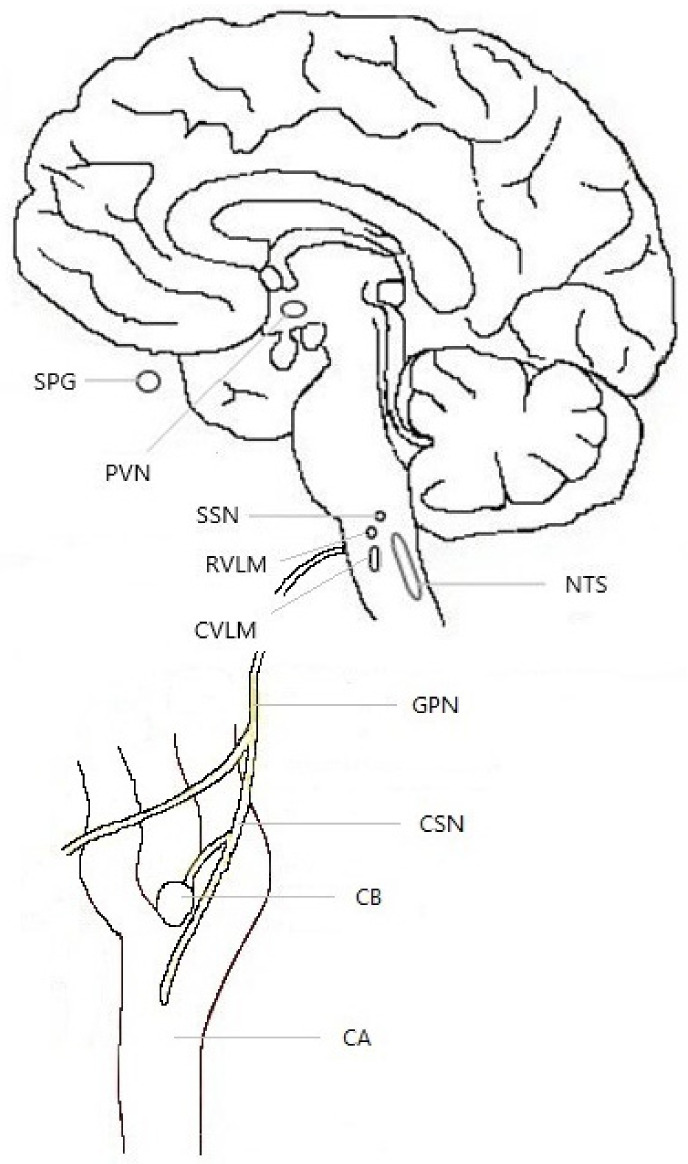
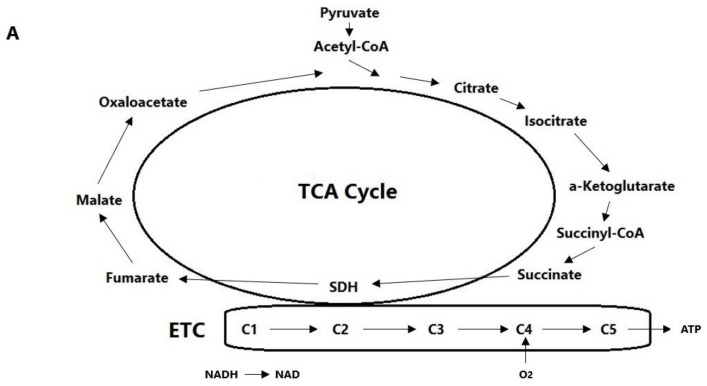
Cluster headache is a severe, poorly understood disorder for which there are as yet virtually no rationally derived treatments. Here, Lee Kudrow's 1983 theory, that cluster headache is an overly zealous response to hypoxia, is updated according to current understandings of hypoxia detection, signaling, and sensitization. It is shown that the distinctive clinical characteristics of cluster headache (circadian timing of attacks and circannual patterning of bouts, autonomic symptoms, and agitation), risk factors (cigarette smoking; male gender), triggers (alcohol; nitroglycerin), genetic findings (GWAS studies), anatomical substrate (paraventricular nucleus of the hypothalamus, solitary tract nucleus/NTS, and trigeminal nucleus caudalis), neurochemical features (elevated levels of galectin-3, nitric oxide, tyramine, and tryptamine), and responsiveness to treatments (verapamil, lithium, melatonin, prednisone, oxygen, and histamine desensitization) can all be understood in terms of hypoxic signaling. Novel treatment directions are hypothesized, including repurposing pharmacological antagonists of hypoxic signaling molecules (HIF-2; P2X3) for cluster headache, breath training, physical exercise, high-dose thiamine, carnosine, and the flavonoid kaempferol. The limits of current knowledge are described, and a program of basic and translational research is proposed.
丛集性头痛是一种严重且尚未被充分理解的疾病,目前几乎没有合理推导出来的治疗方法。在此,根据目前对缺氧检测、信号传导和致敏作用的理解,对李·库德洛1983年提出的丛集性头痛是对缺氧的过度反应这一理论进行了更新。研究表明,丛集性头痛的独特临床特征(发作的昼夜节律和发作的年度模式、自主神经症状和躁动)、危险因素(吸烟;男性)、触发因素(酒精;硝酸甘油)、遗传学发现(全基因组关联研究)、解剖学基础(下丘脑室旁核、孤束核/NTS和三叉神经尾侧核)、神经化学特征(半乳糖凝集素-3、一氧化氮、酪胺和色胺水平升高)以及对治疗的反应性(维拉帕米、锂、褪黑素、泼尼松、氧气和组胺脱敏)都可以从缺氧信号传导的角度来理解。推测了新的治疗方向,包括将缺氧信号分子(HIF-2;P2X3)的药理学拮抗剂重新用于丛集性头痛的治疗、呼吸训练、体育锻炼、高剂量硫胺素、肌肽和黄酮类化合物山奈酚。描述了当前知识的局限性,并提出了一项基础研究和转化研究计划。