Schmitt Alexander Pascal-Laurent, Liebau Kira-Henriette, Hamm Alexander, Mittelmeier Wolfram, Schulze Christoph
Orthopädische Klinik und Poliklinik, Universitätsmedizin Rostock, Doberaner Str. 142, 18057, Rostock, Deutschland.
Bundeswehr Facharztzentrum Hohe Düne, Hohe Düne 30, 18119, Rostock, Deutschland.
Orthopadie (Heidelb). 2025 Jan;54(1):61-70. doi: 10.1007/s00132-024-04589-1. Epub 2024 Dec 27.
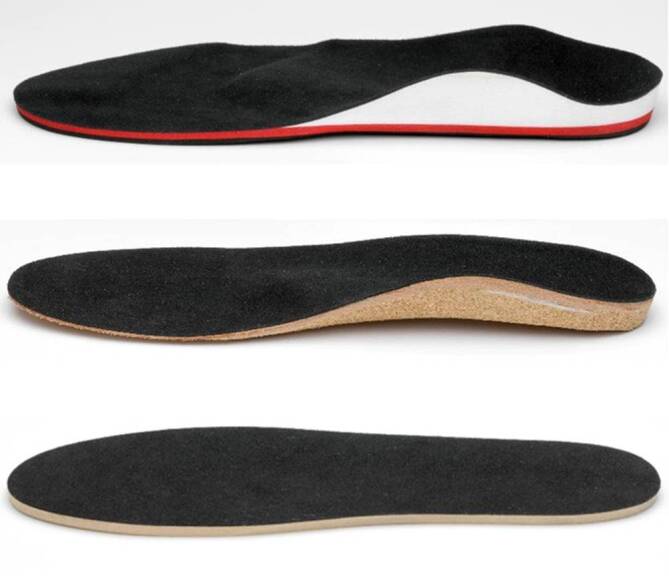
In adults, flexible symptomatic flat foot is treated conservatively with supportive foot orthoses. Sensorimotor foot orthoses, however, are controversial due to insufficient data.
Comparison of the effectiveness of sensorimotor and supportive foot orthoses in adults.
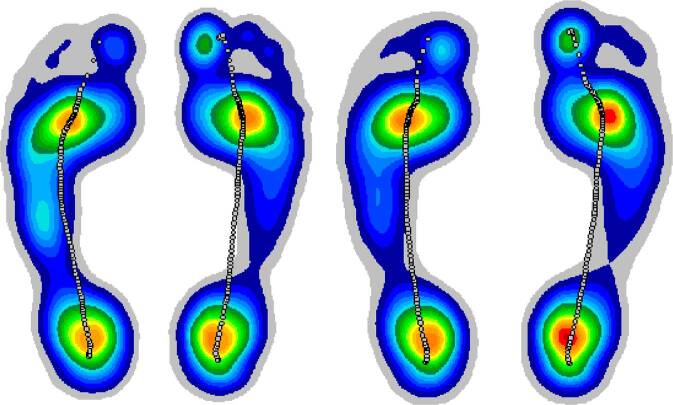
In 73 patients, in addition to foot gymnastics, supportive, sensorimotor or placebo insoles were compared over 3 measurement points during 1 year as part of a double-blind, prospective, randomised placebo-controlled clinical trial using Numeric Rating-Scala, the Foot and Ankle Disability Index, as well as pedobarography and valgus index. The statistical analysis was performed using ANOVA with repeated measures.
The valgus index increased significantly with supportive foot orthoses. In the follow-up, the foot contact area was only significantly reduced with sensorimotor foot orthoses in static and dynamic measurements. Supportive foot orthoses led to a faster reduction in pain, but without reducing the contact area of the foot. There were no relevant differences in functionality.
The reduction of the contact surface in combination with sensorimotor foot orthoses shows the potential for muscular addressing of the flexible flat foot. There were no disadvantages compared to other treatments. Supportive foot orthoses led to a faster reduction in subjective complaints, but appear to weaken the muscles supporting the arch of the foot. In the longer term, consistent foot muscle training also appears to be effective, as wearing placebo foot orthoses also led to an improvement in subjective well-being without significant biomechanical changes.
在成人中,柔韧性症状性平足采用支撑性足部矫形器进行保守治疗。然而,由于数据不足,感觉运动型足部矫形器存在争议。
比较感觉运动型和支撑性足部矫形器对成人的治疗效果。
在73例患者中,作为一项双盲、前瞻性、随机安慰剂对照临床试验的一部分,除了足部体操外,在1年中的3个测量点对支撑性、感觉运动型或安慰剂鞋垫进行了比较,使用数字评分量表、足踝残疾指数以及足底压力测量和外翻指数。采用重复测量方差分析进行统计分析。
使用支撑性足部矫形器时外翻指数显著增加。在随访中,仅在静态和动态测量中,感觉运动型足部矫形器使足部接触面积显著减小。支撑性足部矫形器能更快减轻疼痛,但并未减小足部接触面积。在功能方面无相关差异。
感觉运动型足部矫形器与接触面积减小相结合,显示出对柔韧性平足进行肌肉调整的潜力。与其他治疗方法相比没有劣势。支撑性足部矫形器能更快减轻主观症状,但似乎会削弱支撑足弓的肌肉。从长远来看,持续的足部肌肉训练似乎也有效,因为佩戴安慰剂足部矫形器也能改善主观幸福感,且无明显生物力学变化。