• 文献检索
  • 文档翻译
  • 深度研究
  • 学术资讯
  • Suppr Zotero 插件Zotero 插件
  • 邀请有礼
  • 套餐&价格
  • 历史记录
应用&插件
Suppr Zotero 插件Zotero 插件浏览器插件Mac 客户端Windows 客户端微信小程序
定价
高级版会员购买积分包购买API积分包
服务
文献检索文档翻译深度研究API 文档MCP 服务
关于我们
关于 Suppr公司介绍联系我们用户协议隐私条款
关注我们

Suppr 超能文献

核心技术专利:CN118964589B侵权必究
粤ICP备2023148730 号-1Suppr @ 2026

文献检索

告别复杂PubMed语法,用中文像聊天一样搜索,搜遍4000万医学文献。AI智能推荐,让科研检索更轻松。

立即免费搜索

文件翻译

保留排版,准确专业,支持PDF/Word/PPT等文件格式,支持 12+语言互译。

免费翻译文档

深度研究

AI帮你快速写综述,25分钟生成高质量综述,智能提取关键信息,辅助科研写作。

立即免费体验

PA-X宿主关闭位点100V对高致病性甲型H7N9流感病毒在小鼠和鸡体内的病毒适应性产生相反的影响。

The PA-X host shutoff site 100 V exerts a contrary effect on viral fitness of the highly pathogenic H7N9 influenza A virus in mice and chickens.

作者信息

Chen Xia, Kong Ming, Ma Chunxi, Zhang Manyu, Hu Zenglei, Gu Min, Wang Xiaoquan, Gao Ruyi, Hu Shunlin, Chen Yu, Liu Xiaowen, Peng Daxin, Liu Xiufan, Hu Jiao

机构信息

Key Laboratory of Avian Bioproducts Development, Ministry of Agriculture and Rural Affairs, Yangzhou, China.

Jiangsu Co-Innovation Center for Prevention and Control of Important Animal Infectious Diseases and Zoonosis, Yangzhou University, Yangzhou, Jiangsu, China.

出版信息

Virulence. 2025 Dec;16(1):2445238. doi: 10.1080/21505594.2024.2445238. Epub 2024 Dec 28.

DOI:10.1080/21505594.2024.2445238
PMID:39731774
原文链接:https://pmc.ncbi.nlm.nih.gov/articles/PMC11702944/
Abstract

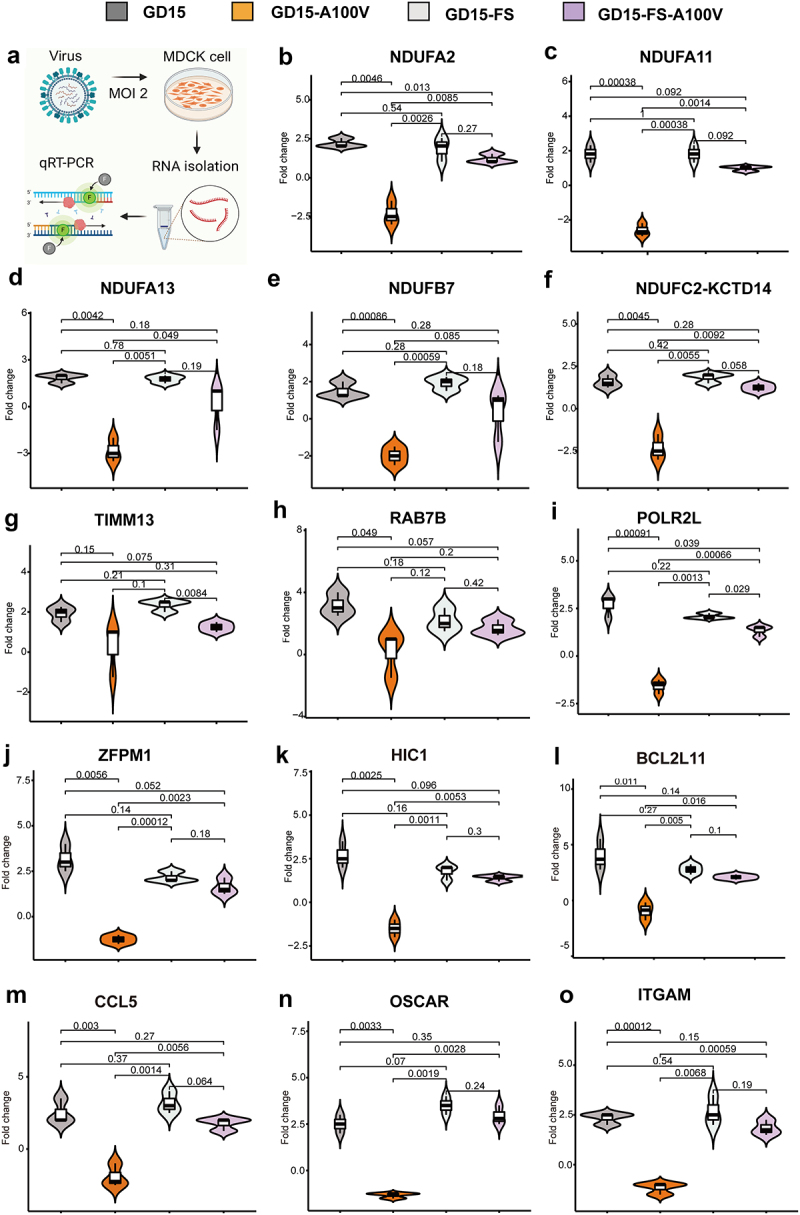
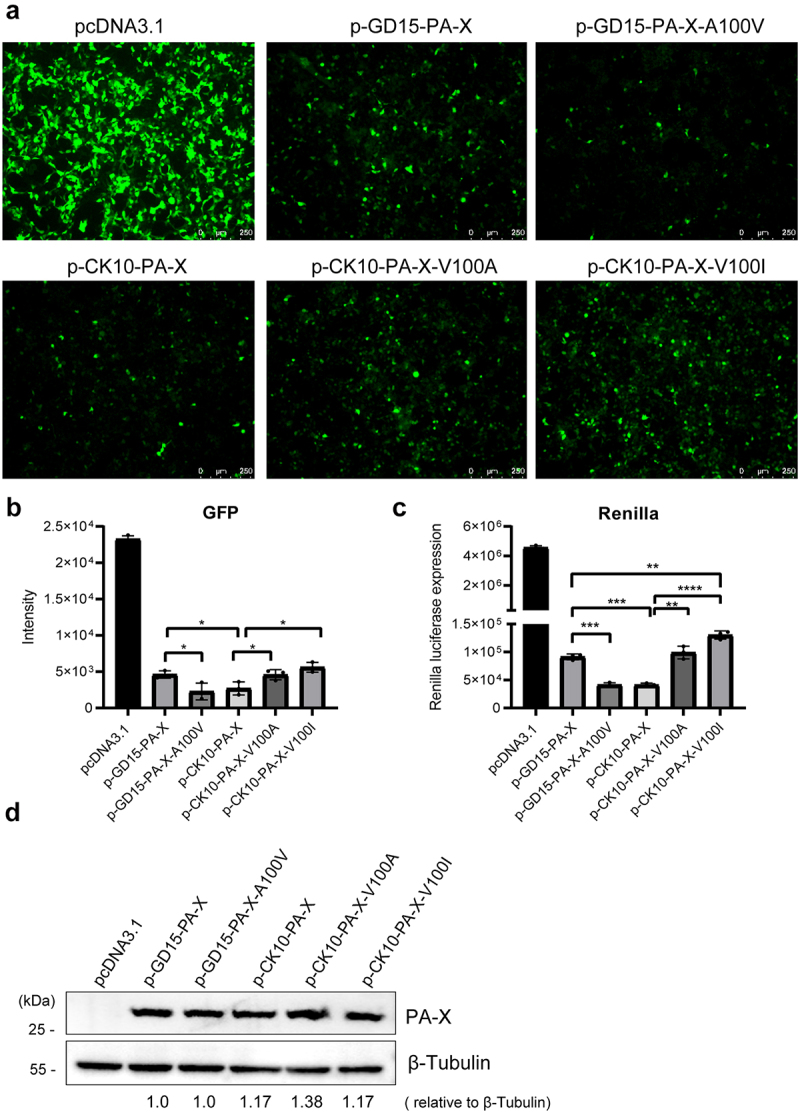
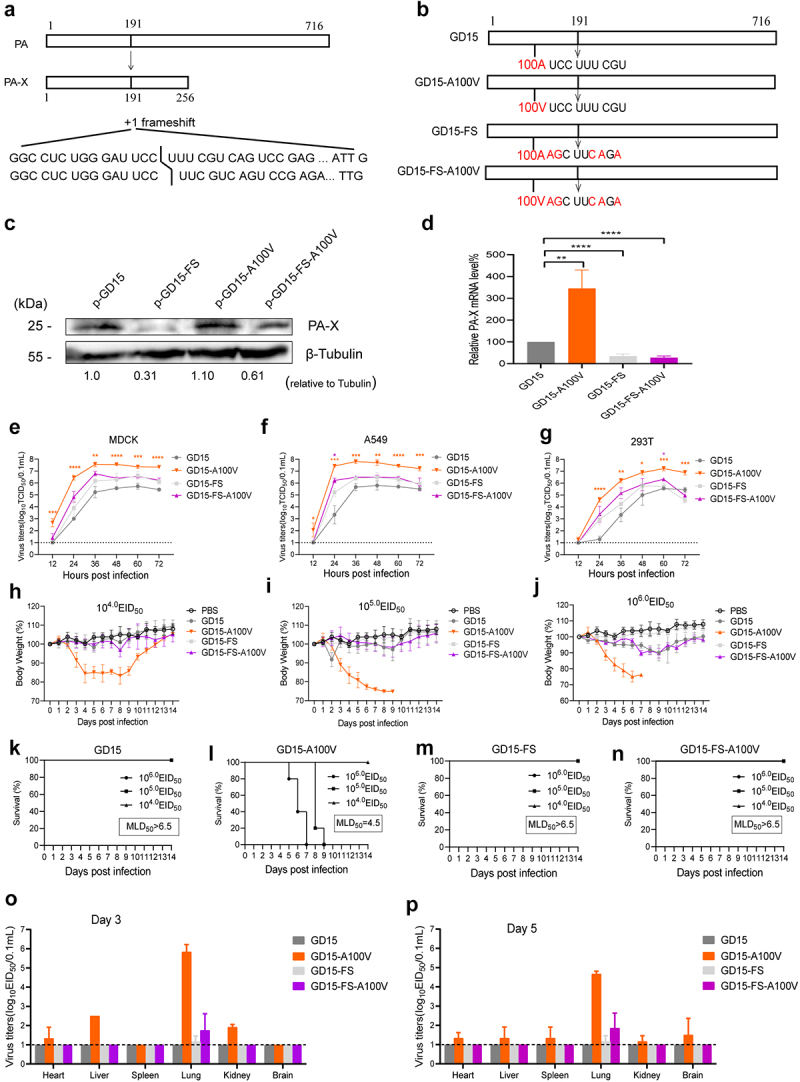
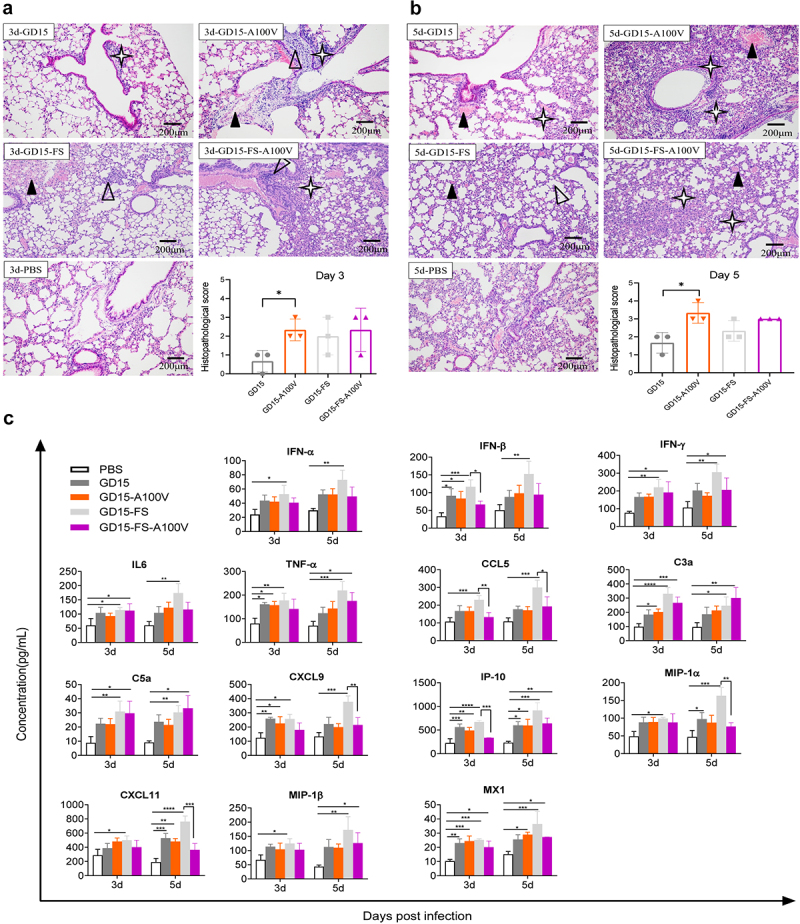
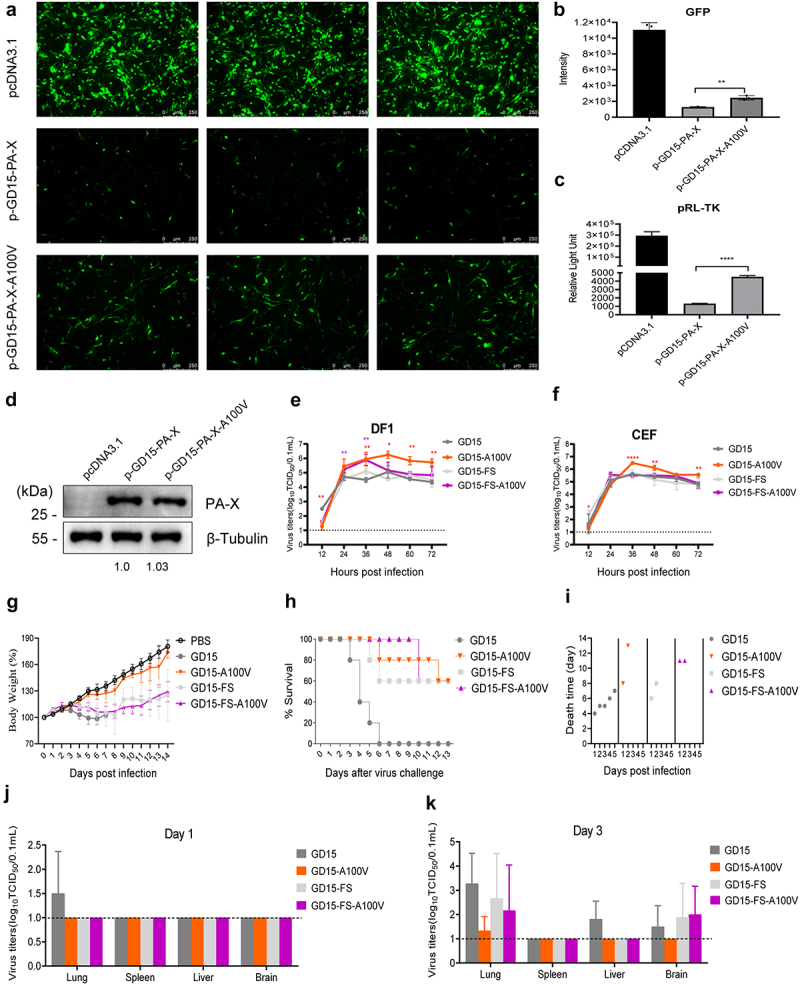
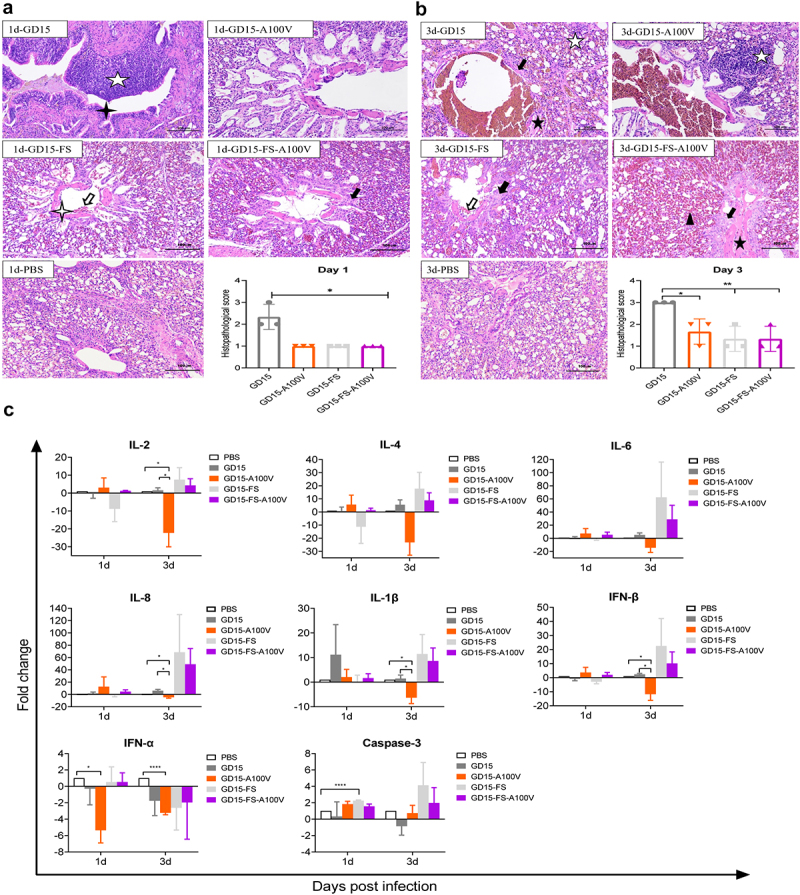
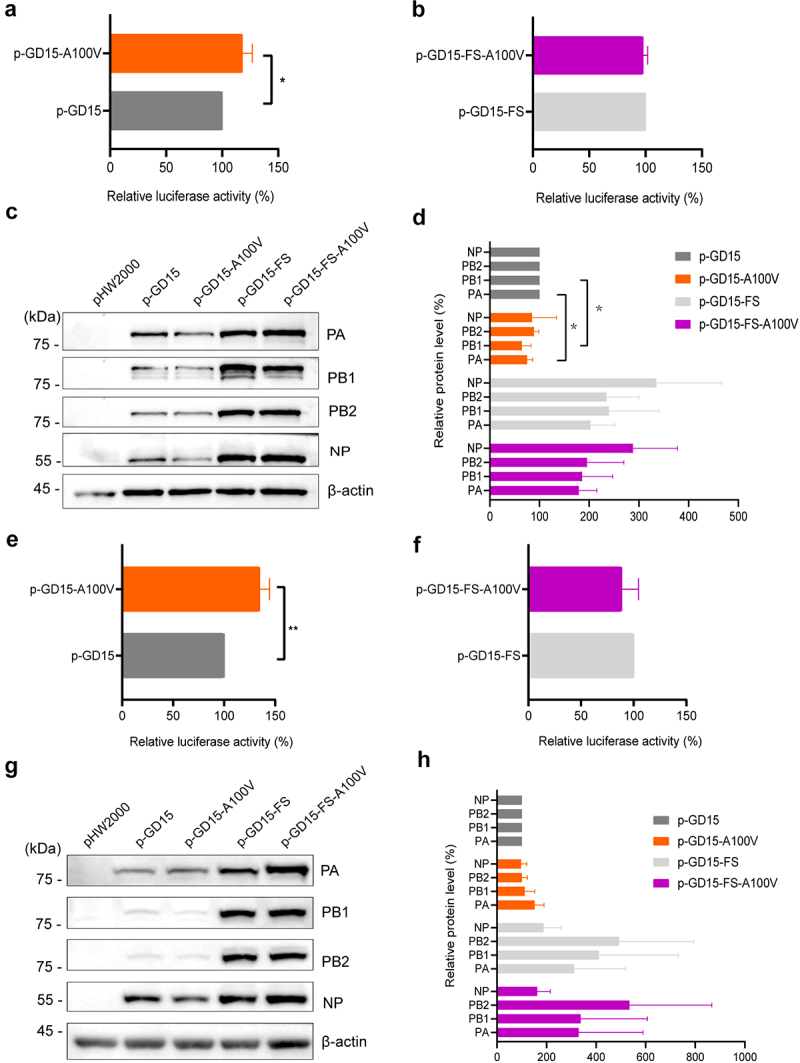
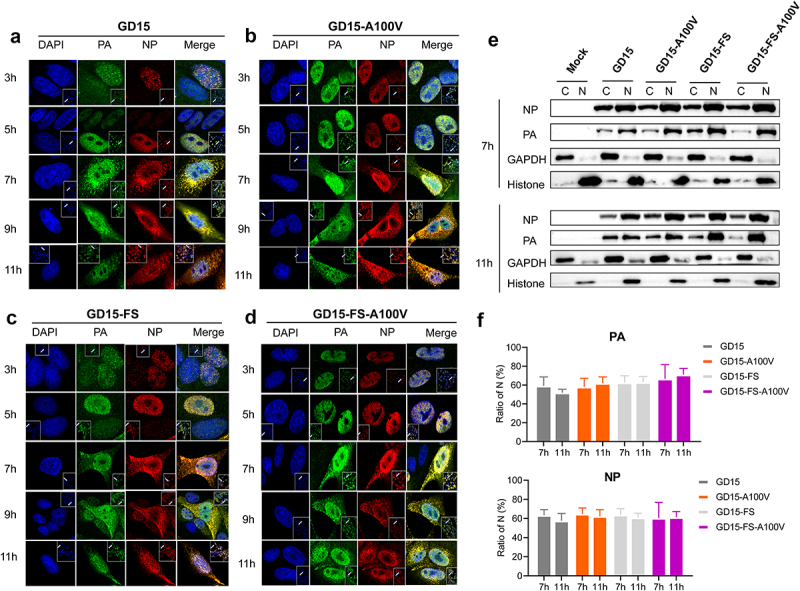
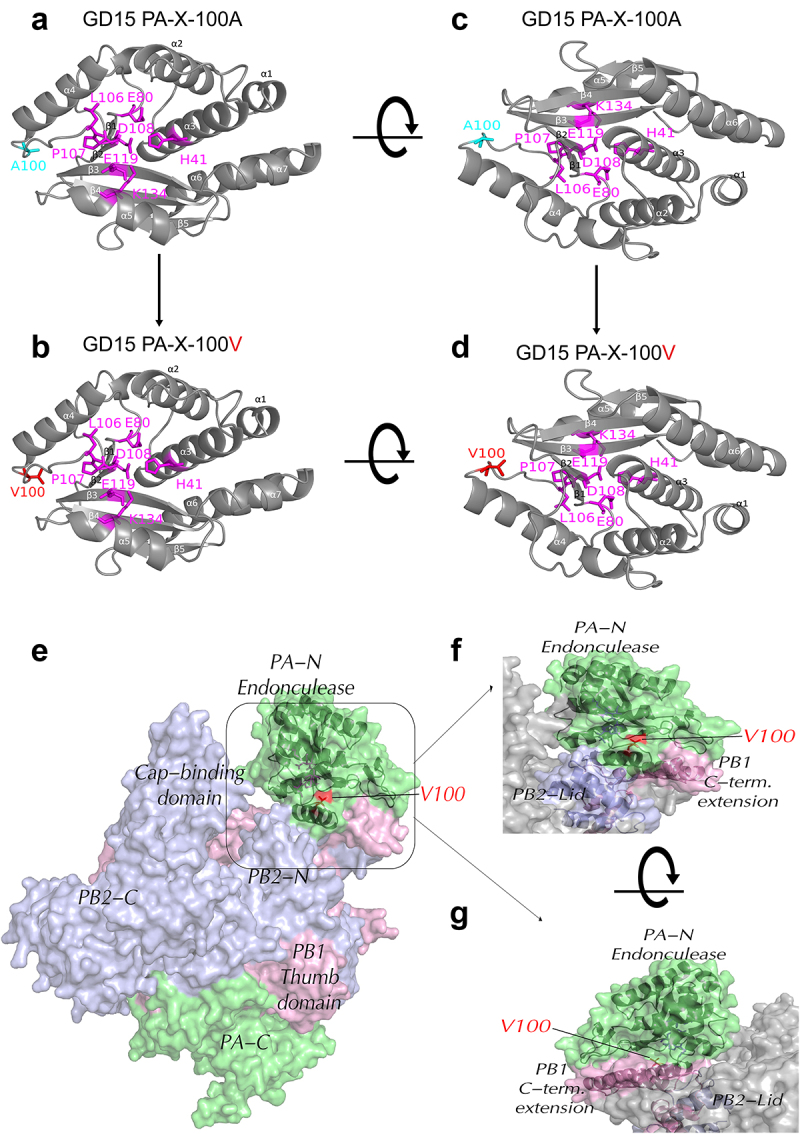
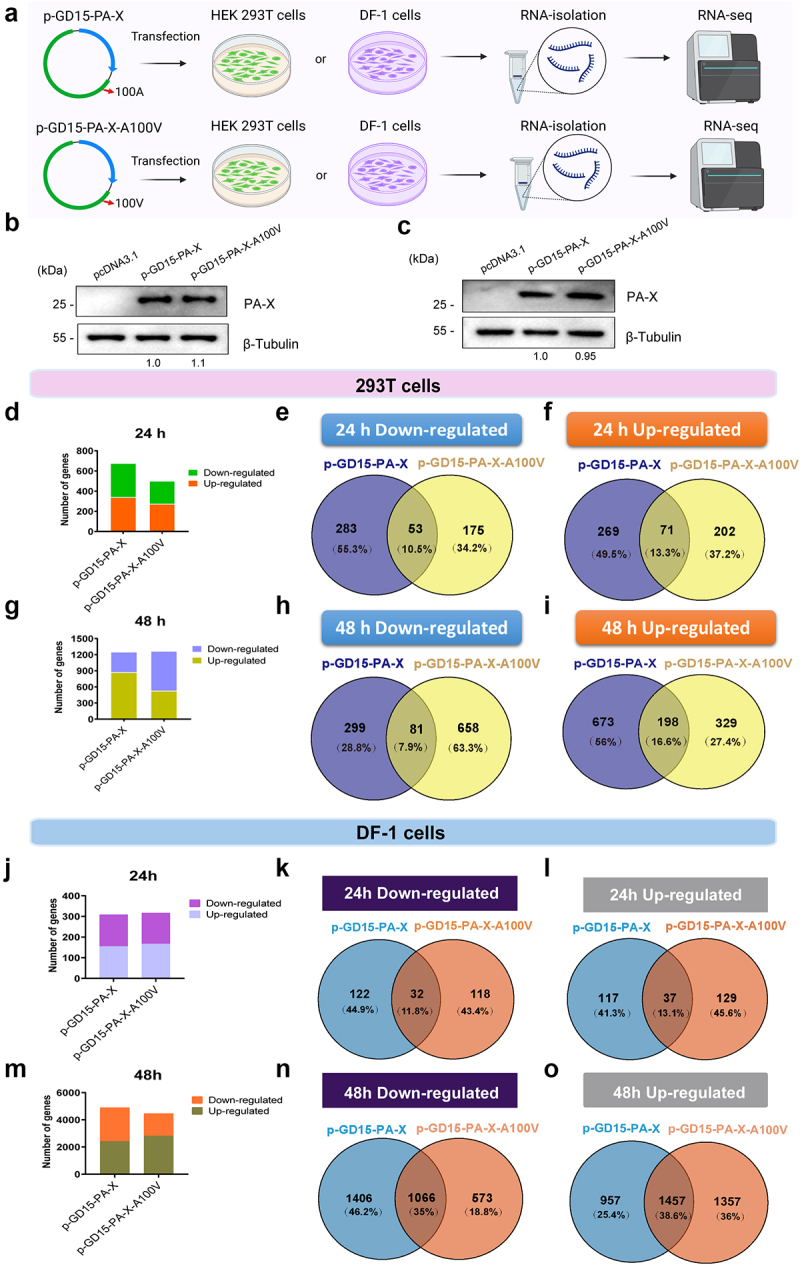
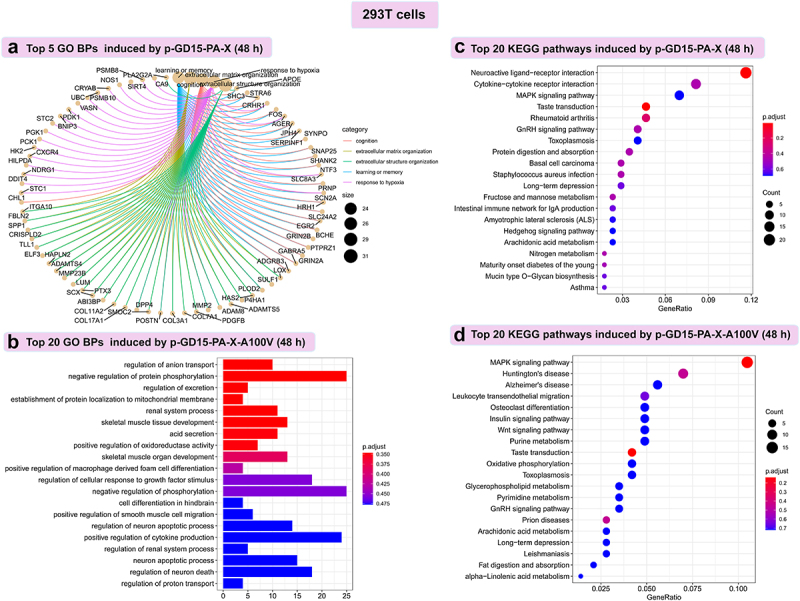
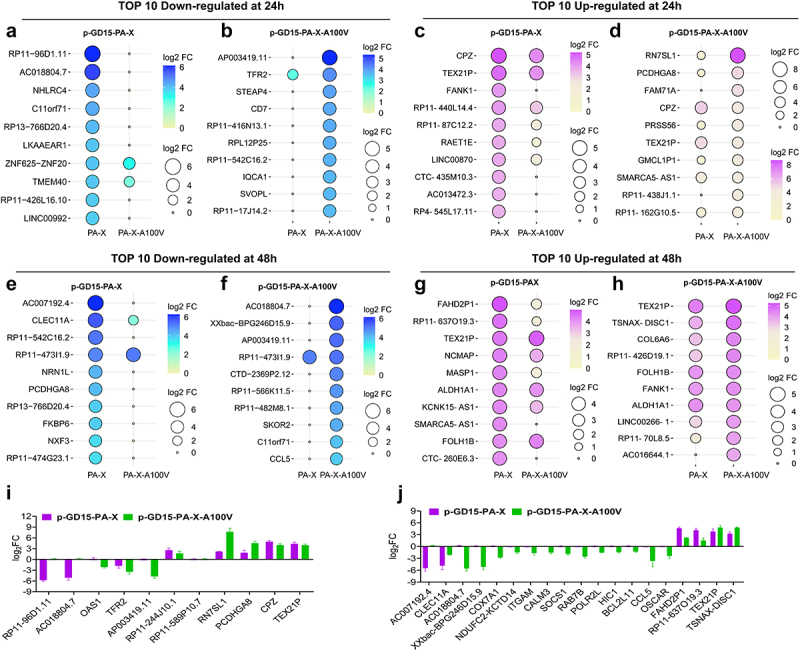
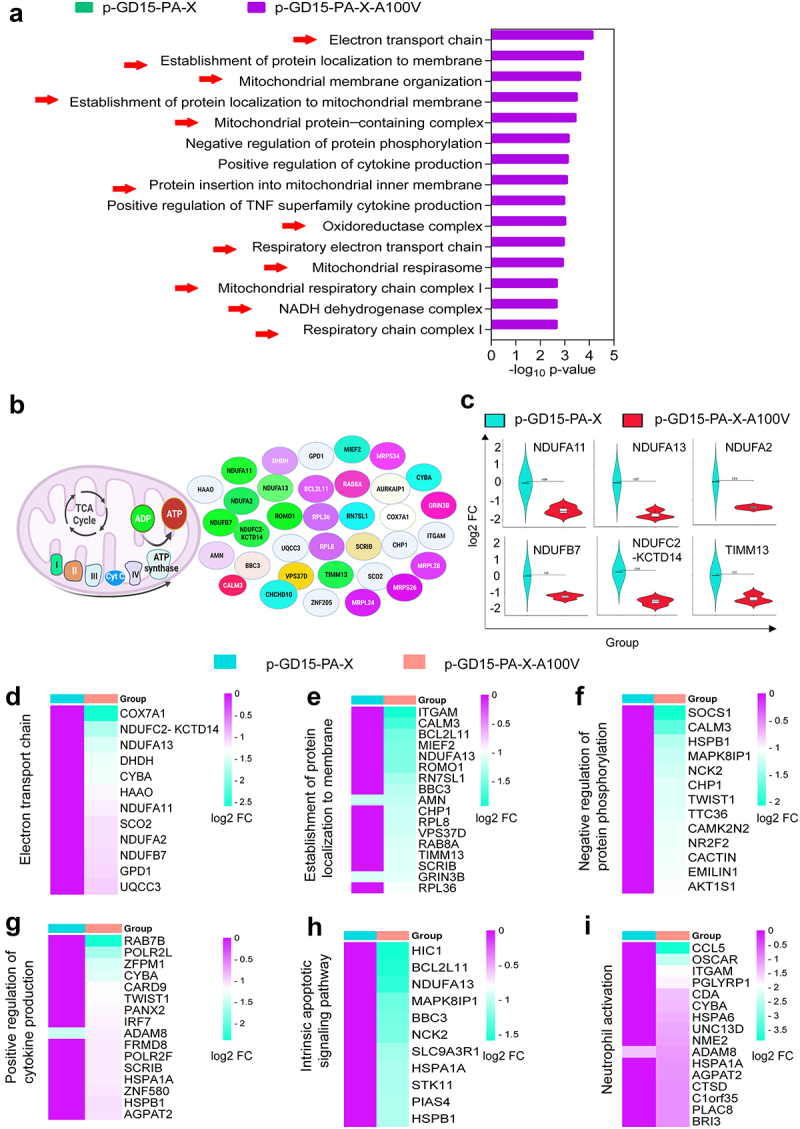
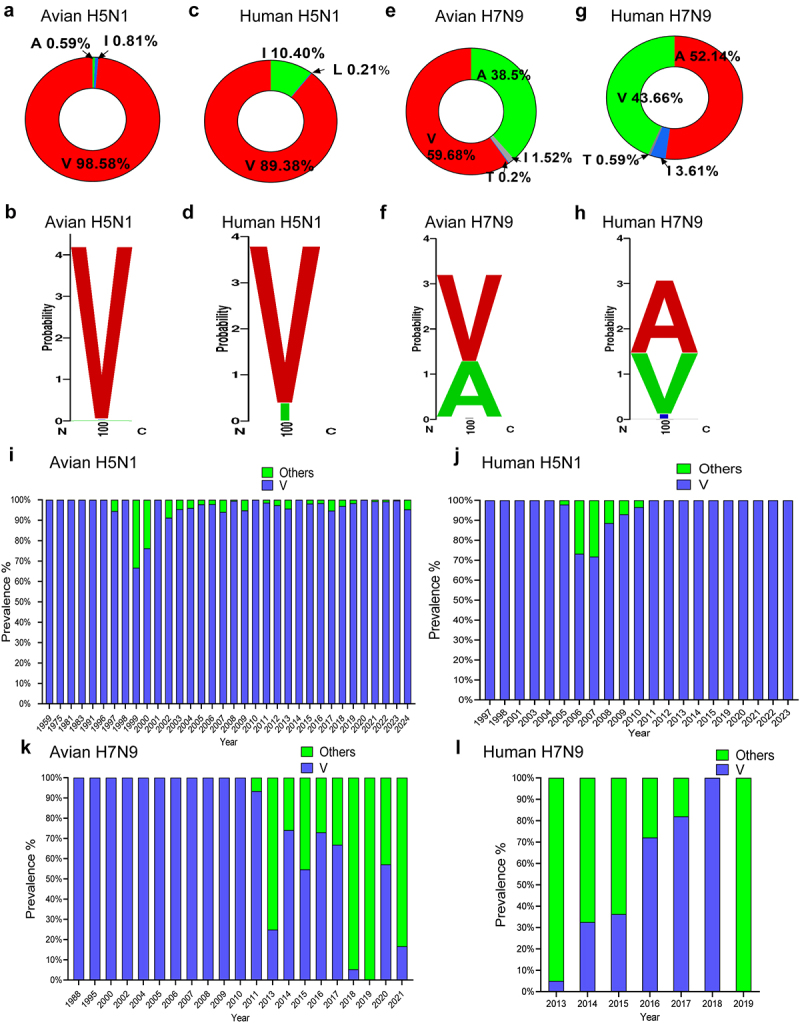
Several viruses, including influenza A virus (IAV), encode viral factors to hijack cellular RNA biogenesis processes to direct the degradation of host mRNAs, termed "host shutoff." Host shutoff enables viruses to simultaneously reduce antiviral responses and provides preferential access for viral mRNAs to cellular translation machinery. IAV PA-X is one of these factors that selectively shuts off the global host genes. However, the specific role of PA-X host shutoff activity in viral fitness of IAV remains poorly understood. Herein, we successfully mapped PA-X 100 V as a novel site important for host shutoff of the H7N9 and H5N1 viruses. By analysing the polymorphism of this residue in various subtype viruses, we found that PA-X 100 was highly variable in H7N9 viruses. Structural analysis revealed that 100 V was generally close to the PA-X endonuclease active site, which may account for its host shutoff activity. By generating the corresponding mutant viruses derived from the parental H7N9 virus and the PA-X-deficient H7N9 virus, we determined that PA-X 100 V significantly enhanced viral fitness in mice while diminishing viral virulence in chickens. Mechanistically, PA-X 100 V significantly increased viral polymerase activity and viral replication in mammalian cells. Furthermore, PA-X 100 V highly blunted the global host response in 293T cells, particularly restraining genes involved in energy metabolism and inflammatory response. Collectively, our data provided information about the intricate role of the PA-X host shutoff site in regulating the viral fitness of the H7N9 influenza virus, which furthers our understanding of the complicated pathogenesis of the influenza A virus.

摘要

包括甲型流感病毒(IAV)在内的多种病毒编码病毒因子,以劫持细胞RNA生物合成过程来指导宿主mRNA的降解,这一过程被称为“宿主关闭”。宿主关闭使病毒能够同时降低抗病毒反应,并为病毒mRNA提供优先进入细胞翻译机制的机会。IAV的PA-X就是这些能够选择性关闭全球宿主基因的因子之一。然而,PA-X宿主关闭活性在IAV病毒适应性中的具体作用仍知之甚少。在此,我们成功地将PA-X 100V定位为对H7N9和H5N1病毒宿主关闭至关重要的新位点。通过分析该残基在各种亚型病毒中的多态性,我们发现PA-X 100在H7N9病毒中高度可变。结构分析表明,100V通常靠近PA-X核酸内切酶活性位点,这可能解释了其宿主关闭活性。通过从亲本H7N9病毒和PA-X缺陷型H7N9病毒产生相应的突变病毒,我们确定PA-X 100V显著增强了病毒在小鼠中的适应性,同时降低了病毒在鸡中的毒力。从机制上讲,PA-X 100V显著增加了病毒聚合酶活性和在哺乳动物细胞中的病毒复制。此外,PA-X 100V极大地减弱了293T细胞中的整体宿主反应,特别是抑制了参与能量代谢和炎症反应的基因。总的来说,我们的数据提供了关于PA-X宿主关闭位点在调节H7N9流感病毒病毒适应性中复杂作用的信息,这进一步加深了我们对甲型流感病毒复杂发病机制的理解。
https://cdn.ncbi.nlm.nih.gov/pmc/blobs/ef38/11702944/7cdccfc951c4/KVIR_A_2445238_F0014_OC.jpg
https://cdn.ncbi.nlm.nih.gov/pmc/blobs/ef38/11702944/790d66058b05/KVIR_A_2445238_F0001_OC.jpg
https://cdn.ncbi.nlm.nih.gov/pmc/blobs/ef38/11702944/88ad7b62e76c/KVIR_A_2445238_F0002_OC.jpg
https://cdn.ncbi.nlm.nih.gov/pmc/blobs/ef38/11702944/33088d205d0b/KVIR_A_2445238_F0003_OC.jpg
https://cdn.ncbi.nlm.nih.gov/pmc/blobs/ef38/11702944/e822caabc682/KVIR_A_2445238_F0004_OC.jpg
https://cdn.ncbi.nlm.nih.gov/pmc/blobs/ef38/11702944/b4d878474e70/KVIR_A_2445238_F0005_OC.jpg
https://cdn.ncbi.nlm.nih.gov/pmc/blobs/ef38/11702944/8749f0591875/KVIR_A_2445238_F0006_OC.jpg
https://cdn.ncbi.nlm.nih.gov/pmc/blobs/ef38/11702944/7da9e7aa63a6/KVIR_A_2445238_F0007_OC.jpg
https://cdn.ncbi.nlm.nih.gov/pmc/blobs/ef38/11702944/38a44ec5b32e/KVIR_A_2445238_F0008_OC.jpg
https://cdn.ncbi.nlm.nih.gov/pmc/blobs/ef38/11702944/7b33a40888ce/KVIR_A_2445238_F0009_OC.jpg
https://cdn.ncbi.nlm.nih.gov/pmc/blobs/ef38/11702944/1b704496349b/KVIR_A_2445238_F0010_OC.jpg
https://cdn.ncbi.nlm.nih.gov/pmc/blobs/ef38/11702944/52144689c612/KVIR_A_2445238_F0011_OC.jpg
https://cdn.ncbi.nlm.nih.gov/pmc/blobs/ef38/11702944/ce3af72df2ac/KVIR_A_2445238_F0012_OC.jpg
https://cdn.ncbi.nlm.nih.gov/pmc/blobs/ef38/11702944/1d46fa6f97d4/KVIR_A_2445238_F0013_OC.jpg
https://cdn.ncbi.nlm.nih.gov/pmc/blobs/ef38/11702944/7cdccfc951c4/KVIR_A_2445238_F0014_OC.jpg
https://cdn.ncbi.nlm.nih.gov/pmc/blobs/ef38/11702944/790d66058b05/KVIR_A_2445238_F0001_OC.jpg
https://cdn.ncbi.nlm.nih.gov/pmc/blobs/ef38/11702944/88ad7b62e76c/KVIR_A_2445238_F0002_OC.jpg
https://cdn.ncbi.nlm.nih.gov/pmc/blobs/ef38/11702944/33088d205d0b/KVIR_A_2445238_F0003_OC.jpg
https://cdn.ncbi.nlm.nih.gov/pmc/blobs/ef38/11702944/e822caabc682/KVIR_A_2445238_F0004_OC.jpg
https://cdn.ncbi.nlm.nih.gov/pmc/blobs/ef38/11702944/b4d878474e70/KVIR_A_2445238_F0005_OC.jpg
https://cdn.ncbi.nlm.nih.gov/pmc/blobs/ef38/11702944/8749f0591875/KVIR_A_2445238_F0006_OC.jpg
https://cdn.ncbi.nlm.nih.gov/pmc/blobs/ef38/11702944/7da9e7aa63a6/KVIR_A_2445238_F0007_OC.jpg
https://cdn.ncbi.nlm.nih.gov/pmc/blobs/ef38/11702944/38a44ec5b32e/KVIR_A_2445238_F0008_OC.jpg
https://cdn.ncbi.nlm.nih.gov/pmc/blobs/ef38/11702944/7b33a40888ce/KVIR_A_2445238_F0009_OC.jpg
https://cdn.ncbi.nlm.nih.gov/pmc/blobs/ef38/11702944/1b704496349b/KVIR_A_2445238_F0010_OC.jpg
https://cdn.ncbi.nlm.nih.gov/pmc/blobs/ef38/11702944/52144689c612/KVIR_A_2445238_F0011_OC.jpg
https://cdn.ncbi.nlm.nih.gov/pmc/blobs/ef38/11702944/ce3af72df2ac/KVIR_A_2445238_F0012_OC.jpg
https://cdn.ncbi.nlm.nih.gov/pmc/blobs/ef38/11702944/1d46fa6f97d4/KVIR_A_2445238_F0013_OC.jpg
https://cdn.ncbi.nlm.nih.gov/pmc/blobs/ef38/11702944/7cdccfc951c4/KVIR_A_2445238_F0014_OC.jpg

相似文献

1
The PA-X host shutoff site 100 V exerts a contrary effect on viral fitness of the highly pathogenic H7N9 influenza A virus in mice and chickens.PA-X宿主关闭位点100V对高致病性甲型H7N9流感病毒在小鼠和鸡体内的病毒适应性产生相反的影响。
Virulence. 2025 Dec;16(1):2445238. doi: 10.1080/21505594.2024.2445238. Epub 2024 Dec 28.
2
The virulence modulator PA-X protein has minor effect on the pathogenicity of the highly pathogenic H7N9 avian influenza virus in mice.毒力调节剂 PA-X 蛋白对高致病性 H7N9 禽流感病毒在小鼠中的致病性的影响较小。
Vet Microbiol. 2021 Apr;255:109019. doi: 10.1016/j.vetmic.2021.109019. Epub 2021 Feb 26.
3
PA-X decreases the pathogenicity of highly pathogenic H5N1 influenza A virus in avian species by inhibiting virus replication and host response.PA-X通过抑制病毒复制和宿主反应降低高致病性H5N1甲型流感病毒在禽类中的致病性。
J Virol. 2015 Apr;89(8):4126-42. doi: 10.1128/JVI.02132-14. Epub 2015 Jan 28.
4
Evaluating the epizootic and zoonotic threat of an H7N9 low-pathogenicity avian influenza virus (LPAIV) variant associated with enhanced pathogenicity in turkeys.评估与火鸡致病性增强相关的 H7N9 低致病性禽流感病毒(LPAIV)变异株的动物流行病和人畜共患病威胁。
J Gen Virol. 2024 Jul;105(7). doi: 10.1099/jgv.0.002008.
5
Adaptive selection of quasispecies during passaging in chickens, mice, and ferrets results in host-specific strains for the H9N2 avian influenza virus.H9N2禽流感病毒在鸡、小鼠和雪貂体内传代过程中的准种适应性选择导致产生宿主特异性毒株。
J Virol. 2025 Jun 17;99(6):e0015125. doi: 10.1128/jvi.00151-25. Epub 2025 May 8.
6
Viral polymerase-host interaction analysis reveals that the association between avian NUP93 and PB1 promotes H5N6 avian influenza virus replication.病毒聚合酶与宿主相互作用分析表明,禽源NUP93与PB1之间的关联促进了H5N6禽流感病毒的复制。
Microbiol Spectr. 2025 Jul;13(7):e0312024. doi: 10.1128/spectrum.03120-24. Epub 2025 May 23.
7
Identification of Amino Acid Residues Required for Inhibition of Host Gene Expression by Influenza Virus A/Viet Nam/1203/2004 H5N1 PA-X.鉴定流感病毒 A/Viet Nam/1203/2004 H5N1 PA-X 抑制宿主基因表达所需的氨基酸残基。
J Virol. 2022 Mar 9;96(5):e0040821. doi: 10.1128/JVI.00408-21. Epub 2021 Apr 14.
8
Comparative pathogenicity of three A(H5N1) clade 2.3.4.4b HPAI viruses in blue-winged teal and transmission to domestic poultry.三种A(H5N1) 2.3.4.4b进化分支高致病性禽流感病毒在蓝翅鸭中的致病性比较及向家鸡的传播
mSphere. 2025 Jun 25;10(6):e0002125. doi: 10.1128/msphere.00021-25. Epub 2025 May 22.
9
Natural Selection of H5N1 Avian Influenza A Viruses with Increased PA-X and NS1 Shutoff Activity.具有增强的 PA-X 和 NS1 关闭活性的 H5N1 禽流感病毒的自然选择。
Viruses. 2021 Sep 3;13(9):1760. doi: 10.3390/v13091760.
10
IFIT3 RNA-binding activity promotes influenza A virus infection and translation efficiency.IFIT3的RNA结合活性促进甲型流感病毒感染及翻译效率。
J Virol. 2025 Jul 22;99(7):e0028625. doi: 10.1128/jvi.00286-25. Epub 2025 Jun 11.

引用本文的文献

1
PA and PA-X: two key proteins from segment 3 of the influenza viruses.PA和PA-X:流感病毒第3节段的两种关键蛋白。
Front Cell Infect Microbiol. 2025 Mar 14;15:1560250. doi: 10.3389/fcimb.2025.1560250. eCollection 2025.

本文引用的文献

1
Two amino acid residues in the N-terminal region of the polymerase acidic protein determine the virulence of Eurasian avian-like H1N1 swine influenza viruses in mice.聚合酶酸性蛋白 N 端区域的两个氨基酸残基决定了欧亚类禽 H1N1 猪流感病毒在小鼠中的毒力。
J Virol. 2024 Oct 22;98(10):e0129324. doi: 10.1128/jvi.01293-24. Epub 2024 Aug 30.
2
Host adaptive mutations in the 2009 H1N1 pandemic influenza A virus PA gene regulate translation efficiency of viral mRNAs via GRSF1.宿主适应性突变影响 2009 年 H1N1 大流行流感病毒 PA 基因通过 GRSF1 调节病毒 mRNA 的翻译效率。
Commun Biol. 2022 Oct 17;5(1):1102. doi: 10.1038/s42003-022-04082-5.
3
A Eurasian avian-like H1N1 swine influenza reassortant virus became pathogenic and highly transmissible due to mutations in its PA gene.
由于其 PA 基因发生突变,一种欧亚类禽流感 H1N1 猪流感重组病毒变得具有致病性和高度传染性。
Proc Natl Acad Sci U S A. 2022 Aug 23;119(34):e2203919119. doi: 10.1073/pnas.2203919119. Epub 2022 Aug 15.
4
Natural Selection of H5N1 Avian Influenza A Viruses with Increased PA-X and NS1 Shutoff Activity.具有增强的 PA-X 和 NS1 关闭活性的 H5N1 禽流感病毒的自然选择。
Viruses. 2021 Sep 3;13(9):1760. doi: 10.3390/v13091760.
5
Impact of Influenza A Virus Shutoff Proteins on Host Immune Responses.甲型流感病毒关闭蛋白对宿主免疫反应的影响
Vaccines (Basel). 2021 Jun 10;9(6):629. doi: 10.3390/vaccines9060629.
6
Amino Acid Residues Involved in Inhibition of Host Gene Expression by Influenza A/Brevig Mission/1/1918 PA-X.参与甲型流感病毒/布雷维格米申/1/1918 PA-X抑制宿主基因表达的氨基酸残基
Microorganisms. 2021 May 20;9(5):1109. doi: 10.3390/microorganisms9051109.
7
Identification of Amino Acid Residues Required for Inhibition of Host Gene Expression by Influenza Virus A/Viet Nam/1203/2004 H5N1 PA-X.鉴定流感病毒 A/Viet Nam/1203/2004 H5N1 PA-X 抑制宿主基因表达所需的氨基酸残基。
J Virol. 2022 Mar 9;96(5):e0040821. doi: 10.1128/JVI.00408-21. Epub 2021 Apr 14.
8
The virulence modulator PA-X protein has minor effect on the pathogenicity of the highly pathogenic H7N9 avian influenza virus in mice.毒力调节剂 PA-X 蛋白对高致病性 H7N9 禽流感病毒在小鼠中的致病性的影响较小。
Vet Microbiol. 2021 Apr;255:109019. doi: 10.1016/j.vetmic.2021.109019. Epub 2021 Feb 26.
9
PA-X is an avian virulence factor in H9N2 avian influenza virus.PA-X 是 H9N2 禽流感病毒的一个禽源致病性因子。
J Gen Virol. 2021 Mar;102(3). doi: 10.1099/jgv.0.001531. Epub 2021 Feb 5.
10
ProMod3-A versatile homology modelling toolbox.ProMod3——一个通用的同源建模工具包。
PLoS Comput Biol. 2021 Jan 28;17(1):e1008667. doi: 10.1371/journal.pcbi.1008667. eCollection 2021 Jan.