Wang Huifang, Li Jun, Xu Yuanyuan, Yao Xinsheng
Department of Immunology, Center of Immuno-molecular Engineering, Innovation & Practice Base for Graduate Students Education, Zunyi Medical University, Zunyi, China.
Immun Ageing. 2024 Dec 28;21(1):90. doi: 10.1186/s12979-024-00493-6.
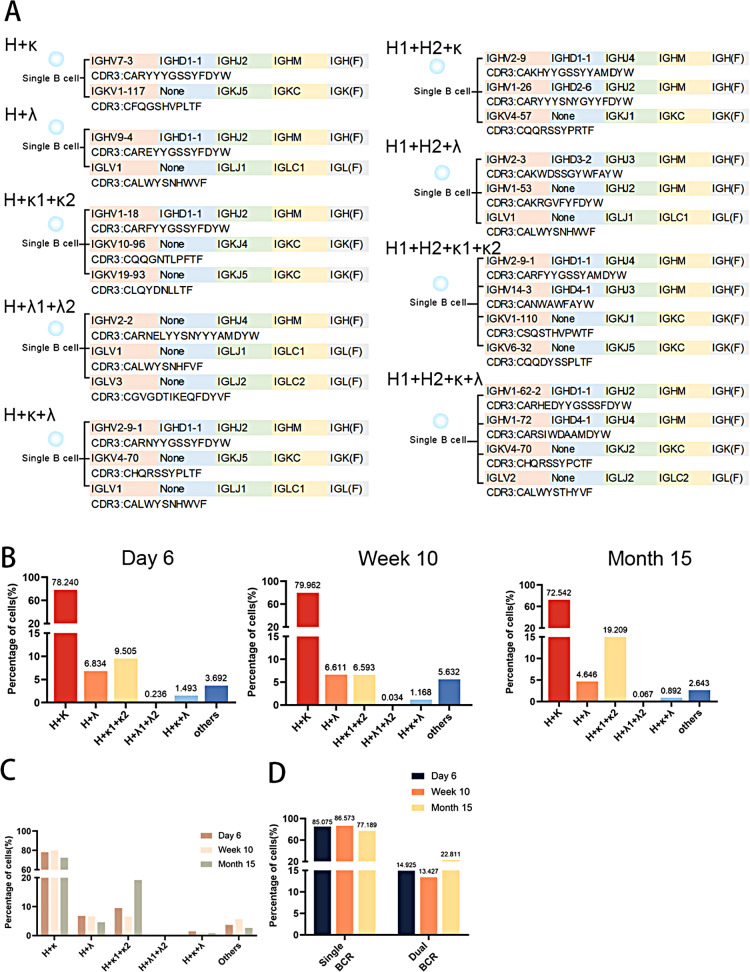
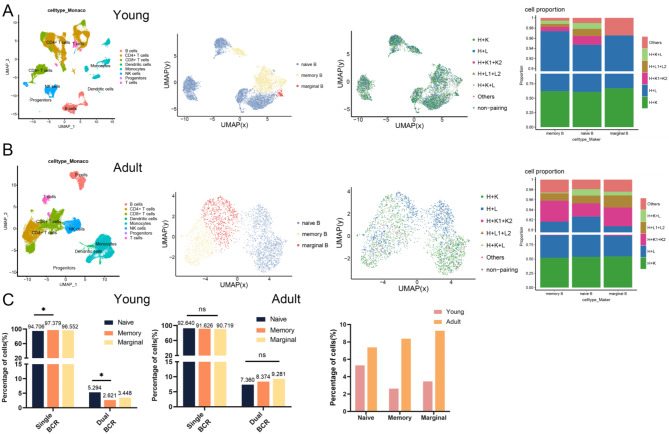
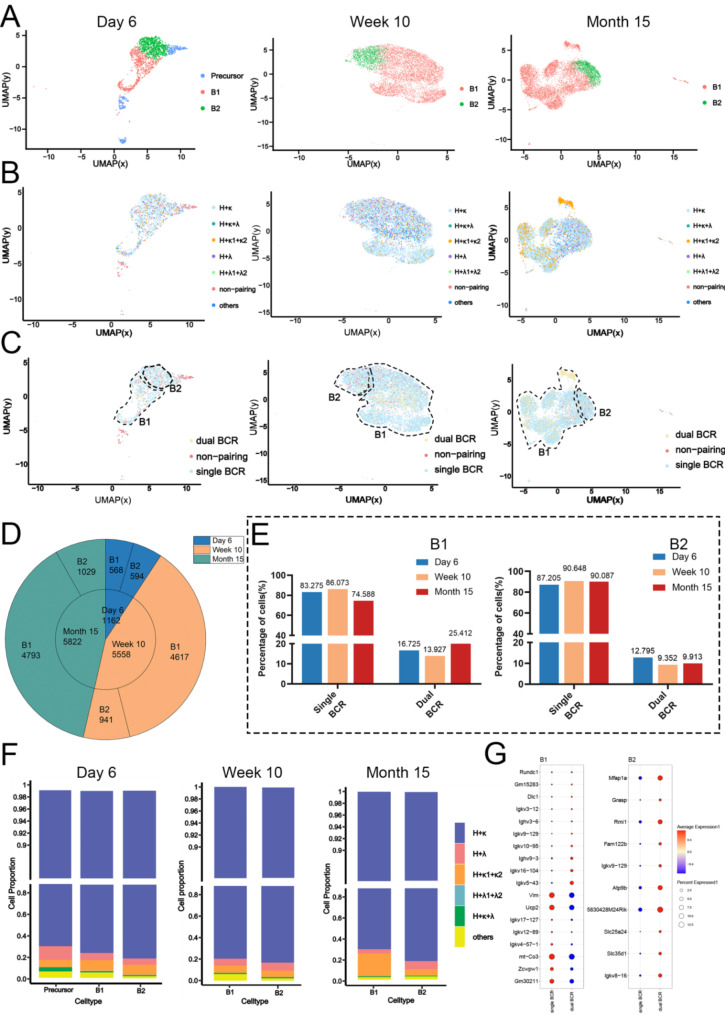
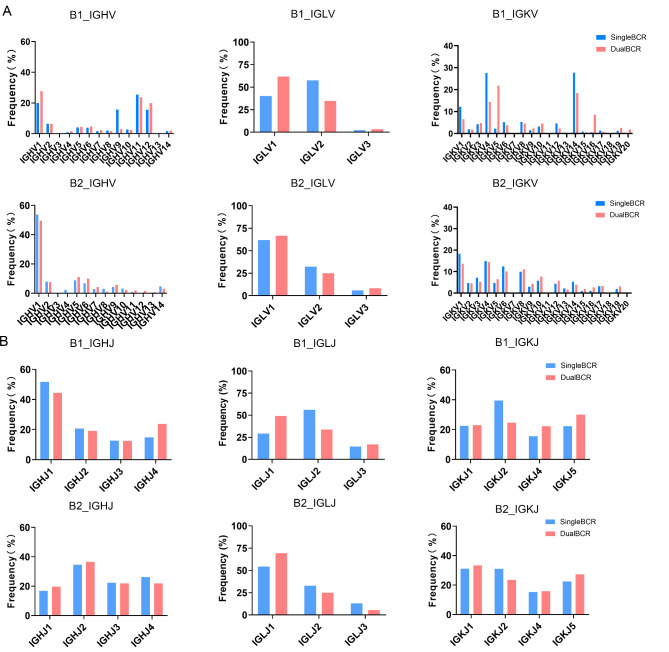
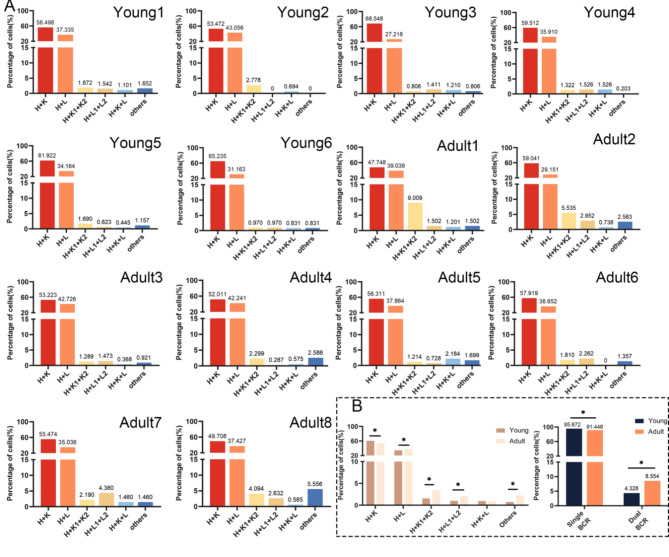
The increased incidence of inflammatory diseases, infectious diseases, autoimmune disorders, and tumors in elderly individuals is closely associated with several well-established features of immunosenescence, including reduced B cell genesis and dampened immune responses. Recent studies have highlighted the critical role of dual receptor lymphocytes in tumors and autoimmune diseases. This study utilized shared data generated through scRNA-seq + scBCR-seq technology to investigate the presence of dual receptor-expressing B cells in the peritoneum of mouse and peripheral blood of healthy volunteers, and whether there are age-related differences in dual receptor B cell populations. In the peritoneum of mice, a high proportion of B cells expressing dual receptors, predominantly dual κ chains, was observed. Notably, there was an increase in dual BCR B cells in elderly mice. Subsequent analysis revealed that the elevated dual BCR B cells in elderly mice primarily originated from B1 cells.Consistent with the results we observed in healthy volunteers of different ages. Furthermore, these cells exhibited differential expressed genes compared to single BCR B cells, including Vim, Ucp2, and Zcwpw1.These findings support a hypothesis that age-related immune changes encompass not only alterations in B cell numbers but also qualitative changes in BCR diversity. Further exploration of the elevated dual BCR B cells in the elderly population can elucidate their function and their association with immune tolerance, revealing their potential role in maintaining immune surveillance and responding to age-related immune challenges.
老年人炎症性疾病、传染病、自身免疫性疾病和肿瘤发病率的增加与免疫衰老的几个既定特征密切相关,包括B细胞生成减少和免疫反应减弱。最近的研究强调了双受体淋巴细胞在肿瘤和自身免疫性疾病中的关键作用。本研究利用通过scRNA-seq + scBCR-seq技术生成的共享数据,调查小鼠腹膜和健康志愿者外周血中表达双受体的B细胞的存在情况,以及双受体B细胞群体是否存在年龄相关差异。在小鼠腹膜中,观察到高比例表达双受体的B细胞,主要是双κ链。值得注意的是,老年小鼠中双BCR B细胞有所增加。随后的分析表明,老年小鼠中双BCR B细胞的增加主要源于B1细胞。这与我们在不同年龄健康志愿者中观察到的结果一致。此外,与单BCR B细胞相比,这些细胞表现出差异表达基因,包括Vim、Ucp2和Zcwpw1。这些发现支持了一个假设,即与年龄相关的免疫变化不仅包括B细胞数量的改变,还包括BCR多样性的质的变化。进一步探索老年人群中升高的双BCR B细胞可以阐明它们的功能以及它们与免疫耐受的关系,揭示它们在维持免疫监视和应对与年龄相关的免疫挑战中的潜在作用。