Dhir Simran, Derue Hannah, Ribeiro-da-Silva Alfredo
Department of Pharmacology and Therapeutics, School of Biomedical Sciences, Faculty of Medicine and Health Sciences, McGill University, Montreal, QC, Canada.
Alan Edwards Centre for Research on Pain, McGill University, Montreal, QC, Canada.
Front Immunol. 2024 Dec 6;15:1460072. doi: 10.3389/fimmu.2024.1460072. eCollection 2024.
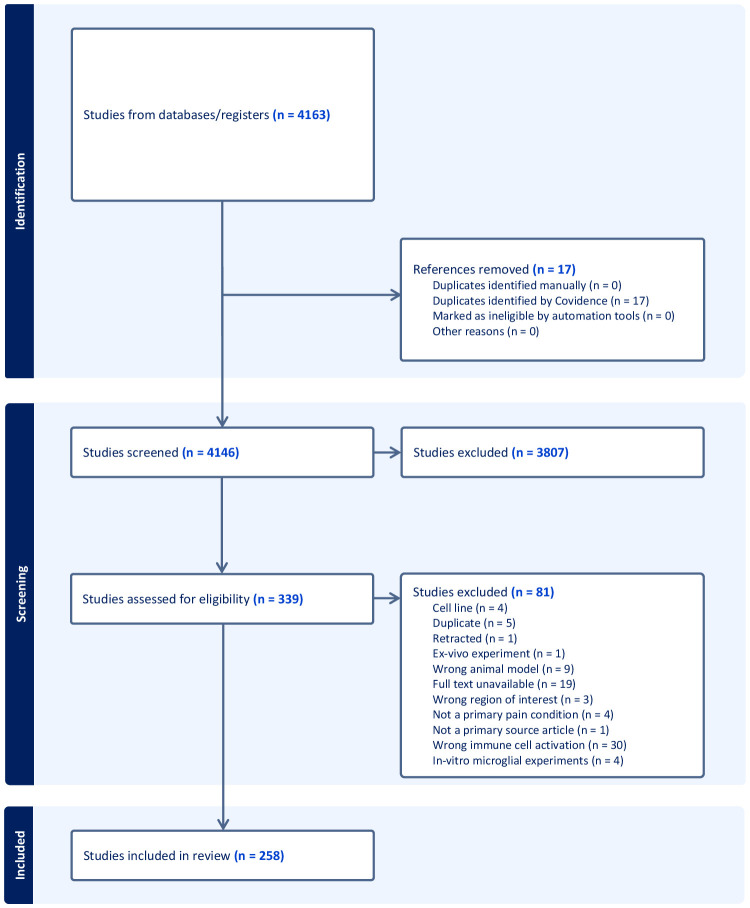
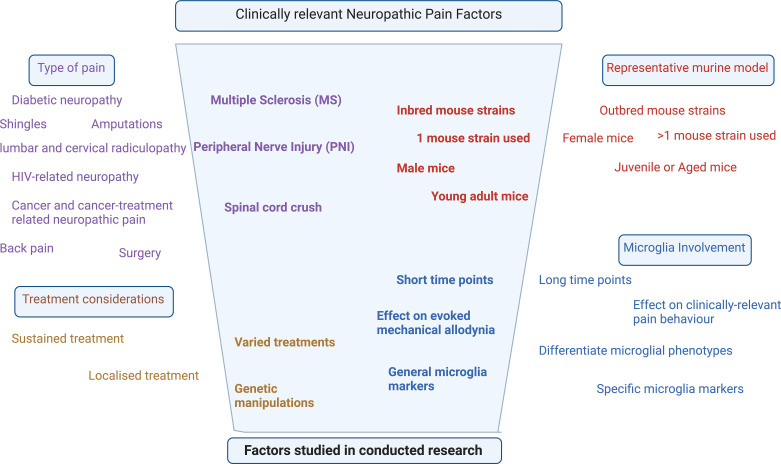
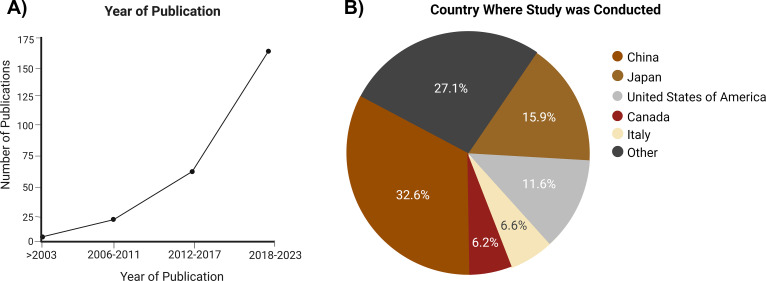
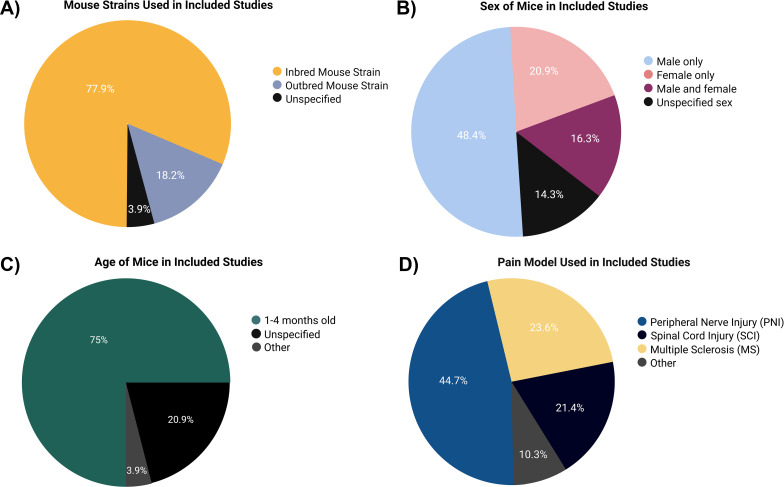
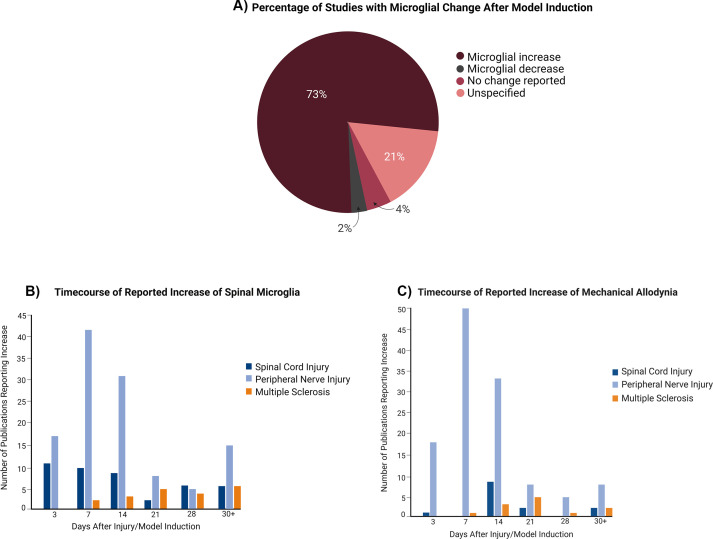
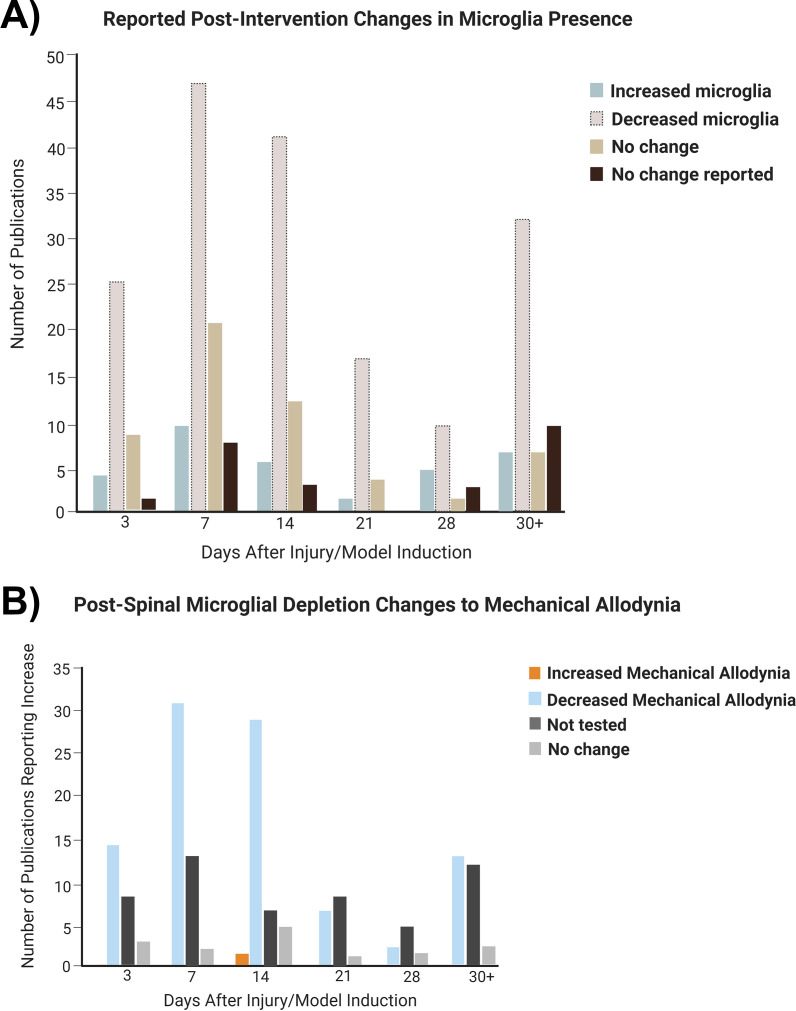
Neuropathic pain (NP) is an ineffectively treated, debilitating chronic pain disorder that is associated with maladaptive changes in the central nervous system, particularly in the spinal cord. Murine models of NP looking at the mechanisms underlying these changes suggest an important role of microglia, the resident immune cells of the central nervous system, in various stages of disease progression. However, given the number of different NP models and the resource limitations that come with tracking longitudinal changes in NP animals, many studies fail to truly recapitulate the patterns that exist between pain conditions and temporal microglial changes. This review integrates how NP studies are being carried out in murine models and how microglia changes over time can affect pain behavior in order to inform better study design and highlight knowledge gaps in the field. 258 peer-reviewed, primary source articles looking at spinal microglia in murine models of NP were selected using Covidence. Trends in the type of mice, statistical tests, pain models, interventions, microglial markers and temporal pain behavior and microglia changes were recorded and analyzed. Studies were primarily conducted in inbred, young adult, male mice having peripheral nerve injury which highlights the lack of generalizability in the data currently being collected. Changes in microglia and pain behavior, which were both increased, were tested most commonly up to 2 weeks after pain initiation despite aberrant microglia activity also being recorded at later time points in NP conditions. Studies using treatments that decrease microglia show decreased pain behavior primarily at the 1- and 2-week time point with many studies not recording pain behavior despite the involvement of spinal microglia dysfunction in their development. These results show the need for not only studying spinal microglia dynamics in a variety of NP conditions at longer time points but also for better clinically relevant study design considerations.
神经性疼痛(NP)是一种治疗效果不佳、使人衰弱的慢性疼痛疾病,与中枢神经系统尤其是脊髓的适应性变化有关。研究这些变化潜在机制的NP小鼠模型表明,小胶质细胞(中枢神经系统的常驻免疫细胞)在疾病进展的各个阶段都发挥着重要作用。然而,鉴于不同NP模型的数量以及追踪NP动物纵向变化所带来的资源限制,许多研究未能真正重现疼痛状况与小胶质细胞随时间变化之间的模式。本综述整合了NP研究在小鼠模型中的开展方式以及小胶质细胞随时间的变化如何影响疼痛行为,以便为更好的研究设计提供信息,并突出该领域的知识空白。使用Covidence筛选了258篇关于NP小鼠模型中脊髓小胶质细胞的同行评审的原始文献。记录并分析了小鼠类型、统计测试、疼痛模型、干预措施、小胶质细胞标记物以及随时间变化的疼痛行为和小胶质细胞变化的趋势。研究主要在患有周围神经损伤的近交系年轻成年雄性小鼠中进行,这凸显了目前所收集数据缺乏普遍性。小胶质细胞和疼痛行为均增加,尽管在NP情况下后期时间点也记录到了异常的小胶质细胞活动,但最常测试的是疼痛开始后2周内的变化。使用减少小胶质细胞的治疗方法的研究表明,疼痛行为主要在第1周和第2周时间点有所下降,尽管许多研究在脊髓小胶质细胞功能障碍参与其发展的情况下并未记录疼痛行为。这些结果表明,不仅需要在更长的时间点研究多种NP情况下脊髓小胶质细胞的动态变化,还需要更好地考虑临床相关的研究设计。