Gahlot Urmila, Sharma Yogendra Kumar, Patel Jaichand, Ragumani Sugadev
Bioinformatics Group, Defense Institute of Physiology and Allied Sciences, Defense Research and Development Organization, Lucknow Road, Timarpur, Delhi, India.
Popul Health Metr. 2024 Dec 30;22(1):40. doi: 10.1186/s12963-024-00349-7.
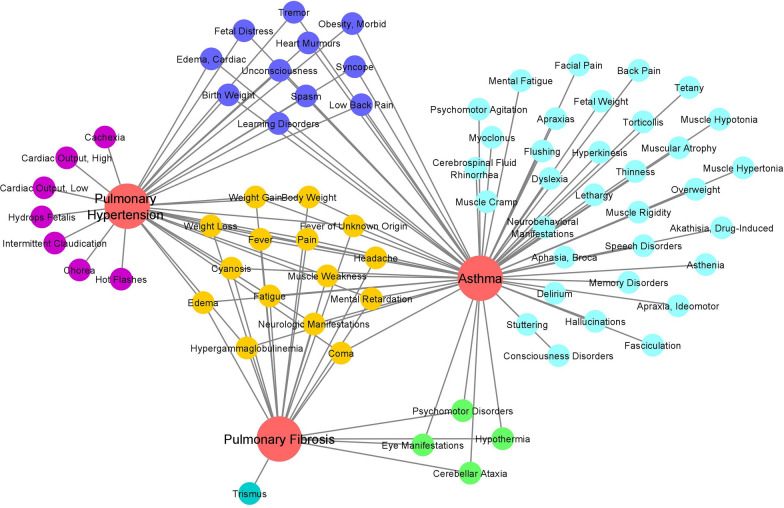
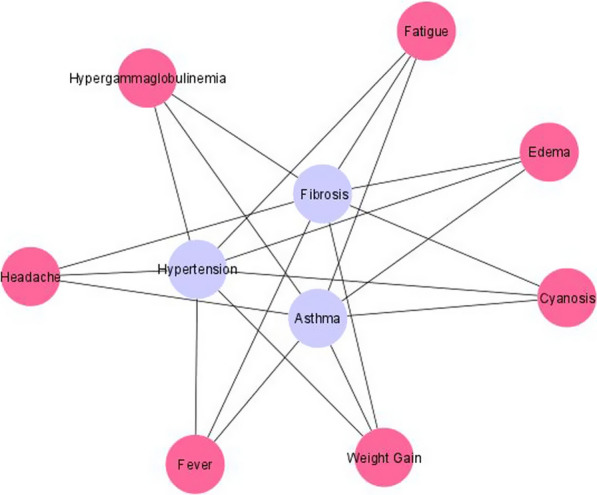
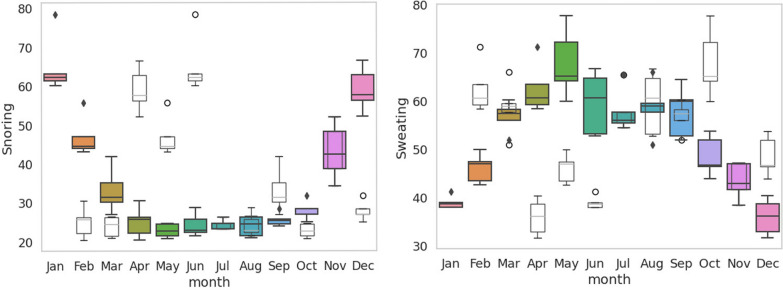
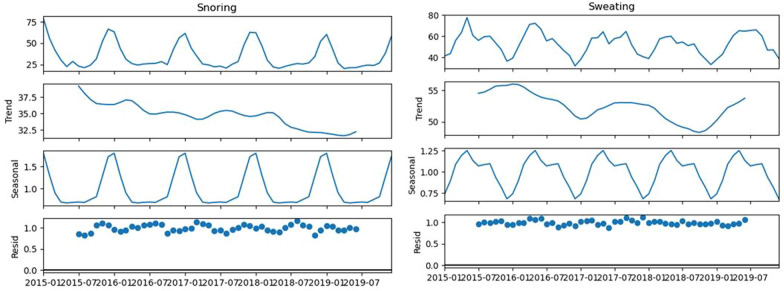
Seasonal variations in the environment induce observable changes in the human physiological system and manifest as various clinical symptoms in a specific human population. Our earlier studies predicted four global severe seasonal sensitive comorbid lifestyle diseases (SCLDs), namely, asthma, obesity, hypertension, and fibrosis. Our studies further indicated that the SCLD category of the human population may be maladapted or unacclimatized to seasonal changes. The current study aimed to explore the major seasonal symptoms associated with SCLD and evaluate their seasonal linkages via Google Trends (GT). We used the Human Disease Symptom Network (HSDN) to dissect common symptoms of SCLD. We then exploited medical databases and medical literature resources in consultation with medical practitioners to narrow down the clinical symptoms associated with four SCLDs, namely, pulmonary hypertension, pulmonary fibrosis, asthma, and obesity. Our study revealed a strong association of 12 clinical symptoms with SCLD. Each clinical symptom was further subjected to GT analysis to address its seasonal linkage. The GT search was carried out in the Indian population for the period from January 2015-December 2019. In the GT analysis, 11 clinical symptoms were strongly associated with Indian seasonal changes, with the exception of hypergammaglobulinemia, due to the lack of GT data in the Indian population. These 11 symptoms also presented sudden increases or decreases in search volume during the two major Indian seasonal transition months, namely, March and November. Moreover, in addition to SCLD, several seasonally associated clinical disorders share most of these 12 symptoms. In this regard, we named these 12 symptoms the "seasonal sensitive comorbid symptoms (SSC)" of the human population. Further clinical studies are needed to verify the utility of these symptoms in screening seasonally maladapted human populations. We also warrant that clinicians and researcher be well aware of the limitations and pitfalls of GT before correlating the clinical outcome of SSC symptoms with GT.
环境中的季节性变化会引起人体生理系统的明显变化,并在特定人群中表现为各种临床症状。我们早期的研究预测了四种全球严重的季节性敏感共病生活方式疾病(SCLD),即哮喘、肥胖、高血压和纤维化。我们的研究进一步表明,人群的SCLD类别可能对季节性变化适应不良或未适应。本研究旨在探索与SCLD相关的主要季节性症状,并通过谷歌趋势(GT)评估它们的季节性联系。我们使用人类疾病症状网络(HSDN)来剖析SCLD的常见症状。然后,我们利用医学数据库和医学文献资源,并咨询医学从业者,以缩小与四种SCLD相关的临床症状范围,这四种疾病分别是肺动脉高压、肺纤维化、哮喘和肥胖。我们的研究揭示了12种临床症状与SCLD之间存在密切关联。对每种临床症状进一步进行GT分析,以探讨其季节性联系。GT搜索在印度人群中进行,时间跨度为2015年1月至2019年12月。在GT分析中,除高球蛋白血症外,11种临床症状与印度的季节性变化密切相关,这是因为印度人群中缺乏GT数据。这11种症状在印度两个主要的季节性过渡月份,即3月和11月,搜索量也出现了突然的增加或减少。此外,除了SCLD外,几种与季节相关的临床疾病也有这12种症状中的大部分。在这方面,我们将这12种症状命名为人群的“季节性敏感共病症状(SSC)”。需要进一步的临床研究来验证这些症状在筛查季节性适应不良人群中的效用。我们还保证,临床医生和研究人员在将SSC症状的临床结果与GT相关联之前,要充分意识到GT的局限性和缺陷。