Yang Yujia, Yang Zhiyi, Zhang Xinkui, Niu Beibei, Huang Qiuhong, Li Yan, Yin Huifang, Zhang Xianpeng, Liao Ming, Jia Weixin
Guangdong Engineering Laboratory for Medicament of Zoonosis Prevention and Control, Key Laboratory of Zoonoses Prevention and Control of Guangdong Province, National Avian Influenza Para-Reference Laboratory (Guangzhou), College of Veterinary Medicine, South China Agricultural University, Guangzhou, 510642, China.
Engineering Research Center for the Prevention and Control of Animal Original Zoonosis of Fujian Province University, College of Life Science, Longyan University, Longyan, 364012, China.
Poult Sci. 2025 Feb;104(2):104745. doi: 10.1016/j.psj.2024.104745. Epub 2024 Dec 28.
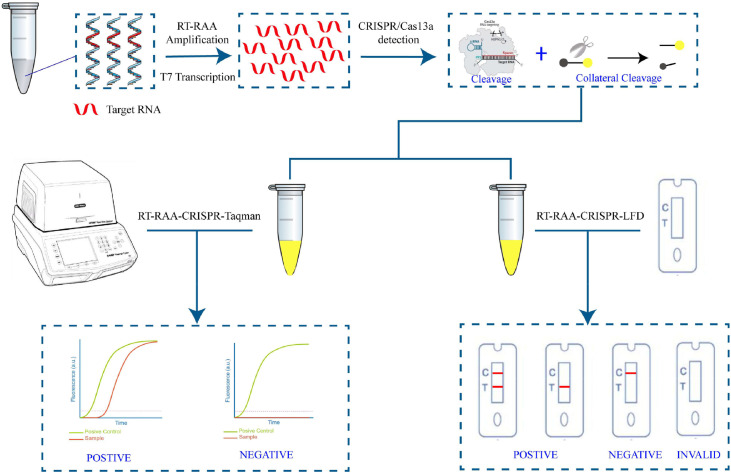
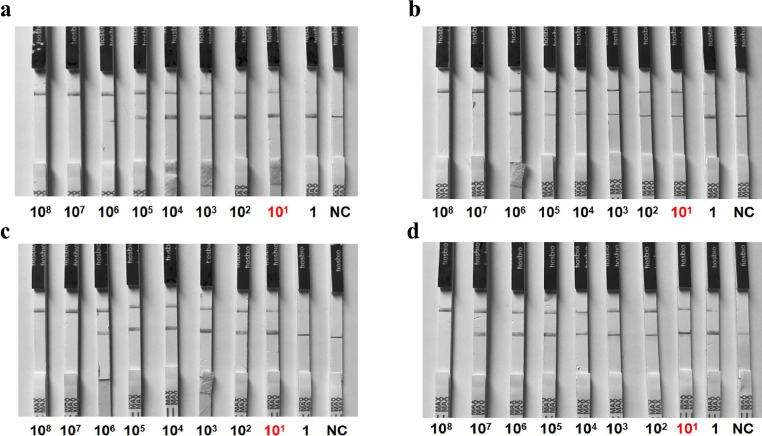
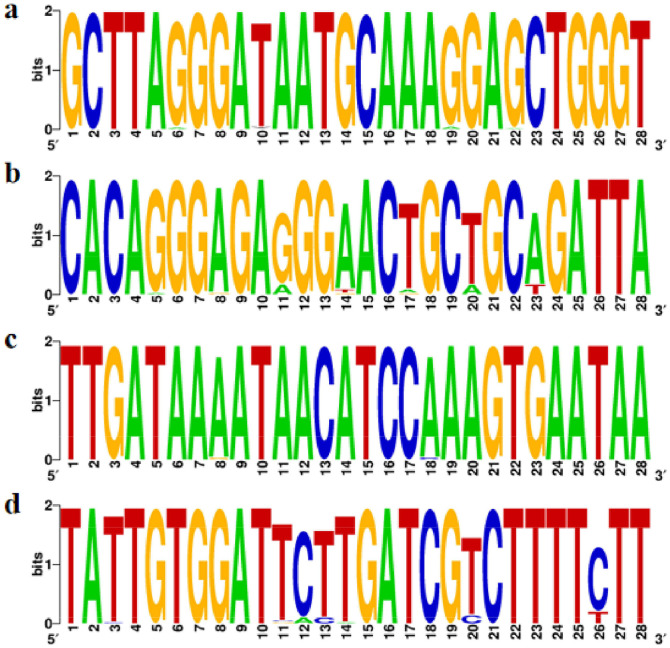
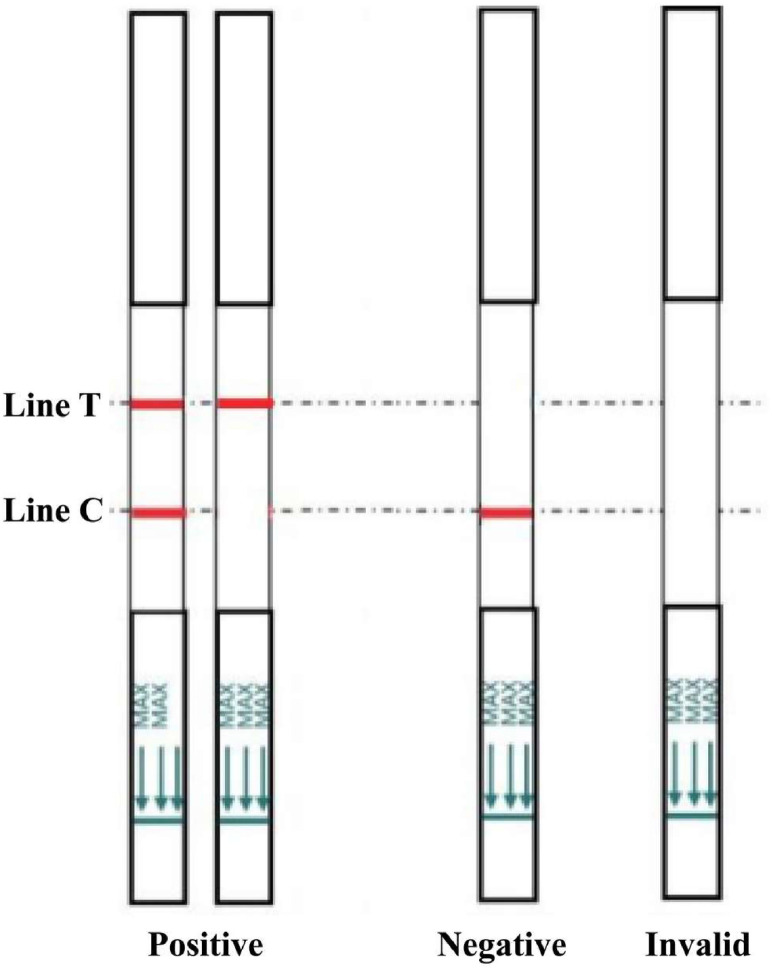
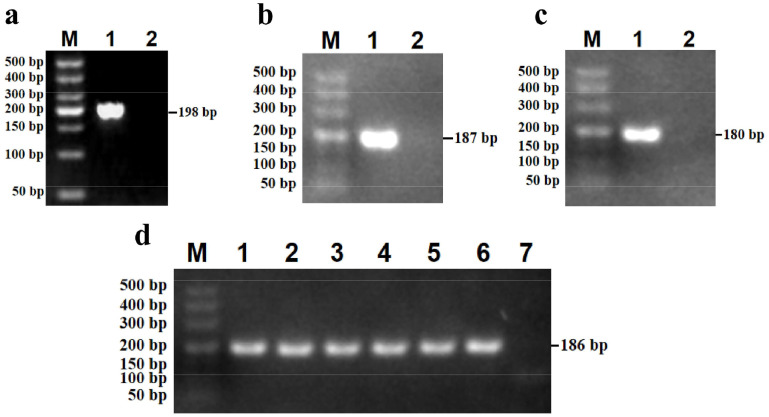
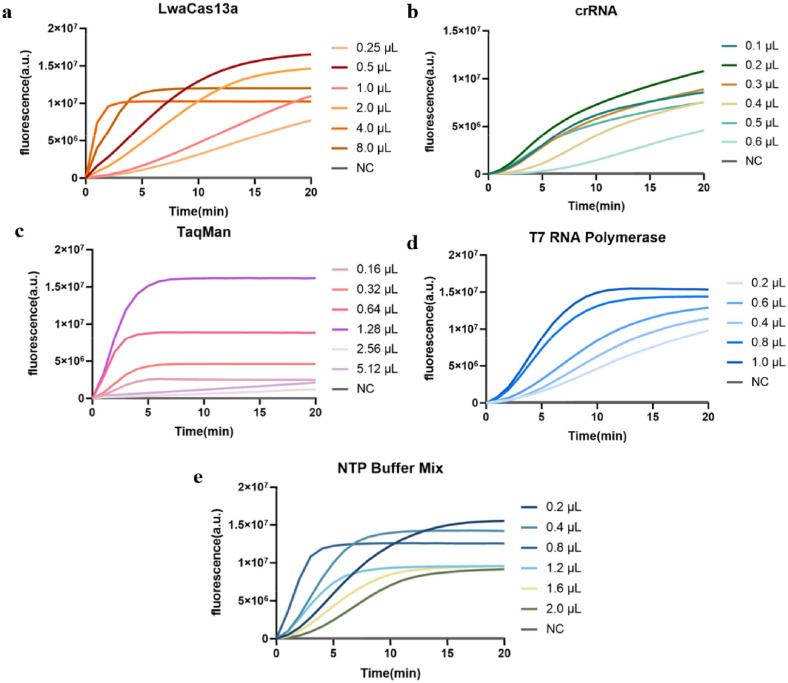
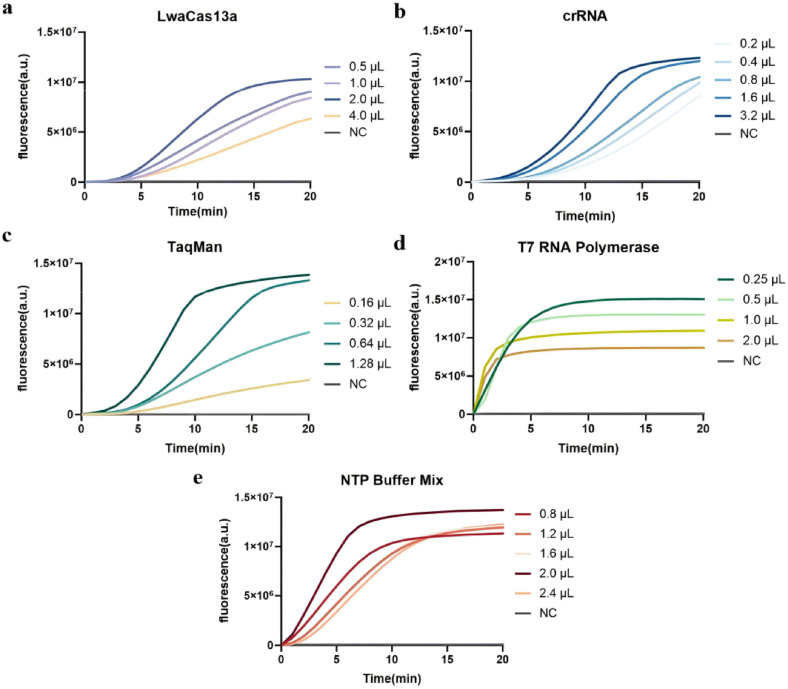
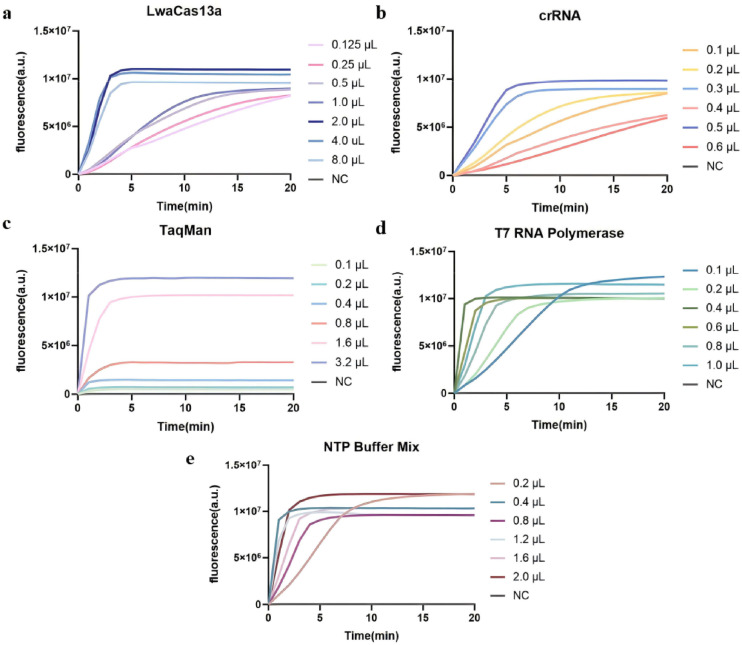
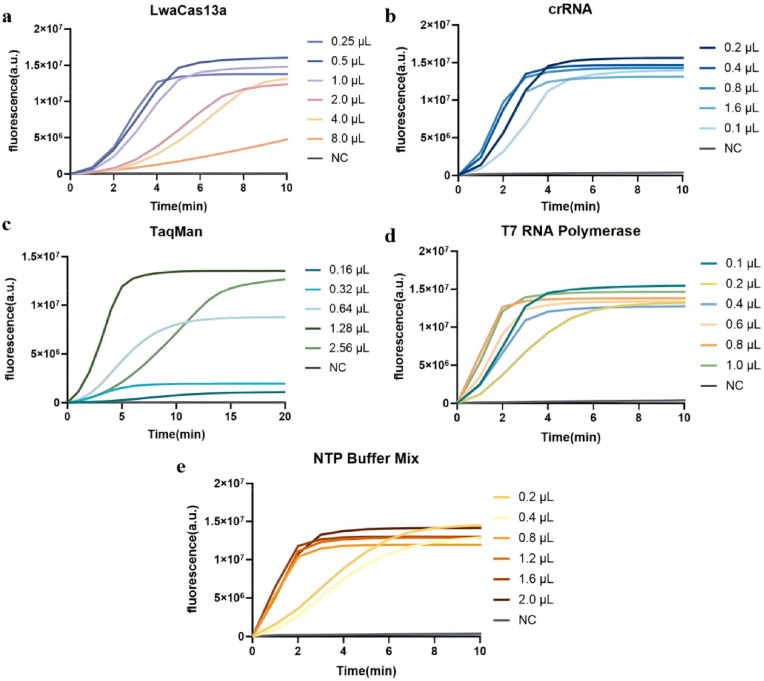
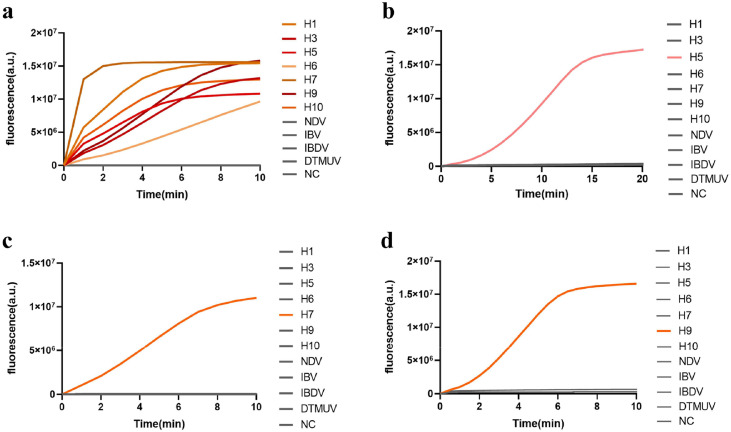
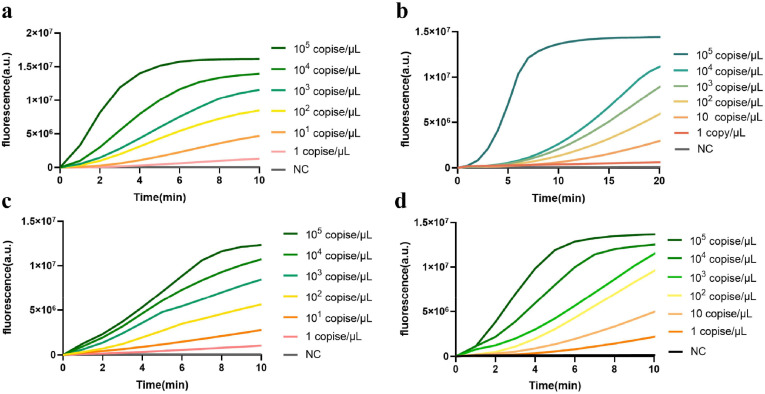
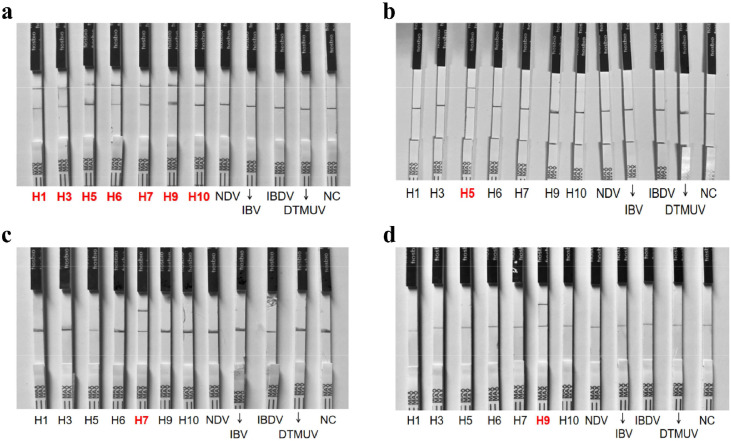
Avian Influenza Virus (AIV) has been prevalent worldwide in recent years, resulting in substantial economic losses in the poultry industry. More importantly, AIV is capable of cross-species transmission among mammals, posing a dormant yet considerable threat to human health and safety. In this study, two rapid detection methods for AIV based on the CRISPR-Cas13a were developed. These methods can identify AIV through the M gene and differentiate the H5, H7, and H9 subtypes via the HA gene. The first method utilizes RT-RAA isothermal amplification of the target sequence in combination with the "collateral effect" of the Cas13a protein. The results are measured using a real-time quantitative PCR instrument, with a Limit of Detection (LOD) as low as 1 copy/μL. The second method combines RT-RAA with Cas13a and a lateral flow assay, allowing results to be visually observed with the naked eye, with a LOD of 10 copies/μL. Both methods demonstrated specificity and sensitivity comparable to or exceeding that of qRT-PCR, suggesting strong potential for clinical application.
近年来,禽流感病毒(AIV)在全球范围内广泛流行,给家禽业造成了巨大的经济损失。更重要的是,AIV能够在哺乳动物之间进行跨物种传播,对人类健康和安全构成潜在但相当大的威胁。在本研究中,开发了两种基于CRISPR-Cas13a的AIV快速检测方法。这些方法可以通过M基因鉴定AIV,并通过HA基因区分H5、H7和H9亚型。第一种方法利用靶序列的RT-RAA等温扩增结合Cas13a蛋白的“附带效应”。使用实时定量PCR仪测量结果,检测限(LOD)低至1拷贝/μL。第二种方法将RT-RAA与Cas13a和侧向流动分析相结合,使结果能够用肉眼直观观察,LOD为10拷贝/μL。两种方法都显示出与qRT-PCR相当或超过qRT-PCR的特异性和灵敏度,表明具有很强的临床应用潜力。