Deniz Yahya, Celayir Arın, Marangoz Hasan, Guven Mehmet Fatih
Orthopedics and Traumatology, Istanbul University-Cerrahpasa, Istanbul, TUR.
Cureus. 2024 Dec 2;16(12):e74987. doi: 10.7759/cureus.74987. eCollection 2024 Dec.
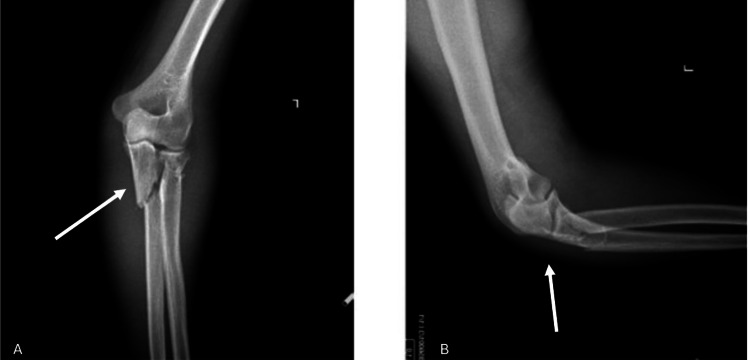
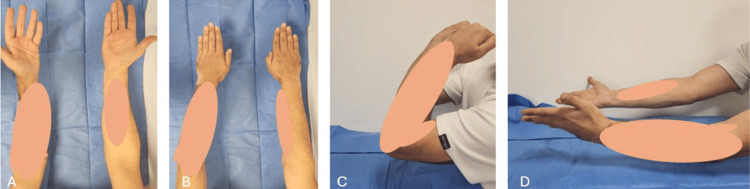
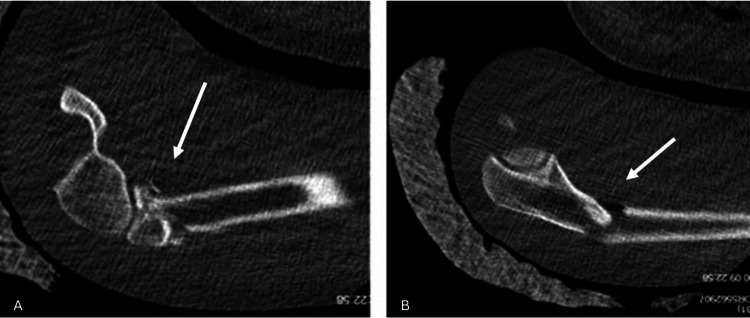
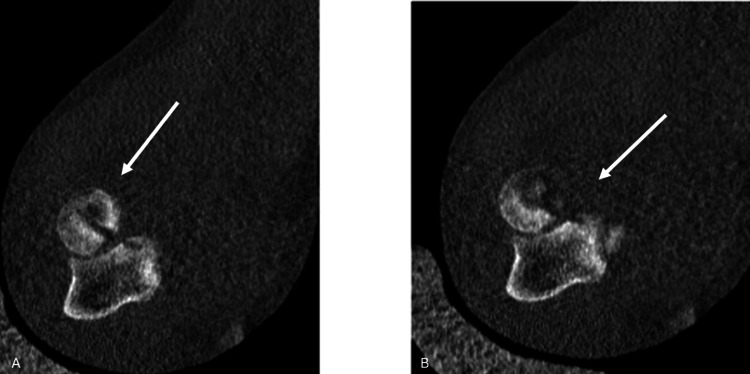
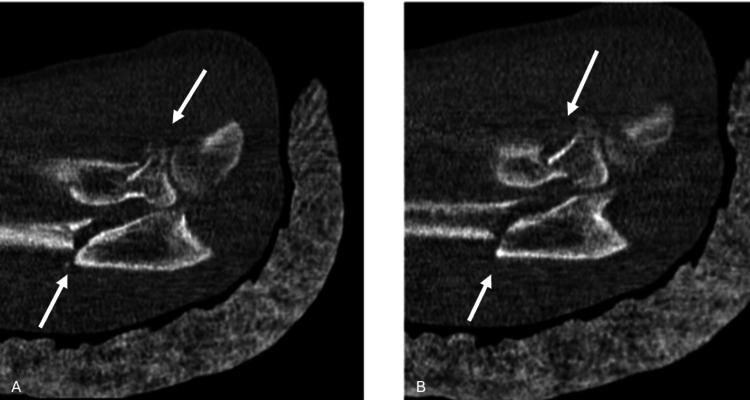
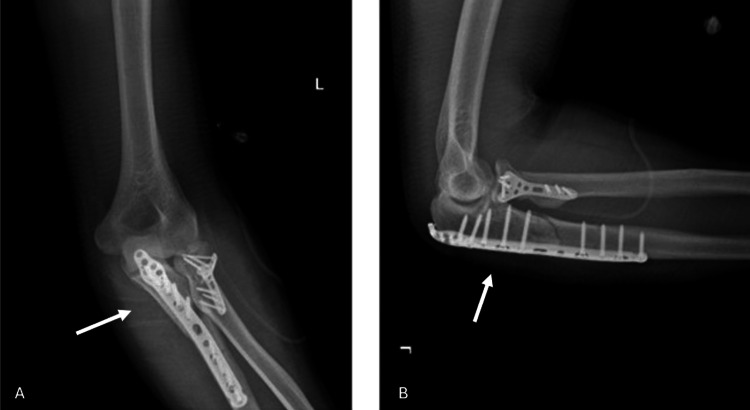
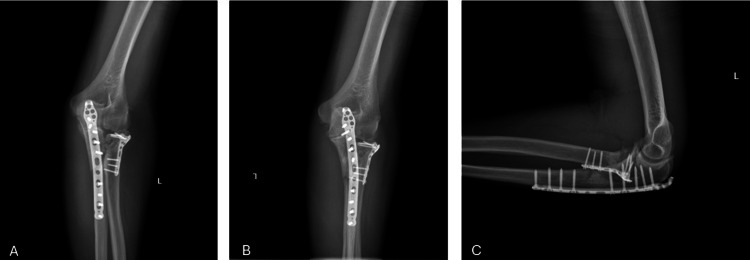
Fractures involving the proximal ulna and radial head are common injuries that occur in the upper extremity, often resulting from traumatic incidents such as falls or direct impact. The proximal ulna forms the elbow joint with the humerus, while the radial head articulates with both the humerus and the ulna, facilitating forearm rotation. Fractures in these areas can disrupt the stability and function of the elbow joint, leading to pain, swelling, and limited range of motion. Clinically, it is more common to observe a radial head dislocation with a proximal ulna fracture. This fracture is referred to as a Monteggia fracture-dislocation. A radial head fracture and proximal ulna fracture occurring independently are not frequently encountered. In this study, we aim to discuss the surgical intervention performed on a patient with fractures of the proximal ulna and radial head, as well as the postoperative physical therapy follow-up.
累及尺骨近端和桡骨头的骨折是上肢常见的损伤,通常由跌倒或直接撞击等外伤事件引起。尺骨近端与肱骨形成肘关节,而桡骨头与肱骨和尺骨都有关节连接,便于前臂旋转。这些部位的骨折会破坏肘关节的稳定性和功能,导致疼痛、肿胀和活动范围受限。临床上,尺骨近端骨折合并桡骨头脱位更为常见。这种骨折被称为孟氏骨折脱位。桡骨头骨折和尺骨近端骨折单独发生的情况并不常见。在本研究中,我们旨在讨论对一名尺骨近端和桡骨头骨折患者进行的手术干预以及术后的物理治疗随访情况。