Huang Fugang, Huang Shuo, Sun Ke, Chen Yanhao, Xie Guanqun, Bao Jie, Fan Yongsheng
The First School of Clinical Medicine, Zhejiang Chinese Medical University, Hangzhou, People's Republic of China.
School of Basic Medical Sciences, Zhejiang Chinese Medical University, Hangzhou, People's Republic of China.
Sci Rep. 2025 Jan 2;15(1):435. doi: 10.1038/s41598-024-84704-6.
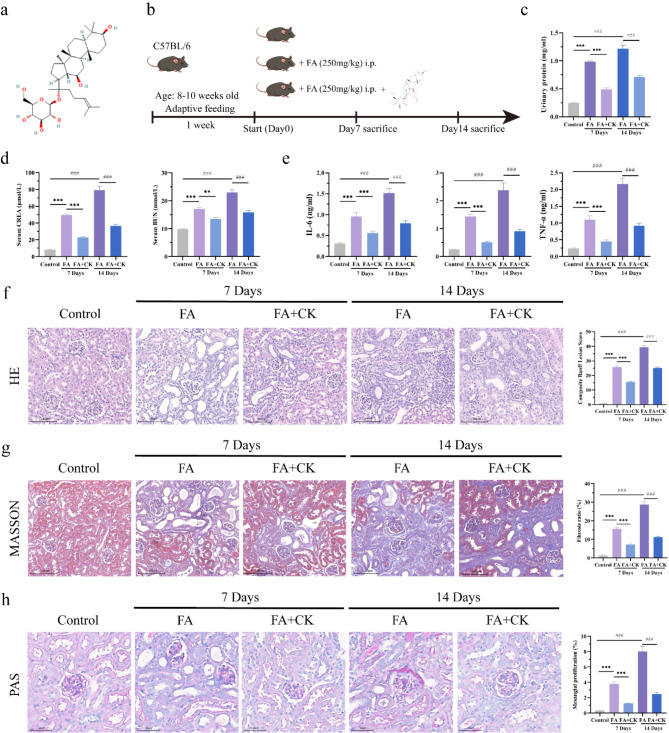
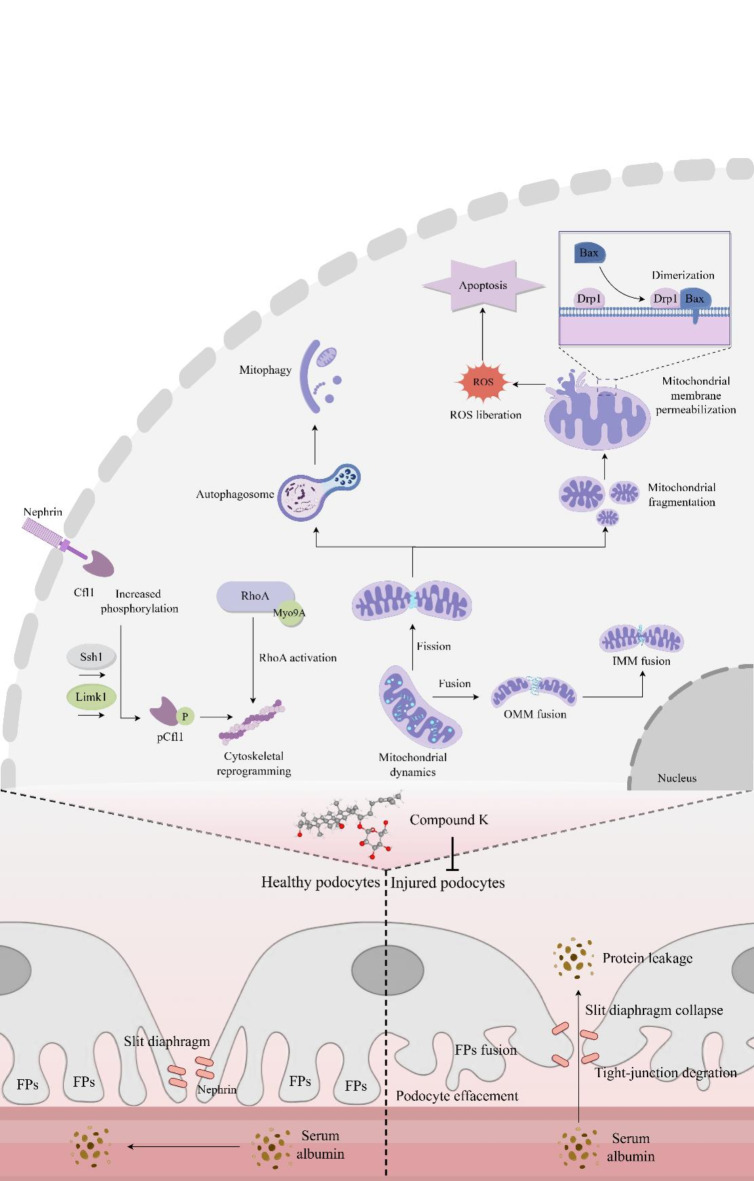
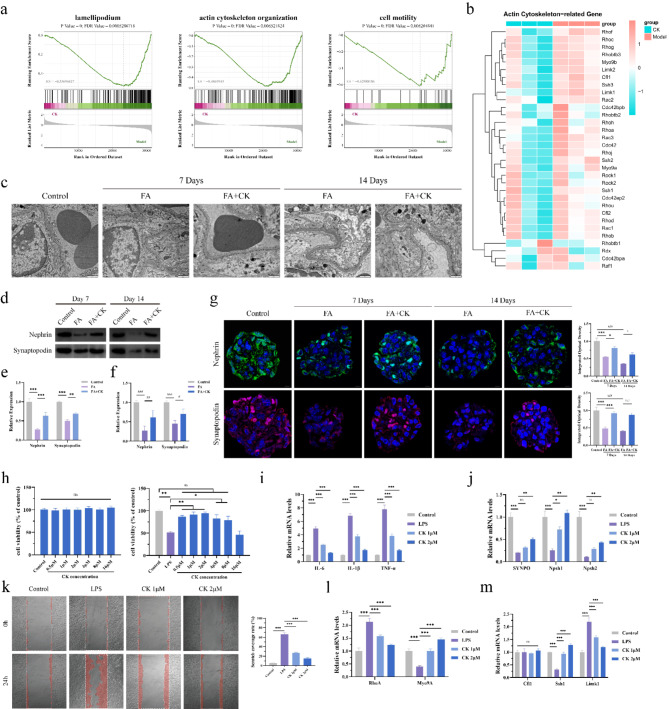
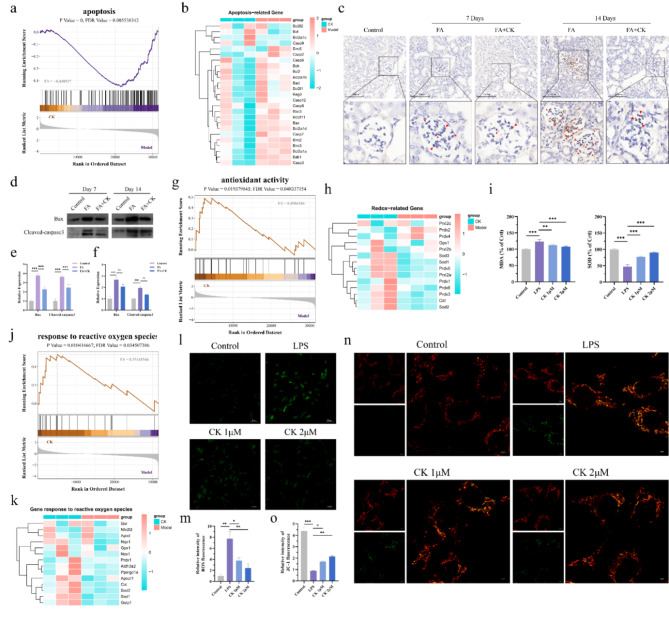
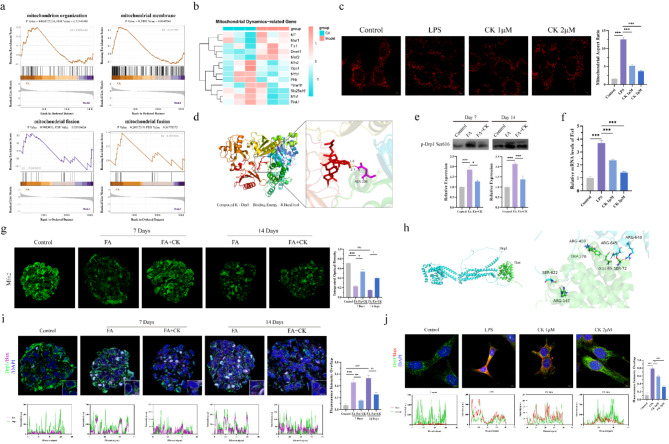
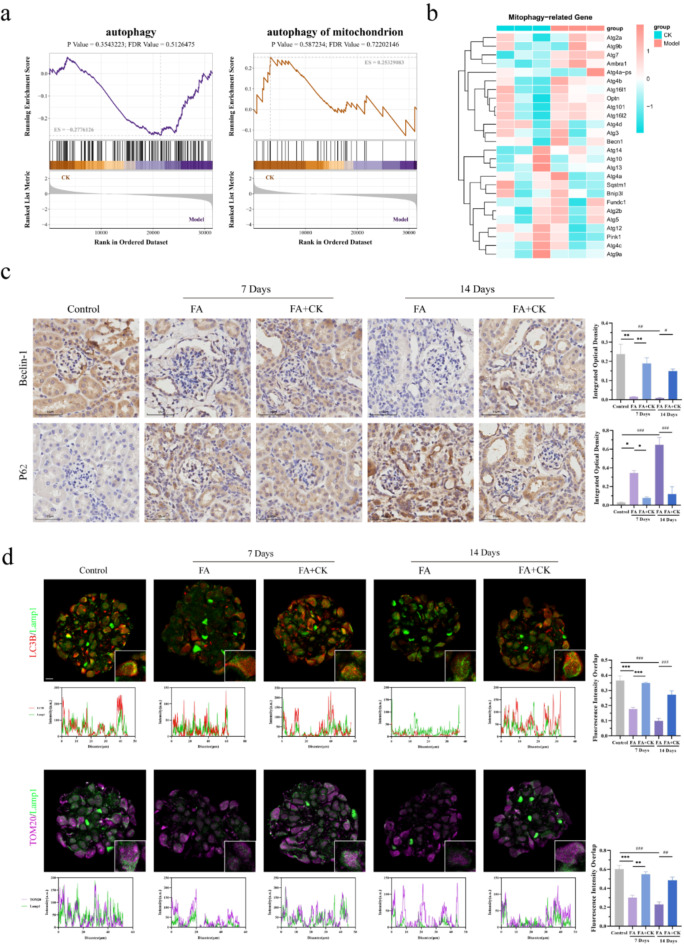
Chronic kidney disease (CKD) stands as a formidable global health challenge, often advancing to end-stage renal disease (ESRD) with devastating morbidity and mortality. At the central of this progression lies podocyte injury, a critical determinant of glomerular dysfunction. Compound K (CK), a bioactive metabolite derived from ginsenoside, has emerged as a compelling candidate for nephroprotective therapy. Here, we unveil the profound therapeutic potential of CK in a folic acid (FA)-induced CKD mouse model, demonstrating its ability to restore renal function and mitigate podocyte injury. CK exerted its nephroprotective effects by reinforcing inter-podocyte junctions, suppressing aberrant podocyte motility, and preventing podocyte detachment and apoptosis, thereby safeguarding the glomerular filtration barrier. Mechanistically, we identified mitochondrial dysregulation as a key driver of excessive oxidative stress, which is commonly associated with podocyte damage. CK remarkably restored mitochondrial homeostasis by attenuating pathological mitochondrial fission and enhancing mitophagy, thereby rebalancing the delicate mitochondrial network. Intriguingly, CK may disrupt the formation of the Drp1-Bax dimer, a crucial mediator of mitochondrial apoptosis, further averting podocyte loss. Collectively, our findings highlight CK as a potent nephroprotective agent, offering a novel therapeutic avenue for CKD management and redefining possibilities in the battle against progressive renal disease.
慢性肾脏病(CKD)是一项严峻的全球健康挑战,常常进展为终末期肾病(ESRD),带来严重的发病率和死亡率。在这一病程的核心是足细胞损伤,它是肾小球功能障碍的关键决定因素。化合物K(CK)是一种源自人参皂苷的生物活性代谢产物,已成为肾保护治疗的有力候选物。在此,我们揭示了CK在叶酸(FA)诱导的CKD小鼠模型中的巨大治疗潜力,证明了其恢复肾功能和减轻足细胞损伤的能力。CK通过加强足细胞间连接、抑制异常的足细胞运动以及防止足细胞脱离和凋亡来发挥其肾保护作用,从而保护肾小球滤过屏障。从机制上讲,我们确定线粒体功能失调是过度氧化应激的关键驱动因素,而氧化应激通常与足细胞损伤相关。CK通过减弱病理性线粒体分裂和增强线粒体自噬显著恢复了线粒体稳态,从而重新平衡了精细的线粒体网络。有趣的是,CK可能破坏Drp1 - Bax二聚体的形成,而Drp1 - Bax二聚体是线粒体凋亡的关键介质,进一步避免了足细胞丢失。总体而言,我们的研究结果突出了CK作为一种有效的肾保护剂,为CKD的管理提供了一条新的治疗途径,并重新定义了对抗进行性肾病的可能性。