Almudimeegh Almuntsrbellah, AlMutairi Hanadi, AlTassan Fatimah, AlQuraishi Yomna, Nagshabandi Khalid Nabil
Department of Dermatology, King Saud University Medical City, Riyadh.
College of Medicine, King Saud University, Riyadh.
Dermatol Reports. 2024 Apr 12;16(4):9909. doi: 10.4081/dr.2024.9909. eCollection 2024 Nov 21.
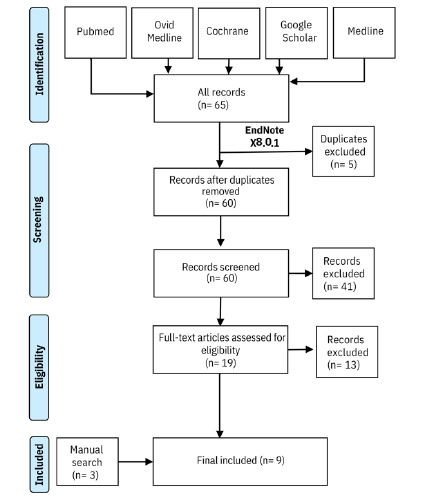
Nowadays androgenetic alopecia (AGA) has become a common concern of affected subjects of both sexes. Finasteride is approved by the Food and Drug Administration for the treatment of male AGA. There is no clear evidence to support the use of dutasteride in male AGA. In female AGA, the effectiveness of dutasteride and finasteride is still under debate, and there is no clear evidence to use any of them in female AGA. A systematic review was conducted to compare dutasteride and finasteride in treating both male and female AGA and their efficacy, safety, and side effects with effective dosage. The review was done using several databases including: PubMed, Ovid Medline, Google Scholar, and Cochrane, using the following search terms/key words: "Dutasteride", "Finasteride", "Male pattern hair loss", "Female pattern hair loss", "Efficacy", "Tolerability", "Side effects", and "Comparison". Articles related to the efficacy, tolerability, and side effects of dutasteride and finasteride in the treatment of male and female AGA were specifically sought, considering the doses used for each medication. The review encompassed a total of nine studies. Four randomized controlled trials, one single-arm trial, two prospective cohorts, and two retrospective cohort studies. Seven studies exclusively enrolled male participants, while only two included female participants. All groups receiving various doses of dutasteride and finasteride exhibited a significant increase in hair count compared to the placebo group. Notably, dutasteride (0.5 mg) and dutasteride (2.5 mg) were significantly more effective than finasteride (1 mg) in increasing hair counts. Furthermore, no significant difference in adverse events was observed between finasteride and dutasteride. Dutasteride is more potent than finasteride in treating AGA in both males and females. All the adverse events between finasteride and dutasteride were comparable.
如今,雄激素性脱发(AGA)已成为男女患者共同关注的问题。非那雄胺已获美国食品药品监督管理局批准用于治疗男性AGA。目前尚无明确证据支持度他雄胺用于男性AGA的治疗。在女性AGA中,度他雄胺和非那雄胺的有效性仍存在争议,且尚无明确证据表明可将其中任何一种用于女性AGA的治疗。开展了一项系统评价,比较度他雄胺和非那雄胺治疗男性和女性AGA的效果及其疗效、安全性和有效剂量下的副作用。该评价使用了多个数据库,包括:PubMed、Ovid Medline、谷歌学术和考克兰图书馆,使用了以下检索词/关键词:“度他雄胺”、“非那雄胺”、“男性型脱发”、“女性型脱发”、“疗效”、“耐受性”、“副作用”和“比较”。特别检索了与度他雄胺和非那雄胺治疗男性和女性AGA的疗效、耐受性和副作用相关的文章,并考虑了每种药物的使用剂量。该评价共纳入9项研究。4项随机对照试验、1项单臂试验、2项前瞻性队列研究和2项回顾性队列研究。7项研究仅纳入男性参与者,只有2项纳入女性参与者。与安慰剂组相比,所有接受不同剂量度他雄胺和非那雄胺的组毛发数量均显著增加。值得注意的是,度他雄胺(0.5毫克)和度他雄胺(2.5毫克)在增加毛发数量方面比非那雄胺(1毫克)显著更有效。此外,非那雄胺和度他雄胺在不良事件方面未观察到显著差异。在治疗男性和女性AGA方面,度他雄胺比非那雄胺更有效。非那雄胺和度他雄胺之间的所有不良事件具有可比性。