Deng Chao, Li Liuxi, Hu Huanxiao, Xu Zhichao, Zhou Yi, Yin Quan, Chen Juan
Hunan Engineering Research Center of Structural Safety and Disaster Prevention for Urban Underground Infrastructure, Hunan City University, Yiyang, 413000, People's Republic of China.
Hunan Engineering Research Center of Development and Application of Ceramsite Concrete Technology, Hunan City University, Yiyang, 413000, Hunan Province, People's Republic of China.
Sci Rep. 2025 Jan 3;15(1):700. doi: 10.1038/s41598-024-84928-6.
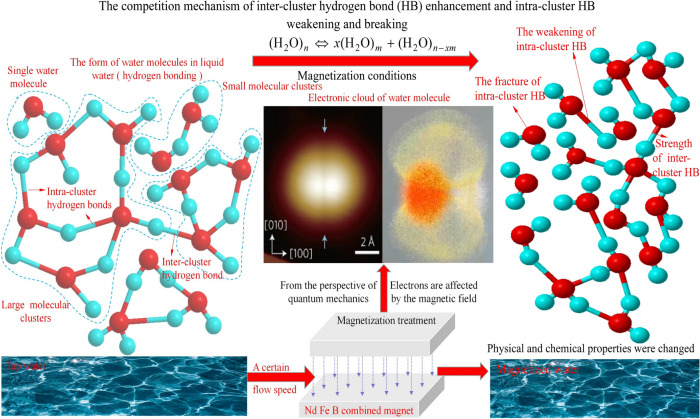
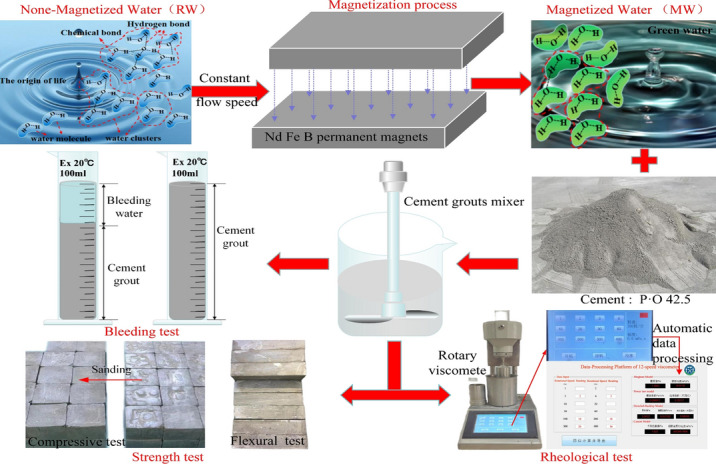
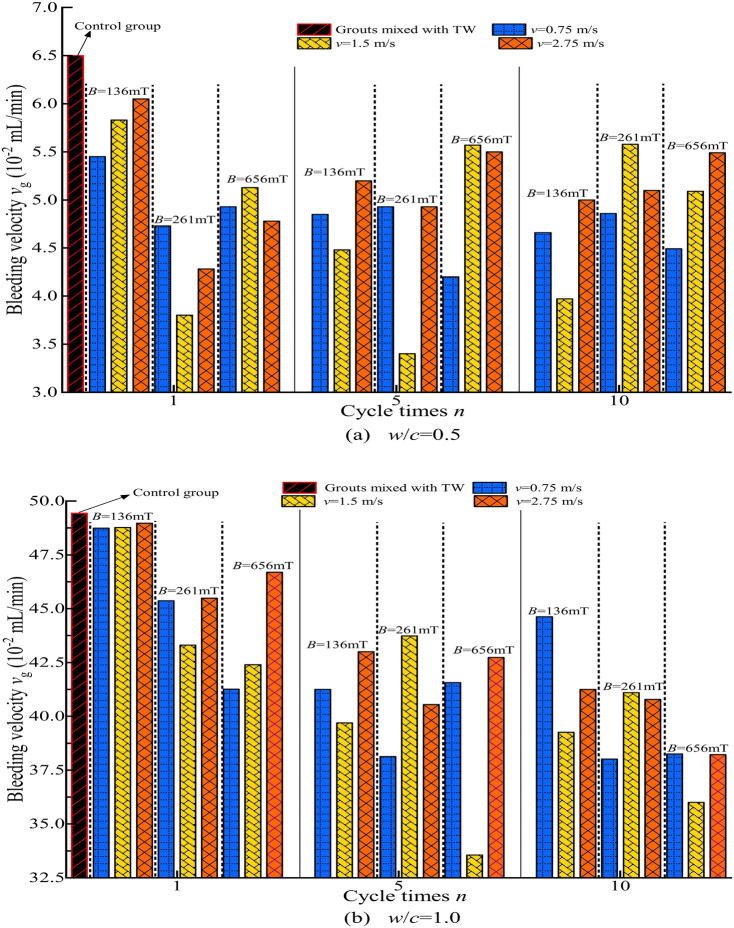
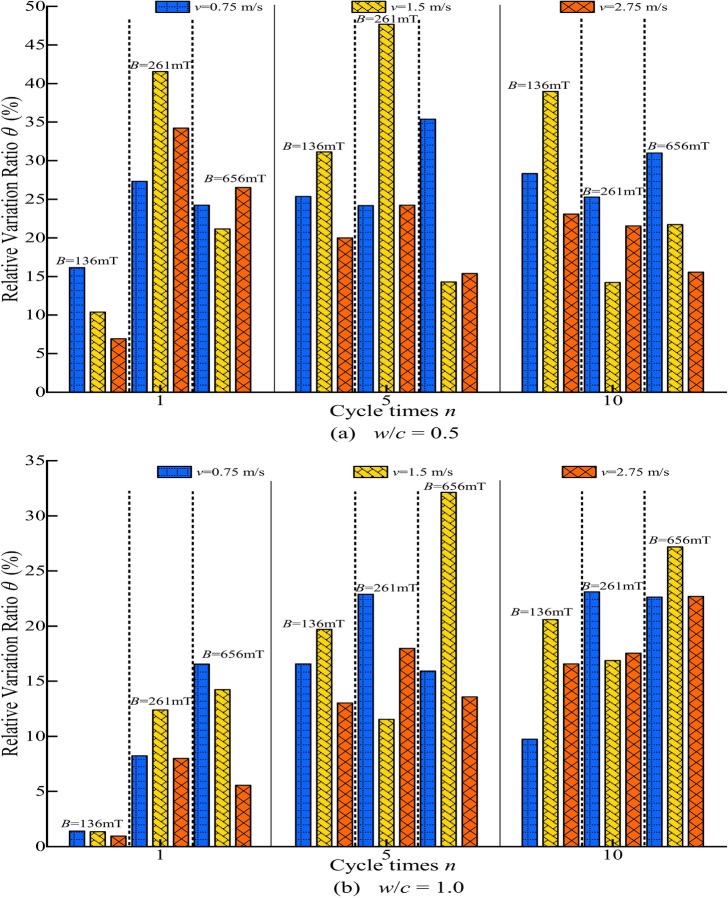
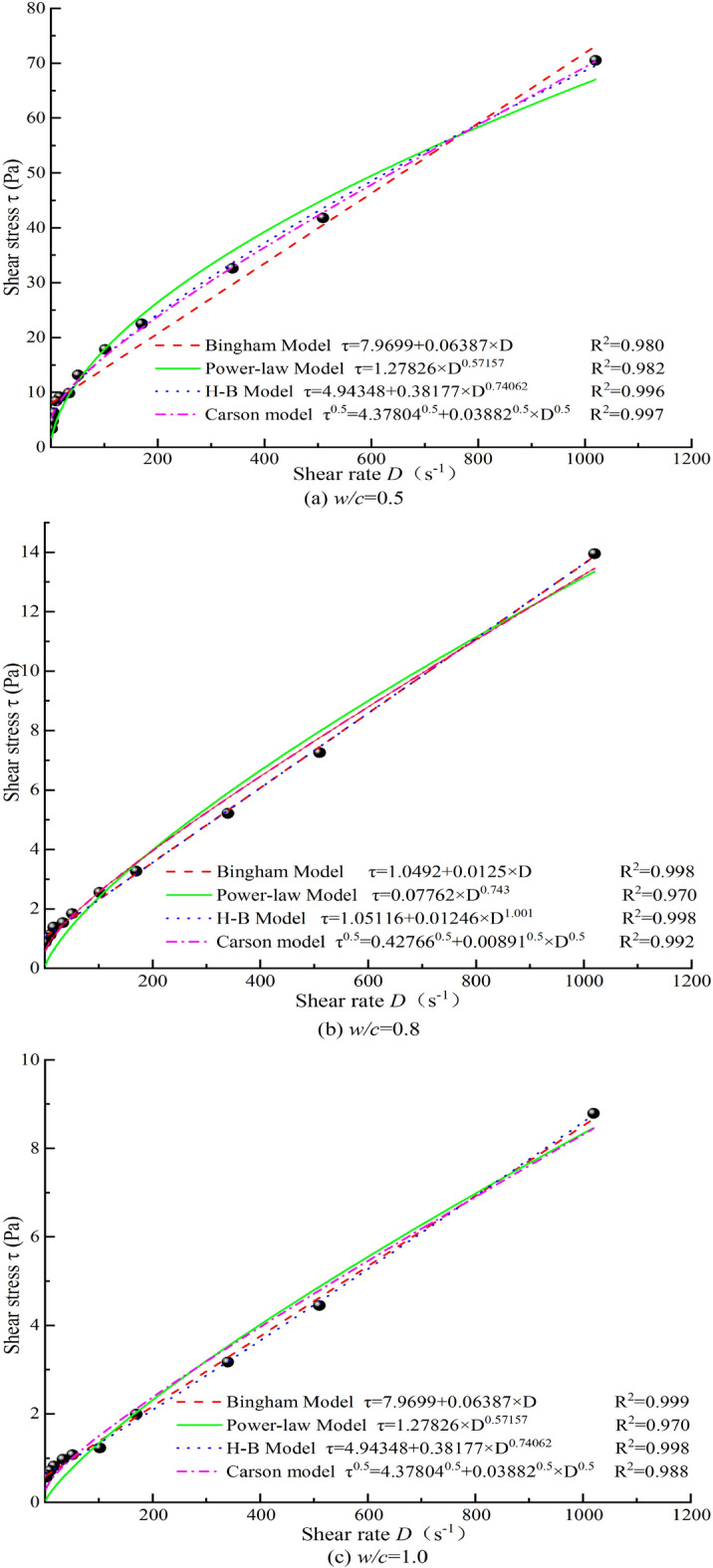
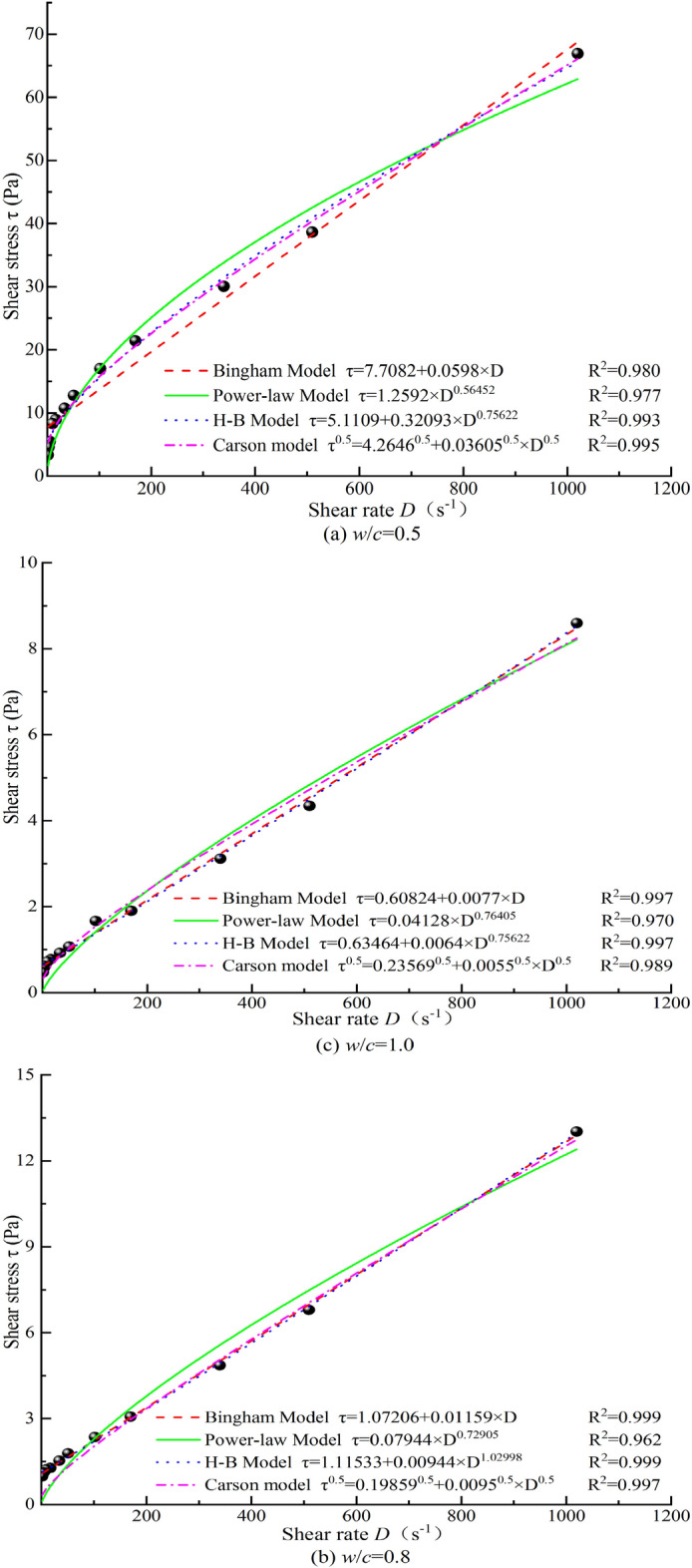
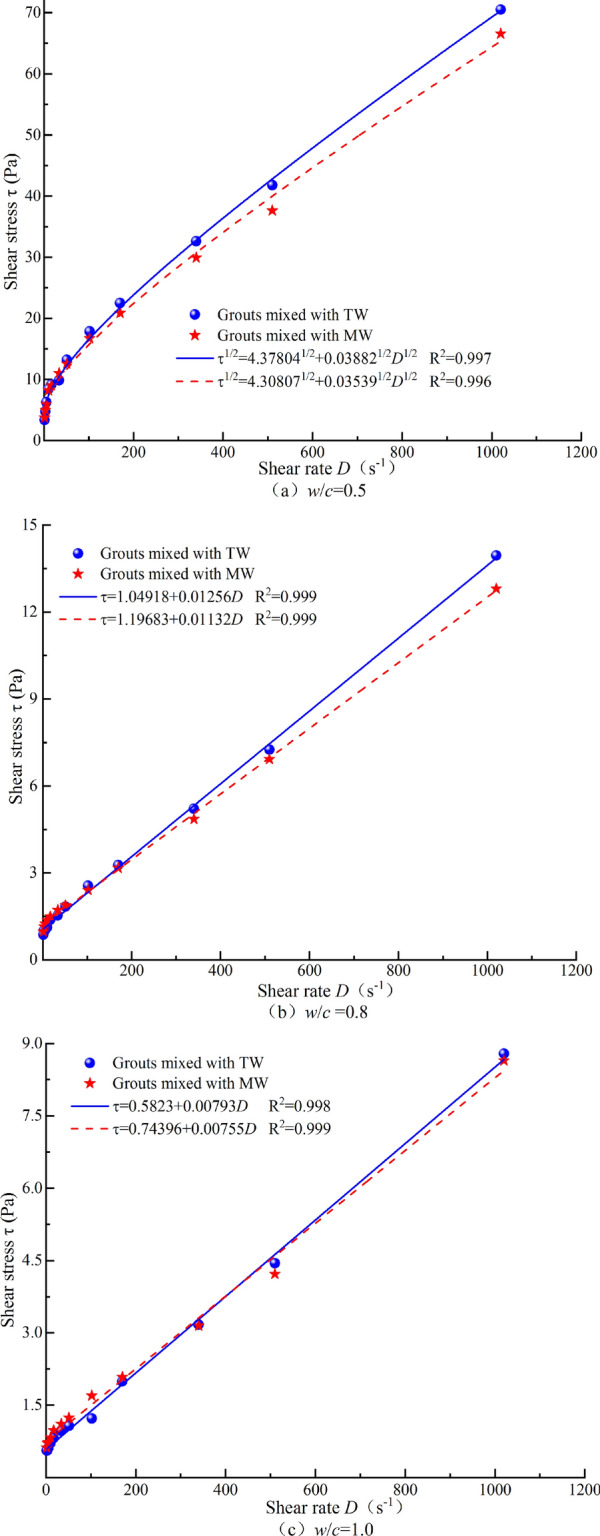
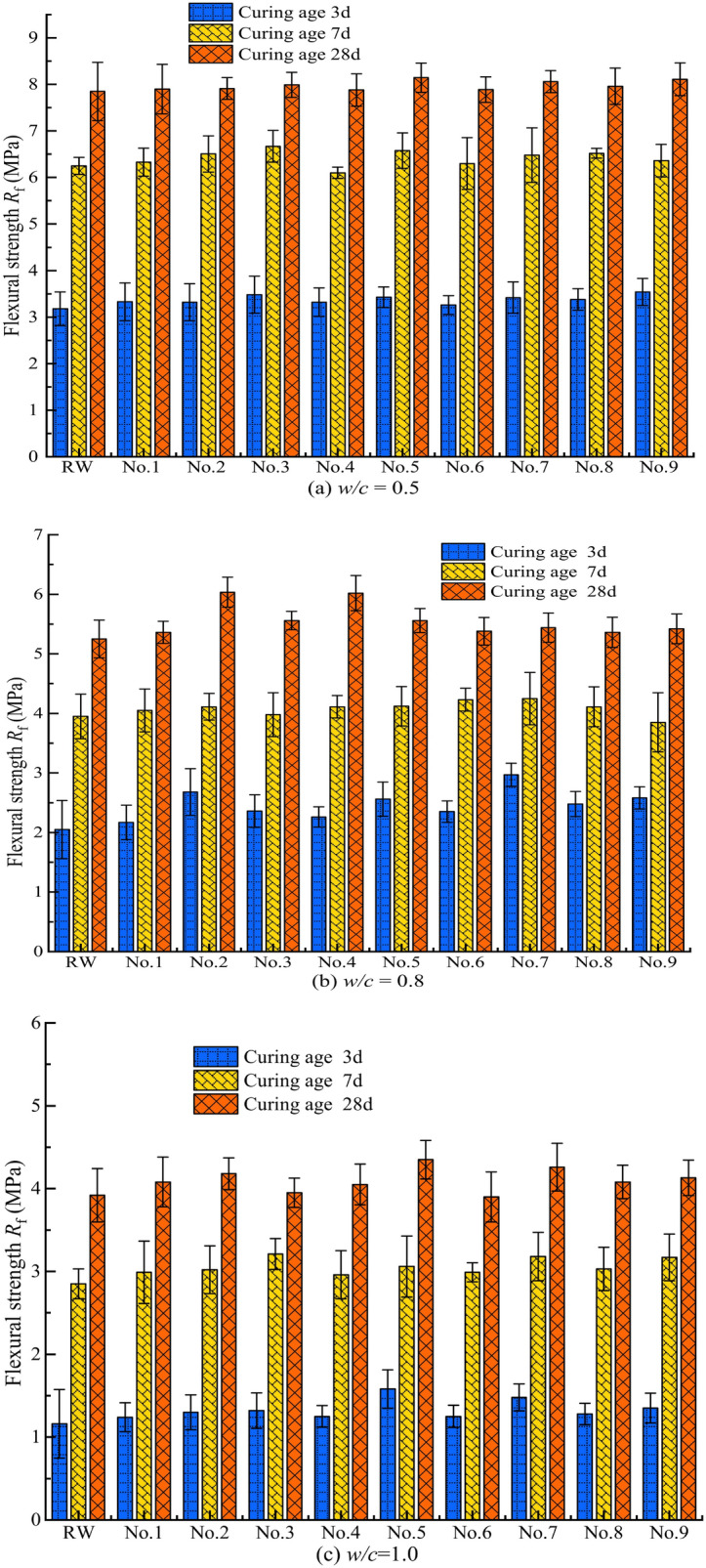
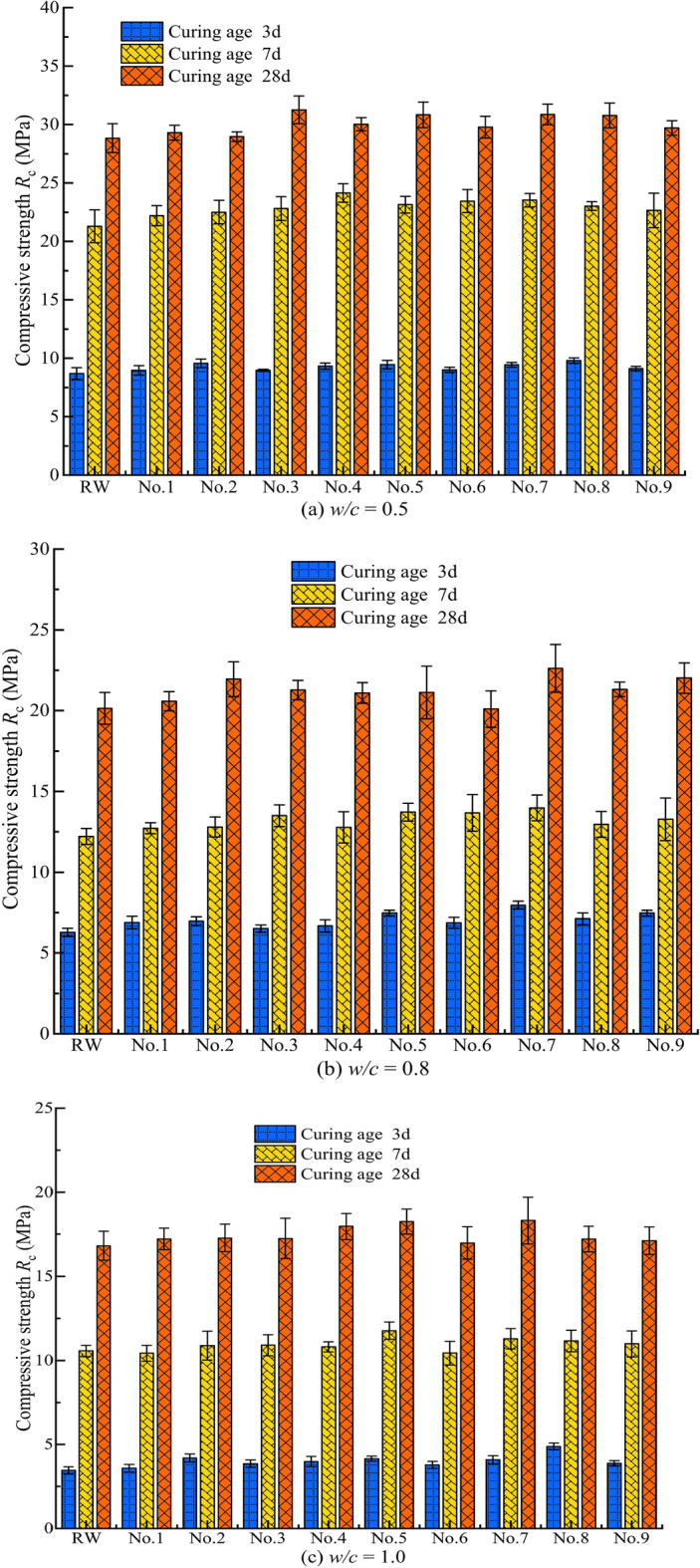
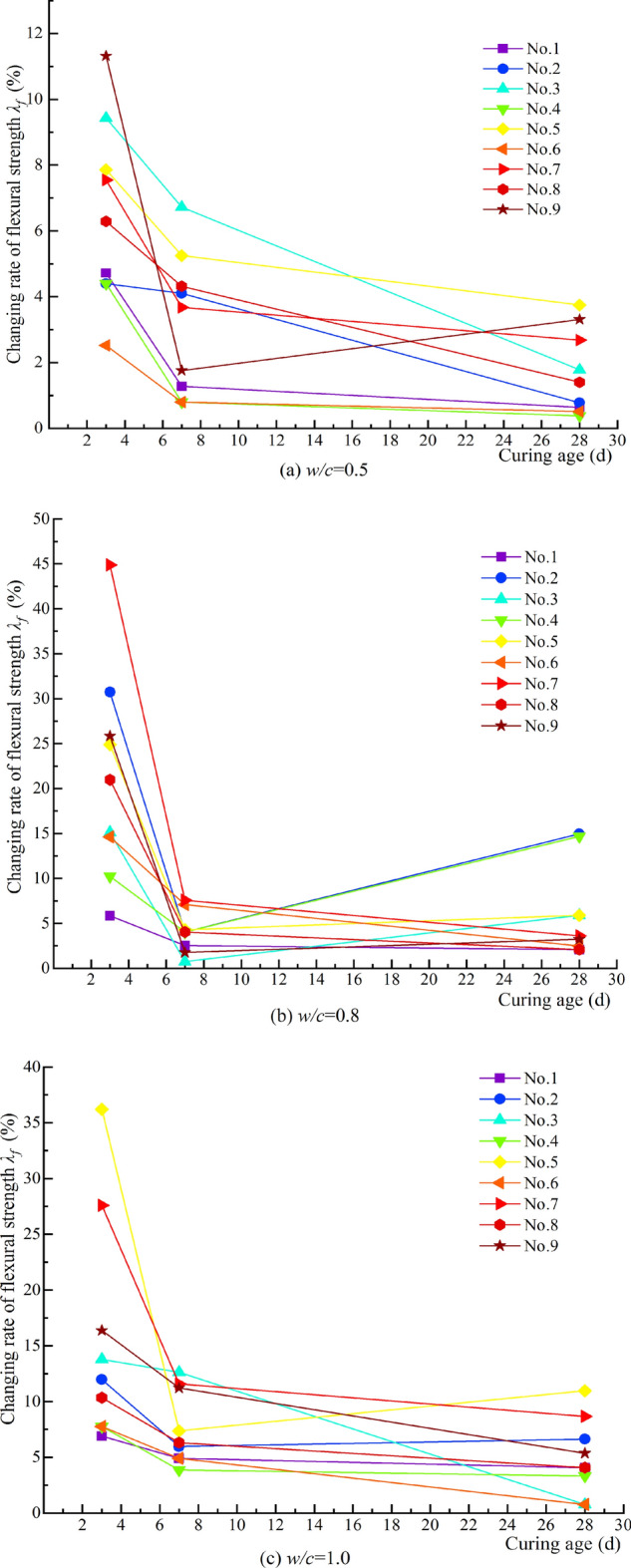
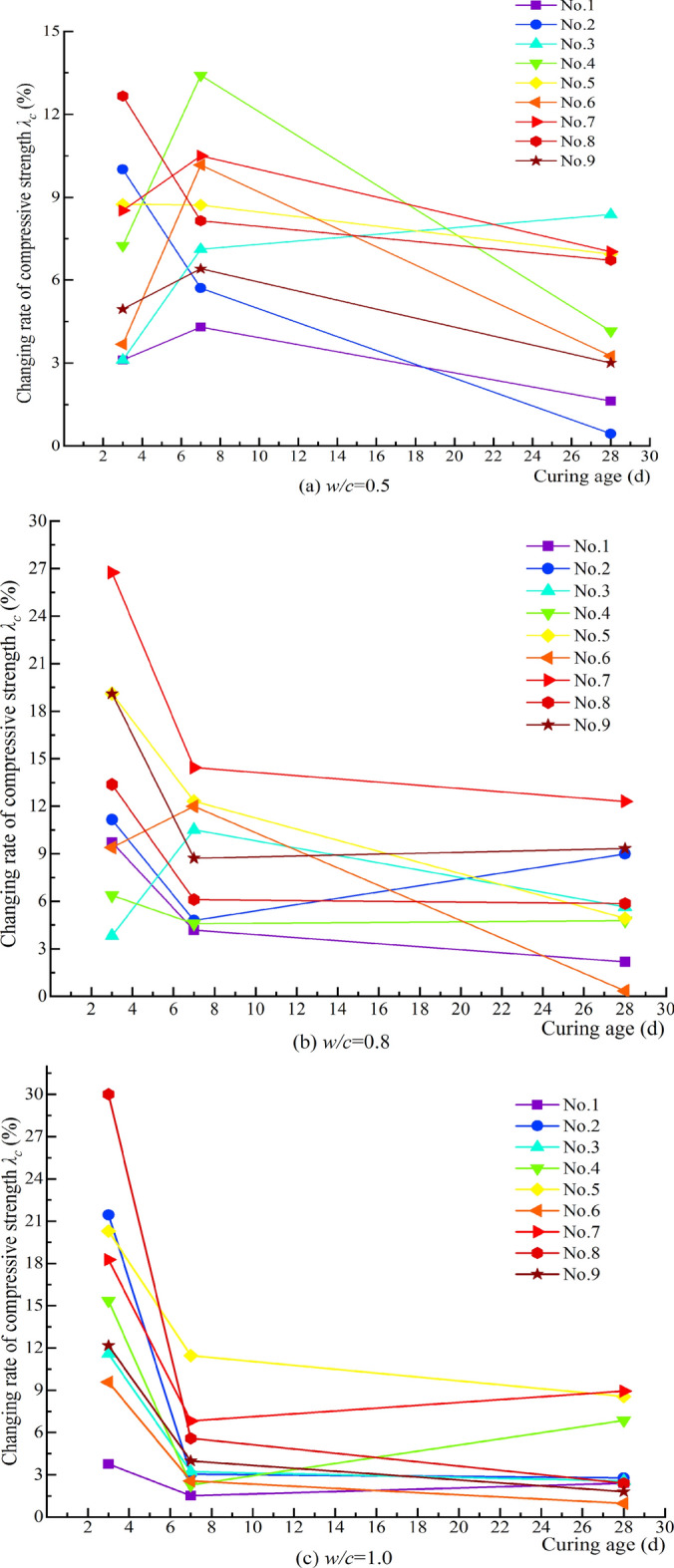
The development and modification of grouting materials constitute crucial factors influencing the effectiveness of grouting. Given the pivotal role of water in the hydration of cement-based composite materials and construction processes, this study proposes an exploratory approach using green, economical magnetized water technology to enhance the performance of cement grouts. The research systematically investigates the effects of magnetized water on the fundamental grouting properties (stability, rheological behavior, and stone body strength) of cement grouts, prepared under varying magnetization conditions (including magnetic intensity, water flow speed, and cycle times). Through the conduct of specific physicochemical tests on water, the study elucidates the mechanism through which magnetized water influences these properties. The results indicate that magnetized water positively impacts the stability of cement grouts, significantly reducing their absolute viscosity, apparent viscosity, plastic viscosity, and yield stress, thus markedly affecting the rheological characteristics of the cement grouts. Additionally, magnetized water notably enhances the flexural and compressive strength of the cement grout stone body, with a particularly significant improvement in early strength. From a quantum mechanics perspective, a magnetization mechanism based on the competition between the strengthening of hydrogen bonds between water molecule clusters and the weakening or breaking of hydrogen bonds within clusters is introduced, providing a theoretical basis for explaining the variability observed in water magnetization experiments.
灌浆材料的开发与改性是影响灌浆效果的关键因素。鉴于水在水泥基复合材料水化及施工过程中的关键作用,本研究提出一种探索性方法,即采用绿色、经济的磁化水技术来提高水泥浆体的性能。该研究系统地研究了在不同磁化条件(包括磁场强度、水流速度和循环次数)下制备的磁化水对水泥浆体基本灌浆性能(稳定性、流变行为和结石体强度)的影响。通过对水进行特定的物理化学测试,该研究阐明了磁化水影响这些性能的机制。结果表明,磁化水对水泥浆体的稳定性有积极影响,显著降低其绝对粘度、表观粘度、塑性粘度和屈服应力,从而明显影响水泥浆体的流变特性。此外,磁化水显著提高了水泥浆结石体的抗折强度和抗压强度,早期强度提升尤为显著。从量子力学角度,引入了一种基于水分子团簇间氢键增强与团簇内氢键减弱或断裂之间竞争的磁化机制,为解释水磁化实验中观察到的变化提供了理论依据。