Ullah Anwar, Ding Xuewei, Qi Xia, Liu Hui
College of Medical Laboratory, Dalian Medical University, Dalian, Liaoning, China.
Int J Immunopathol Pharmacol. 2025 Jan-Dec;39:3946320241305270. doi: 10.1177/03946320241305270.
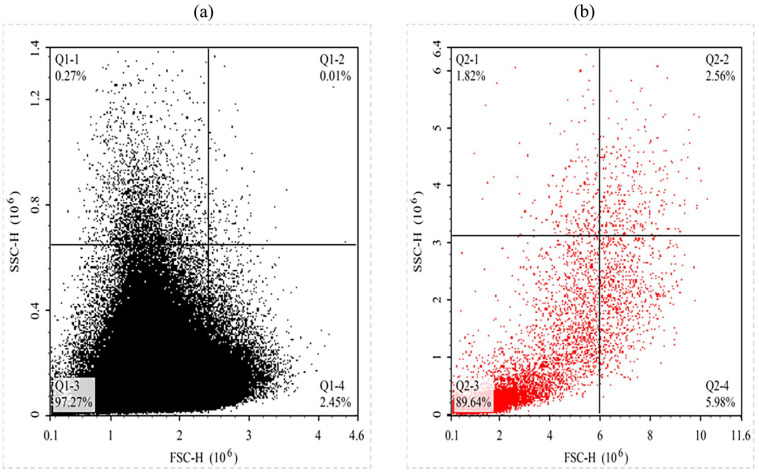
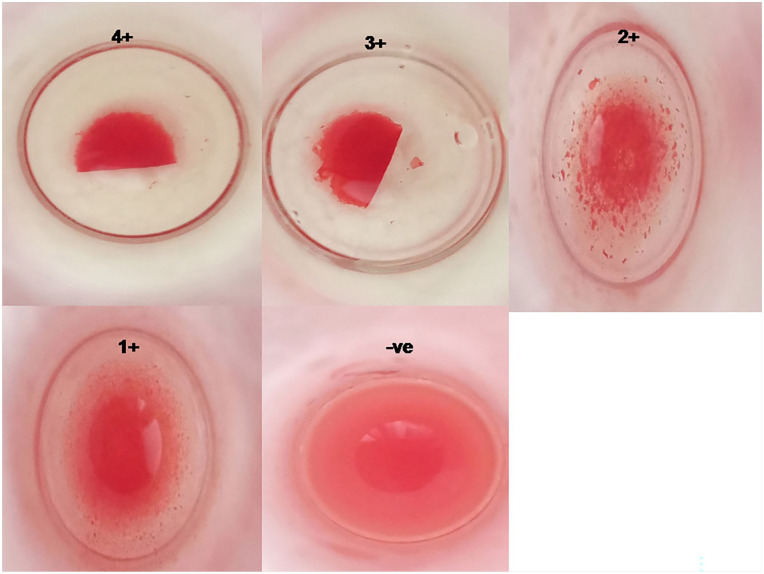
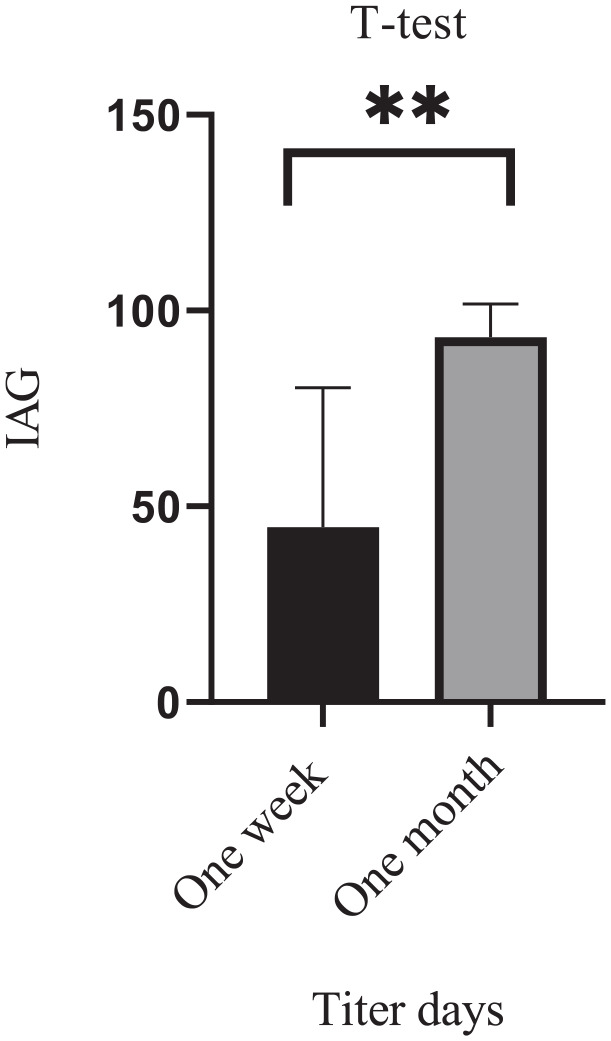
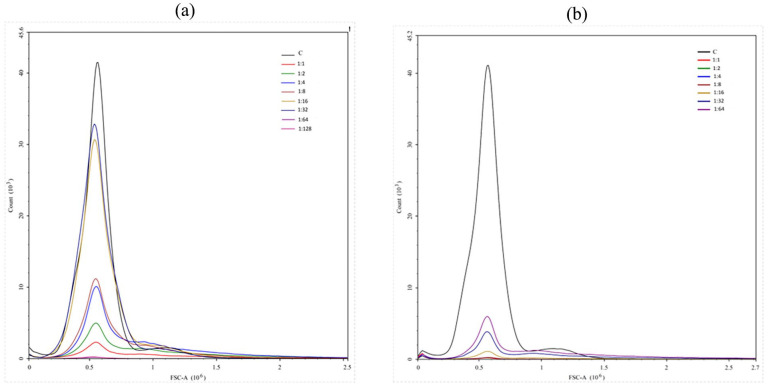
The Coombs test is important in hematology for detecting erythrocyte-bound IgG antibodies or in serm through agglutination methods, but its sensitivity and specificity are limited. Flow cytometry provides a more precise and sensitive alternative for quantitatively assessing RBC-bound IgG antibodies. This assessment is crucial for evaluating the risk of hemolytic reactions and ensuring safe transfusions. This study aimed to explore a new method for the detection of RBC-bound IgG antibodies in rabbits following the injection of human red blood cells. Rabbits serum treated with 2-mercaptoethanol (2-ME) were serially diluted at ratios of 1:1, 1:2, 1:4, 1:8, 1:16, 1:32, 1:64, 1:128, 1:256, 1:512, 1:1024, and 1:2048. These diluted samples were then reacted with O-type red blood cells (RBCs). Serum samples from healthy individuals were used as the control group. The tubes were kept in a water bath at 37°C for 30 min incubation. After incubation, the samples were analyzed using a flow cytometry-based assay. Additionally, the traditional Coombs tube method was used and the strength of IgG antibody and agglutination was graded. The results were analyzed using a flow cytometry-based assay, and the agglutination strength was determined using the Coombs traditional tube method for RBC-bound IgG antibodies. A significant difference was found between the rabbits serum and normal control groups (p < 0.001). IgG titers increased significantly after 1 month of immunization in rabbits compared to the titers observed after 1 week. The serum Anti-D stability test showed a coefficient of variation (CV) of 7.74%, indicating good stability of the test results. In this study, we concluded that the flow cytometry-based assay for detecting RBC-bound IgG antibodies was accurate, sensitive, and had positional value in clinical laboratories and research centers.
抗人球蛋白试验在血液学中对于通过凝集方法检测红细胞结合的IgG抗体或血清中的此类抗体很重要,但其敏感性和特异性有限。流式细胞术为定量评估红细胞结合的IgG抗体提供了一种更精确、灵敏的替代方法。这种评估对于评估溶血反应风险和确保安全输血至关重要。本研究旨在探索一种在注射人红细胞后检测兔红细胞结合IgG抗体的新方法。用2-巯基乙醇(2-ME)处理的兔血清按1:1、1:2、1:4、1:8、1:16、1:32、1:64、1:128、1:256、1:512、1:1024和1:2048的比例进行系列稀释。然后将这些稀释样品与O型红细胞(RBC)反应。来自健康个体的血清样本用作对照组。将试管置于37°C水浴中孵育30分钟。孵育后,使用基于流式细胞术的检测方法对样品进行分析。此外,采用传统的抗人球蛋白试管法并对IgG抗体强度和凝集进行分级。使用基于流式细胞术的检测方法分析结果,并使用抗人球蛋白传统试管法确定红细胞结合IgG抗体的凝集强度。发现兔血清与正常对照组之间存在显著差异(p < 0.001)。与免疫1周后观察到的滴度相比,兔免疫1个月后IgG滴度显著升高。血清抗-D稳定性试验显示变异系数(CV)为7.74%,表明试验结果稳定性良好。在本研究中,我们得出结论,基于流式细胞术的检测红细胞结合IgG抗体的方法准确、灵敏,在临床实验室和研究中心具有重要价值。