Hussein Mohammed Yasser, Nasr Merna, Emad Veronia, Maged Julie, George Portia, Emad Amina, Badr Abeer Mahmoud, El-Naggar Mehrez E, Abdo Sayeda M, Hussein Jihan
Biotechnology Program, Faculty of Science, Cairo University, Giza, 12612, Egypt.
Zoology Department, Faculty of Science, Cairo University, Giza, 12612, Egypt.
Sci Rep. 2025 Jan 6;15(1):912. doi: 10.1038/s41598-024-82924-4.
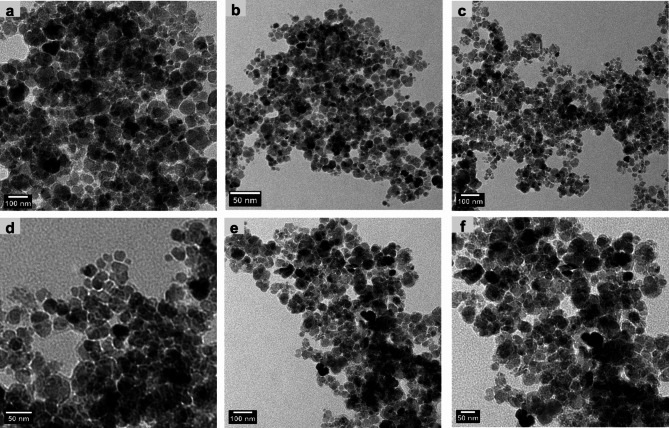
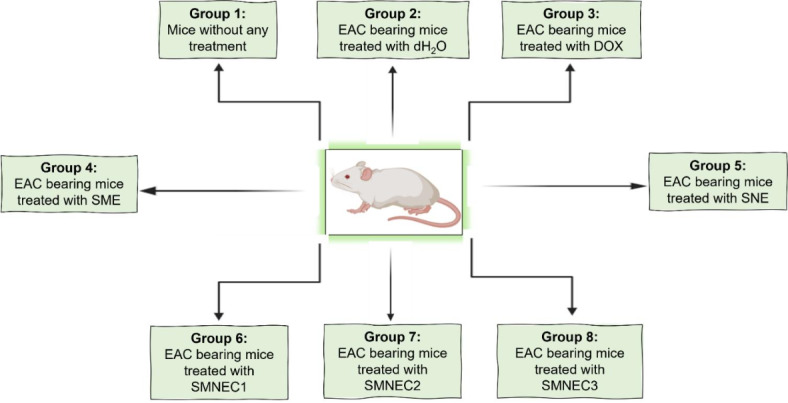
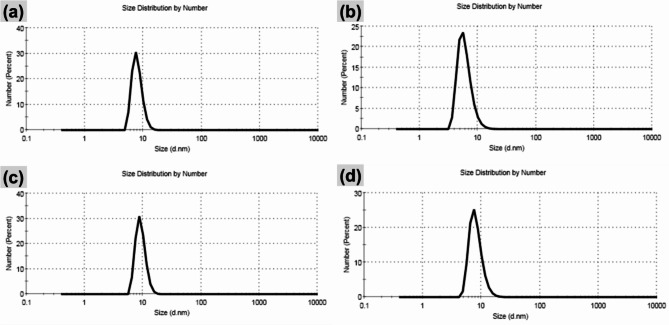
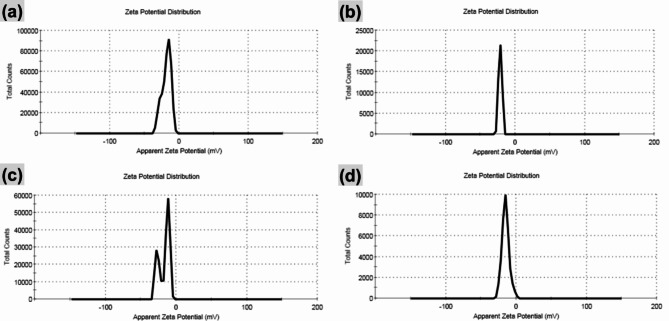
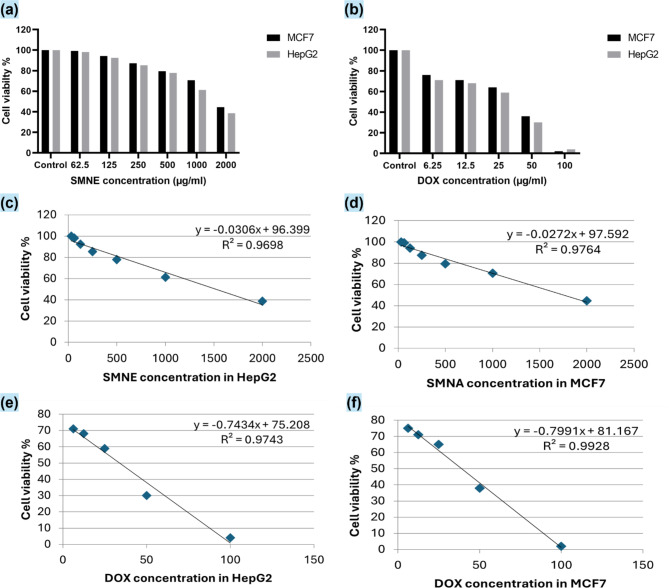
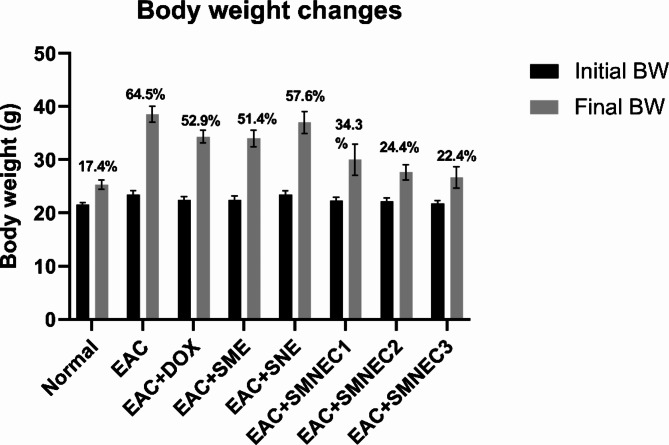
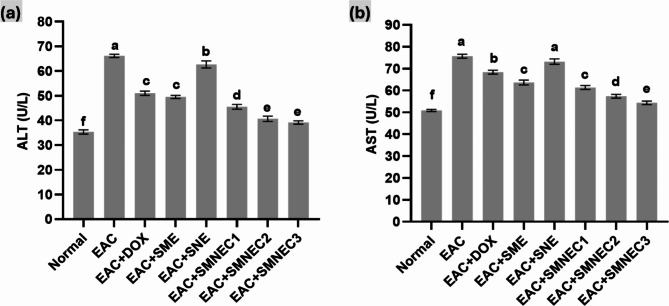
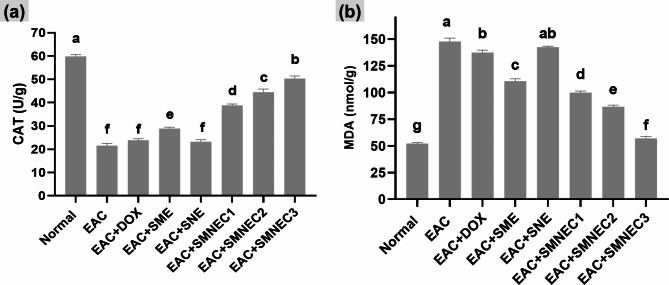
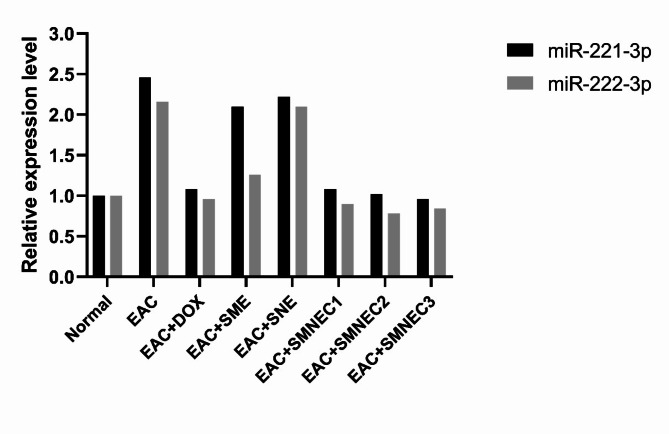
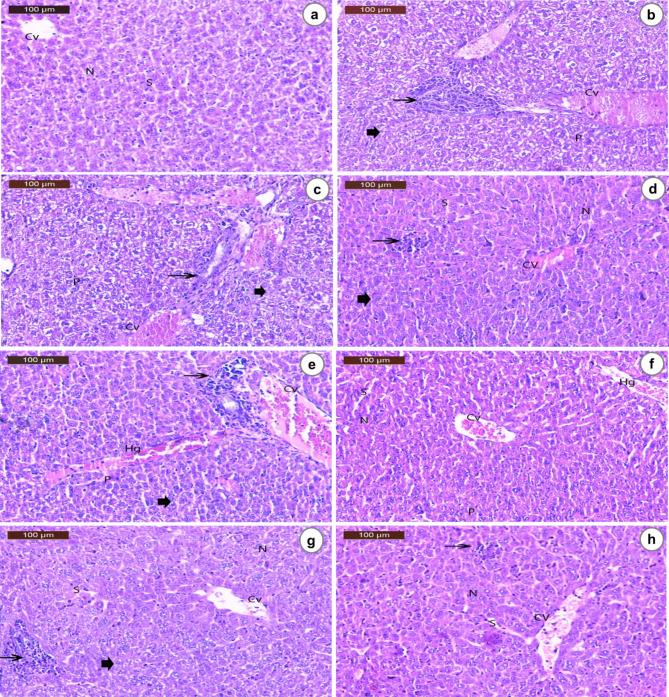
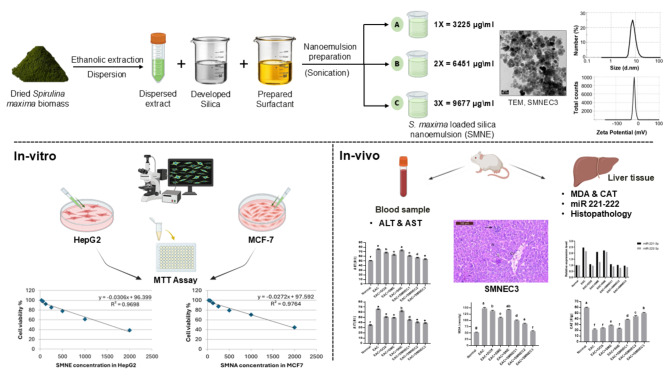
Being the second leading cause of death globally, cancer has been a long-standing and rapidly evolving focus of biomedical research and practice in the world. Recently, there has been growing interest in cyanobacteria. This focus is particularly evident in developing innovative anticancer treatments to reduce reliance on traditional chemotherapy. This study investigates the anticancer potential of the Spirulina maxima extract nanoemulsion (SMNE) technique to improve the delivery, stability, and solubility of the S. maxima extract (SME). SMNE, prepared in three concentrations (SMNEC1, SMNEC2, SMNEC3), was characterized and confirmed to successfully load SME into silica-coated nanoparticles. Cytotoxicity tests on HepG2 and MCF-7 cell lines revealed a significant reduction in cell viability after 48-hour SMNE treatment, with IC50 values of 1488 µg/mL and 1721.936 µg/mL, respectively. SMNE also demonstrated efficacy in inhibiting tumor growth in mice with Ehrlich ascites carcinoma, normalizing alanine aminotransferase (ALT) and aspartate aminotransferase (AST) levels, and reducing oxidative stress markers such as catalase (CAT) and malondialdehyde (MDA). Histopathological examination showed that SMNEC3-treated groups had almost normal liver architecture. Additionally, SMNE downregulated oncogenic miR-221-3p and miR-222-3p, activating cancer suppression genes p27 and PTEN. The study concludes that SMNE, with its anti-inflammatory and antioxidant properties and ability to modulate key miRNAs, enhances SME delivery and shows promise as an effective cancer treatment.
癌症作为全球第二大致死原因,长期以来一直是全球生物医学研究和实践中一个不断快速发展的重点领域。近年来,人们对蓝藻细菌的兴趣与日俱增。这种关注在开发创新的抗癌治疗方法以减少对传统化疗的依赖方面尤为明显。本研究调查了极大螺旋藻提取物纳米乳剂(SMNE)技术在改善极大螺旋藻提取物(SME)的递送、稳定性和溶解性方面的抗癌潜力。制备了三种浓度的SMNE(SMNEC1、SMNEC2、SMNEC3),对其进行了表征,并证实成功地将SME负载到二氧化硅包覆的纳米颗粒中。对HepG2和MCF - 7细胞系的细胞毒性测试显示,经SMNE处理48小时后细胞活力显著降低,IC50值分别为1488μg/mL和1721.936μg/mL。SMNE在抑制艾氏腹水癌小鼠肿瘤生长、使丙氨酸转氨酶(ALT)和天冬氨酸转氨酶(AST)水平正常化以及降低过氧化氢酶(CAT)和丙二醛(MDA)等氧化应激标志物方面也显示出疗效。组织病理学检查表明,SMNEC3处理组的肝脏结构几乎正常。此外,SMNE下调致癌性miR - 221 - 3p和miR - 222 - 3p,激活癌症抑制基因p27和PTEN。该研究得出结论,SMNE具有抗炎和抗氧化特性以及调节关键miRNA的能力,增强了SME的递送效果,并有望成为一种有效的癌症治疗方法。