Yamada Kazuhiko, Hisadome Yu, Eisenson Daniel, Chen WeiLi, Schulick Alex, Santillan Michelle, Luo Adam, Casella Kelly, Gu Du, Sekijima Mitsuhiro, Sahara Hisashi, Warren Daniel, Cameron Andrew, Iwase Hayato, Shenderov Eugene
The Johns Hopkins University School of Medicine.
Kagoshima University.
Res Sq. 2024 Dec 18:rs.3.rs-5220149. doi: 10.21203/rs.3.rs-5220149/v1.
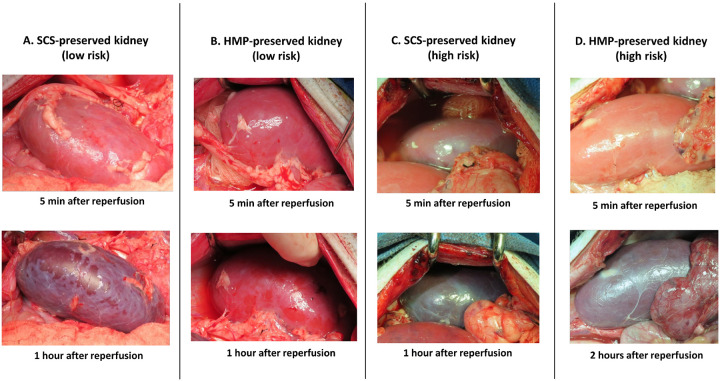
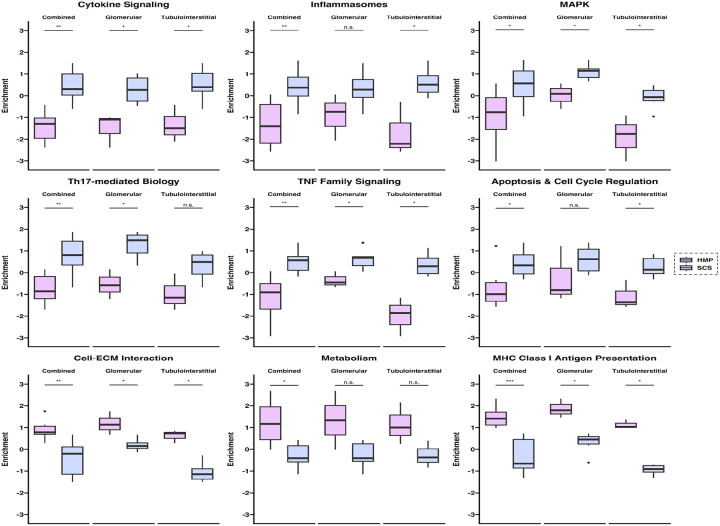
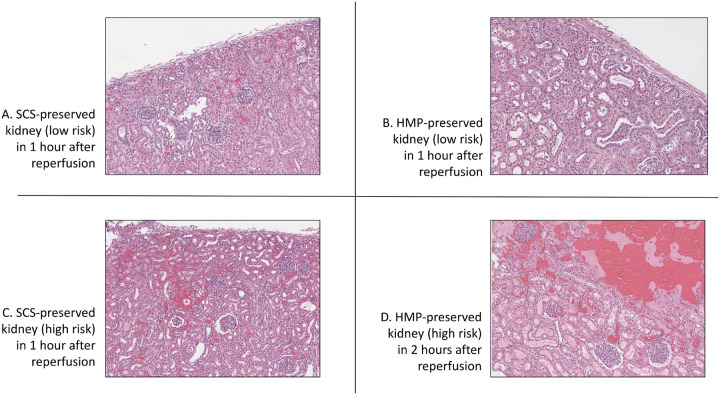
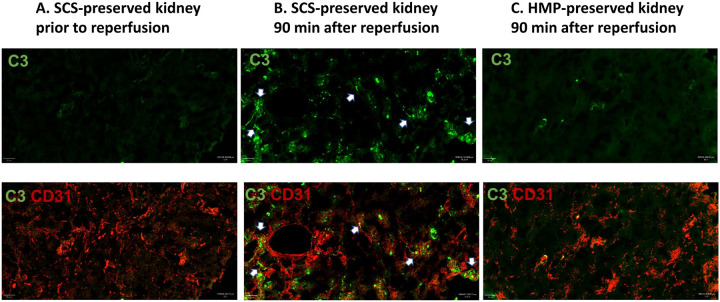
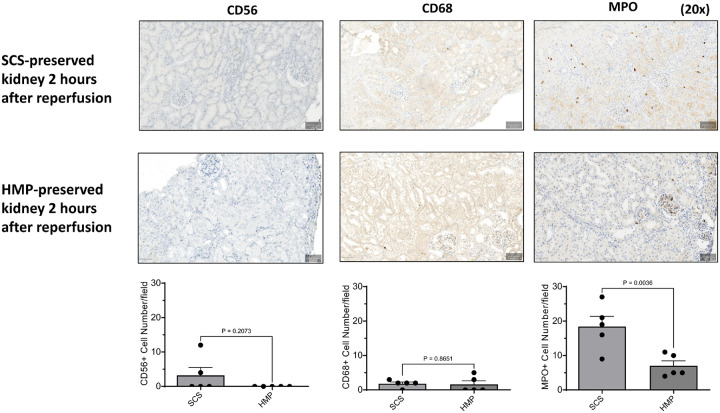
Xenotransplantation (XTx) is an increasingly realistic solution to the organ shortage. Clinical XTx may require off-site procurement in a designated pathogen free (DPF) facility necessitating a period of cold ischemic time during transportation. This study evaluates the impact of different kidney preservation strategies on early graft function in pig-to-baboon XTx in a series of eight cases of pig-to-baboon xenotransplantation performed after five hours of cold ischemic time and compares these results to six cases of pig-to-baboon xenotransplantation performed with minimal ischemic time. Our data indicates that porcine kidneys appear to be particularly sensitive to IRI after cold preservation, especially across xenogeneic barriers, and routine static cold storage leads to hyperacute graft loss even in recipients with low levels of preformed antibodies. Hypothermic machine perfusion minimizes IRI and may prevent early xenograft loss.
异种移植(XTx)是解决器官短缺问题日益可行的办法。临床异种移植可能需要在指定的无特定病原体(DPF)设施中进行异地采购,这就需要在运输过程中有一段冷缺血时间。本研究评估了不同肾脏保存策略对猪到狒狒异种移植早期移植物功能的影响,该研究系列包括8例冷缺血5小时后进行的猪到狒狒异种移植,并将这些结果与6例缺血时间最短的猪到狒狒异种移植病例进行比较。我们的数据表明,猪肾在冷保存后似乎对缺血再灌注损伤(IRI)特别敏感,尤其是跨越异种屏障时,常规静态冷藏即使在预存抗体水平较低的受者中也会导致超急性移植物丢失。低温机器灌注可将IRI降至最低,并可能防止早期异种移植物丢失。