Ohri Kushagra, Chien Philip Yuan-Ho, Peters Ove Andreas
School of Dentistry, The University of Queensland, Herston, QLD 4006, Australia.
Materials (Basel). 2024 Dec 16;17(24):6147. doi: 10.3390/ma17246147.
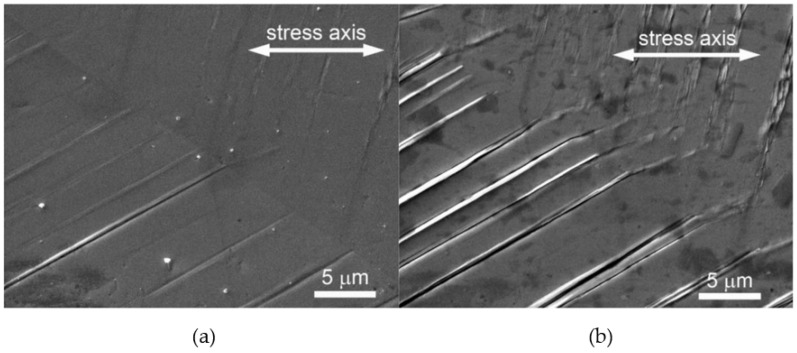
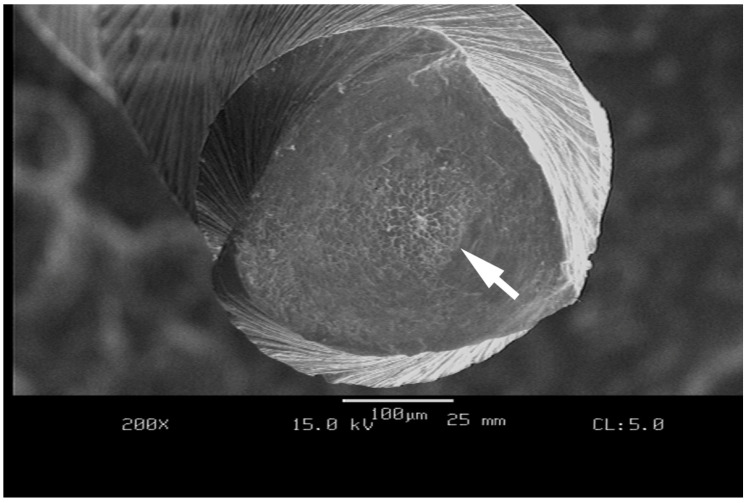
The use of motorized nickel titanium instruments is an essential component in contemporaneous clinical endodontics. The mechanical properties of nickel titanium are optimal for the cleaning and shaping of root canal systems. However, instrumentation carries risks, particularly instrument fracture, which may become an obstacle to achieving adequate disinfection of the canal system. Although the biomechanics of instrument fracture have been extensively investigated previously, certain facets remain unexplored, specifically torsional fatigue. This review presents a comprehensive overview of the modern understanding of the biomechanics involved in nickel titanium instrument fracture. Importantly, while research has tended to describe fatigue fracture and torsional failure as distinct and separate entities, clinical conditions are likely a combination of the two. Moreover, intracanal instrument fractures may also occur following a different mechanism, torsional fatigue. This should be taken into consideration for further research and clinical guidance.
电动镍钛器械的使用是当代临床牙髓病学的一个重要组成部分。镍钛合金的机械性能对于根管系统的清理和塑形最为理想。然而,器械操作存在风险,尤其是器械折断,这可能成为实现根管系统充分消毒的障碍。尽管此前已对器械折断的生物力学进行了广泛研究,但某些方面仍未得到探索,特别是扭转疲劳。本综述全面概述了对镍钛器械折断所涉及生物力学的现代理解。重要的是,虽然研究倾向于将疲劳折断和扭转失效描述为不同且相互独立的情况,但临床情况可能是两者的结合。此外,根管内器械折断也可能遵循不同的机制,即扭转疲劳。在进一步的研究和临床指导中应考虑到这一点。