• 文献检索
  • 文档翻译
  • 深度研究
  • 学术资讯
  • Suppr Zotero 插件Zotero 插件
  • 邀请有礼
  • 套餐&价格
  • 历史记录
应用&插件
Suppr Zotero 插件Zotero 插件浏览器插件Mac 客户端Windows 客户端微信小程序
定价
高级版会员购买积分包购买API积分包
服务
文献检索文档翻译深度研究API 文档MCP 服务
关于我们
关于 Suppr公司介绍联系我们用户协议隐私条款
关注我们

Suppr 超能文献

核心技术专利:CN118964589B侵权必究
粤ICP备2023148730 号-1Suppr @ 2026

文献检索

告别复杂PubMed语法,用中文像聊天一样搜索,搜遍4000万医学文献。AI智能推荐,让科研检索更轻松。

立即免费搜索

文件翻译

保留排版,准确专业,支持PDF/Word/PPT等文件格式,支持 12+语言互译。

免费翻译文档

深度研究

AI帮你快速写综述,25分钟生成高质量综述,智能提取关键信息,辅助科研写作。

立即免费体验

地下酒窖中白酒发酵粮醅的物料视觉感知与卸料机器人控制

Material Visual Perception and Discharging Robot Control for Baijiu Fermented Grains in Underground Tank.

作者信息

Zhao Yan, Wang Zhongxun, Li Hui, Wang Chang, Zhang Jianhua, Zhu Jingyuan, Liu Xuan

机构信息

School of Mechanical Engineering, University of Science and Technology Beijing, Beijing 100083, China.

School of Mechanical Engineering, Hebei University of Technology, Tianjin 300401, China.

出版信息

Sensors (Basel). 2024 Dec 23;24(24):8215. doi: 10.3390/s24248215.

DOI:10.3390/s24248215
PMID:39771949
原文链接:https://pmc.ncbi.nlm.nih.gov/articles/PMC11679939/
Abstract

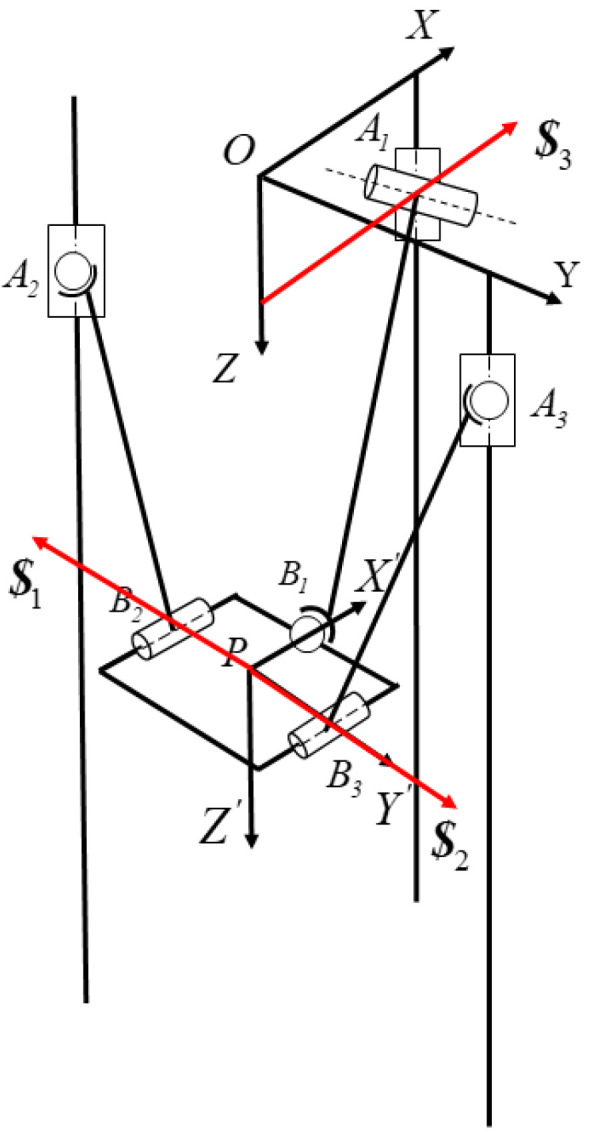
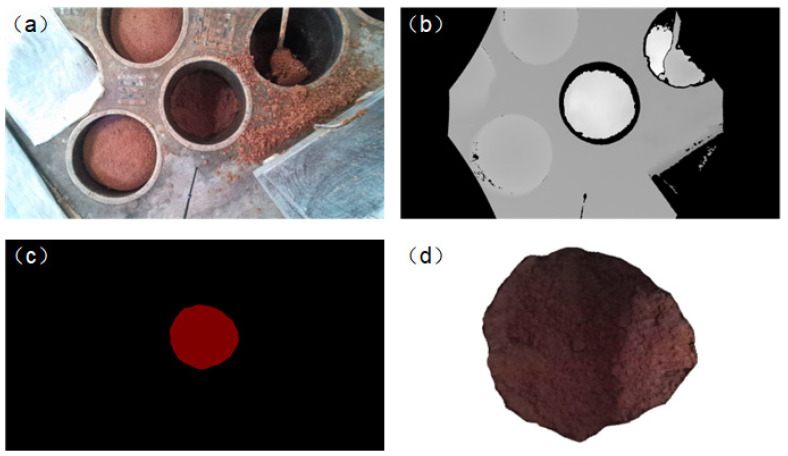
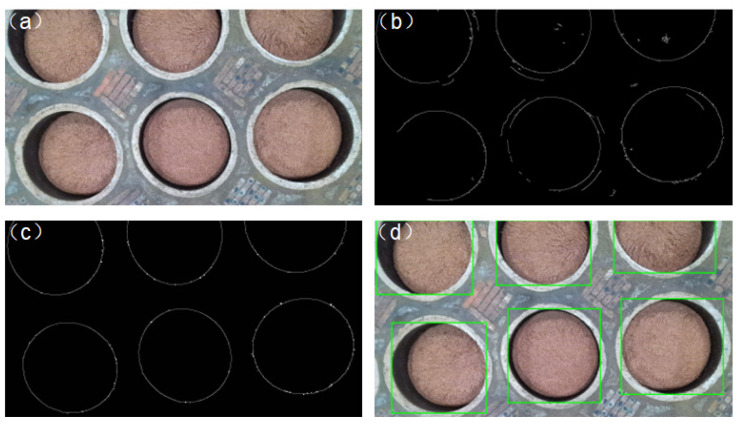
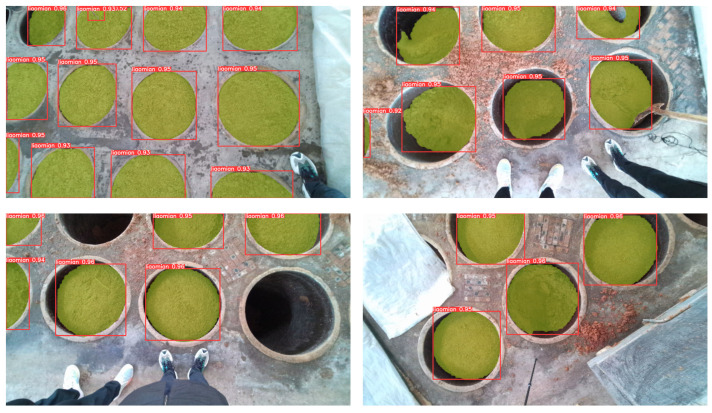
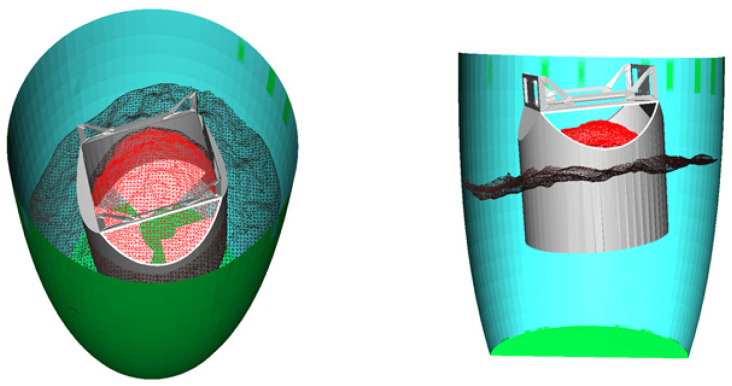
Addressing the issue of excessive manual intervention in discharging fermented grains from underground tanks in traditional brewing technology, this paper proposes an intelligent grains-out strategy based on a multi-degree-of-freedom hybrid robot. The robot's structure and control system are introduced, along with analyses of kinematics solutions for its parallel components and end-effector speeds. According to its structural characteristics and working conditions, a visual-perception-based motion control method of discharging fermented grains is determined. The enhanced perception of underground tanks' positions is achieved through improved Canny edge detection algorithms, and a YOLO-v7 neural network is employed to train an image segmentation model for fermented grains' surface, integrating depth information to synthesize point clouds. We then carry out the downsampling and three-dimensional reconstruction of these point clouds, then match the underground tank model with the fermented grain surface model to replicate the tank's interior space. Finally, a digging motion control method is proposed and experimentally validated for feasibility and operational efficiency.

摘要

针对传统酿造工艺中地下酒窖出糟时人工干预过多的问题,本文提出了一种基于多自由度混合机器人的智能出糟策略。介绍了该机器人的结构和控制系统,并分析了其并联部件的运动学求解和末端执行器速度。根据其结构特点和工作条件,确定了一种基于视觉感知的出糟运动控制方法。通过改进的Canny边缘检测算法增强了对地下酒窖位置的感知,并采用YOLO-v7神经网络训练酒糟表面的图像分割模型,融合深度信息合成点云。然后对这些点云进行下采样和三维重建,将地下酒窖模型与酒糟表面模型进行匹配以重现酒窖内部空间。最后,提出了一种挖掘运动控制方法,并通过实验验证了其可行性和运行效率。

https://cdn.ncbi.nlm.nih.gov/pmc/blobs/ec3b/11679939/2e534a22d6ab/sensors-24-08215-g041.jpg
https://cdn.ncbi.nlm.nih.gov/pmc/blobs/ec3b/11679939/9f7342be250f/sensors-24-08215-g001.jpg
https://cdn.ncbi.nlm.nih.gov/pmc/blobs/ec3b/11679939/ddb6a055a31e/sensors-24-08215-g002.jpg
https://cdn.ncbi.nlm.nih.gov/pmc/blobs/ec3b/11679939/ed3c24d49455/sensors-24-08215-g003.jpg
https://cdn.ncbi.nlm.nih.gov/pmc/blobs/ec3b/11679939/373e3e69ed2c/sensors-24-08215-g004.jpg
https://cdn.ncbi.nlm.nih.gov/pmc/blobs/ec3b/11679939/812f8f42569c/sensors-24-08215-g005.jpg
https://cdn.ncbi.nlm.nih.gov/pmc/blobs/ec3b/11679939/0a246f57a377/sensors-24-08215-g006.jpg
https://cdn.ncbi.nlm.nih.gov/pmc/blobs/ec3b/11679939/f02c4d40da79/sensors-24-08215-g007.jpg
https://cdn.ncbi.nlm.nih.gov/pmc/blobs/ec3b/11679939/ad39f965eecc/sensors-24-08215-g008.jpg
https://cdn.ncbi.nlm.nih.gov/pmc/blobs/ec3b/11679939/59fe06f98013/sensors-24-08215-g009.jpg
https://cdn.ncbi.nlm.nih.gov/pmc/blobs/ec3b/11679939/50b3e5e9c5ec/sensors-24-08215-g010.jpg
https://cdn.ncbi.nlm.nih.gov/pmc/blobs/ec3b/11679939/24eb17f0a130/sensors-24-08215-g011.jpg
https://cdn.ncbi.nlm.nih.gov/pmc/blobs/ec3b/11679939/68f1349fcf20/sensors-24-08215-g012.jpg
https://cdn.ncbi.nlm.nih.gov/pmc/blobs/ec3b/11679939/97c8730c5676/sensors-24-08215-g013.jpg
https://cdn.ncbi.nlm.nih.gov/pmc/blobs/ec3b/11679939/a3ee4a438fdc/sensors-24-08215-g014.jpg
https://cdn.ncbi.nlm.nih.gov/pmc/blobs/ec3b/11679939/f0e06b4e4c7f/sensors-24-08215-g015.jpg
https://cdn.ncbi.nlm.nih.gov/pmc/blobs/ec3b/11679939/a7b6b3c94853/sensors-24-08215-g016.jpg
https://cdn.ncbi.nlm.nih.gov/pmc/blobs/ec3b/11679939/65387d32c1ae/sensors-24-08215-g017.jpg
https://cdn.ncbi.nlm.nih.gov/pmc/blobs/ec3b/11679939/83fd6143b603/sensors-24-08215-g018.jpg
https://cdn.ncbi.nlm.nih.gov/pmc/blobs/ec3b/11679939/eb9a327aa565/sensors-24-08215-g019.jpg
https://cdn.ncbi.nlm.nih.gov/pmc/blobs/ec3b/11679939/c76ebc1957ac/sensors-24-08215-g020.jpg
https://cdn.ncbi.nlm.nih.gov/pmc/blobs/ec3b/11679939/7617d27d383f/sensors-24-08215-g021.jpg
https://cdn.ncbi.nlm.nih.gov/pmc/blobs/ec3b/11679939/bfc6e5278674/sensors-24-08215-g022.jpg
https://cdn.ncbi.nlm.nih.gov/pmc/blobs/ec3b/11679939/dbf9496092ec/sensors-24-08215-g023.jpg
https://cdn.ncbi.nlm.nih.gov/pmc/blobs/ec3b/11679939/7cc3d47b77ac/sensors-24-08215-g024.jpg
https://cdn.ncbi.nlm.nih.gov/pmc/blobs/ec3b/11679939/2c538d2ca5e9/sensors-24-08215-g025.jpg
https://cdn.ncbi.nlm.nih.gov/pmc/blobs/ec3b/11679939/abc79923bff6/sensors-24-08215-g026.jpg
https://cdn.ncbi.nlm.nih.gov/pmc/blobs/ec3b/11679939/0b0818328f6a/sensors-24-08215-g027.jpg
https://cdn.ncbi.nlm.nih.gov/pmc/blobs/ec3b/11679939/509f4ad909b5/sensors-24-08215-g028.jpg
https://cdn.ncbi.nlm.nih.gov/pmc/blobs/ec3b/11679939/6a214e99161a/sensors-24-08215-g029.jpg
https://cdn.ncbi.nlm.nih.gov/pmc/blobs/ec3b/11679939/f324adea2d2d/sensors-24-08215-g030.jpg
https://cdn.ncbi.nlm.nih.gov/pmc/blobs/ec3b/11679939/4268f4da2add/sensors-24-08215-g031.jpg
https://cdn.ncbi.nlm.nih.gov/pmc/blobs/ec3b/11679939/9350854aeb70/sensors-24-08215-g032.jpg
https://cdn.ncbi.nlm.nih.gov/pmc/blobs/ec3b/11679939/716703b3a0d9/sensors-24-08215-g033.jpg
https://cdn.ncbi.nlm.nih.gov/pmc/blobs/ec3b/11679939/3f8e0bf46a19/sensors-24-08215-g034.jpg
https://cdn.ncbi.nlm.nih.gov/pmc/blobs/ec3b/11679939/9707fc974f5a/sensors-24-08215-g035.jpg
https://cdn.ncbi.nlm.nih.gov/pmc/blobs/ec3b/11679939/2e65e0d4ca82/sensors-24-08215-g036.jpg
https://cdn.ncbi.nlm.nih.gov/pmc/blobs/ec3b/11679939/c20074d4e373/sensors-24-08215-g037.jpg
https://cdn.ncbi.nlm.nih.gov/pmc/blobs/ec3b/11679939/b4facf894603/sensors-24-08215-g038.jpg
https://cdn.ncbi.nlm.nih.gov/pmc/blobs/ec3b/11679939/bc7ef5e7cbf7/sensors-24-08215-g039.jpg
https://cdn.ncbi.nlm.nih.gov/pmc/blobs/ec3b/11679939/ce8548541e4e/sensors-24-08215-g040.jpg
https://cdn.ncbi.nlm.nih.gov/pmc/blobs/ec3b/11679939/2e534a22d6ab/sensors-24-08215-g041.jpg
https://cdn.ncbi.nlm.nih.gov/pmc/blobs/ec3b/11679939/9f7342be250f/sensors-24-08215-g001.jpg
https://cdn.ncbi.nlm.nih.gov/pmc/blobs/ec3b/11679939/ddb6a055a31e/sensors-24-08215-g002.jpg
https://cdn.ncbi.nlm.nih.gov/pmc/blobs/ec3b/11679939/ed3c24d49455/sensors-24-08215-g003.jpg
https://cdn.ncbi.nlm.nih.gov/pmc/blobs/ec3b/11679939/373e3e69ed2c/sensors-24-08215-g004.jpg
https://cdn.ncbi.nlm.nih.gov/pmc/blobs/ec3b/11679939/812f8f42569c/sensors-24-08215-g005.jpg
https://cdn.ncbi.nlm.nih.gov/pmc/blobs/ec3b/11679939/0a246f57a377/sensors-24-08215-g006.jpg
https://cdn.ncbi.nlm.nih.gov/pmc/blobs/ec3b/11679939/f02c4d40da79/sensors-24-08215-g007.jpg
https://cdn.ncbi.nlm.nih.gov/pmc/blobs/ec3b/11679939/ad39f965eecc/sensors-24-08215-g008.jpg
https://cdn.ncbi.nlm.nih.gov/pmc/blobs/ec3b/11679939/59fe06f98013/sensors-24-08215-g009.jpg
https://cdn.ncbi.nlm.nih.gov/pmc/blobs/ec3b/11679939/50b3e5e9c5ec/sensors-24-08215-g010.jpg
https://cdn.ncbi.nlm.nih.gov/pmc/blobs/ec3b/11679939/24eb17f0a130/sensors-24-08215-g011.jpg
https://cdn.ncbi.nlm.nih.gov/pmc/blobs/ec3b/11679939/68f1349fcf20/sensors-24-08215-g012.jpg
https://cdn.ncbi.nlm.nih.gov/pmc/blobs/ec3b/11679939/97c8730c5676/sensors-24-08215-g013.jpg
https://cdn.ncbi.nlm.nih.gov/pmc/blobs/ec3b/11679939/a3ee4a438fdc/sensors-24-08215-g014.jpg
https://cdn.ncbi.nlm.nih.gov/pmc/blobs/ec3b/11679939/f0e06b4e4c7f/sensors-24-08215-g015.jpg
https://cdn.ncbi.nlm.nih.gov/pmc/blobs/ec3b/11679939/a7b6b3c94853/sensors-24-08215-g016.jpg
https://cdn.ncbi.nlm.nih.gov/pmc/blobs/ec3b/11679939/65387d32c1ae/sensors-24-08215-g017.jpg
https://cdn.ncbi.nlm.nih.gov/pmc/blobs/ec3b/11679939/83fd6143b603/sensors-24-08215-g018.jpg
https://cdn.ncbi.nlm.nih.gov/pmc/blobs/ec3b/11679939/eb9a327aa565/sensors-24-08215-g019.jpg
https://cdn.ncbi.nlm.nih.gov/pmc/blobs/ec3b/11679939/c76ebc1957ac/sensors-24-08215-g020.jpg
https://cdn.ncbi.nlm.nih.gov/pmc/blobs/ec3b/11679939/7617d27d383f/sensors-24-08215-g021.jpg
https://cdn.ncbi.nlm.nih.gov/pmc/blobs/ec3b/11679939/bfc6e5278674/sensors-24-08215-g022.jpg
https://cdn.ncbi.nlm.nih.gov/pmc/blobs/ec3b/11679939/dbf9496092ec/sensors-24-08215-g023.jpg
https://cdn.ncbi.nlm.nih.gov/pmc/blobs/ec3b/11679939/7cc3d47b77ac/sensors-24-08215-g024.jpg
https://cdn.ncbi.nlm.nih.gov/pmc/blobs/ec3b/11679939/2c538d2ca5e9/sensors-24-08215-g025.jpg
https://cdn.ncbi.nlm.nih.gov/pmc/blobs/ec3b/11679939/abc79923bff6/sensors-24-08215-g026.jpg
https://cdn.ncbi.nlm.nih.gov/pmc/blobs/ec3b/11679939/0b0818328f6a/sensors-24-08215-g027.jpg
https://cdn.ncbi.nlm.nih.gov/pmc/blobs/ec3b/11679939/509f4ad909b5/sensors-24-08215-g028.jpg
https://cdn.ncbi.nlm.nih.gov/pmc/blobs/ec3b/11679939/6a214e99161a/sensors-24-08215-g029.jpg
https://cdn.ncbi.nlm.nih.gov/pmc/blobs/ec3b/11679939/f324adea2d2d/sensors-24-08215-g030.jpg
https://cdn.ncbi.nlm.nih.gov/pmc/blobs/ec3b/11679939/4268f4da2add/sensors-24-08215-g031.jpg
https://cdn.ncbi.nlm.nih.gov/pmc/blobs/ec3b/11679939/9350854aeb70/sensors-24-08215-g032.jpg
https://cdn.ncbi.nlm.nih.gov/pmc/blobs/ec3b/11679939/716703b3a0d9/sensors-24-08215-g033.jpg
https://cdn.ncbi.nlm.nih.gov/pmc/blobs/ec3b/11679939/3f8e0bf46a19/sensors-24-08215-g034.jpg
https://cdn.ncbi.nlm.nih.gov/pmc/blobs/ec3b/11679939/9707fc974f5a/sensors-24-08215-g035.jpg
https://cdn.ncbi.nlm.nih.gov/pmc/blobs/ec3b/11679939/2e65e0d4ca82/sensors-24-08215-g036.jpg
https://cdn.ncbi.nlm.nih.gov/pmc/blobs/ec3b/11679939/c20074d4e373/sensors-24-08215-g037.jpg
https://cdn.ncbi.nlm.nih.gov/pmc/blobs/ec3b/11679939/b4facf894603/sensors-24-08215-g038.jpg
https://cdn.ncbi.nlm.nih.gov/pmc/blobs/ec3b/11679939/bc7ef5e7cbf7/sensors-24-08215-g039.jpg
https://cdn.ncbi.nlm.nih.gov/pmc/blobs/ec3b/11679939/ce8548541e4e/sensors-24-08215-g040.jpg
https://cdn.ncbi.nlm.nih.gov/pmc/blobs/ec3b/11679939/2e534a22d6ab/sensors-24-08215-g041.jpg

相似文献

1
Material Visual Perception and Discharging Robot Control for Baijiu Fermented Grains in Underground Tank.地下酒窖中白酒发酵粮醅的物料视觉感知与卸料机器人控制
Sensors (Basel). 2024 Dec 23;24(24):8215. doi: 10.3390/s24248215.
2
A Tandem Robotic Arm Inverse Kinematic Solution Based on an Improved Particle Swarm Algorithm.一种基于改进粒子群算法的串联机器人手臂逆运动学求解方法。
Front Bioeng Biotechnol. 2022 May 19;10:832829. doi: 10.3389/fbioe.2022.832829. eCollection 2022.
3
Microbial origin of fermented grains in different fermentation stages of Taorong-type Baijiu.陶融型白酒不同发酵阶段酒醅的微生物来源
Food Res Int. 2025 Feb;203:115863. doi: 10.1016/j.foodres.2025.115863. Epub 2025 Feb 1.
4
Effect of Environmental Microorganisms on Fermentation Microbial Community of Sauce-Flavor .环境微生物对酱香型发酵微生物群落的影响
Foods. 2022 Dec 20;12(1):10. doi: 10.3390/foods12010010.
5
Effects of ultra-long fermentation time on the microbial community and flavor components of light-flavor Xiaoqu Baijiu based on fermentation tanks.超长发酵时间对基于发酵罐的清香型小曲白酒微生物群落和风味成分的影响。
World J Microbiol Biotechnol. 2021 Nov 24;38(1):3. doi: 10.1007/s11274-021-03183-3.
6
Selective Elucidation of Living Microbial Communities in Fermented Grains of Chinese Baijiu: Development of a Technique Integrating Propidium Monoazide Probe Pretreatment and Amplicon Sequencing.中国白酒发酵粮醅中活微生物群落的选择性解析:一种整合单叠氮碘化丙啶探针预处理和扩增子测序的技术开发
Foods. 2024 Jun 6;13(11):1782. doi: 10.3390/foods13111782.
7
Bacterial Diversity, Organic Acid, and Flavor Analysis of Dacha and Ercha Fermented Grains of Fen Flavor Baijiu.汾香型白酒大渣和二渣发酵醅的细菌多样性、有机酸及风味分析
Front Microbiol. 2022 Jan 4;12:769290. doi: 10.3389/fmicb.2021.769290. eCollection 2021.
8
Defect Detection and 3D Reconstruction of Complex Urban Underground Pipeline Scenes for Sewer Robots.下水道机器人复杂城市地下管线场景的缺陷检测与三维重建
Sensors (Basel). 2024 Nov 26;24(23):7557. doi: 10.3390/s24237557.
9
Temporal Profile of the Microbial Community and Volatile Compounds in the Third-Round Fermentation of Sauce-Flavor in the Beijing Region.北京地区酱香型白酒三轮次发酵过程中微生物群落和挥发性化合物的时间分布特征
Foods. 2024 Feb 22;13(5):670. doi: 10.3390/foods13050670.
10
Bacterial Diversity and Lactic Acid Bacteria with High Alcohol Tolerance in the Fermented Grains of Soy Sauce Aroma Type Baijiu in North China.中国北方酱油香型白酒酒醅中的细菌多样性及高耐酒精乳酸菌
Foods. 2022 Jun 17;11(12):1794. doi: 10.3390/foods11121794.

本文引用的文献

1
Object Recognition and Grasping for Collaborative Robots Based on Vision.基于视觉的协作机器人目标识别与抓取
Sensors (Basel). 2023 Dec 28;24(1):195. doi: 10.3390/s24010195.
2
Research on Robot Grasping Based on Deep Learning for Real-Life Scenarios.基于深度学习的现实场景机器人抓取研究
Micromachines (Basel). 2023 Jul 8;14(7):1392. doi: 10.3390/mi14071392.
3
Automatic and Intelligent Technologies of Solid-State Fermentation Process of Baijiu Production: Applications, Challenges, and Prospects.白酒固态发酵过程的自动化与智能化技术:应用、挑战与展望
Foods. 2021 Mar 23;10(3):680. doi: 10.3390/foods10030680.
4
Effect of Fermentation Processing on the Flavor of Baijiu.发酵处理对白酒风味的影响。
J Agric Food Chem. 2018 Jun 6;66(22):5425-5432. doi: 10.1021/acs.jafc.8b00692. Epub 2018 May 22.