Padhee Monalisa, Lock Mitchell C, McMillen I Caroline, Zhang Song, Botting Kimberley J, Nyengaard Jens R, MacLaughlin Severence M, Kleemann David O, Walker Simon K, Kelly Jennifer M, Rudiger Skye R, Morrison Janna L
Early Origins of Adult Health Research Group, Health and Biomedical Innovation, UniSA: Clinical and Health Sciences, University of South Australia, Adelaide, South Australia, Australia.
Core Centre for Molecular Morphology, Section for Stereology and Microscopy, Department of Clinical Medicine, Aarhus University, Denmark.
J Mol Cell Cardiol Plus. 2023 Jul 22;5:100039. doi: 10.1016/j.jmccpl.2023.100039. eCollection 2023 Sep.
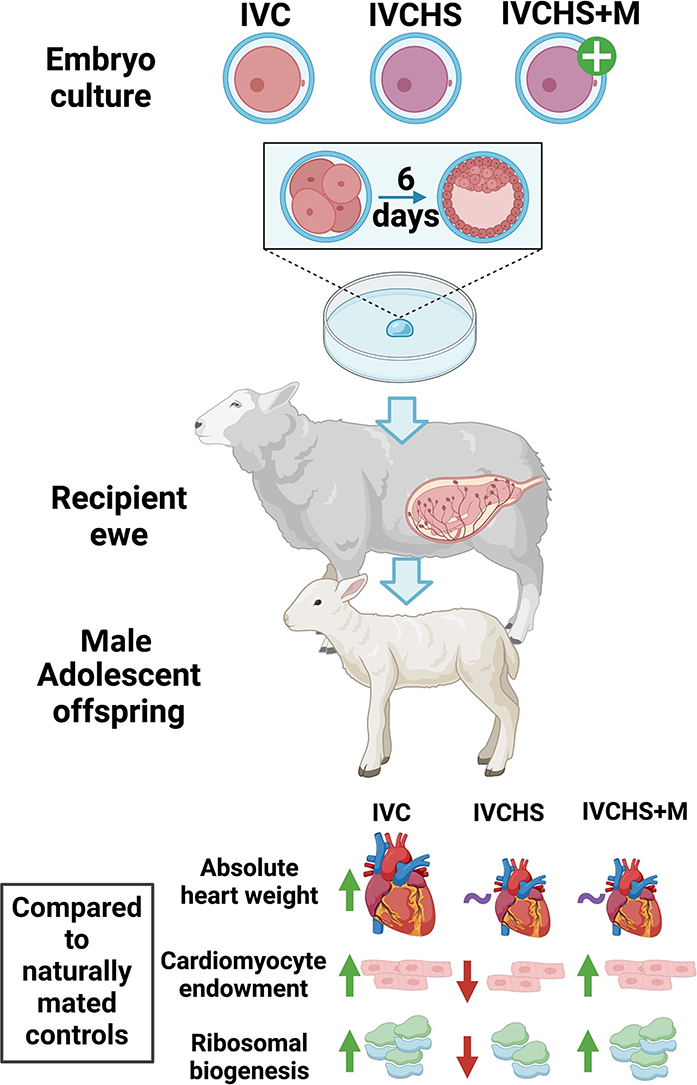
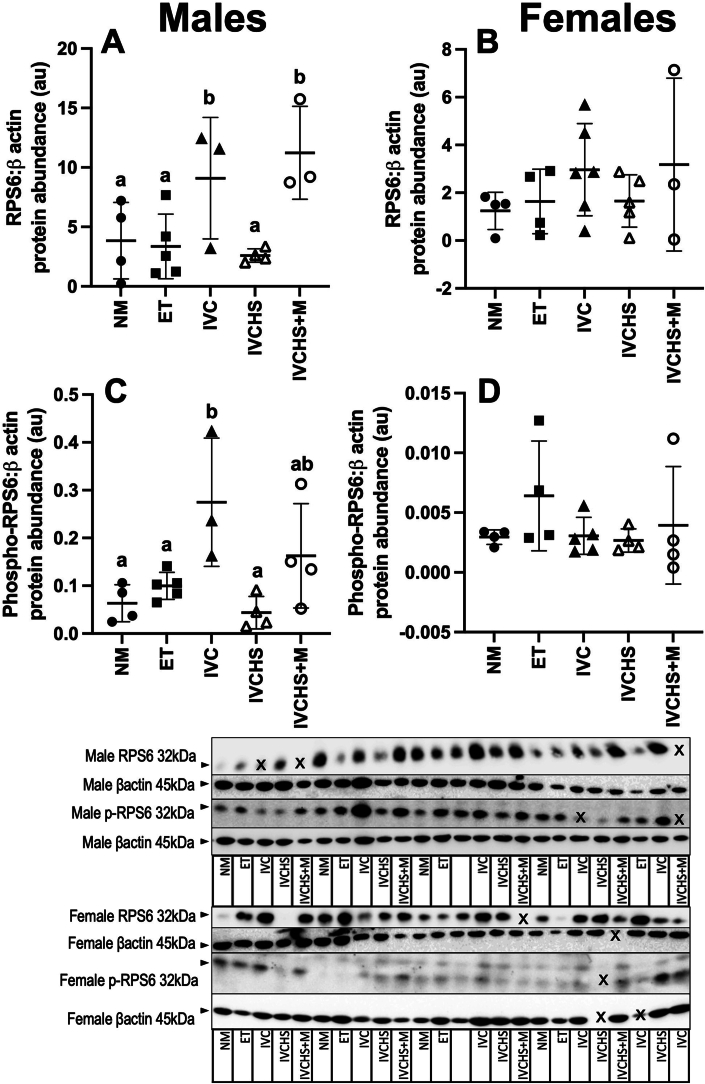
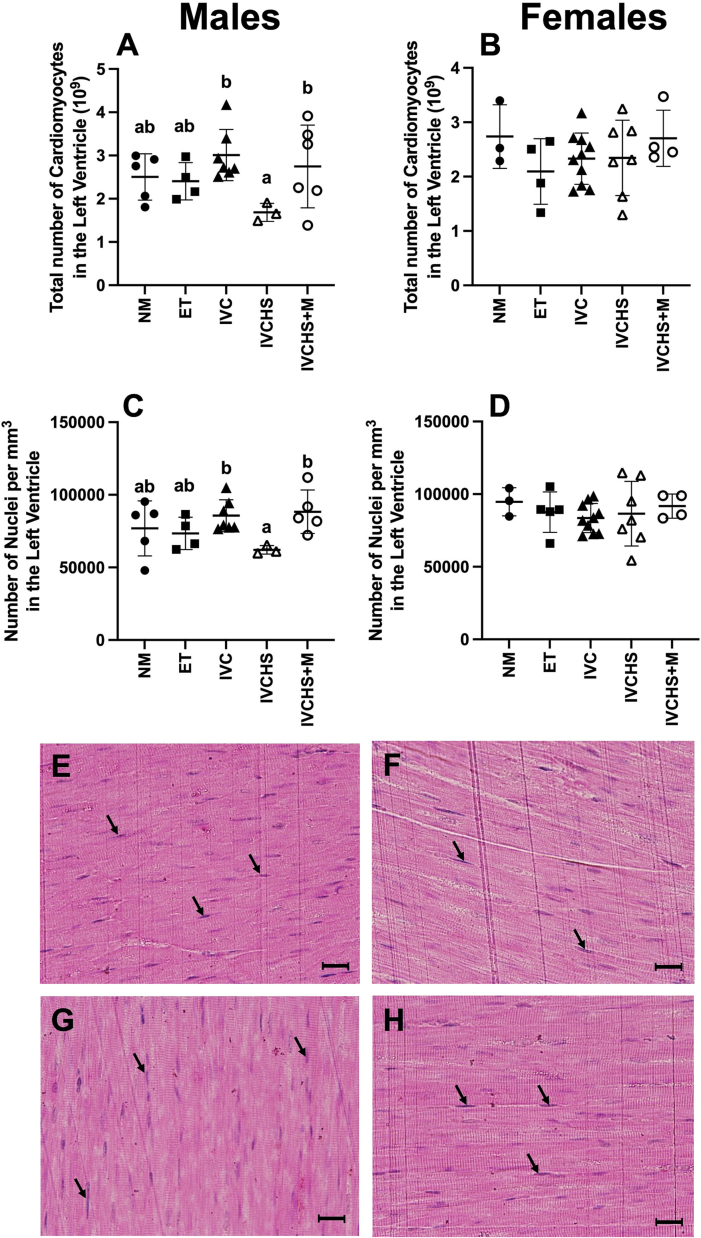
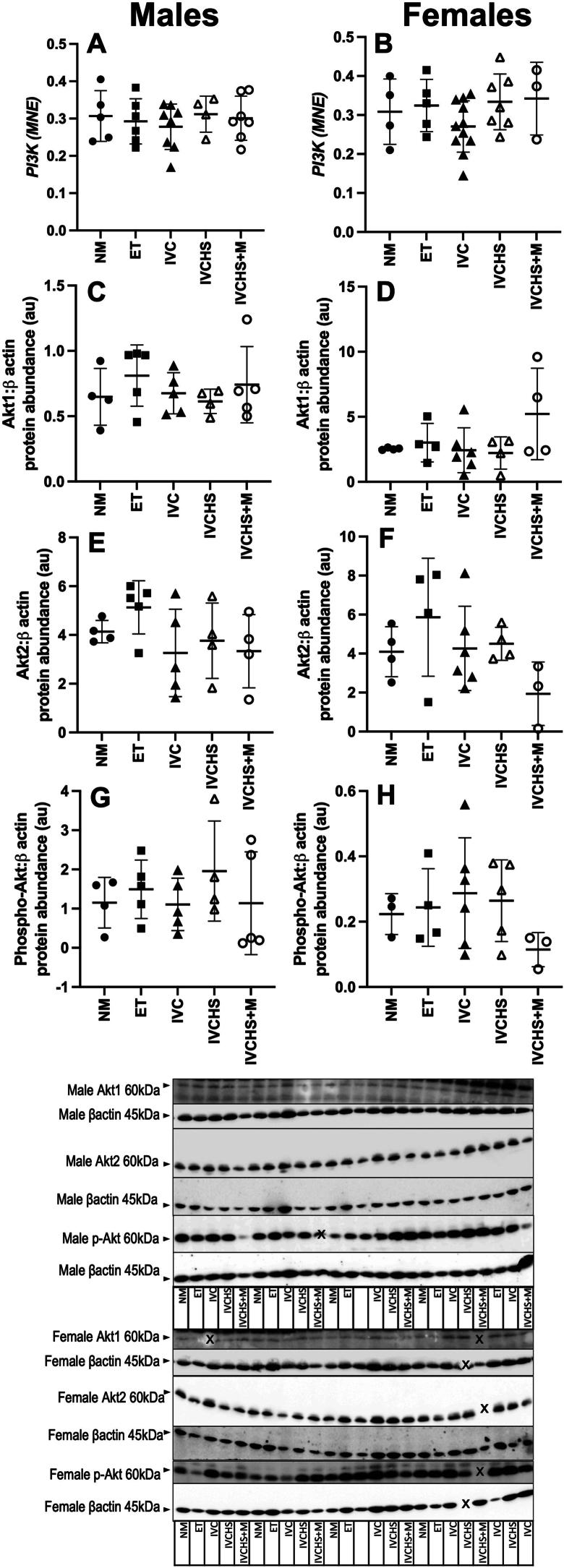
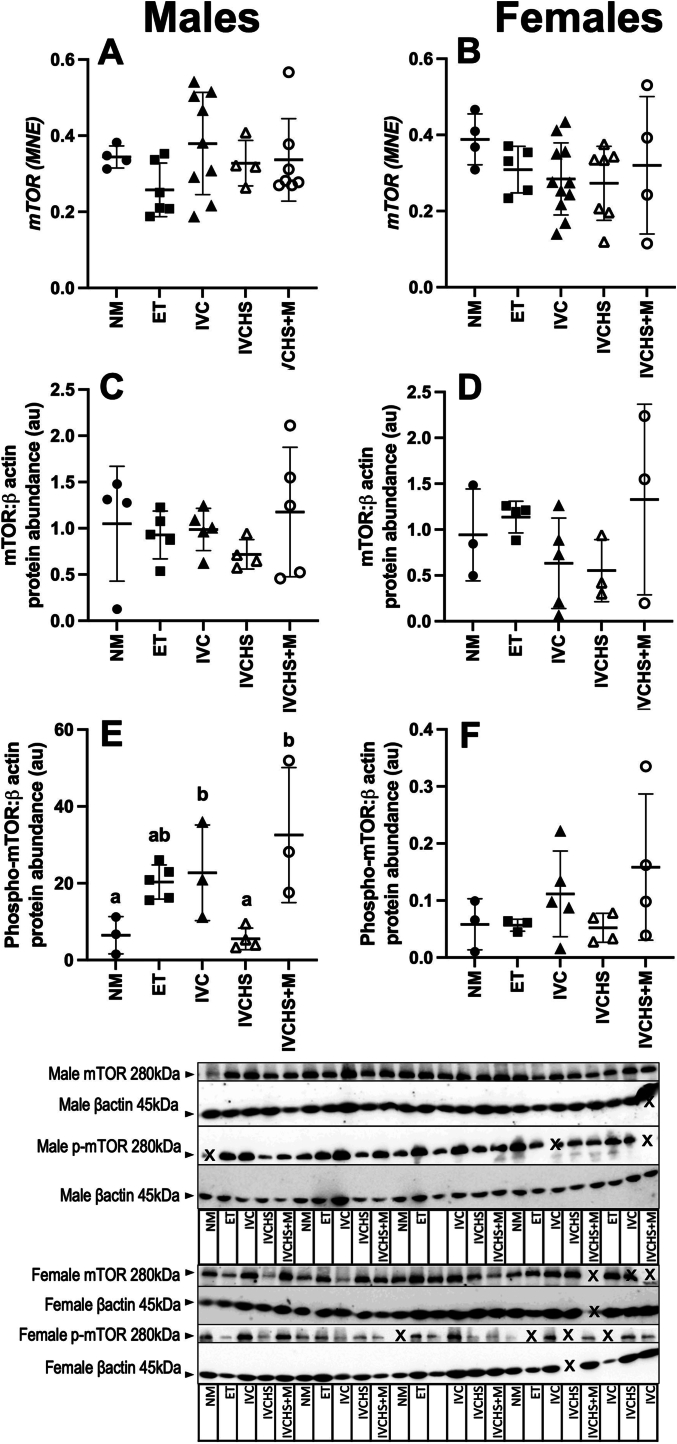
Embryo culture with and without human serum supplementation, previously common practice in assisted reproductive technologies (ARTs), have been associated with increased heart weight in early and late gestation in the sheep fetus. The present study aimed to determine whether the effects of embryo culture and transfer on cardiac growth and associated signalling pathways persist after birth. Embryos were either transferred to an intermediate ewe (ET) or cultured in the absence (IVC) or presence of human serum (IVCHS) and with methionine supplementation (IVCHS+M) for 6 days after mating. Naturally mated (NM) ewes were used as controls. There was an increase in the number of cardiomyocytes in the left ventricle of IVC and IVCHS+M compared to IVCHS lambs, but only in males. There were no differences in birth weight, body weight, relative heart weight, left ventricular weight, signalling molecules involved in hypertrophy, apoptosis or fibrosis at 6 months of age between the treatment groups. However, there was increased protein abundance of signalling molecules involved in ribosomal biogenesis, in male offspring from the IVC and IVCHS+M groups compared to the IVCHS group. In conclusion, the composition of the culture media used for embryo culture altered the abundance of proteins involved in ribosomal biogenesis as well as cardiomyocyte endowment in a sex specific manner. Our data suggest that male embryos cultured in the presence of human serum leads to molecular and structural changes that may detrimentally impact cardiovascular health across the life-course.
在辅助生殖技术(ARTs)中,胚胎培养添加或不添加人血清曾是常见做法,这与绵羊胎儿妊娠早期和晚期心脏重量增加有关。本研究旨在确定胚胎培养和移植对心脏生长及相关信号通路的影响在出生后是否持续存在。交配后,将胚胎移植到中间母羊(ET)体内,或在无(IVC)人血清、有(IVCHS)人血清以及添加蛋氨酸(IVCHS+M)的情况下培养6天。自然交配(NM)的母羊用作对照。与IVCHS组羔羊相比,IVC组和IVCHS+M组雄性羔羊左心室心肌细胞数量增加,但仅在雄性中出现这种情况。各治疗组在出生体重、体重、相对心脏重量、左心室重量、参与肥大、凋亡或纤维化的信号分子方面,在6月龄时并无差异。然而,与IVCHS组相比,IVC组和IVCHS+M组雄性后代中参与核糖体生物合成的信号分子蛋白丰度增加。总之,用于胚胎培养的培养基成分以性别特异性方式改变了参与核糖体生物合成的蛋白质丰度以及心肌细胞数量。我们的数据表明,在人血清存在下培养的雄性胚胎会导致分子和结构变化,可能对整个生命过程中的心血管健康产生不利影响。