Shimokawa Yoshiki, Murase Shuhei, Mitsuhashi Masataka, Shimizu Motoo, Yamakawa Kiyofumi
Department of Orthopaedics, Tokyo Metropolitan Bokutoh Hospital, Tokyo, JPN.
Department of Orthopaedics, Nishikasai Minamiguchi Orthopaedic Clinic, Tokyo, JPN.
Cureus. 2024 Dec 13;16(12):e75684. doi: 10.7759/cureus.75684. eCollection 2024 Dec.
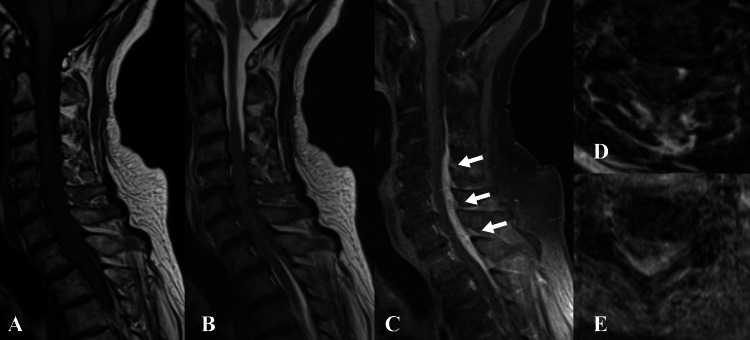
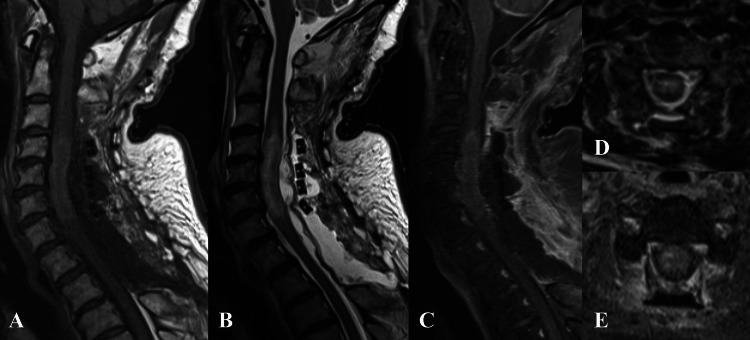
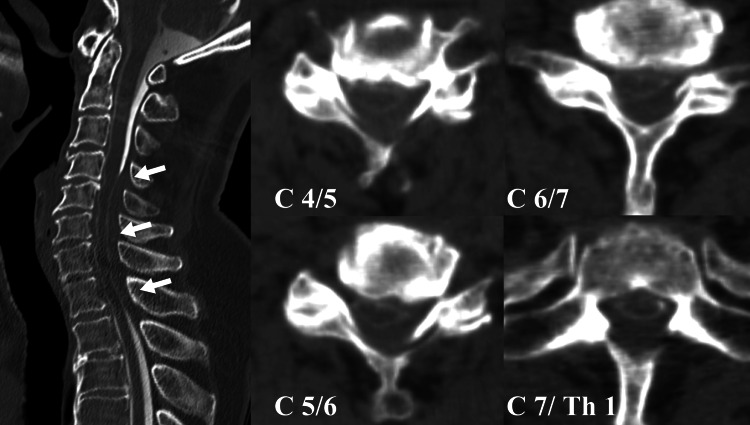
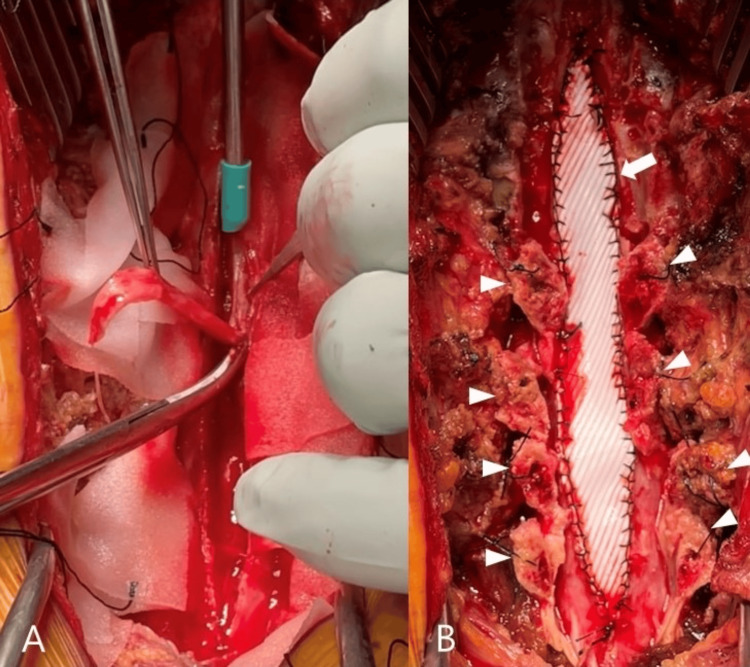
Hypertrophic pachymeningitis (HP) is a rare inflammatory disease that causes the thickening of the dura mater. Its etiology is mainly classified as idiopathic or secondary, and autoimmune disease is one of the main causes of secondary HP. Antineutrophil cytoplasmic antibody (ANCA)-associated vasculitis and IgG4-related disease are common among autoimmune diseases. Here we present a case of spinal HP in which the patient showed spinal shock and neurological symptoms deteriorated after myelography. Since the patient was sedated without caution of the neck posture, the HP itself compressed the spinal cord, which led to the tetraplegia. To our knowledge, this is the first case report of such an entity. Our case highlights the risk of sedation for patients who have hypertrophic lesions of the dura mater.
肥厚性硬脑膜炎(HP)是一种罕见的炎症性疾病,可导致硬脑膜增厚。其病因主要分为特发性或继发性,自身免疫性疾病是继发性HP的主要原因之一。抗中性粒细胞胞浆抗体(ANCA)相关性血管炎和IgG4相关疾病在自身免疫性疾病中较为常见。在此,我们报告一例脊髓HP病例,该患者在脊髓造影后出现脊髓休克且神经症状恶化。由于在未注意颈部姿势的情况下对患者进行了镇静,HP本身压迫脊髓,导致四肢瘫痪。据我们所知,这是此类病例的首例报告。我们的病例突出了硬脑膜肥厚性病变患者镇静的风险。