
免疫炎症生物标志物中性粒细胞与淋巴细胞比值(NLR)、血小板与淋巴细胞比值(PLR)、淋巴细胞与单核细胞比值(LMR)与非酒精性脂肪性肝病之间的关联:一项系统评价和荟萃分析。
The association between immunoinflammatory biomarkers NLR, PLR, LMR and nonalcoholic fatty liver disease: a systematic review and meta-analysis.
作者信息
Yang Yunyi, He Xiaoli, Tan Shufa, Qu Xiaoxiao, Huang Weijin, Cai Jiayuan, You Jiawen, Fu Xinyi, He Yanming, Yang Hongjie
机构信息
Yueyang Hospital of Integrated Traditional Chinese and Western Medicine, Shanghai University of Traditional Chinese Medicine, No. 110 Ganhe Road, Shanghai, 200437, China.
Tianjin University of Traditional Chinese Medicine, Tianjin, 301617, China.
出版信息
Clin Exp Med. 2025 Jan 15;25(1):39. doi: 10.1007/s10238-024-01539-1.
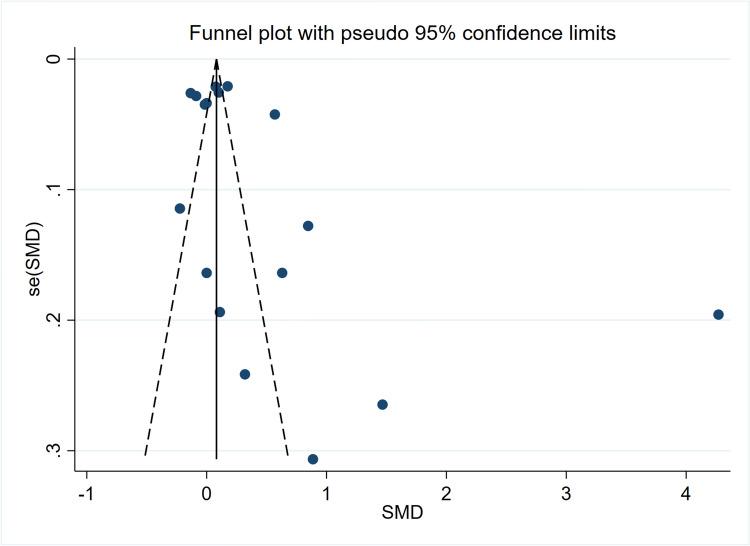
Non-alcoholic fatty liver disease (NAFLD) is a chronic liver disorder closely linked to metabolic syndrome. Identifying novel, easily measurable biomarkers could significantly enhance the diagnosis and management of NAFLD in clinical settings. Recent studies suggest that immunoinflammatory biomarkers-specifically, the neutrophil-to-lymphocyte ratio (NLR), platelet-to-lymphocyte ratio (PLR), and lymphocyte-to-monocyte ratio (LMR)-may offer diagnostic value for NAFLD. However, the effectiveness of these biomarkers has not been comprehensively assessed in this patient population. This systematic review and meta-analysis aimed to evaluate the association between these immunoinflammatory biomarkers and NAFLD. As of August 8, 2024, databases including PubMed, EMBASE, Cochrane Library, Web of Science, and Scopus were systematically searched to compare NLR, PLR, and LMR levels in NAFLD patients and healthy controls. Study quality was assessed using the Newcastle-Ottawa Scale, and standardized mean differences (SMDs) with 95% confidence intervals (CIs) were calculated (PROSPERO registry number: CRD42024580812). A total of 20 studies were included in the meta-analysis. Results indicated that NAFLD patients had significantly higher NLR levels (SMD = 0.43; 95% CI 0.28-0.58; p < 0.001) and lower PLR levels (SMD = - 0.29; 95% CI - 0.41 to - 0.17; p < 0.001) compared to controls. However, no significant difference in LMR was observed between NAFLD patients and controls(SMD = 0.08; 95% CI - 0.00 to 0.17; p = 0.051). These findings suggest that NLR and PLR may hold promise as diagnostic markers for NAFLD, while LMR appears to have limited diagnostic utility. Further research is warranted to explore the potential role of these biomarkers in tracking disease progression.
非酒精性脂肪性肝病(NAFLD)是一种与代谢综合征密切相关的慢性肝脏疾病。识别新的、易于测量的生物标志物可以显著提高临床环境中NAFLD的诊断和管理水平。最近的研究表明,免疫炎症生物标志物——具体而言,中性粒细胞与淋巴细胞比值(NLR)、血小板与淋巴细胞比值(PLR)以及淋巴细胞与单核细胞比值(LMR)——可能对NAFLD具有诊断价值。然而,这些生物标志物在该患者群体中的有效性尚未得到全面评估。本系统评价和荟萃分析旨在评估这些免疫炎症生物标志物与NAFLD之间的关联。截至2024年8月8日,系统检索了包括PubMed、EMBASE、Cochrane图书馆、Web of Science和Scopus在内的数据库,以比较NAFLD患者和健康对照者的NLR、PLR和LMR水平。使用纽卡斯尔-渥太华量表评估研究质量,并计算95%置信区间(CI)的标准化均值差(SMD)(PROSPERO注册号:CRD42024580812)。荟萃分析共纳入20项研究。结果表明,与对照组相比,NAFLD患者的NLR水平显著更高(SMD = 0.43;95% CI 0.28 - 0.58;p < 0.001),而PLR水平更低(SMD = -0.29;95% CI -0.41至-0.17;p < 0.001)。然而,NAFLD患者与对照组之间的LMR未观察到显著差异(SMD = 0.08;95% CI -0.00至0.17;p = 0.051)。这些发现表明,NLR和PLR可能有望作为NAFLD的诊断标志物,而LMR的诊断效用似乎有限。有必要进一步研究以探索这些生物标志物在追踪疾病进展中的潜在作用。




 Zotero 插件