Li Yingang, Bai Xizhuang
China Medical University, Shenyang, Liaoning, China.
Liaoning Provincial People's Hospital, Shenyang, Liaoning, China.
J Bone Oncol. 2024 Dec 25;50:100657. doi: 10.1016/j.jbo.2024.100657. eCollection 2025 Feb.
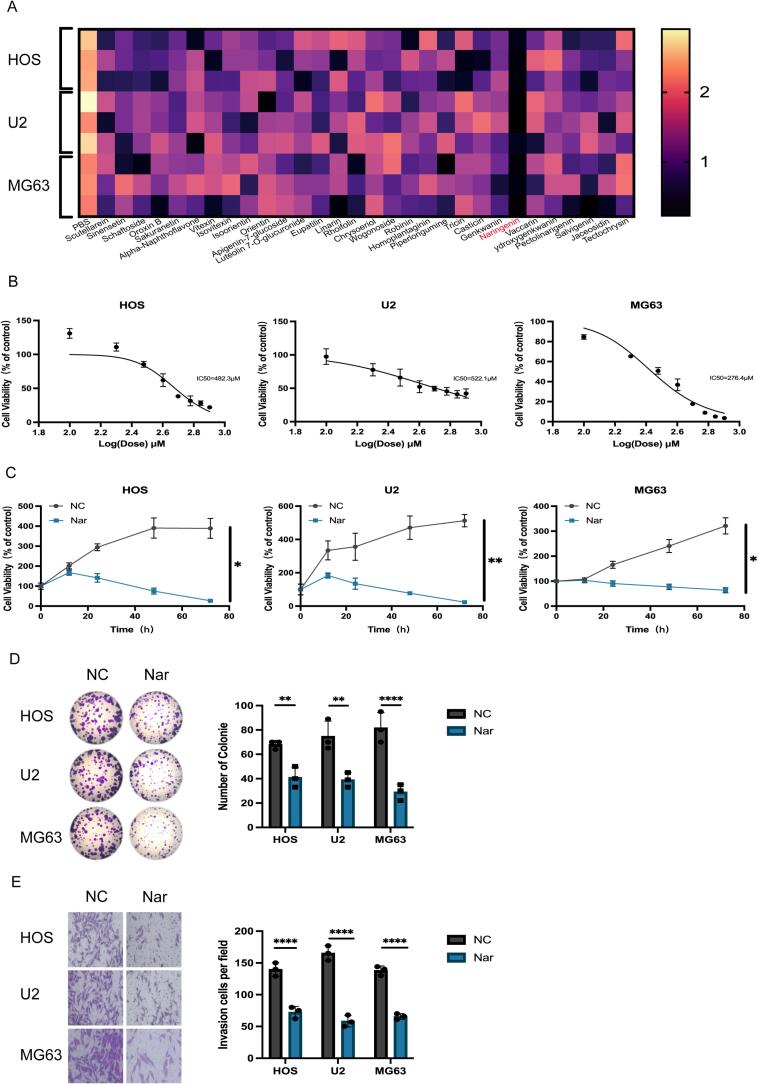
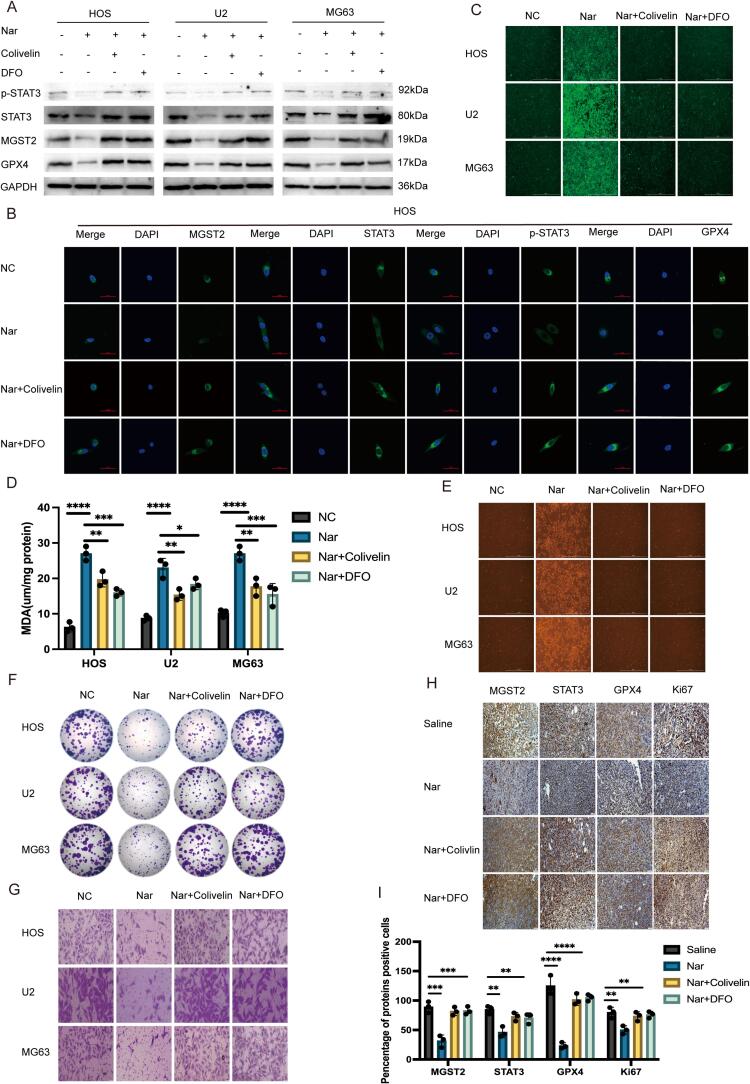
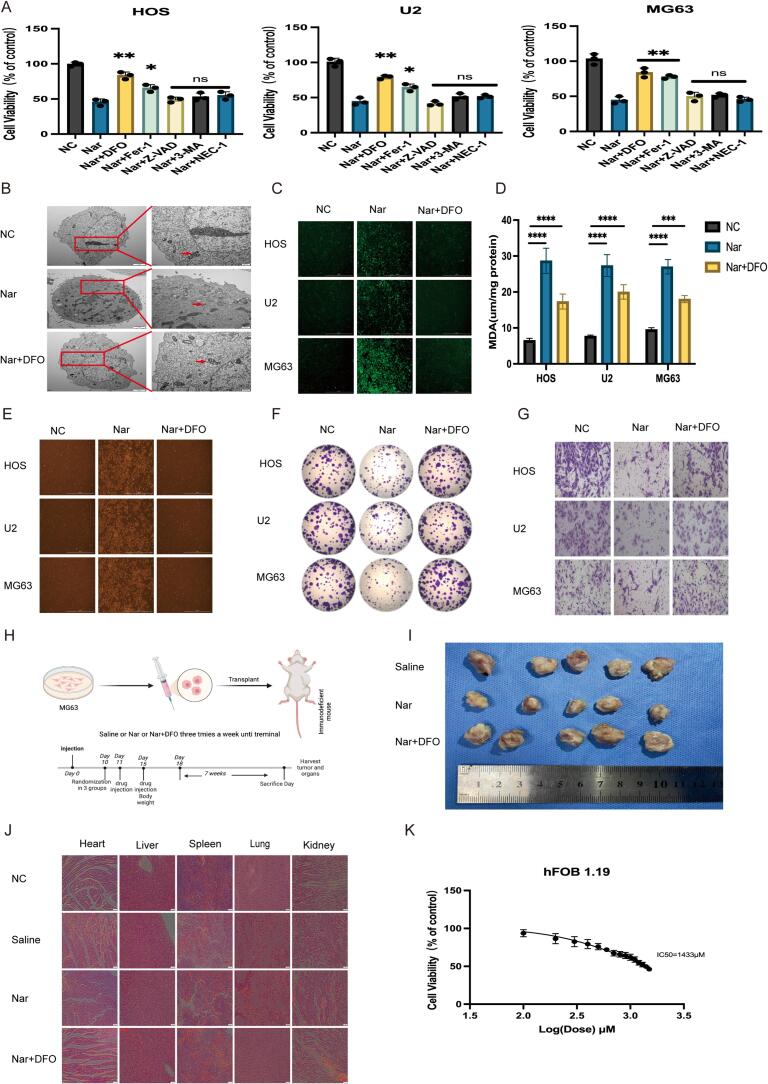
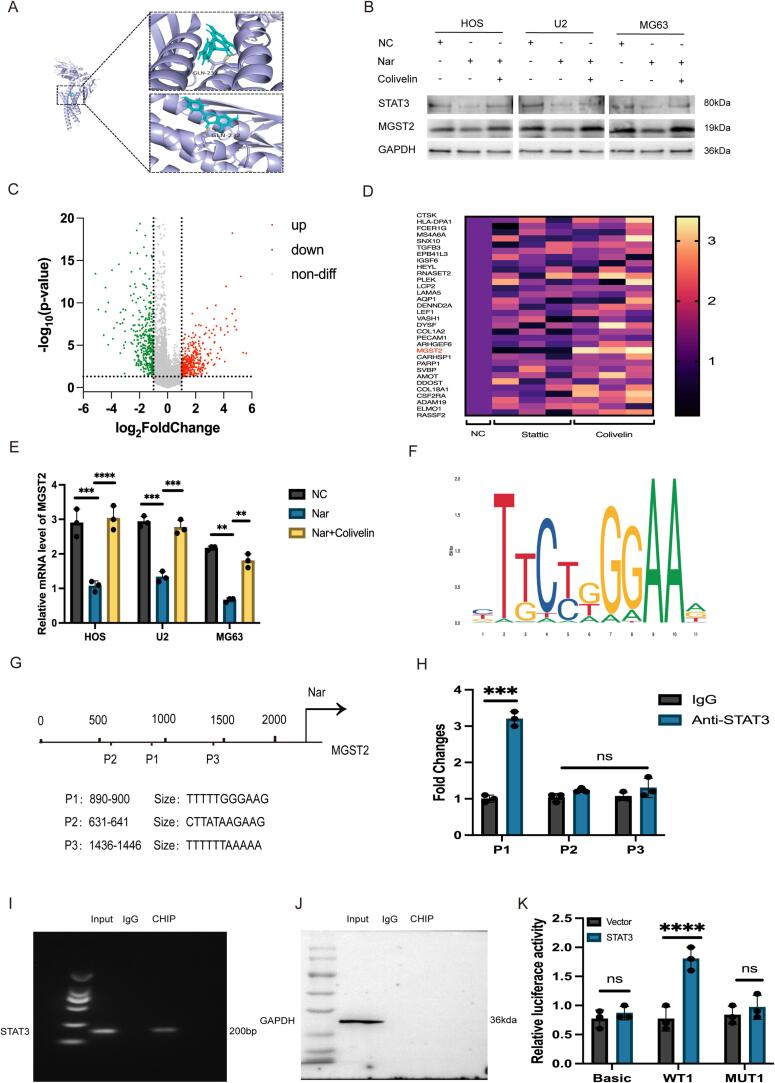
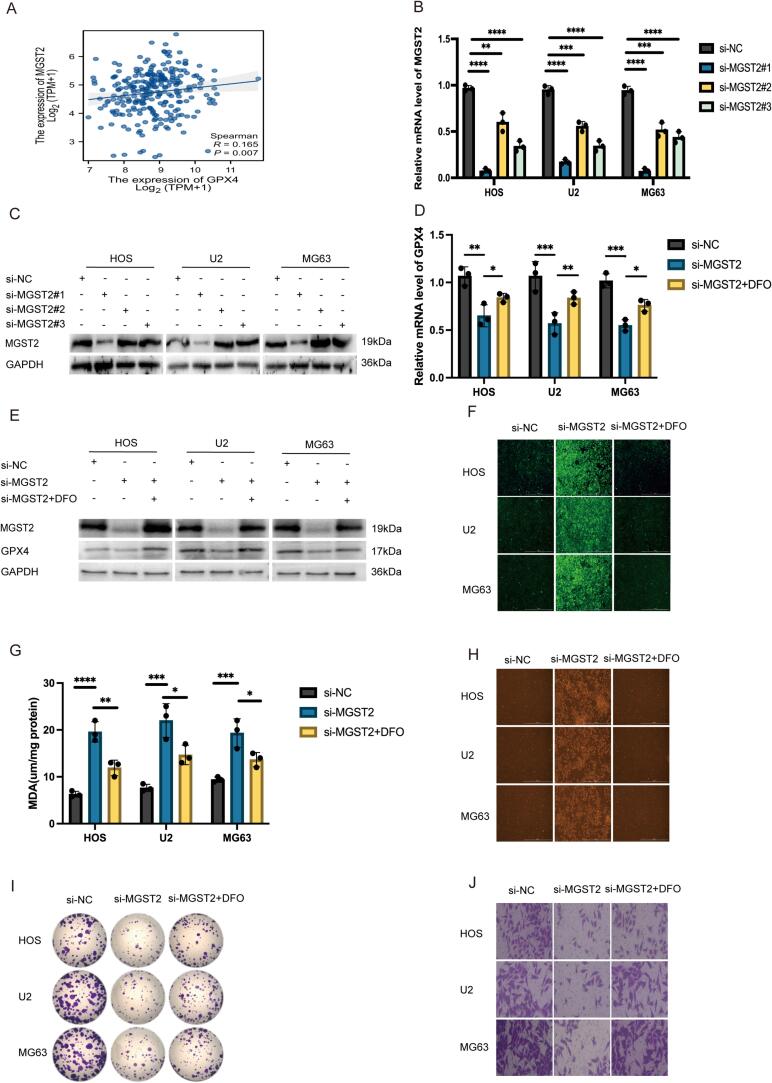
Osteosarcoma is a common malignant tumor found in adolescents, characterized by a high metastatic potential and poor prognosis, but it is sensitive to radiotherapy and chemotherapy. Ferroptosis is a novel form of regulated cell death induced by excessive iron accumulation, leading to lipid peroxidation that results in cellular dysfunction and death. Naringenin is a flavonoid known for its anti-cancer properties, yet its role in osteosarcoma has not been thoroughly studied. In this study, we found that naringenin significantly reduced the viability of osteosarcoma cells while increasing the accumulation of reactive oxygen species (ROS), iron overload, and the excessive expression of malondialdehyde (MDA). Bioinformatics analysis revealed that microsomal glutathione S-transferase 2 (MGST2) is highly expressed in osteosarcoma cells. Silencing MGST2 decreased the proliferation, migration, and invasion of these cells and enhanced their sensitivity to ferroptosis. Mechanistically, signal transducer and activator of transcription 3 (STAT3) binds to the MGST2 promoter, promoting its transcription. Naringenin inhibits STAT3, blocking the expression of MGST2, while the STAT3 agonist Colivelin reverses this effect. In vivo experiments further confirmed that naringenin inhibited tumor growth in subcutaneous xenograft models and exhibited good biosafety. In summary, our study demonstrates that naringenin induces ferroptosis in osteosarcoma cells through the STAT3-MGST2 signaling pathway, providing a promising strategy for osteosarcoma treatment.
骨肉瘤是青少年中常见的恶性肿瘤,具有高转移潜能和预后不良的特点,但对放疗和化疗敏感。铁死亡是一种由过量铁积累诱导的新型程序性细胞死亡形式,导致脂质过氧化,进而引起细胞功能障碍和死亡。柚皮素是一种以其抗癌特性而闻名的黄酮类化合物,但其在骨肉瘤中的作用尚未得到充分研究。在本研究中,我们发现柚皮素显著降低了骨肉瘤细胞的活力,同时增加了活性氧(ROS)的积累、铁过载以及丙二醛(MDA)的过度表达。生物信息学分析显示,微粒体谷胱甘肽S-转移酶2(MGST2)在骨肉瘤细胞中高表达。沉默MGST2可降低这些细胞的增殖、迁移和侵袭能力,并增强它们对铁死亡的敏感性。机制上,信号转导和转录激活因子3(STAT3)与MGST2启动子结合,促进其转录。柚皮素抑制STAT3,阻断MGST2的表达,而STAT3激动剂Colivelin可逆转这种作用。体内实验进一步证实,柚皮素在皮下异种移植模型中抑制肿瘤生长,并表现出良好的生物安全性。总之,我们的研究表明,柚皮素通过STAT3-MGST2信号通路诱导骨肉瘤细胞发生铁死亡,为骨肉瘤治疗提供了一种有前景的策略。