
淋巴结阳性膀胱癌患者术后淋巴结比率与长期生存之间关联的评估:一项基于监测、流行病学和最终结果(SEER)数据库人群的研究及外部验证
Evaluation of the association between lymph node ratio and long-term survival in patients after surgery for lymph node-positive bladder cancer: a SEER population-based study with external validation.
作者信息
Chen Tao, Zou Xinchang, Li Yihe, Peng Lifen, Song Zhen, Chao Haichao, Fu Bin, Zeng Tao
机构信息
Department of Urology, The second Affiliated Hospital, Jiangxi Medical College, Nanchang University, Nanchang, China.
Department of Urology, The first Affiliated Hospital, Jiangxi Medical College, Nanchang University, Nanchang, China.
出版信息
BMC Cancer. 2025 Jan 23;25(1):135. doi: 10.1186/s12885-024-13384-2.
BACKGROUND
The lymph node ratio (LNR) has been recognized as an emerging prognostic biomarker in various malignant tumors. Our study aimed to investigate the prognostic role of LNR in postoperative patients with lymph node-positive bladder cancer.
METHODS
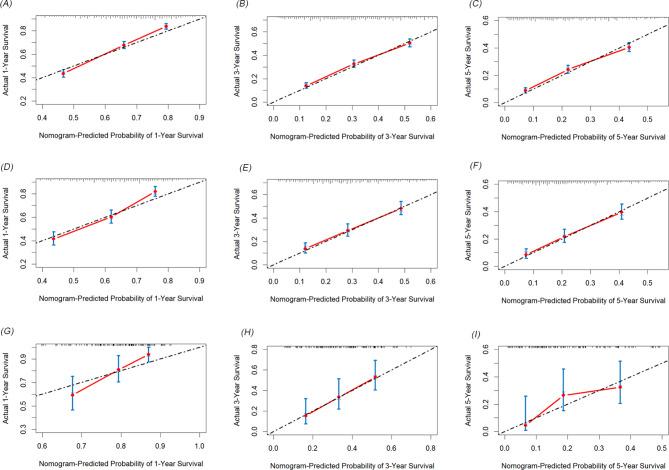
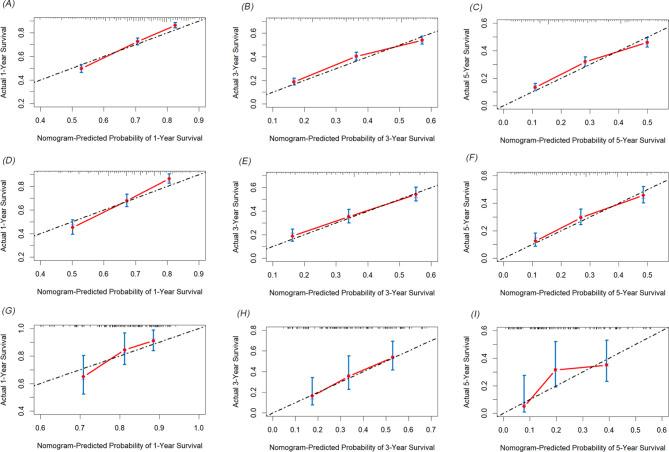
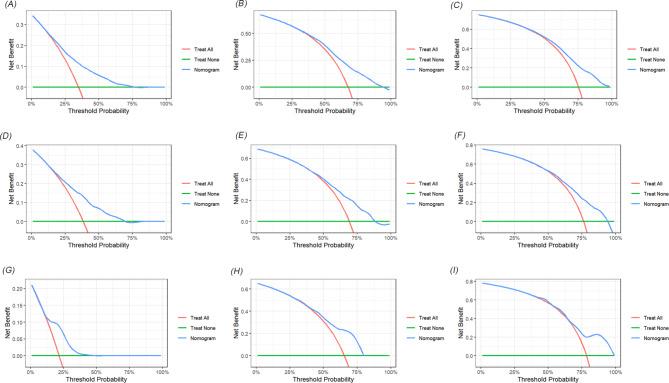
This study comprised a total of 3911 eligible patients diagnosed with lymph node-positive bladder cancer. This included 3767 patients from the Surveillance, Epidemiology, and End Results (SEER) database and 144 patients from two Chinese hospitals forming the external validation cohort. We used X-tile software to identify the optimal cut-off value for LNR. The Kaplan-Meier method and Cox regression model were utilized to evaluate the association between LNR and overall survival (OS) and cancer-specific survival (CSS). Based on the LNR index, two nomograms were constructed to estimate the prognosis of patients with lymph node-positive bladder cancer. The discriminant ability and accuracy of the nomogram were tested using the receiver operating characteristic (ROC) curve, calibration curves and decision curve analysis.
RESULTS
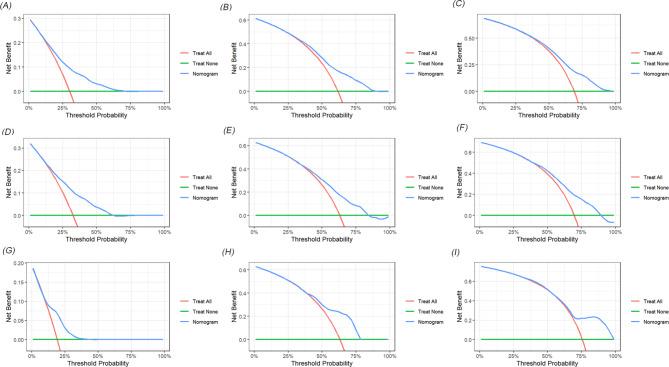
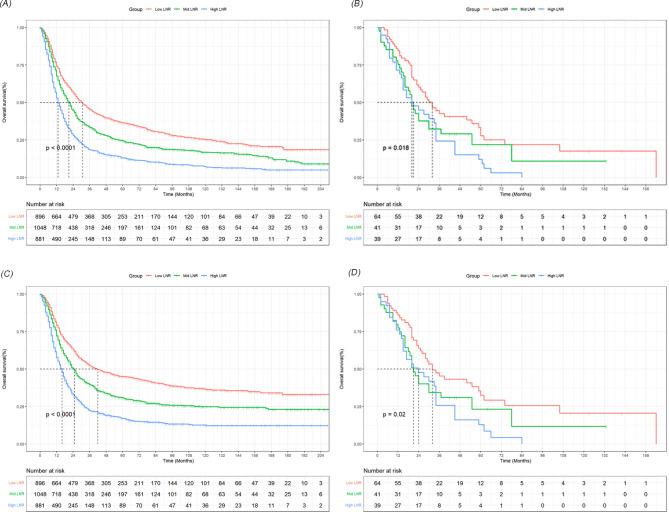
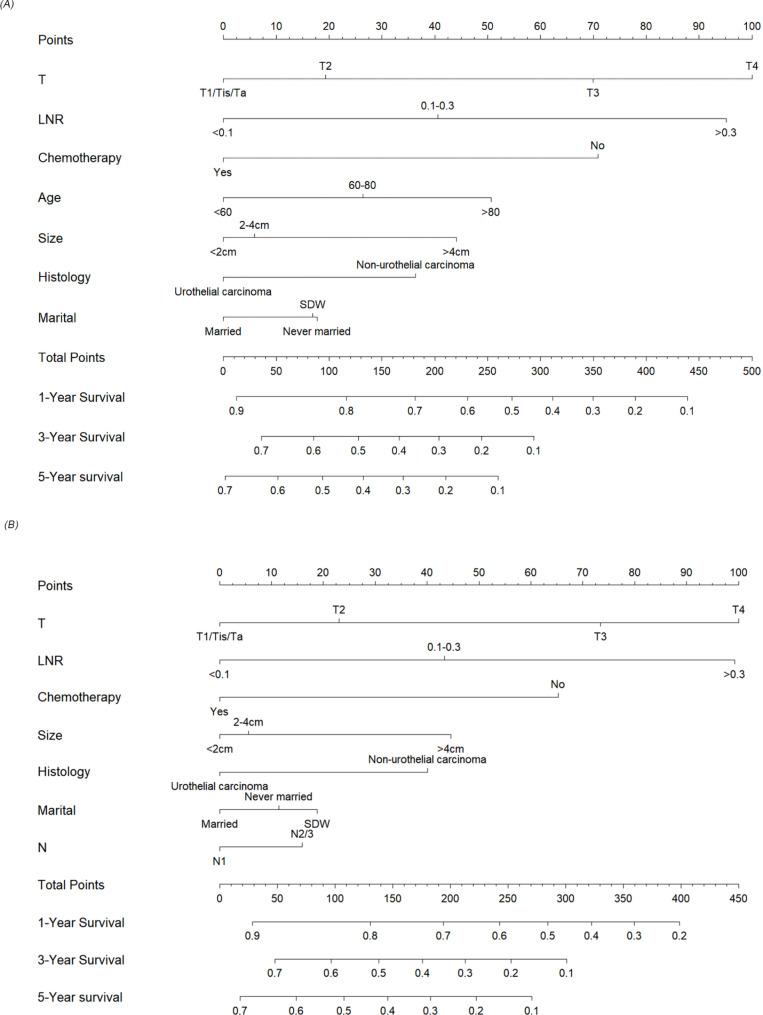
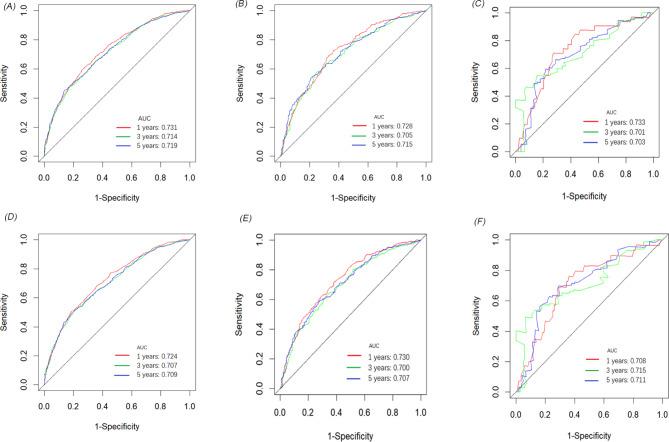
The Kaplan-Meier survival curves, stratified by LNR, demonstrated significant differences in overall and cancer-specific survival rates (P < 0.05). After adjusting for clinical and tumor factors, including AJCC N staging, patients with an LNR greater than 0.3 exhibited significantly worse OS and CSS compared to those with an LNR less than 0.1 in both the SEER and external validation cohorts. Furthermore, the nomogram, which incorporated LNR, showed satisfactory discriminative ability, and the calibration curves confirmed favorable consistency.
CONCLUSION
LNR proves to be an independent prognostic factor for postoperative patients with lymph node-positive bladder cancer. These findings highlight LNR's potential as a prognostic indicator, which could be beneficial in patient consultations and guiding treatment decisions.
背景
淋巴结比率(LNR)已被公认为多种恶性肿瘤中一种新出现的预后生物标志物。我们的研究旨在探讨LNR在淋巴结阳性膀胱癌术后患者中的预后作用。
方法
本研究共纳入3911例确诊为淋巴结阳性膀胱癌的合格患者。其中包括来自监测、流行病学和最终结果(SEER)数据库的3767例患者以及来自两家中国医院的144例患者,后者构成外部验证队列。我们使用X-tile软件确定LNR的最佳临界值。采用Kaplan-Meier法和Cox回归模型评估LNR与总生存期(OS)和癌症特异性生存期(CSS)之间的关联。基于LNR指数,构建了两个列线图以估计淋巴结阳性膀胱癌患者的预后。使用受试者工作特征(ROC)曲线、校准曲线和决策曲线分析测试列线图的判别能力和准确性。
结果
按LNR分层的Kaplan-Meier生存曲线显示,总生存率和癌症特异性生存率存在显著差异(P < 0.05)。在调整包括美国癌症联合委员会(AJCC)N分期在内的临床和肿瘤因素后,在SEER队列和外部验证队列中,LNR大于0.3的患者与LNR小于0.1的患者相比,OS和CSS显著更差。此外,纳入LNR的列线图显示出令人满意的判别能力,校准曲线证实具有良好的一致性。
结论
LNR被证明是淋巴结阳性膀胱癌术后患者的独立预后因素。这些发现突出了LNR作为预后指标的潜力,这可能有助于患者咨询和指导治疗决策。
 Zotero 插件