
从微观到宏观,纳米技术揭开了急性胰腺炎的神秘面纱:新一代治疗方案应运而生。
From micro to macro, nanotechnology demystifies acute pancreatitis: a new generation of treatment options emerges.
作者信息
Du Wei, Wang Xinyue, Zhou Yuyan, Wu Wencheng, Huang Haojie, Jin Zhendong
机构信息
Department of Gastroenterology, Shanghai Institute of Pancreatic Diseases, National Key Laboratory of Immunity and Inflammation, Changhai Hospital, Naval Medical University, Shanghai, 200433, China.
Central Laboratory, Department of Medical Ultrasound, Sichuan Provincial People's Hospital, Sichuan Academy of Medical Sciences, University of Electronic Science and Technology of China, Chengdu, Sichuan, 610072, China.
出版信息
J Nanobiotechnology. 2025 Jan 29;23(1):57. doi: 10.1186/s12951-025-03106-6.
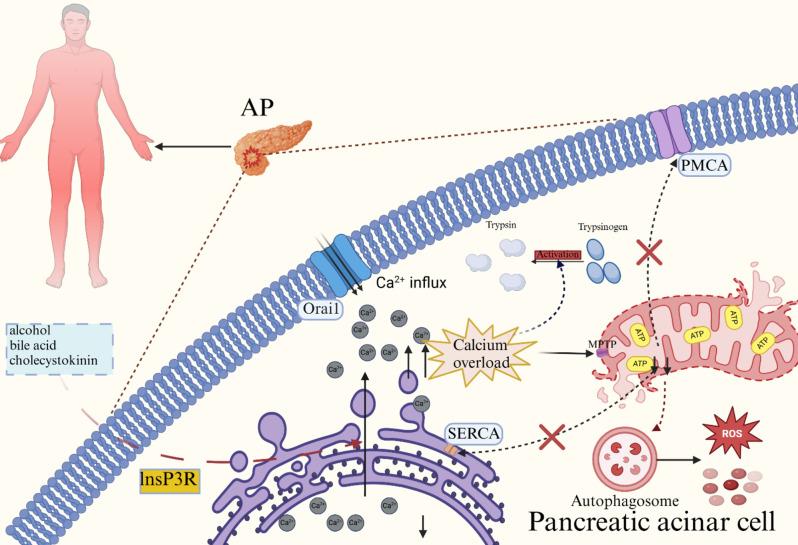
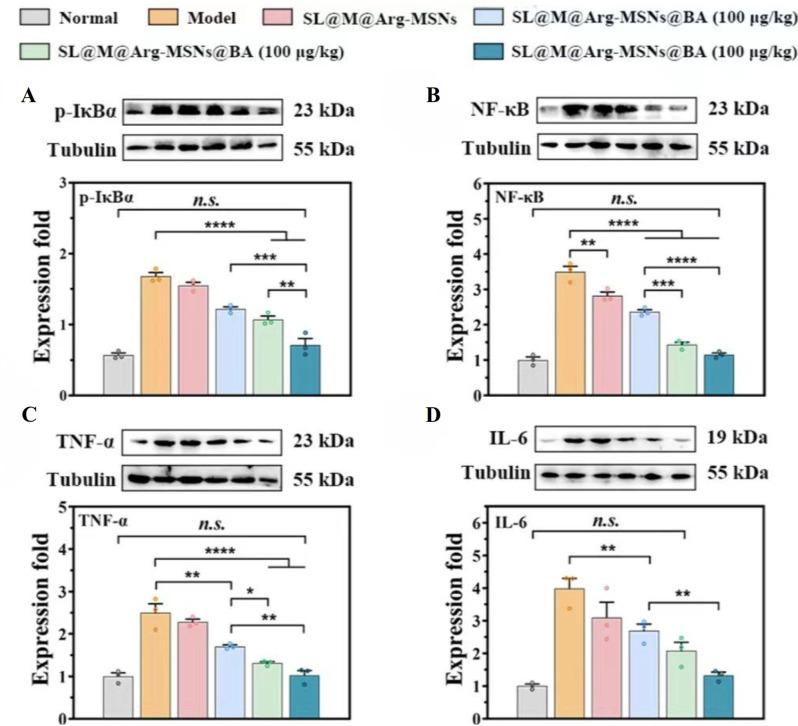
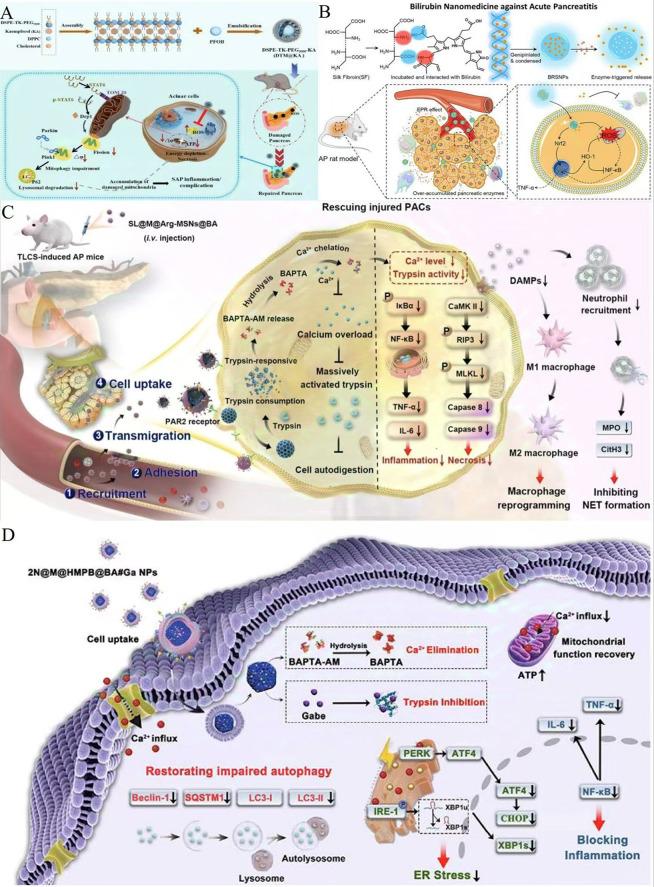
Acute pancreatitis (AP) is a disease characterized by an acute inflammatory response in the pancreas. This is caused by the abnormal activation of pancreatic enzymes by a variety of etiologic factors, which results in a localized inflammatory response. The symptoms of this disease include abdominal pain, nausea and vomiting and fever. These symptoms are induced by a hyperinflammatory response and oxidative stress. In recent years, research has focused on developing anti-inflammatory and antioxidative therapies for the treatment of acute pancreatitis (AP). However, there are still limitations to this approach, including poor drug stability, low bioavailability and a short half-life. The advent of nanotechnology has opened up a novel avenue for the management of acute pancreatitis (AP). Nanomaterials can serve as an efficacious vehicle for conventional pharmaceuticals, enhancing their targeting ability, improving bioavailability and prolonging their half-life. Moreover, they can also exert a direct therapeutic effect. This review begins by introducing the general situation of acute pancreatitis (AP). It then discusses the pathogenesis of acute pancreatitis (AP) and the current status of treatment. Finally, it considers the literature related to the treatment of acute pancreatitis (AP) by nanomaterials. The objective of this study is to provide a comprehensive review of the existing literature on the use of nanomaterials in the treatment of acute pancreatitis (AP). In particular, the changes in inflammatory markers and therapeutic outcomes following the administration of nanomaterials are examined. This is done with the intention of offering insights that can inform subsequent research and facilitate the clinical application of nanomaterials in the management of acute pancreatitis (AP).
急性胰腺炎(AP)是一种以胰腺急性炎症反应为特征的疾病。这是由多种病因导致胰腺酶异常激活引起的,进而引发局部炎症反应。该疾病的症状包括腹痛、恶心、呕吐和发热。这些症状是由过度炎症反应和氧化应激诱导产生的。近年来,研究聚焦于开发抗炎和抗氧化疗法来治疗急性胰腺炎(AP)。然而,这种方法仍存在局限性,包括药物稳定性差、生物利用度低和半衰期短等问题。纳米技术的出现为急性胰腺炎(AP)的治疗开辟了一条新途径。纳米材料可以作为传统药物的有效载体,增强其靶向能力,提高生物利用度并延长其半衰期。此外,它们还能发挥直接的治疗作用。本综述首先介绍急性胰腺炎(AP)的概况。接着讨论急性胰腺炎(AP)的发病机制及治疗现状。最后,探讨与纳米材料治疗急性胰腺炎(AP)相关的文献。本研究的目的是对现有关于纳米材料用于治疗急性胰腺炎(AP)的文献进行全面综述。特别是,研究纳米材料给药后炎症标志物的变化和治疗效果。这样做的目的是提供见解,为后续研究提供参考,并促进纳米材料在急性胰腺炎(AP)治疗中的临床应用。

 Zotero 插件