Leser Felipe Saceanu, Júnyor Flavio de Souza, Pagnoncelli Iohanna Bianca, Delgado Anna Beatriz, Medeiros Isabelle, Nóbrega Ana Clara Campanelli, Andrade Brenda da Silva, de Lima Maiara Nascimento, da Silva Nícolas Emanoel, Jacob Laurent, Boyé Kevin, Geraldo Luiz Henrique Medeiros, de Souza Alessandra Mendonça Teles, Maron-Gutierrez Tatiana, Castro-Faria-Neto Hugo, Follmer Cristian, Braga Carolina, Neves Gilda Angela, Eichmann Anne, Romão Luciana Ferreira, Lima Flavia Regina Souza
Laboratory of Glial Cell Biology, Biomedical Sciences Institute, Universidade Federal do Rio de Janeiro, Rio de Janeiro, RJ, 21949-590, Brazil.
Institut National de la Santé et de la Recherche Médicale (INSERM), Paris Cardiovascular Research Center (PARCC), Paris, 75015, France.
J Neuroinflammation. 2025 Feb 2;22(1):31. doi: 10.1186/s12974-024-03318-x.
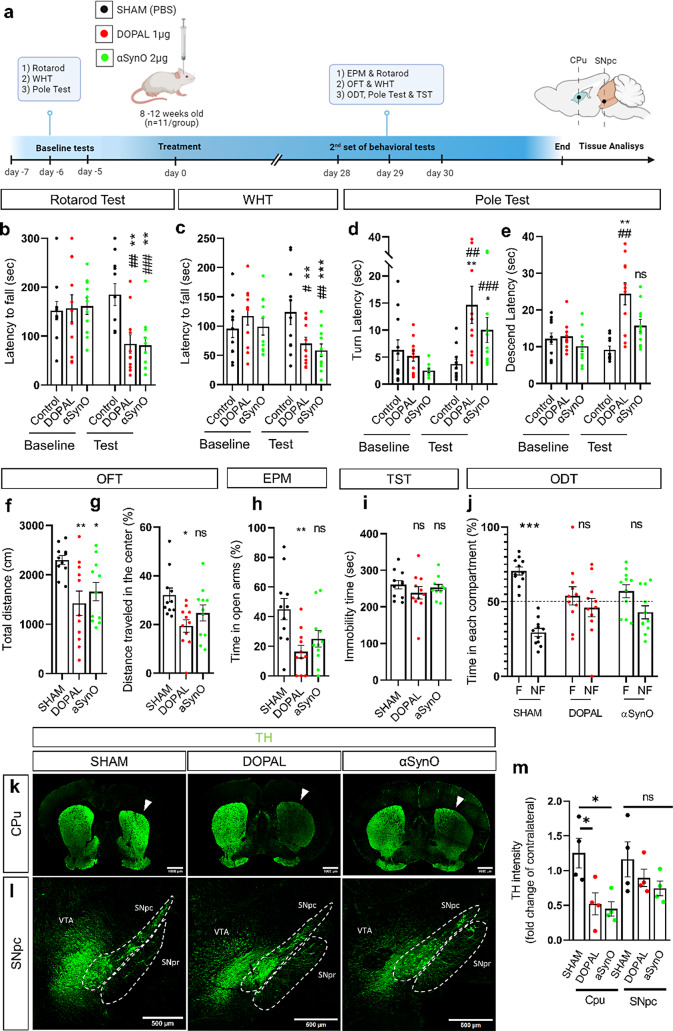
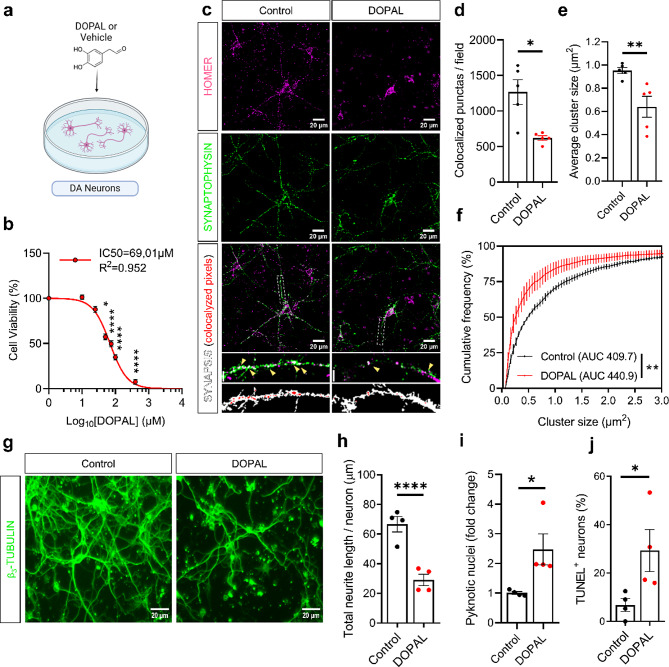
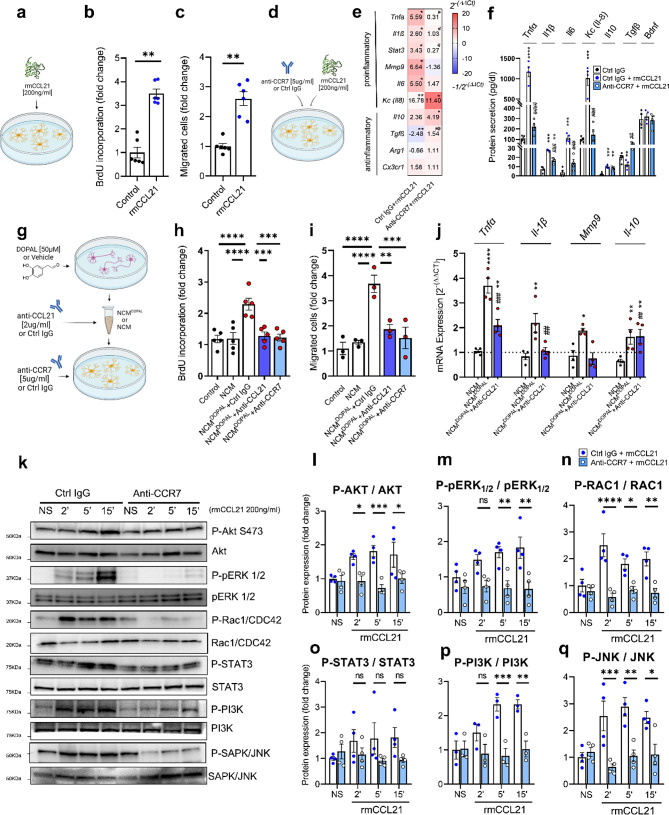
Parkinson's disease (PD) is a progressive degenerative disease of the central nervous system associated with neuroinflammation and microglial cell activation. Chemokine signaling regulates neuron-glia communication and triggers a microglial inflammatory profile. Herein, we identified the neuronal chemokine CCL21 as a major cause of microglial cell imbalance through the CCR7 receptor pathway with therapeutic implications for PD. In humans, we found that CCL21 transcript expression was increased in dopaminergic neurons (DANs) of the substantia nigra in PD patients. CCL21 and CCR7 expressions were spatially associated with brain regional vulnerability to synucleinopathies, as well as with the expression of microglial activation, neuroinflammation, and degeneration-related genes. Also, in mouse models of PD, we showed that CCL21 was overexpressed in DANs in vivo and in vitro. Mechanistically, neuronal CCL21 was shown to regulate microglial cell migration, proliferation, and activation in a CCR7-dependent manner through both canonical (PI3K/AKT) and non-canonical (ERK1/2/JNK) signaling pathways. Finally, we demonstrated that navarixin, a clinically relevant chemokine inhibitor with high affinity for the CCR7 receptor, could block CCL21 effects on microglia and prevent neurodegeneration and behavioral deficits in two mouse models of PD induced with either α-synuclein oligomers (αSynO) or 3,4-dihydroxyphenylacetaldehyde (DOPAL). Altogether, our data indicate that navarixin blocks CCL21/CCR7-mediated neuron-microglia communication and could be used as a therapeutic strategy against PD.
帕金森病(PD)是一种与神经炎症和小胶质细胞激活相关的中枢神经系统进行性退行性疾病。趋化因子信号传导调节神经元与神经胶质之间的通讯,并引发小胶质细胞的炎症反应。在此,我们确定神经元趋化因子CCL21是通过CCR7受体途径导致小胶质细胞失衡的主要原因,这对帕金森病具有治疗意义。在人类中,我们发现PD患者黑质中多巴胺能神经元(DANs)的CCL21转录本表达增加。CCL21和CCR7的表达在空间上与大脑区域对突触核蛋白病的易感性相关,也与小胶质细胞激活、神经炎症和变性相关基因的表达相关。此外,在帕金森病小鼠模型中,我们表明CCL21在体内和体外的DANs中均过表达。从机制上讲,神经元CCL21通过经典(PI3K/AKT)和非经典(ERK1/2/JNK)信号通路以CCR7依赖的方式调节小胶质细胞的迁移、增殖和激活。最后,我们证明了纳伐瑞辛,一种对CCR7受体具有高亲和力的临床相关趋化因子抑制剂,可以阻断CCL21对小胶质细胞的作用,并预防由α-突触核蛋白寡聚体(αSynO)或3,4-二羟基苯乙醛(DOPAL)诱导的两种帕金森病小鼠模型中的神经退行性变和行为缺陷。总之,我们的数据表明纳伐瑞辛可阻断CCL21/CCR7介导的神经元-小胶质细胞通讯,并可作为治疗帕金森病的策略。