Rapparini Luca, Cedirian Stephano, La Placa Michelangelo, Piraccini Bianca Maria, Raschi Emanuel, Starace Michela
Dermatology Unit, IRCCS Azienda Ospedaliero-Universitaria di Bologna, Via Massarenti 1, 40138, Bologna, Italy.
Department of Medical and Surgical Sciences, Alma Mater Studiorum, University of Bologna, Bologna, Italy.
Am J Clin Dermatol. 2025 Mar;26(2):251-264. doi: 10.1007/s40257-025-00919-x. Epub 2025 Feb 3.
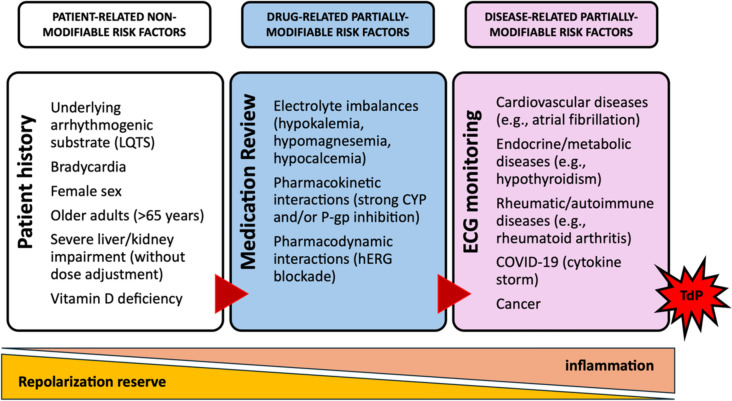
The unique immunomodulatory properties of hydroxychloroquine (HCQ) have attracted considerable interest beyond its use for malaria and rheumatological diseases, including a variety of dermatological conditions. Over recent years, especially after the coronavirus disease 2019 (COVID-19) pandemic, the prescription of HCQ has also significantly expanded, sometimes inappropriately, thus posing additional challenges on its optimal use, due to emerging safety issues. In this review, we provide dermatologists with the latest advancements on selected clinically relevant toxicities, namely retinopathy, pro-arrhythmia, cutaneous reactions, and neuropsychiatric effects. It is hoped this update can assist dermatologists to identify high-risk patients for tailored monitoring, screening, and risk minimization strategies, thus supporting safer HCQ prescribing.
羟氯喹(HCQ)独特的免疫调节特性,使其在除疟疾和风湿性疾病之外,还引发了人们对其在包括多种皮肤病状况在内的其他领域应用的浓厚兴趣。近年来,尤其是在2019年冠状病毒病(COVID-19)大流行之后,HCQ的处方量也显著增加,有时甚至不合理,由于新出现的安全问题,这对其最佳使用提出了额外挑战。在本综述中,我们向皮肤科医生介绍了选定的临床相关毒性方面的最新进展,即视网膜病变、心律失常、皮肤反应和神经精神效应。希望这一更新能够帮助皮肤科医生识别高危患者,以便制定针对性的监测、筛查和风险最小化策略,从而支持更安全地开具HCQ处方。