Alhamam Naif M
Orthopaedics, King Faisal University, Al-Hofuf, SAU.
Cureus. 2025 Feb 3;17(2):e78464. doi: 10.7759/cureus.78464. eCollection 2025 Feb.
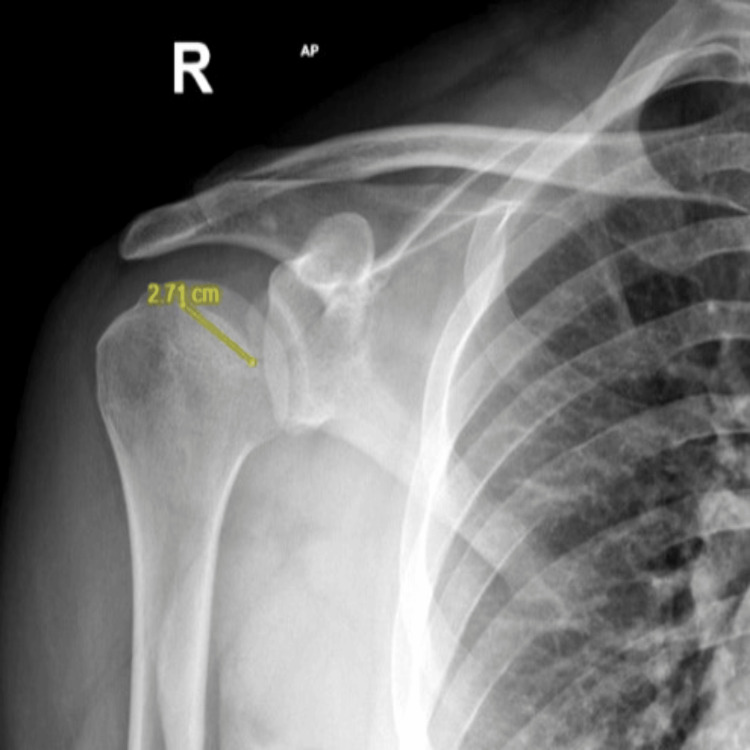
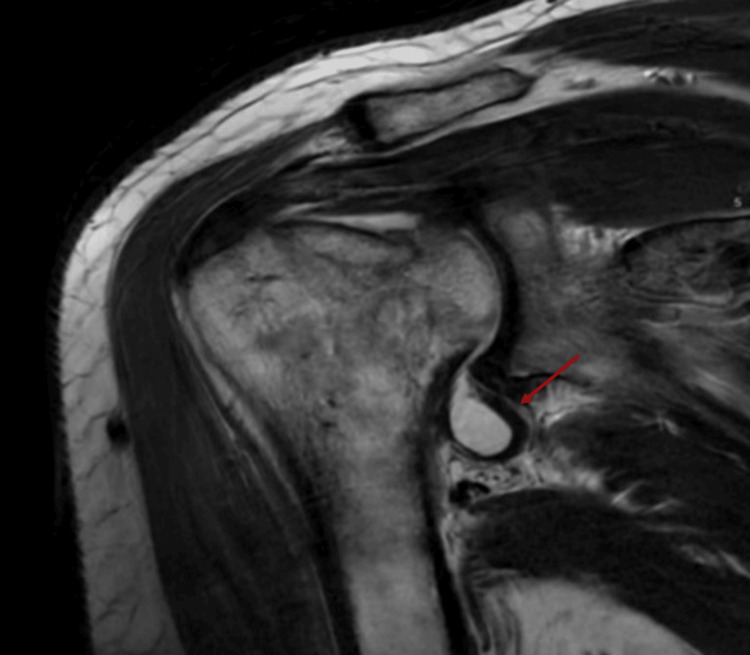
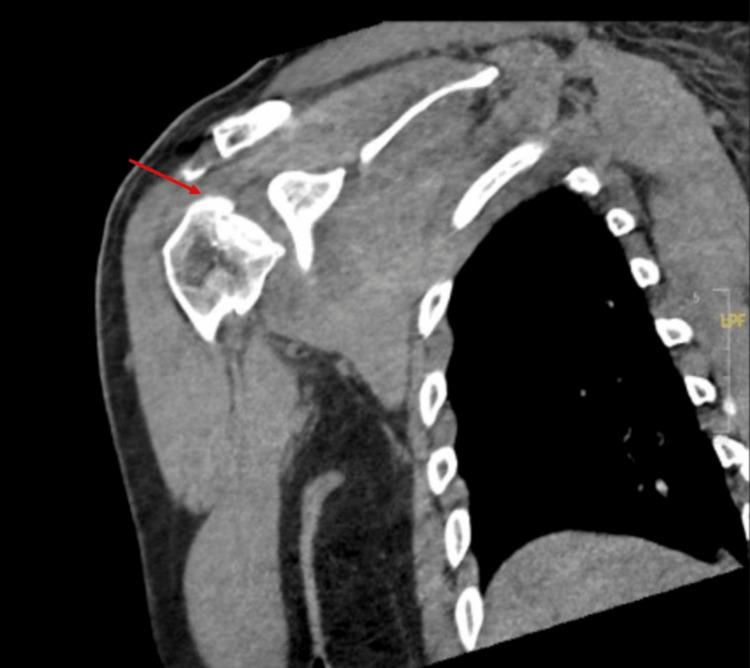
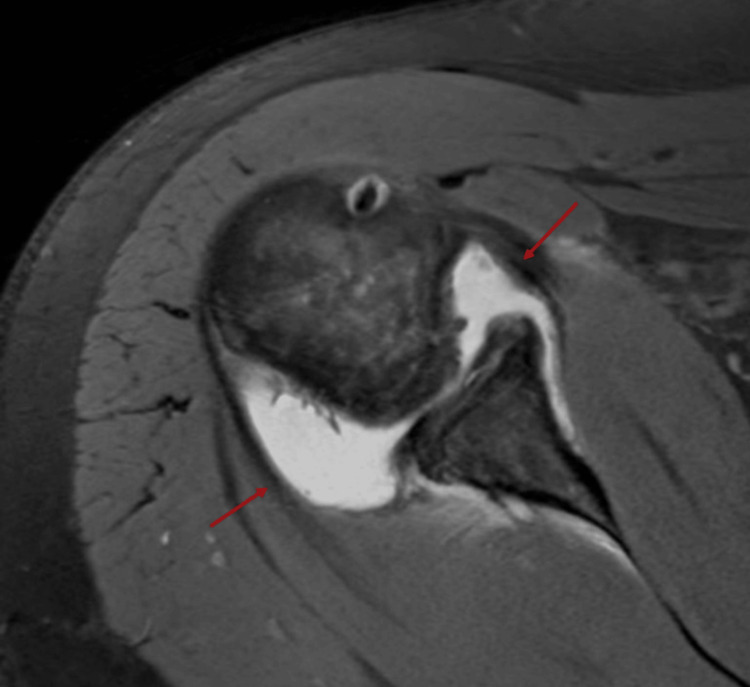
Posterior shoulder dislocation is a rare and often missed injury, usually due to seizures, electrical shocks, or high-impact trauma. A 32-year-old man with a history of diabetes presented to the emergency department following an electric shock that threw him to the ground. He complained of right shoulder pain with limitation of movement. The initial radiographs of both shoulders did not show fracture or dislocation of either shoulder joint, and the condition was managed with an arm sling. A subsequent CT scan confirmed an irregular depression with sclerosis in the subchondral bone in the anterosuperior part of the humeral head, associated with a spontaneous reduction during the course of the electrical injury. He was managed conservatively, and the one-year follow-up showed excellent clinical results. Most shoulder injuries can be treated satisfactorily without surgery, provided there is no significant instability. This case report emphasizes the successful non-surgical treatment of this very rare posterior shoulder dislocation and highlights that careful rehabilitation, along with conservative management, is effective in ensuring significant recovery. This is further supported by evidence seen in the benefits of non-surgical procedures in similar cases.
肩后脱位是一种罕见且常被漏诊的损伤,通常由癫痫发作、电击或高能量创伤引起。一名有糖尿病史的32岁男性在遭受电击摔倒后被送往急诊科。他主诉右肩疼痛且活动受限。双肩的初始X线片未显示任何一个肩关节有骨折或脱位,于是用手臂吊带对该情况进行处理。随后的CT扫描证实肱骨头前上部的软骨下骨有不规则凹陷并伴有硬化,且在电击伤过程中出现了自发复位。他接受了保守治疗,一年的随访显示临床效果极佳。大多数肩部损伤如果没有明显的不稳定情况,无需手术即可得到满意治疗。本病例报告强调了对这种非常罕见的肩后脱位进行成功非手术治疗,并突出了仔细的康复治疗以及保守管理在确保显著恢复方面是有效的。类似病例中非手术治疗的益处所提供的证据进一步支持了这一点。