Wei Suyu, Sun Liang
Department of Emergency, Shandong Provincial Third Hospital, Shandong University, Jinan, Shandong, China.
J Int Med Res. 2025 Feb;53(2):3000605251315353. doi: 10.1177/03000605251315353.
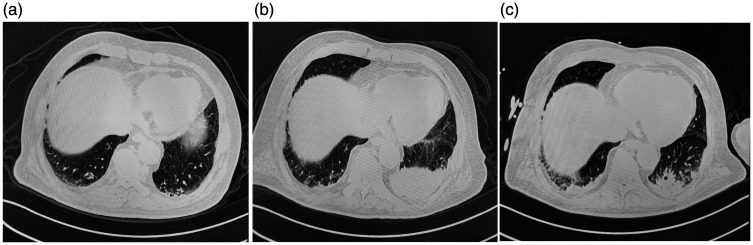
Heat stroke, triggered by excessive heat exposure or intense physical activity, is a medical condition characterized by a rapid rise in core body temperature, central nervous system dysfunction and multiorgan failure. A patient presented with heat stroke and was unconscious. During treatment, we identified a range of complications, including shifted flora, coagulation abnormalities, liver damage and renal failure-indicating multiorgan dysfunction. We administered antibiotic therapy, blood purification and other comprehensive treatments, leading to the patient's recovery and subsequent discharge. For cases of heat stroke in an intensive care setting, clinicians must recognize the condition early and act swiftly to reduce body temperature. Additionally, the early use of antibiotics can help prevent microbial imbalance. For eligible patients, hemodialysis should be initiated promptly to manage renal complications effectively.
中暑是由过度暴露于高温环境或剧烈体育活动引发的一种病症,其特征为核心体温迅速升高、中枢神经系统功能障碍和多器官衰竭。一名中暑患者被送来时已失去意识。在治疗过程中,我们识别出一系列并发症,包括菌群移位、凝血异常、肝损伤和肾衰竭,这表明出现了多器官功能障碍。我们给予了抗生素治疗、血液净化及其他综合治疗,最终患者康复并出院。对于重症监护环境下的中暑病例,临床医生必须尽早识别病情并迅速采取行动降低体温。此外,早期使用抗生素有助于预防微生物失衡。对于符合条件的患者,应及时启动血液透析以有效处理肾脏并发症。