Tapia José, Gabrielson Marike, Hammarström Mattias, Wengström Yvonne, Bergqvist Jenny, Tuuliainen Aki, Eriksson Mikael, Czene Kamila, Hall Per, Bäcklund Magnus
Department of Medical Epidemiology and Biostatistics, Karolinska Institutet, Nobels Väg 12 A, Stockholm, 171 77, Sweden.
Department of Neurobiology, Care Science and Society, Division of Nursing and Theme Cancer, Karolinska CCC, Karolinska University Hospital, Stockholm, Sweden.
BMC Health Serv Res. 2025 Mar 6;25(1):344. doi: 10.1186/s12913-025-12471-9.
Anti-estrogens are widely used to reduce recurrence in breast cancer patients. The side effects often lead to treatment non-adherence and the use of anti-hormonal treatments as primary prevention in women with increased risk of breast cancer is very low. We have conducted breast cancer prevention trials aiming to lower the adverse effects of anti-hormones, but with retained effect. For increased two-way communication and to facilitate effective reporting of adverse events we have developed a smartphone application (app), the KarmApp. The aim of our study was to explore the user frequencies of the different features of the app, and if the use is influenced by age and has changed over time.
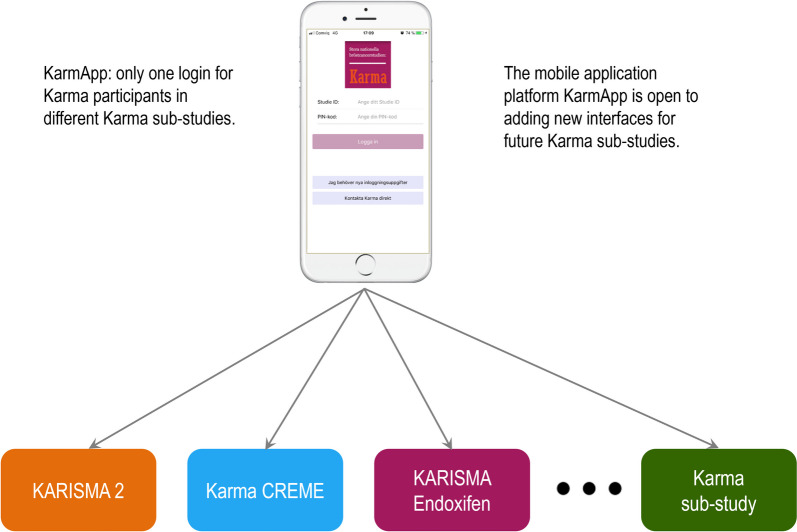
Healthy women aged 40-74, attending the Swedish mammography screening program, were invited to participate in trials evaluating risk-reducing medications at different doses and formulations (KARISMA 2, N = 1,440, KARMA Creme, N = 90, and KARISMA Endoxifen, N = 240). After inclusion, participants were given instructions on how to use the app. We retrospectively evaluated the usage frequencies of the KarmApp and its various functions from 2016 to 2024. To explore the age factor attributed to KarmApp usage, age groups were formed and age was also analyzed as a continuous variable, using logistic regression.
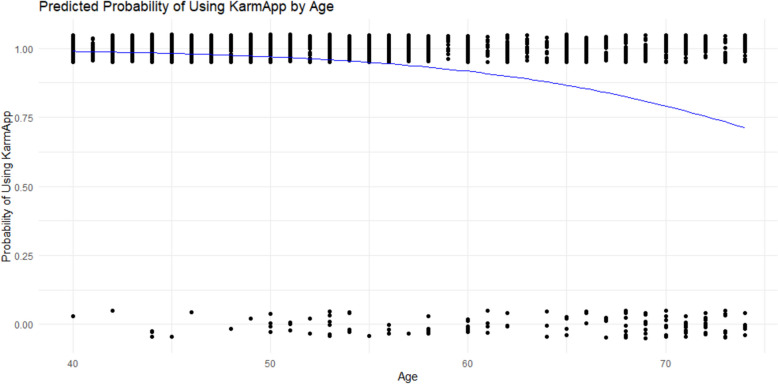
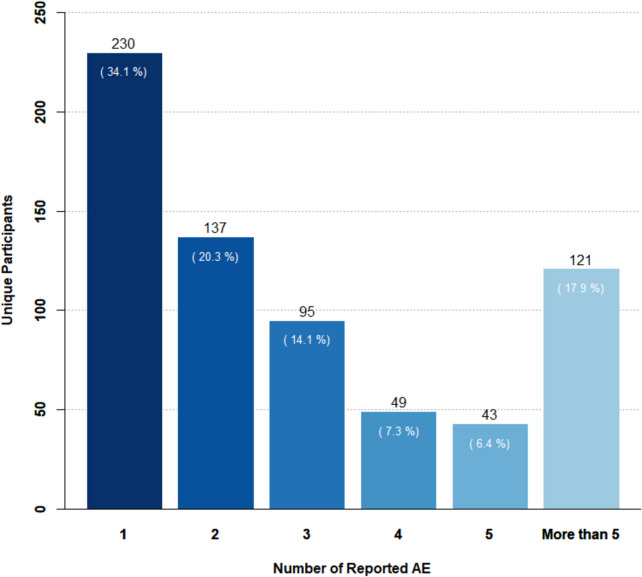
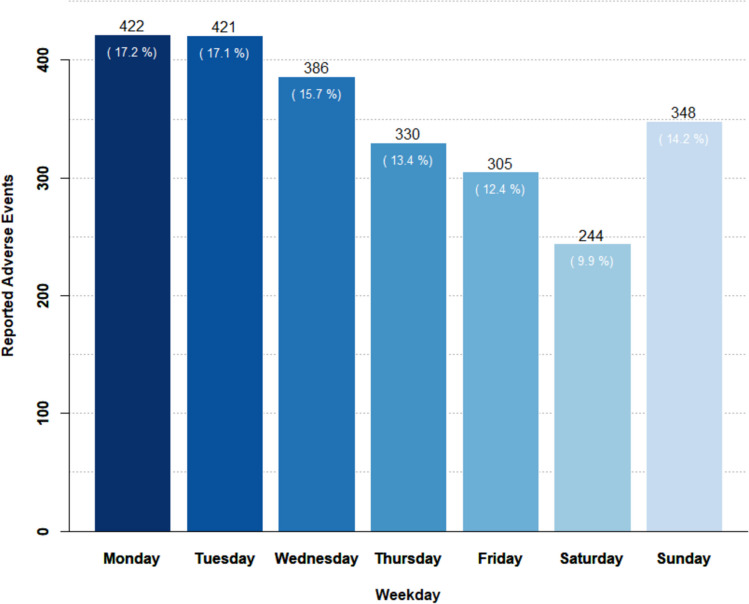
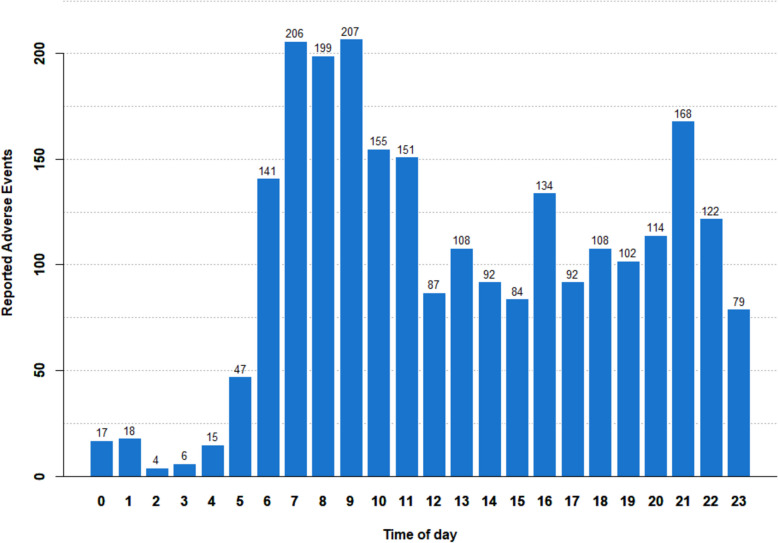
Of 1,770 participants, 1,646 (93.0%) used the KarmApp and there were 17,065 user interactions, corresponding to 9.6 interactions per person. "Study Activities Overview" was the feature most frequently used. A total of 2,985 adverse events were reported, 2,309 (77.4%) via the KarmApp. The remaining reports were mainly done via phone calls. The younger age, the more likely women were to use the app (p < 0.001), but 75% of women in the highest age group, 60-74 years, used the app. The proportion of users increased over time.
A vast majority chose to use the KarmApp and reported side effects via the app. More prevalent use was seen among younger participants and use increased over calendar period. Supported by our data, KarmApp exemplifies the potential of using mobile technologies in clinical trials.
抗雌激素药物被广泛用于降低乳腺癌患者的复发率。其副作用常常导致治疗依从性差,而且抗激素治疗作为乳腺癌高危女性的一级预防措施的使用率非常低。我们开展了乳腺癌预防试验,旨在降低抗激素药物的不良反应,同时保留其疗效。为了加强双向沟通并促进不良事件的有效报告,我们开发了一款智能手机应用程序(app),即KarmApp。我们研究的目的是探索该应用程序不同功能的用户使用频率,以及使用情况是否受年龄影响以及随时间是否发生了变化。
邀请参加瑞典乳腺钼靶筛查项目的40 - 74岁健康女性参与评估不同剂量和剂型的降低风险药物的试验(KARISMA 2,N = 1440;KARMA Creme,N = 90;KARISMA Endoxifen,N = 240)。纳入后,向参与者提供关于如何使用该应用程序的说明。我们回顾性评估了2016年至2024年期间KarmApp及其各种功能的使用频率。为了探究与KarmApp使用相关的年龄因素,划分了年龄组,并将年龄作为连续变量进行逻辑回归分析。
在1770名参与者中,1646名(93.0%)使用了KarmApp,共有17065次用户交互,即人均9.6次交互。“研究活动概述”是使用最频繁的功能。总共报告了2985起不良事件,其中2309起(77.4%)是通过KarmApp报告的。其余报告主要通过电话进行。年龄越小,女性使用该应用程序的可能性越大(p < 0.001),但年龄最大组(60 - 74岁)中75%的女性使用了该应用程序。用户比例随时间增加。
绝大多数人选择使用KarmApp并通过该应用程序报告副作用。年轻参与者中使用更为普遍,且使用情况随时间推移而增加。基于我们的数据,KarmApp体现了在临床试验中使用移动技术的潜力。