Yang Qu, Chen Qi, Zhang Kai-Bing, Liu Yu, Zheng Jia-Cheng, Hu Dong-Xia, Luo Jun
Department of Rehabilitation Medicine, The Second Affiliated Hospital, Jiangxi Medical College, Nanchang University, Nanchang, Jiangxi, 330006, China.
Jiangxi Province Key Laboratory of Precision Cell Therapy, Nanchang, Jiangxi, 330006, China.
Acta Neuropathol Commun. 2025 Mar 5;13(1):48. doi: 10.1186/s40478-025-01950-z.
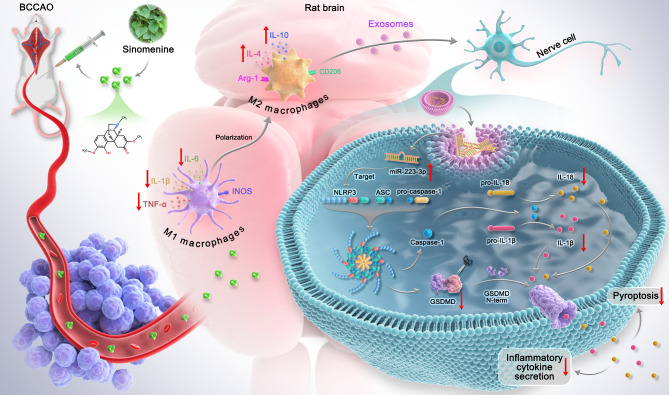
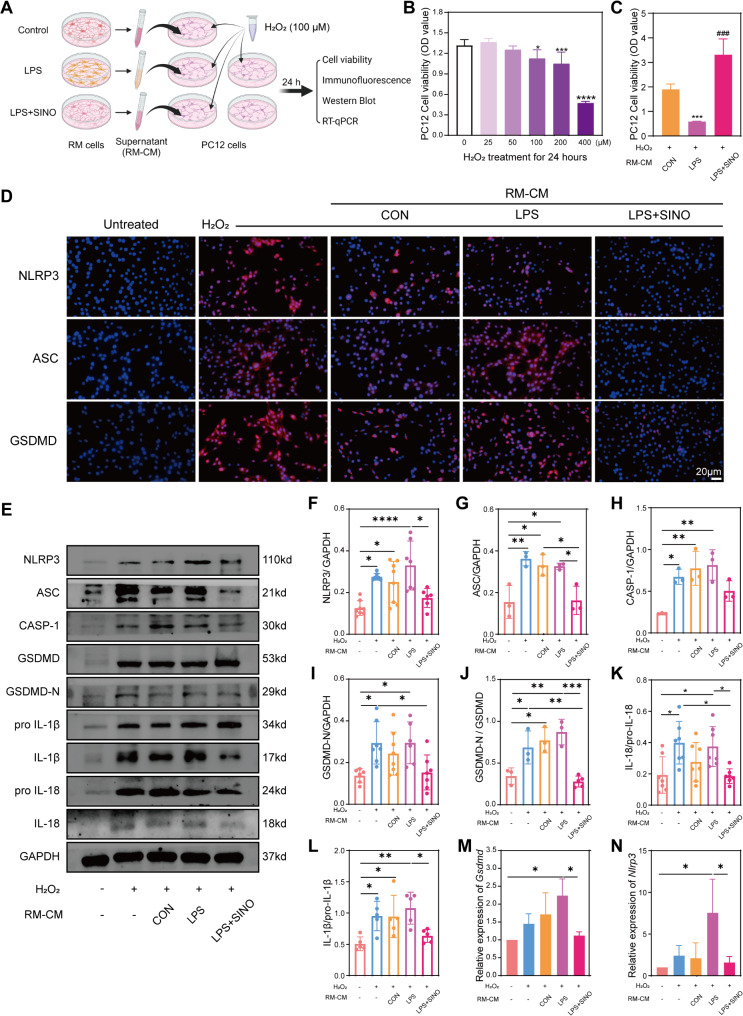
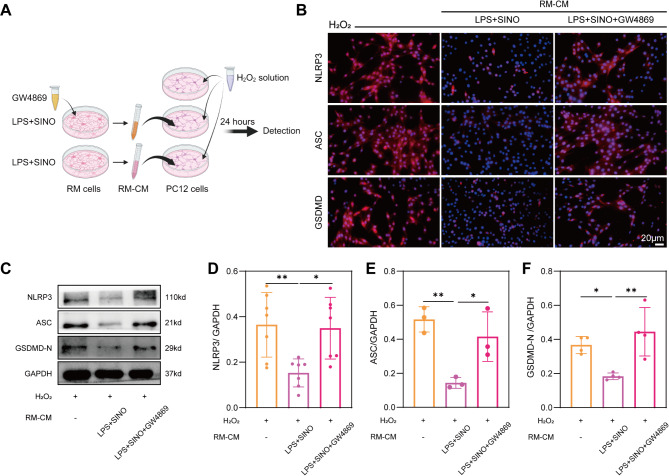
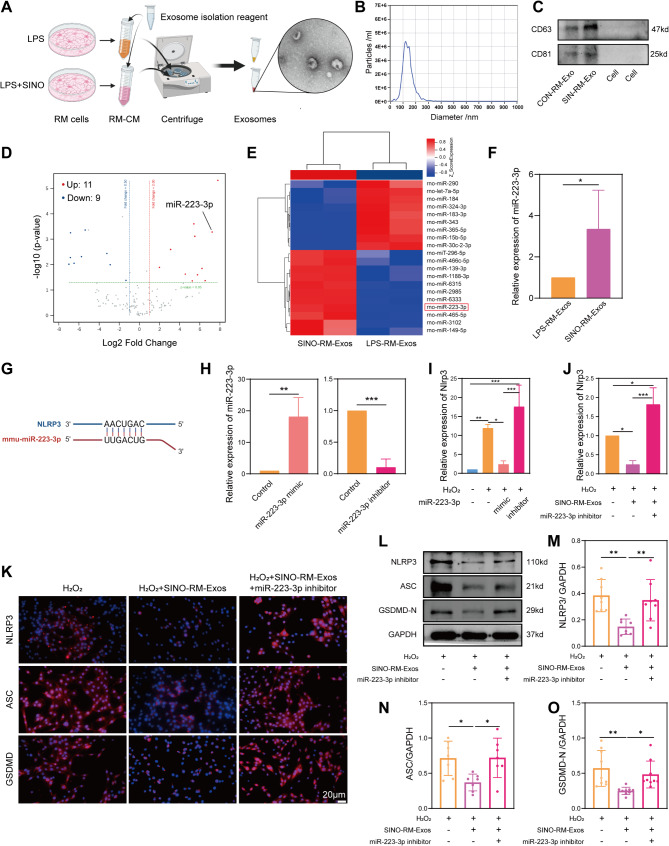
Chronic cerebral hypoperfusion (CCH) is a major contributor to vascular dementia, with neuroinflammation playing a central role in its pathogenesis. Sinomenine (SINO), a natural alkaloid derived from traditional Chinese medicine, has shown significant anti-inflammatory and neuroprotective properties. However, its efficacy and mechanism of action in CCH remain unclear. In this study, we established a CCH rat model through bilateral common carotid artery occlusion and administered 10 mg/kg of SINO daily. Behavioral tests demonstrated that SINO significantly improved cognitive and memory functions in CCH rats. Histological analysis revealed that SINO effectively reduced neuroinflammation and damage in the hippocampal CA1, CA3, and DG regions. Mechanistically, SINO promoted microglial polarization from the M1 to M2 phenotype, markedly inhibiting the release of pro-inflammatory cytokines, including IL-1β, IL-6, and TNF-α. Further exploration of its neuroprotective mechanism showed that exosomes from SINO-treated microglia were enriched with miRNA-223-3p, which suppressed NLRP3-mediated pyroptosis in neurons. While our findings highlight the therapeutic potential of SINO, further studies are needed to validate its safety and efficacy in diverse populations and chronic settings. In summary, this study not only demonstrates SINO's regulatory effect on microglial polarization in CCH but also unveils a novel neuroprotective mechanism through exosomal miRNA-223-3p delivery, providing a solid theoretical foundation for SINO's potential as a treatment for CCH.
慢性脑灌注不足(CCH)是血管性痴呆的主要促成因素,神经炎症在其发病机制中起核心作用。青藤碱(SINO)是一种源自中药的天然生物碱,已显示出显著的抗炎和神经保护特性。然而,其在CCH中的疗效和作用机制仍不清楚。在本研究中,我们通过双侧颈总动脉闭塞建立了CCH大鼠模型,并每天给予10mg/kg的SINO。行为测试表明,SINO显著改善了CCH大鼠的认知和记忆功能。组织学分析显示,SINO有效减轻了海马CA1、CA3和DG区域的神经炎症和损伤。从机制上讲,SINO促进了小胶质细胞从M1表型向M2表型的极化,显著抑制了包括IL-1β、IL-6和TNF-α在内的促炎细胞因子释放。对其神经保护机制的进一步探索表明,SINO处理的小胶质细胞来源的外泌体富含miRNA-223-3p,其抑制了神经元中NLRP3介导的细胞焦亡。虽然我们的研究结果突出了SINO的治疗潜力,但仍需要进一步研究来验证其在不同人群和慢性情况下的安全性和有效性。总之,本研究不仅证明了SINO对CCH中小胶质细胞极化的调节作用,还揭示了通过外泌体miRNA-223-3p传递的一种新的神经保护机制,为SINO作为CCH治疗药物的潜力提供了坚实的理论基础。