• 文献检索
  • 文档翻译
  • 深度研究
  • 学术资讯
  • Suppr Zotero 插件Zotero 插件
  • 邀请有礼
  • 套餐&价格
  • 历史记录
应用&插件
Suppr Zotero 插件Zotero 插件浏览器插件Mac 客户端Windows 客户端微信小程序
定价
高级版会员购买积分包购买API积分包
服务
文献检索文档翻译深度研究API 文档MCP 服务
关于我们
关于 Suppr公司介绍联系我们用户协议隐私条款
关注我们

Suppr 超能文献

核心技术专利:CN118964589B侵权必究
粤ICP备2023148730 号-1Suppr @ 2026

文献检索

告别复杂PubMed语法,用中文像聊天一样搜索,搜遍4000万医学文献。AI智能推荐,让科研检索更轻松。

立即免费搜索

文件翻译

保留排版,准确专业,支持PDF/Word/PPT等文件格式,支持 12+语言互译。

免费翻译文档

深度研究

AI帮你快速写综述,25分钟生成高质量综述,智能提取关键信息,辅助科研写作。

立即免费体验

青少年暴饮酒精通过促炎的高迁移率族蛋白B1信号传导加速与阿尔茨海默病相关的基底前脑神经病理学改变。

Adolescent binge alcohol exposure accelerates Alzheimer's disease-associated basal forebrain neuropathology through proinflammatory HMGB1 signaling.

作者信息

Fisher Rachael P, Matheny Lindsay, Ankeny Sarrah, Qin Liya, Coleman Leon G, Vetreno Ryan P

机构信息

Bowles Center for Alcohol Studies, School of Medicine, University of North Carolina at Chapel Hill, Chapel Hill, NC, United States.

Department of Pharmacology, School of Medicine, University of North Carolina at Chapel Hill, Chapel Hill, NC, United States.

出版信息

Front Aging Neurosci. 2025 Feb 19;17:1531628. doi: 10.3389/fnagi.2025.1531628. eCollection 2025.

DOI:10.3389/fnagi.2025.1531628
PMID:40046779
原文链接:https://pmc.ncbi.nlm.nih.gov/articles/PMC11880232/
Abstract

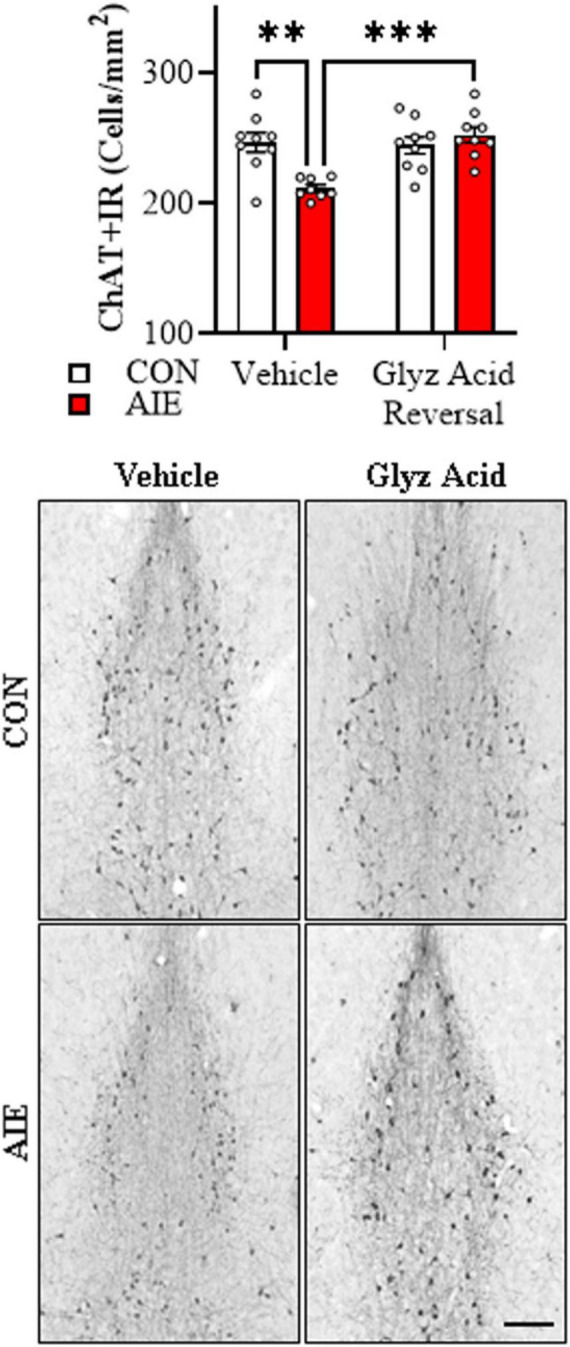
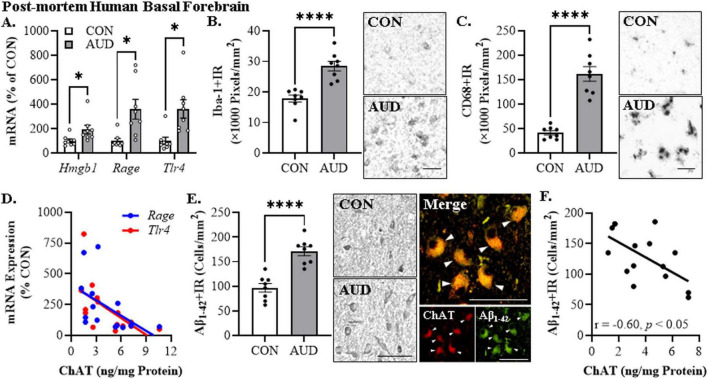
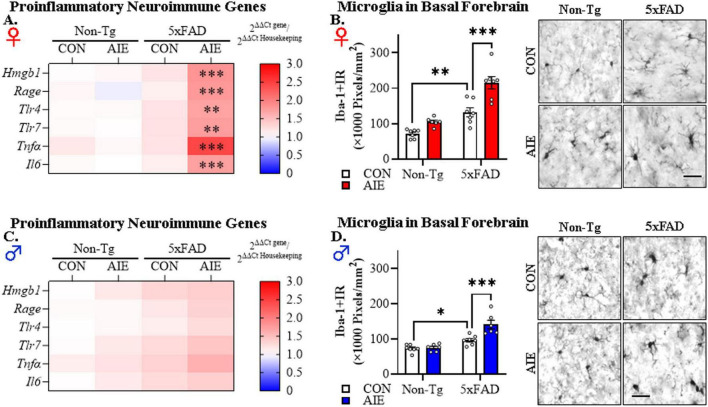
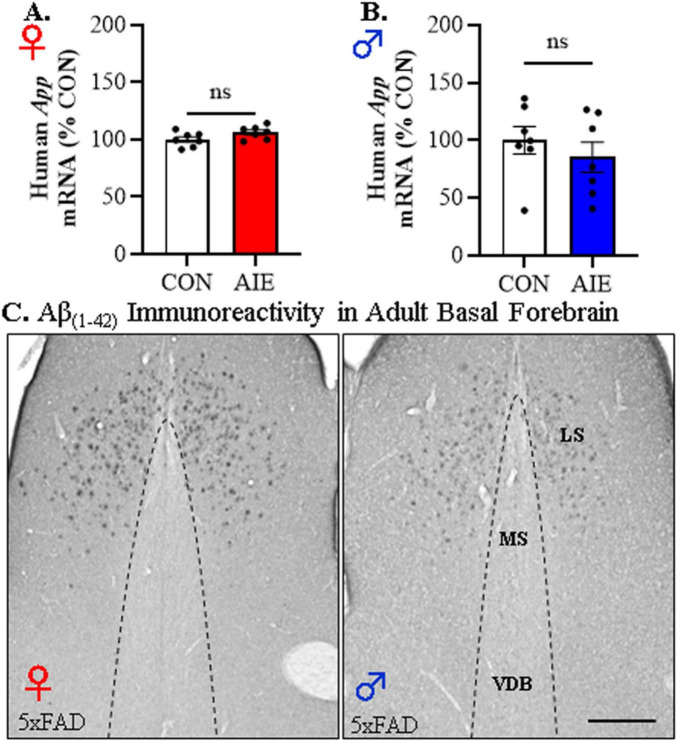
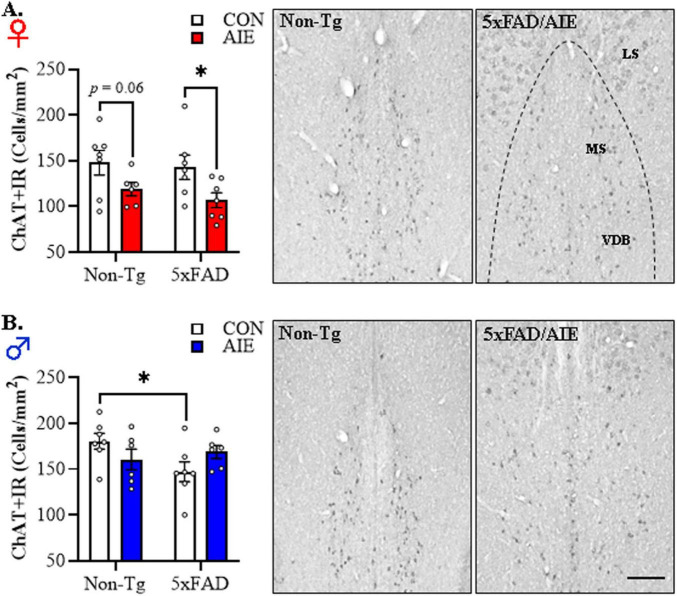
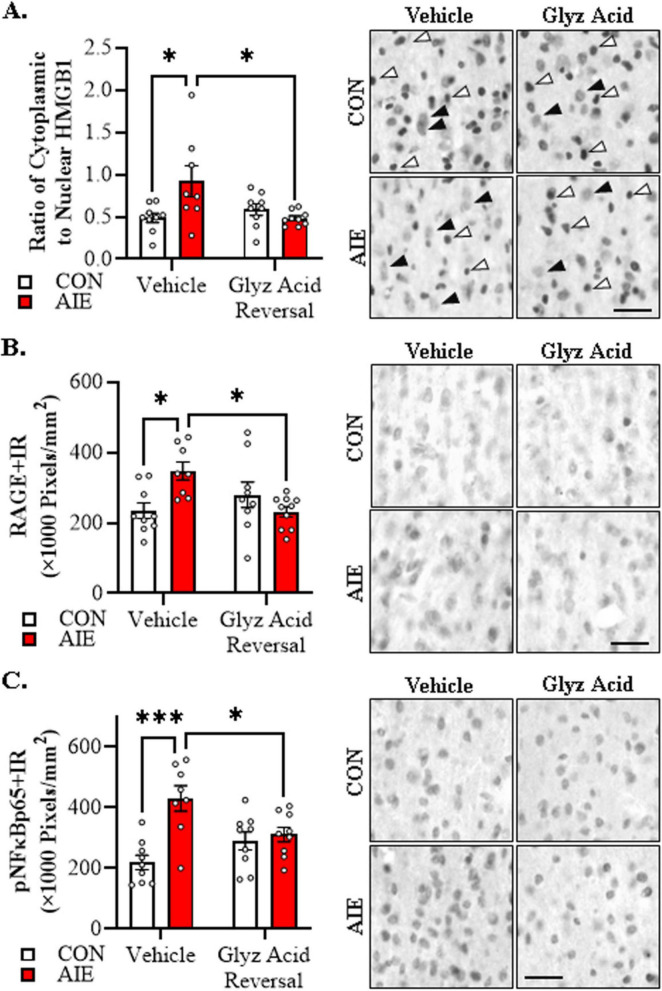
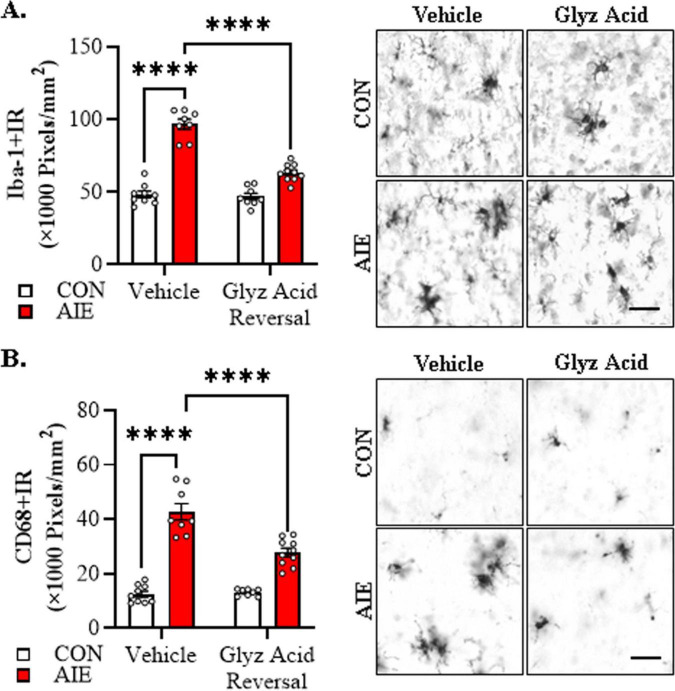
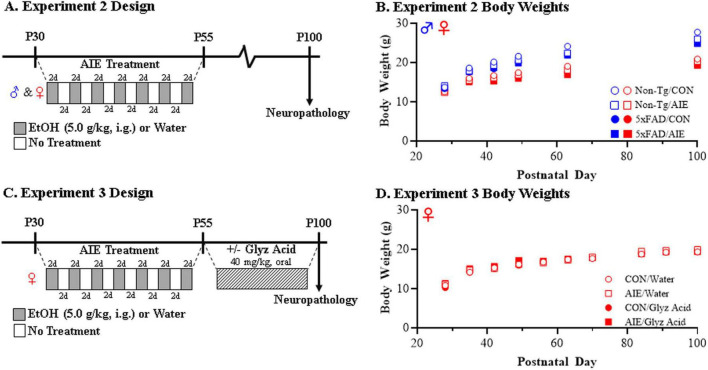
Human studies suggest that heavy alcohol use may be an etiological factor contributing to the development of Alzheimer's disease (AD) neuropathology. Both alcohol use disorder (AUD) and AD share common underlying neuropathology, including proinflammatory high-mobility group box 1 (HMGB1)-mediated neuroimmune signaling and basal forebrain cholinergic neuron degeneration. Adolescent onset of binge drinking represents a significant risk factor for later development of an AUD, and accumulating evidence suggests that adolescent initiation of heavy alcohol use induces HMGB1 signaling and causes degeneration of the basal forebrain cholinergic system that persists into adulthood. However, it is unknown whether adolescent binge drinking confers increased risk for later development of AD-associated neuropathology through persistent induction of proinflammatory HMGB1 neuroimmune signaling. To investigate this question, we first (Experiment 1) assessed AD-associated neuropathology in the post-mortem human basal forebrain of individuals with AUD and an adolescent age of drinking onset relative to age-matched moderate drinking controls (CONs). In Experiment 2, we treated non-transgenic and 5xFAD male and female mice, which overexpress both mutant human APP and PS1, with adolescent intermittent ethanol (AIE; 5.0 g/kg, i.g. 2-days on/2-days off; postnatal day [P]30 - P55), and assessed AD-associated neuropathology in the adult (P100) basal forebrain. In Experiment 3, 5xFAD female mice received AIE treatment followed by glycyrrhizic acid (150 mg/L), an HMGB1 inhibitor, in drinking water from P56 to P100, and basal forebrain tissue was collected on P100 for assessment of AD-associated neuropathology. In the post-mortem human AUD basal forebrain (Experiment 1), we report upregulation of and the HMGB1 receptors and as well as microglial activation and increased intraneuronal Aβ accumulation in association with reduced cholinergic neuron marker expression (ChAT). In the 5xFAD mouse model (Experiment 2), AIE accelerated AD-associated induction of proinflammatory neuroimmune genes, microglial activation, and reductions of ChAT+ basal forebrain cholinergic neurons in the adult female, but not male, basal forebrain. In Experiment 3, post-AIE treatment with glycyrrhizic acid rescued the AIE-induced acceleration of AD-associated increases in proinflammatory HMGB1 neuroimmune signaling, microglial activation, and persistent reductions of basal forebrain cholinergic neurons in adult 5xFAD female mice. Together, these findings suggest that adolescent binge ethanol exposure may represent an underappreciated etiological factor contributing to onset of AD-associated neuropathology in adulthood through HMGB1- mediated neuroimmune signaling.

摘要

人体研究表明,大量饮酒可能是导致阿尔茨海默病(AD)神经病理学发展的一个病因。酒精使用障碍(AUD)和AD具有共同的潜在神经病理学特征,包括促炎的高迁移率族蛋白B1(HMGB1)介导的神经免疫信号传导和基底前脑胆碱能神经元变性。青少年时期开始的暴饮代表了日后发生AUD的一个重要危险因素,越来越多的证据表明,青少年开始大量饮酒会诱导HMGB1信号传导,并导致基底前脑胆碱能系统变性,这种变性会持续到成年期。然而,尚不清楚青少年暴饮是否会通过持续诱导促炎的HMGB1神经免疫信号传导而增加日后发生AD相关神经病理学的风险。为了研究这个问题,我们首先(实验1)评估了AUD患者以及青少年饮酒起始年龄组的尸检人类基底前脑中与AD相关的神经病理学,与年龄匹配的适度饮酒对照组(CONs)进行比较。在实验2中,我们用青少年间歇性乙醇(AIE;5.0 g/kg,灌胃,2天饮用/2天不饮用;出生后第[P]30 - P55天)处理同时过表达突变型人类APP和PS1的非转基因和5xFAD雄性和雌性小鼠,并评估成年(P100)基底前脑中与AD相关的神经病理学。在实验3中,5xFAD雌性小鼠接受AIE处理,然后从P56到P100在饮用水中给予甘草酸(150 mg/L),一种HMGB1抑制剂,并在P100收集基底前脑组织以评估与AD相关的神经病理学。在尸检的人类AUD基底前脑(实验1)中,我们报告了与胆碱能神经元标记物表达(ChAT)降低相关的 以及HMGB1受体 和 的上调,以及小胶质细胞活化和神经元内Aβ积累增加。在5xFAD小鼠模型(实验2)中,AIE加速了成年雌性而非雄性基底前脑中与AD相关的促炎神经免疫基因的诱导、小胶质细胞活化以及ChAT+基底前脑胆碱能神经元的减少。在实验3中,AIE处理后用甘草酸挽救了AIE诱导的成年5xFAD雌性小鼠中与AD相关的促炎HMGB1神经免疫信号传导增加、小胶质细胞活化以及基底前脑胆碱能神经元持续减少的加速。总之,这些发现表明,青少年暴饮乙醇暴露可能是一个未被充分认识的病因,通过HMGB1介导的神经免疫信号传导促成成年期AD相关神经病理学的发生。
https://cdn.ncbi.nlm.nih.gov/pmc/blobs/2ec7/11880232/fd09a4331074/fnagi-17-1531628-g008.jpg
https://cdn.ncbi.nlm.nih.gov/pmc/blobs/2ec7/11880232/fee109b311d6/fnagi-17-1531628-g001.jpg
https://cdn.ncbi.nlm.nih.gov/pmc/blobs/2ec7/11880232/133fc91f6411/fnagi-17-1531628-g002.jpg
https://cdn.ncbi.nlm.nih.gov/pmc/blobs/2ec7/11880232/424b5d2eaae6/fnagi-17-1531628-g003.jpg
https://cdn.ncbi.nlm.nih.gov/pmc/blobs/2ec7/11880232/57f69bfc727c/fnagi-17-1531628-g004.jpg
https://cdn.ncbi.nlm.nih.gov/pmc/blobs/2ec7/11880232/fdfc6ceef2f4/fnagi-17-1531628-g005.jpg
https://cdn.ncbi.nlm.nih.gov/pmc/blobs/2ec7/11880232/c2dfdb13f71c/fnagi-17-1531628-g006.jpg
https://cdn.ncbi.nlm.nih.gov/pmc/blobs/2ec7/11880232/06ca5e98a3d9/fnagi-17-1531628-g007.jpg
https://cdn.ncbi.nlm.nih.gov/pmc/blobs/2ec7/11880232/fd09a4331074/fnagi-17-1531628-g008.jpg
https://cdn.ncbi.nlm.nih.gov/pmc/blobs/2ec7/11880232/fee109b311d6/fnagi-17-1531628-g001.jpg
https://cdn.ncbi.nlm.nih.gov/pmc/blobs/2ec7/11880232/133fc91f6411/fnagi-17-1531628-g002.jpg
https://cdn.ncbi.nlm.nih.gov/pmc/blobs/2ec7/11880232/424b5d2eaae6/fnagi-17-1531628-g003.jpg
https://cdn.ncbi.nlm.nih.gov/pmc/blobs/2ec7/11880232/57f69bfc727c/fnagi-17-1531628-g004.jpg
https://cdn.ncbi.nlm.nih.gov/pmc/blobs/2ec7/11880232/fdfc6ceef2f4/fnagi-17-1531628-g005.jpg
https://cdn.ncbi.nlm.nih.gov/pmc/blobs/2ec7/11880232/c2dfdb13f71c/fnagi-17-1531628-g006.jpg
https://cdn.ncbi.nlm.nih.gov/pmc/blobs/2ec7/11880232/06ca5e98a3d9/fnagi-17-1531628-g007.jpg
https://cdn.ncbi.nlm.nih.gov/pmc/blobs/2ec7/11880232/fd09a4331074/fnagi-17-1531628-g008.jpg

相似文献

1
Adolescent binge alcohol exposure accelerates Alzheimer's disease-associated basal forebrain neuropathology through proinflammatory HMGB1 signaling.青少年暴饮酒精通过促炎的高迁移率族蛋白B1信号传导加速与阿尔茨海默病相关的基底前脑神经病理学改变。
Front Aging Neurosci. 2025 Feb 19;17:1531628. doi: 10.3389/fnagi.2025.1531628. eCollection 2025.
2
HMGB1 neuroimmune signaling and REST-G9a gene repression contribute to ethanol-induced reversible suppression of the cholinergic neuron phenotype.高迁移率族蛋白B1(HMGB1)神经免疫信号传导和REST-G9a基因抑制促成乙醇诱导的胆碱能神经元表型可逆性抑制。
Mol Psychiatry. 2023 Dec;28(12):5159-5172. doi: 10.1038/s41380-023-02160-6. Epub 2023 Jul 4.
3
The Black Book of Psychotropic Dosing and Monitoring.《精神药物剂量与监测黑皮书》
Psychopharmacol Bull. 2024 Jul 8;54(3):8-59.
4
Epigenetic regulation of microglia and neurons by proinflammatory signaling following adolescent intermittent ethanol (AIE) exposure and in human AUD.青少年间歇性乙醇(AIE)暴露后以及在人类酒精使用障碍(AUD)中,促炎信号对小胶质细胞和神经元的表观遗传调控。
Adv Drug Alcohol Res. 2024 Mar 8;4:12094. doi: 10.3389/adar.2024.12094. eCollection 2024.
5
Loss of Basal Forebrain Cholinergic Neurons Following Adolescent Binge Ethanol Exposure: Recovery With the Cholinesterase Inhibitor Galantamine.青少年暴饮乙醇后基底前脑胆碱能神经元的丧失:胆碱酯酶抑制剂加兰他敏的恢复作用
Front Behav Neurosci. 2021 Feb 26;15:652494. doi: 10.3389/fnbeh.2021.652494. eCollection 2021.
6
Ethanol consumption aggravates amyloid pathology and neuroinflammation in Alzheimer's disease associated with inflammasome activation and ASC speck propagation.乙醇摄入会加重与炎性小体激活和ASC斑点扩散相关的阿尔茨海默病中的淀粉样蛋白病理和神经炎症。
J Neuroinflammation. 2025 Jul 15;22(1):183. doi: 10.1186/s12974-025-03501-8.
7
Increased central auditory gain in 5xFAD Alzheimer's disease mice as an early biomarker candidate for Alzheimer's disease diagnosis.5xFAD阿尔茨海默病小鼠中枢听觉增益增加作为阿尔茨海默病诊断的早期生物标志物候选指标。
Front Neurosci. 2023 May 26;17:1106570. doi: 10.3389/fnins.2023.1106570. eCollection 2023.
8
Effects of innate immune activation by Toll-like receptor agonists on ethanol consumption and preference in FVB/NJ x C57BL/6J hybrid mice.Toll样受体激动剂激活先天免疫对FVB/NJ×C57BL/6J杂交小鼠乙醇消耗和偏好的影响。
bioRxiv. 2025 May 10:2025.05.06.652465. doi: 10.1101/2025.05.06.652465.
9
Targeting Persistent Changes in Neuroimmune and Epigenetic Signaling in Adolescent Drinking to Treat Alcohol Use Disorder in Adulthood.针对青少年饮酒中神经免疫和表观遗传信号的持久性变化,以治疗成年期的酒精使用障碍。
Pharmacol Rev. 2023 Mar;75(2):380-396. doi: 10.1124/pharmrev.122.000710. Epub 2022 Dec 12.
10
Adolescent alcohol exposure promotes mechanical allodynia and alters synaptic function at inputs from the basolateral amygdala to the prelimbic cortex.青少年酒精暴露会促进机械性异常性疼痛,并改变从基底外侧杏仁核到前额叶前皮质的输入处的突触功能。
Elife. 2025 May 8;13:RP101667. doi: 10.7554/eLife.101667.

引用本文的文献

1
Pathology-Specific Modulation of Corticostriatal Circuitry by Chronic Alcohol Consumption in Alzheimer's Disease Mouse Models.阿尔茨海默病小鼠模型中慢性酒精摄入对皮质纹状体回路的病理学特异性调节
bioRxiv. 2025 Aug 21:2025.08.15.670607. doi: 10.1101/2025.08.15.670607.

本文引用的文献

1
HMGB1 neuroimmune signaling and REST-G9a gene repression contribute to ethanol-induced reversible suppression of the cholinergic neuron phenotype.高迁移率族蛋白B1(HMGB1)神经免疫信号传导和REST-G9a基因抑制促成乙醇诱导的胆碱能神经元表型可逆性抑制。
Mol Psychiatry. 2023 Dec;28(12):5159-5172. doi: 10.1038/s41380-023-02160-6. Epub 2023 Jul 4.
2
Indomethacin restores loss of hippocampal neurogenesis and cholinergic innervation and reduces innate immune expression and reversal learning deficits in adult male and female rats following adolescent ethanol exposure.吲哚美辛可恢复成年雄性和雌性大鼠在青春期乙醇暴露后海马神经发生和胆碱能神经支配的丧失,并减少固有免疫表达和反转学习缺陷。
Alcohol Clin Exp Res (Hoboken). 2023 Mar;47(3):470-485. doi: 10.1111/acer.15019. Epub 2023 Feb 17.
3
Cholinergic REST-G9a gene repression through HMGB1-TLR4 neuroimmune signaling regulates basal forebrain cholinergic neuron phenotype.通过HMGB1-TLR4神经免疫信号传导的胆碱能REST-G9a基因抑制调节基底前脑胆碱能神经元表型。
Front Mol Neurosci. 2022 Aug 22;15:992627. doi: 10.3389/fnmol.2022.992627. eCollection 2022.
4
Adolescent Binge Alcohol Enhances Early Alzheimer's Disease Pathology in Adulthood Through Proinflammatory Neuroimmune Activation.青少年酗酒通过促炎神经免疫激活加重成年早期阿尔茨海默病病理变化。
Front Pharmacol. 2022 Apr 26;13:884170. doi: 10.3389/fphar.2022.884170. eCollection 2022.
5
Galantamine prevents and reverses neuroimmune induction and loss of adult hippocampal neurogenesis following adolescent alcohol exposure.加兰他敏可预防和逆转青少年酒精暴露后神经免疫诱导和成年海马神经发生的丧失。
J Neuroinflammation. 2021 Sep 16;18(1):212. doi: 10.1186/s12974-021-02243-7.
6
Primed for addiction: A critical review of the role of microglia in the neurodevelopmental consequences of adolescent alcohol drinking.为成瘾做好准备:小胶质细胞在青少年饮酒导致的神经发育后果中的作用的批判性综述。
Alcohol Clin Exp Res. 2021 Oct;45(10):1908-1926. doi: 10.1111/acer.14694. Epub 2021 Sep 5.
7
Increased Toll-like Receptor-MyD88-NFκB-Proinflammatory neuroimmune signaling in the orbitofrontal cortex of humans with alcohol use disorder.酒精使用障碍患者眶额皮质中 Toll 样受体-MyD88-NFκB-促炎神经免疫信号的增加。
Alcohol Clin Exp Res. 2021 Sep;45(9):1747-1761. doi: 10.1111/acer.14669. Epub 2021 Aug 20.
8
Loss of Basal Forebrain Cholinergic Neurons Following Adolescent Binge Ethanol Exposure: Recovery With the Cholinesterase Inhibitor Galantamine.青少年暴饮乙醇后基底前脑胆碱能神经元的丧失:胆碱酯酶抑制剂加兰他敏的恢复作用
Front Behav Neurosci. 2021 Feb 26;15:652494. doi: 10.3389/fnbeh.2021.652494. eCollection 2021.
9
Neuroinflammation and microglial activation in Alzheimer disease: where do we go from here?阿尔茨海默病中的神经炎症和小胶质细胞激活:我们的路在何方?
Nat Rev Neurol. 2021 Mar;17(3):157-172. doi: 10.1038/s41582-020-00435-y. Epub 2020 Dec 14.
10
Targeting Inflammation Driven by HMGB1.靶向 HMGB1 驱动的炎症反应。
Front Immunol. 2020 Mar 20;11:484. doi: 10.3389/fimmu.2020.00484. eCollection 2020.