Zakarya Razia, Chan Yik Lung, Wang Baoming, Thorpe Andrew, Xenaki Dikaia, Ho Kin Fai, Guo Hai, Chen Hui, Oliver Brian G, O'Neill Christopher
School of Life Sciences, University of Technology Sydney, Sydney, Australia.
Epigenetics of Chronic Disease Group, Woolcock Institute of Medical Research, Macquarie University, Sydney, Australia.
Commun Biol. 2025 Mar 8;8(1):400. doi: 10.1038/s42003-025-07835-0.
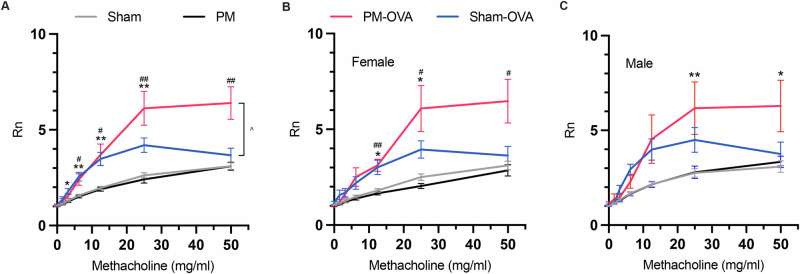
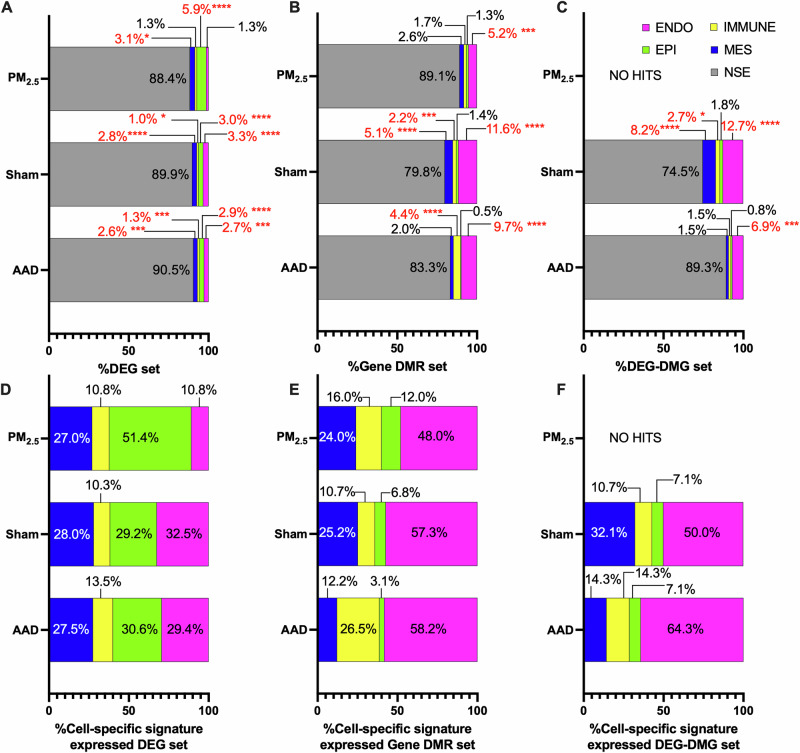
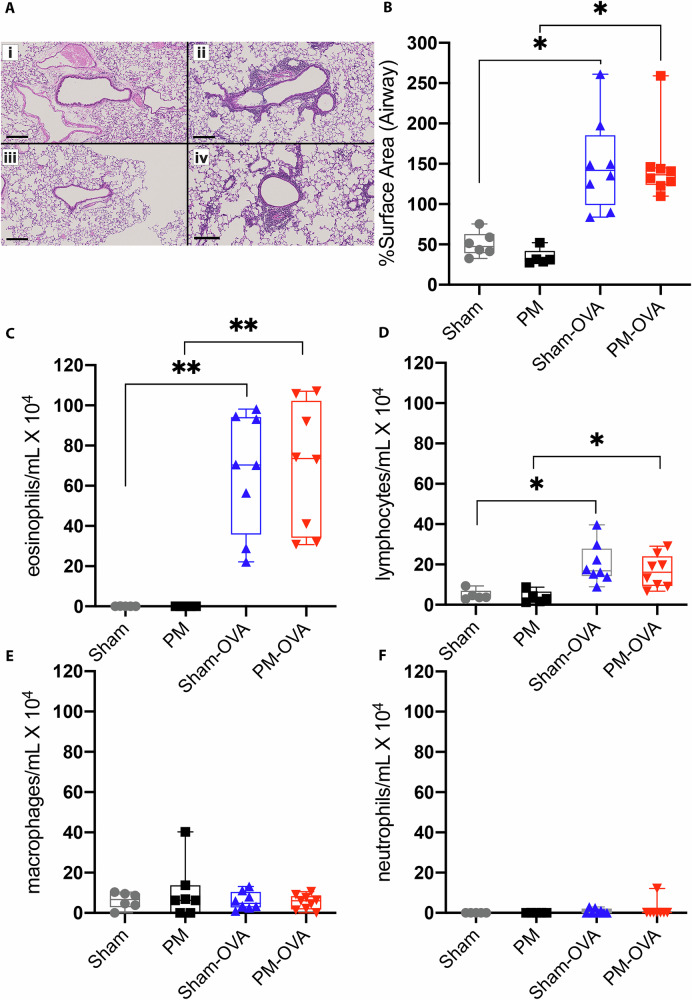
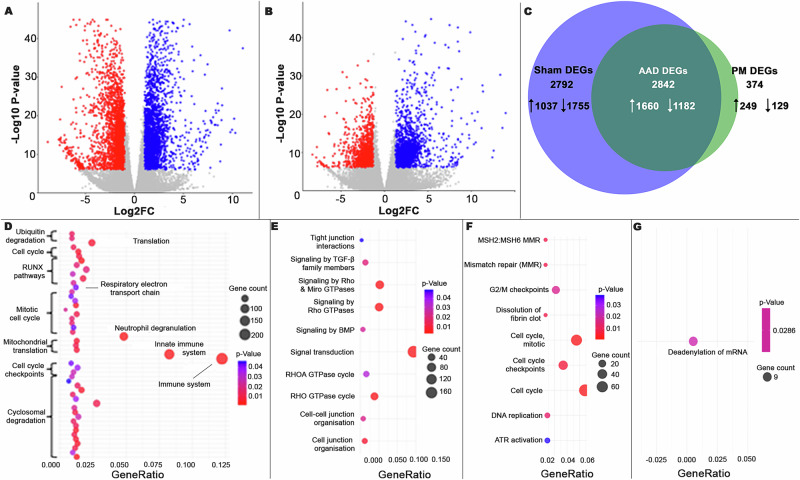
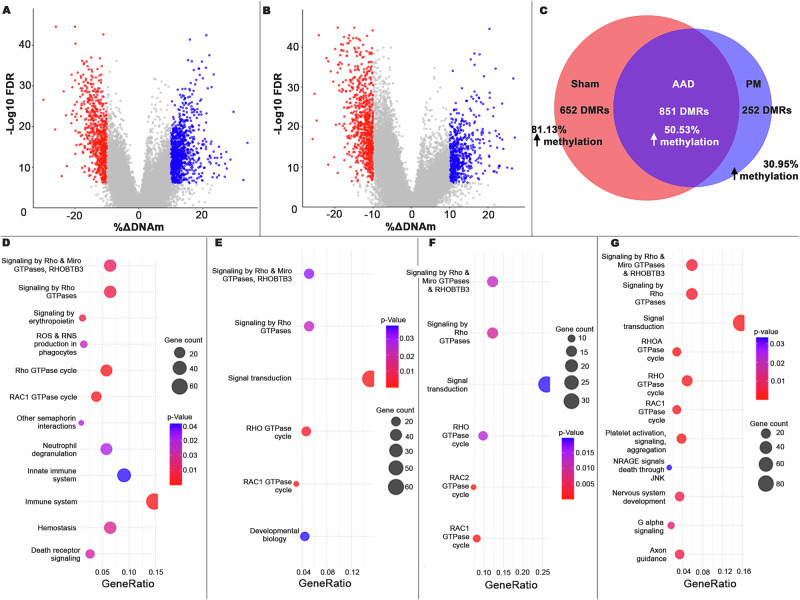
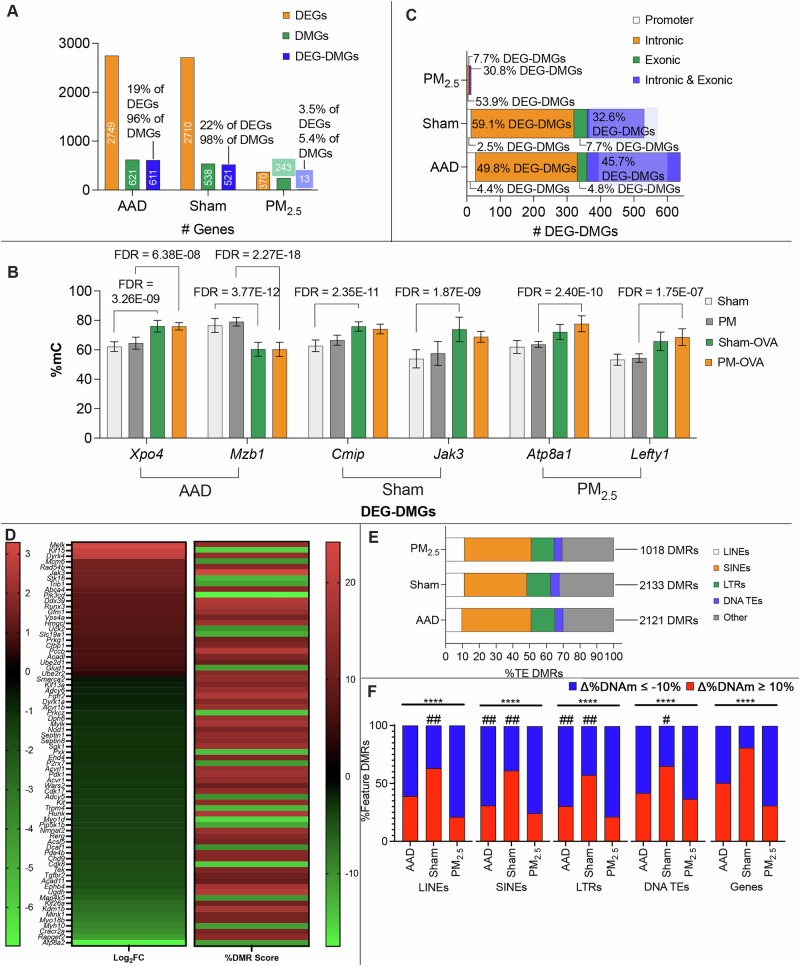
Maternal exposure to particulate air pollution increases the incidence and severity of asthma in offspring, yet the mechanisms for this are unclear. Known susceptibility loci are a minor component of this effect. We interrogate a mouse allergic airway disease model to assess epigenetic associations between maternal air pollution exposure and asthma responses in offspring. Maternal air pollution exposure increased allergic airway disease severity in adult offspring associated with a suppressed transcriptomic response. Control progeny showed differential expression of 2842 genes across several important pathways, whilst air pollutant progeny showed an 80% reduction in differentially expressed genes and abrogation of many pathway associations. Whole genome CpG methylome analysis following allergen challenge detected differential methylation regions across the genome. Differentially methylated regions were markedly reduced in air pollutant offspring, and this was most evident in intronic regions and some transposable element classes. This study shows that asthma in adult offspring of PM exposed mothers had a markedly repressed transcriptomic response, a proportion of which was associated with identifiable changes in the lung's methylome. The results point to an epigenetic contribution to the severity of asthma in offspring of mothers exposed to particulate air pollution.
母亲暴露于空气中的颗粒物污染会增加后代哮喘的发病率和严重程度,但其机制尚不清楚。已知的易感基因座只是这种效应的一个小组成部分。我们研究了一种小鼠过敏性气道疾病模型,以评估母亲暴露于空气污染与后代哮喘反应之间的表观遗传关联。母亲暴露于空气污染会增加成年后代过敏性气道疾病的严重程度,这与转录组反应受到抑制有关。对照后代在几个重要途径中显示出2842个基因的差异表达,而暴露于空气污染物的后代差异表达基因减少了80%,并且许多途径关联被消除。过敏原激发后的全基因组CpG甲基化组分析检测到全基因组的差异甲基化区域。在暴露于空气污染物的后代中,差异甲基化区域明显减少,这在内含子区域和一些转座元件类别中最为明显。这项研究表明,暴露于颗粒物的母亲所生成年后代的哮喘有明显受抑制的转录组反应,其中一部分与肺部甲基化组的可识别变化有关。结果表明,表观遗传因素对暴露于空气中颗粒物污染的母亲所生后代哮喘的严重程度有影响。