
细胞外基质硬度诱导的氧化还原信号增强硬脂酰吉西他滨在胰腺癌中的疗效。
ECM Stiffness-Induced Redox Signaling Enhances Stearoyl Gemcitabine Efficacy in Pancreatic Cancer.
作者信息
Zhao Shuqing, Agyare Edward, Zhu Xueyou, Trevino Jose, Rogers Sherise, Velazquez-Villarreal Enrique, Brant Jason, Eliahoo Payam, Barajas Jonathan, Hoang Ba Xuan, Han Bo
机构信息
Department of Surgery, University of Southern California, Los Angeles, CA 90089, USA.
College of Pharmaceutical Science, Florida A&M University, Tallahassee, FL 32307, USA.
出版信息
Cancers (Basel). 2025 Mar 3;17(5):870. doi: 10.3390/cancers17050870.
BACKGROUND
Pancreatic ductal adenocarcinoma (PDAC) remains one of the most lethal malignancies, largely due to its dense fibrotic stroma that promotes drug resistance and tumor progression. While patient-derived organoids (PDOs) have emerged as promising tools for modeling PDAC and evaluating therapeutic responses, the current PDO models grown in soft matrices fail to replicate the tumor's stiff extracellular matrix (ECM), limiting their predictive value for advanced disease.
METHODS
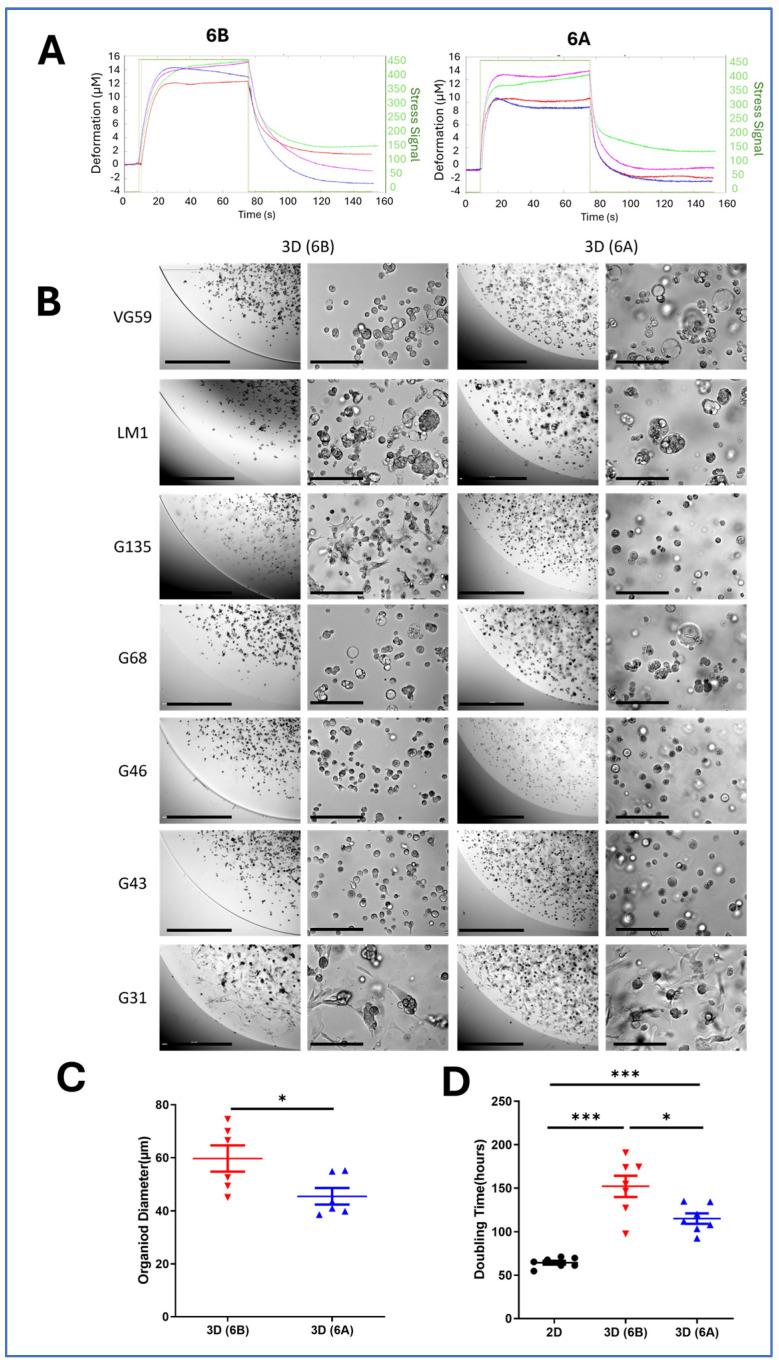
We developed a biomimetic model using gelatin-based matrices of varying stiffness, achieved through modulated transglutaminase crosslinking rates, to better simulate the desmoplastic PDAC microenvironment. Using this platform, we investigated organoid morphology, proliferation, and chemoresistance to gemcitabine (Gem) and its lipophilic derivative, 4-N-stearoyl gemcitabine (Gem-S). Mechanistic studies focused on the interplay between ECM stiffness, hypoxia-inducible factor (HIF) expression, and the nuclear factor erythroid 2-related factor 2 (Nrf2) pathway in drug resistance.
RESULTS
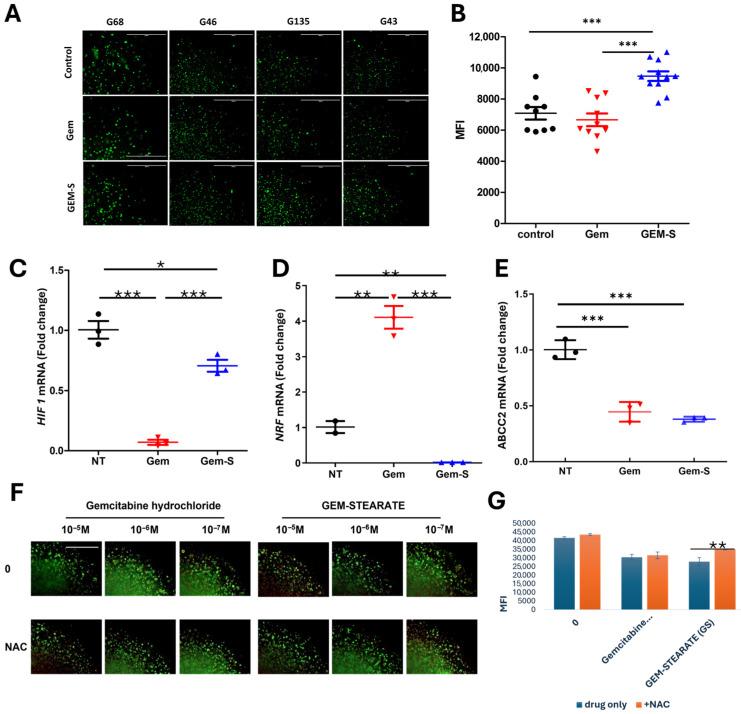
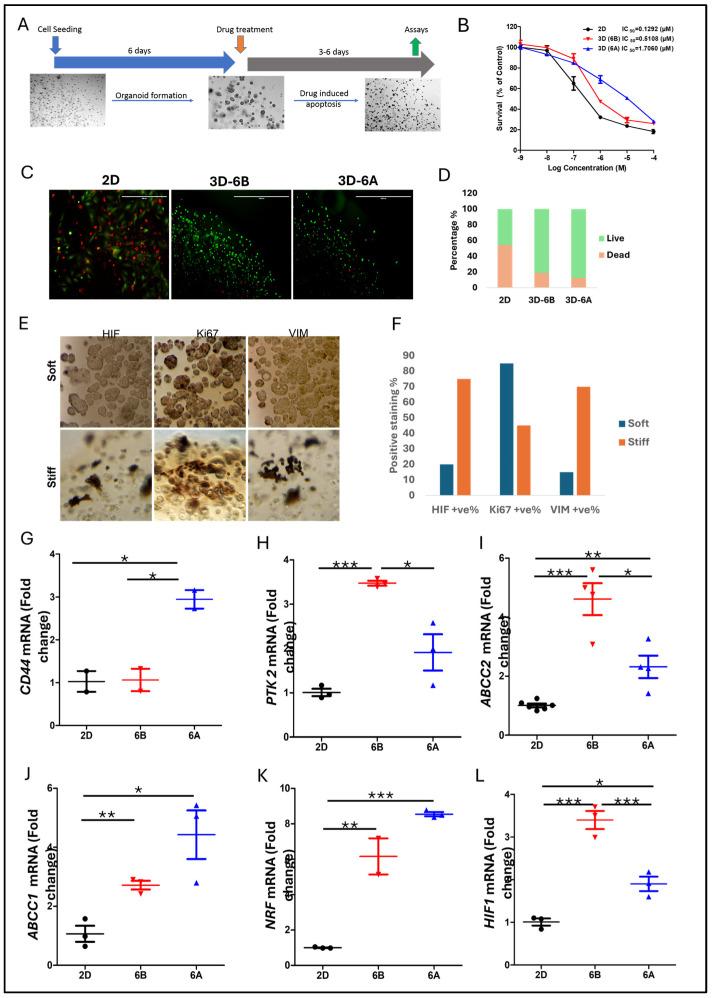
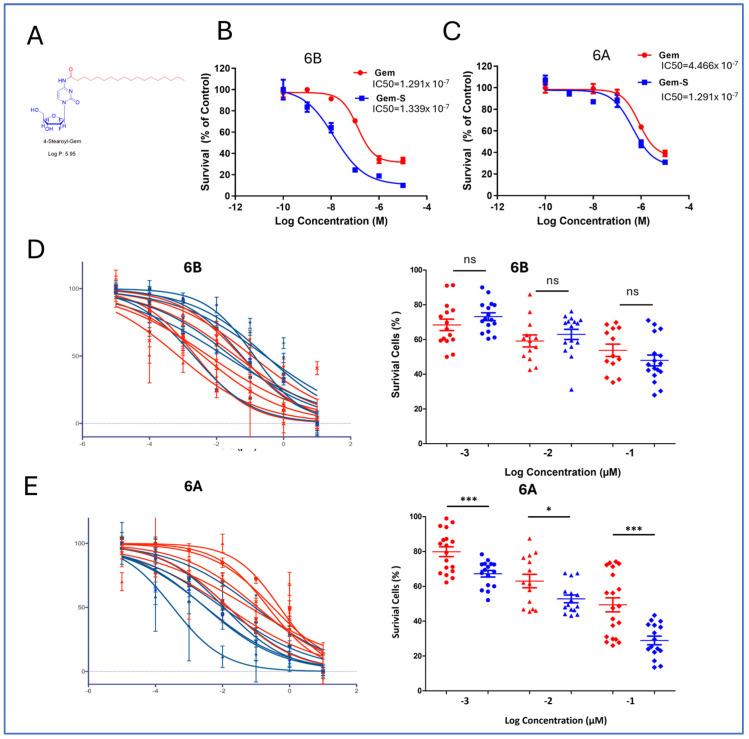
PDAC organoids in stiffer matrices demonstrated enhanced stemness features, including rounded morphology and elevated cancer stem cell (CSC) marker expression. Matrix stiffness-induced gemcitabine resistance correlated with the upregulation of ABC transporters and oxidative stress adaptive responses. While gemcitabine activated Nrf2 expression, promoting oxidative stress mitigation, Gem-S suppressed Nrf2 levels and induced oxidative stress, leading to increased reactive oxygen species (ROS) and enhanced cell death. Both compounds reduced HIF expression, with gemcitabine showing greater efficacy.
CONCLUSIONS
Our study reveals ECM stiffness as a critical mediator of PDAC chemoresistance through the promotion of stemness and modulation of Nrf2 and HIF pathways. Gem-S demonstrates promise in overcoming gemcitabine resistance by disrupting Nrf2-mediated adaptive responses and inducing oxidative stress. These findings underscore the importance of biomechanically accurate tumor models and suggest that dual targeting of mechanical and oxidative stress pathways may improve PDAC treatment outcomes.
背景
胰腺导管腺癌(PDAC)仍然是最致命的恶性肿瘤之一,主要是因为其致密的纤维化基质会促进耐药性和肿瘤进展。虽然患者来源的类器官(PDO)已成为用于构建PDAC模型和评估治疗反应的有前景的工具,但目前在软基质中生长的PDO模型无法复制肿瘤坚硬的细胞外基质(ECM),限制了它们对晚期疾病的预测价值。
方法
我们使用通过调节转谷氨酰胺酶交联率实现的不同硬度的基于明胶的基质开发了一种仿生模型,以更好地模拟促结缔组织增生性PDAC微环境。利用这个平台,我们研究了类器官形态、增殖以及对吉西他滨(Gem)及其亲脂性衍生物4-N-硬脂酰吉西他滨(Gem-S)的化疗耐药性。机制研究集中在ECM硬度、缺氧诱导因子(HIF)表达和核因子红细胞2相关因子2(Nrf2)途径在耐药性中的相互作用。
结果
在较硬基质中的PDAC类器官表现出增强的干性特征,包括圆形形态和癌症干细胞(CSC)标志物表达升高。基质硬度诱导的吉西他滨耐药性与ABC转运蛋白的上调和氧化应激适应性反应相关。虽然吉西他滨激活了Nrf2表达,促进了氧化应激缓解,但Gem-S抑制了Nrf2水平并诱导了氧化应激,导致活性氧(ROS)增加和细胞死亡增强。两种化合物都降低了HIF表达,吉西他滨显示出更高的疗效。
结论
我们的研究揭示ECM硬度通过促进干性以及调节Nrf2和HIF途径,成为PDAC化疗耐药性的关键介质。Gem-S通过破坏Nrf2介导的适应性反应和诱导氧化应激,在克服吉西他滨耐药性方面显示出前景。这些发现强调了生物力学精确的肿瘤模型的重要性,并表明对机械和氧化应激途径的双重靶向可能改善PDAC治疗结果。
 Zotero 插件