Stepien Karolina M, McSweeney Melanie, Ochoa-Ferraro Antonio, Vara Roshni, Riley Paul, Smith Megan
Adult Inherited Metabolic Disease Department, Salford Care Organisation, Northern Care Alliance NHS Foundation Trust, Salford, M6 8HD, UK.
Department of Paediatric Inherited Metabolic Disease, Great Ormond Street Hospital NHS Foundation Trust, London, WC1N 3JH, UK.
Orphanet J Rare Dis. 2025 Mar 19;20(1):135. doi: 10.1186/s13023-025-03647-x.
Urea cycle disorders (UCDs) are rare inborn errors of metabolism which impact the body's ability to detoxify ammonia produced during protein metabolism. In the UK, there is a nationally adopted guideline for the emergency management of hyperammonaemia in UCD patients, however there is no guideline for long‑term management, and treatment decisions are left to the discretion of individual healthcare professionals (HCPs).
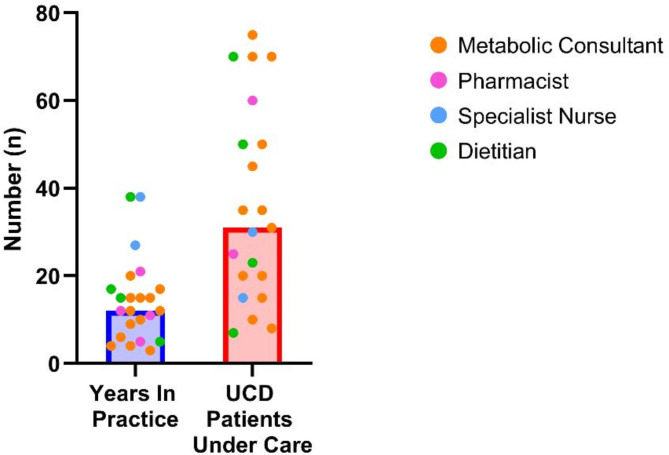
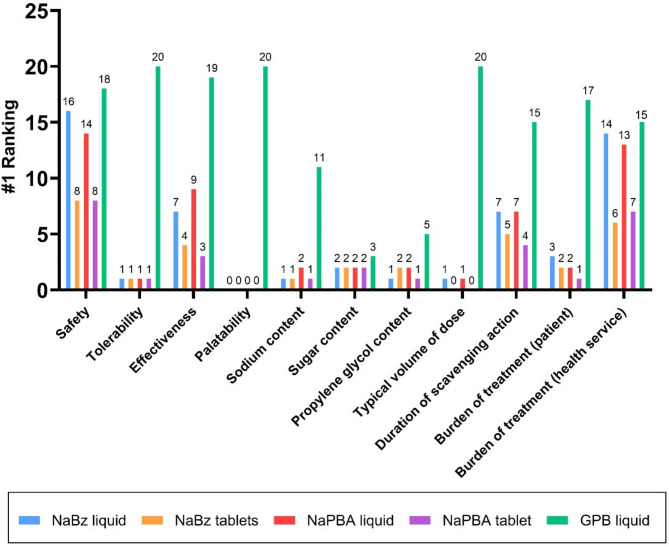
Twenty-three HCPs, comprising 13 (57%) metabolic consultants, two (9%) specialist nurses, four (17%) pharmacists, and four (17%) dietitians, participated in interviews to document their attitudes and beliefs regarding the long‑term management of UCD patients, including their current practices, treatment goals, and clinical ambitions. The highest priority for 14/23 (61%) of HCPs was to minimise the risk of hyperammonaemia, however the ammonia level that HCPs advised they aimed for varied significantly, with some targeting above the upper limit of normal. Glycerol phenylbutyrate was the highest ranked ammonia scavenger treatment amongst HCPs for safety, tolerability, duration of scavenging action and reducing patient burden, and HCPs suggested that it would be the first-line treatment in an updated guideline. All prescribing HCPs agreed they would prefer their patients receive a licenced product rather than an unlicensed one for reasons including more reliable supply, greater insurance/legitimacy, and the reassurance of regulatory scrutiny and approval. However, analysis of NHS England's dispensing data between July 2023 and June 2024 indicated annual spend on nitrogen scavengers of £6.7 million with unlicensed specials accounting for £3 million (45%) of the total. Differences between HCPs in the awareness of clinically relevant characteristics of ammonia scavengers, including their sodium and propylene glycol content, were observed.
To standardise the treatment of UCDs within and between metabolic centres in the UK, there is merit in developing a UK-specific treatment guideline.
尿素循环障碍(UCDs)是罕见的先天性代谢缺陷,会影响人体对蛋白质代谢过程中产生的氨进行解毒的能力。在英国,有一项全国采用的关于UCD患者高氨血症紧急管理的指南,然而,对于长期管理却没有指南,治疗决策由个别医疗保健专业人员(HCPs)自行决定。
23名HCPs参与了访谈,其中包括13名(57%)代谢顾问、2名(9%)专科护士、4名(17%)药剂师和4名(17%)营养师,以记录他们对UCD患者长期管理的态度和信念,包括他们目前的做法、治疗目标和临床抱负。14/23(61%)的HCPs的首要任务是将高氨血症的风险降至最低,然而,HCPs建议的目标氨水平差异很大,有些目标高于正常上限。对于安全性、耐受性、清除作用持续时间和减轻患者负担而言,苯丁酸钠甘油酯是HCPs中排名最高的氨清除剂治疗方法,并建议在更新的指南中将其作为一线治疗方法。所有开处方的HCPs都同意,他们更希望自己的患者接受有许可证的产品而非无许可证的产品,原因包括供应更可靠、保险/合法性更高,以及监管审查和批准带来的安心感。然而,对英国国家医疗服务体系(NHS)2023年7月至2024年6月期间的配药数据进行分析表明,氮清除剂的年度支出为670万英镑,其中无许可证的特殊药品占总计的300万英镑(45%)。观察到HCPs在对氨清除剂临床相关特征(包括其钠和丙二醇含量)的认识上存在差异。
为了使英国各代谢中心内部和之间的UCD治疗标准化,制定一项英国特定的治疗指南是有价值的。