Monteiro Filipa, Correia Tatiana, Miguel Maria João, Santos Leticia, Pintassilgo Inês
Internal Medicine, Hospital Garcia de Orta, Almada, PRT.
Infectious Diseases, Hospital Garcia de Orta, Almada, PRT.
Cureus. 2025 Feb 17;17(2):e79181. doi: 10.7759/cureus.79181. eCollection 2025 Feb.
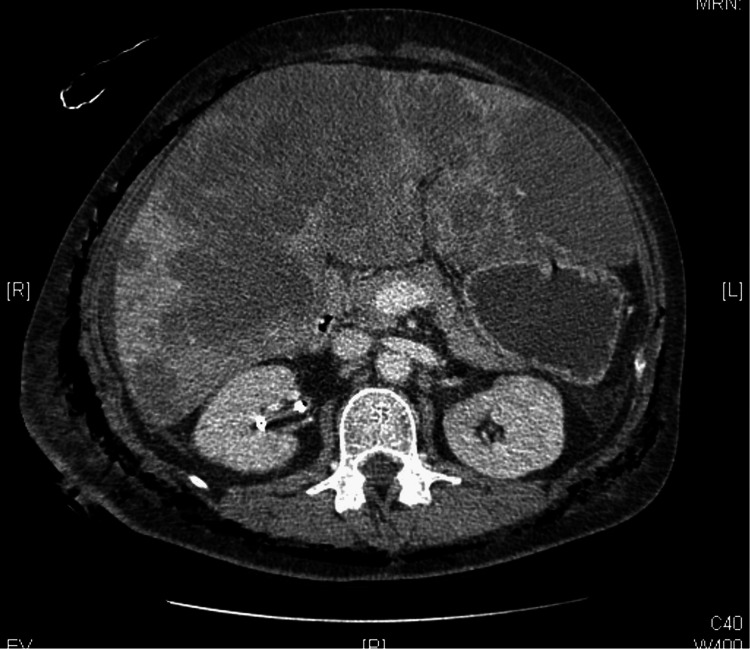
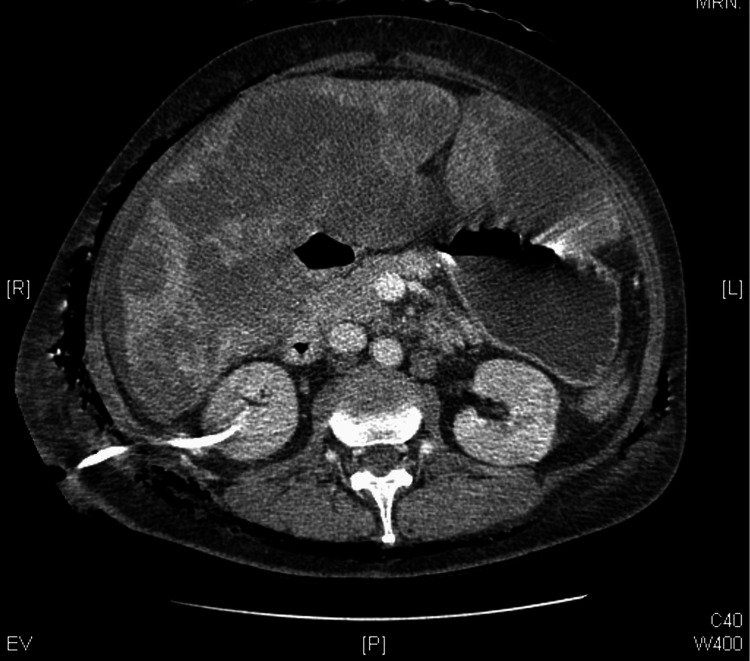
We report the case of a 55-year-old female with a history of invasive urothelial carcinoma, hepatic and lymph node metastases, and prior radical cystectomy. The patient was admitted with a two-day history of fever, two weeks after undergoing percutaneous nephrostomy. Upon examination, she presented with hypotension, tachycardia, and abdominal pain. She was found to have severe lactic acidosis, acute renal failure, and a necrotizing soft-tissue infection confirmed via imaging. Blood cultures identified a multi-drug resistant infection, and the patient was treated with fluids, sodium bicarbonate, and meropenem. Despite aggressive management, the patient developed refractory septic shock and died within hours of admission. This case underscores the rapid progression and lethality of necrotizing fasciitis, even in the absence of overt skin changes, highlighting the critical importance of early recognition and intervention in such high-risk infections.
我们报告了一例55岁女性患者,有浸润性尿路上皮癌病史,伴有肝和淋巴结转移,之前接受过根治性膀胱切除术。该患者在接受经皮肾造瘘术后两周因发热两天入院。检查时,她出现低血压、心动过速和腹痛。经影像学检查证实她患有严重乳酸酸中毒、急性肾衰竭和坏死性软组织感染。血培养发现多重耐药感染,患者接受了补液、碳酸氢钠和美罗培南治疗。尽管进行了积极治疗,患者仍发展为难治性感染性休克,并在入院数小时内死亡。该病例强调了坏死性筋膜炎即使在没有明显皮肤变化的情况下也会迅速进展并具有致死性,突出了早期识别和干预此类高危感染的至关重要性。