Li Jian, Qin Yuanhua, Li Mengjuan, Shang Jingli, Chen Hang, Liu Yadi, Liu Bingjie, Zhou Pingxin, Zhao Tiesuo, Wang Ge, Ge Chunpo, Zhang Yu, Jia Huijie, Ren Feng
Department of Pathology, The First Affiliated Hospital of Xinxiang Medical University, Xinxiang, Henan, 453003, China.
School of Basic Medical Sciences, Xinxiang Medical University, Xinxiang, Henan, 453003, China.
Biol Proced Online. 2025 Mar 28;27(1):11. doi: 10.1186/s12575-025-00272-7.
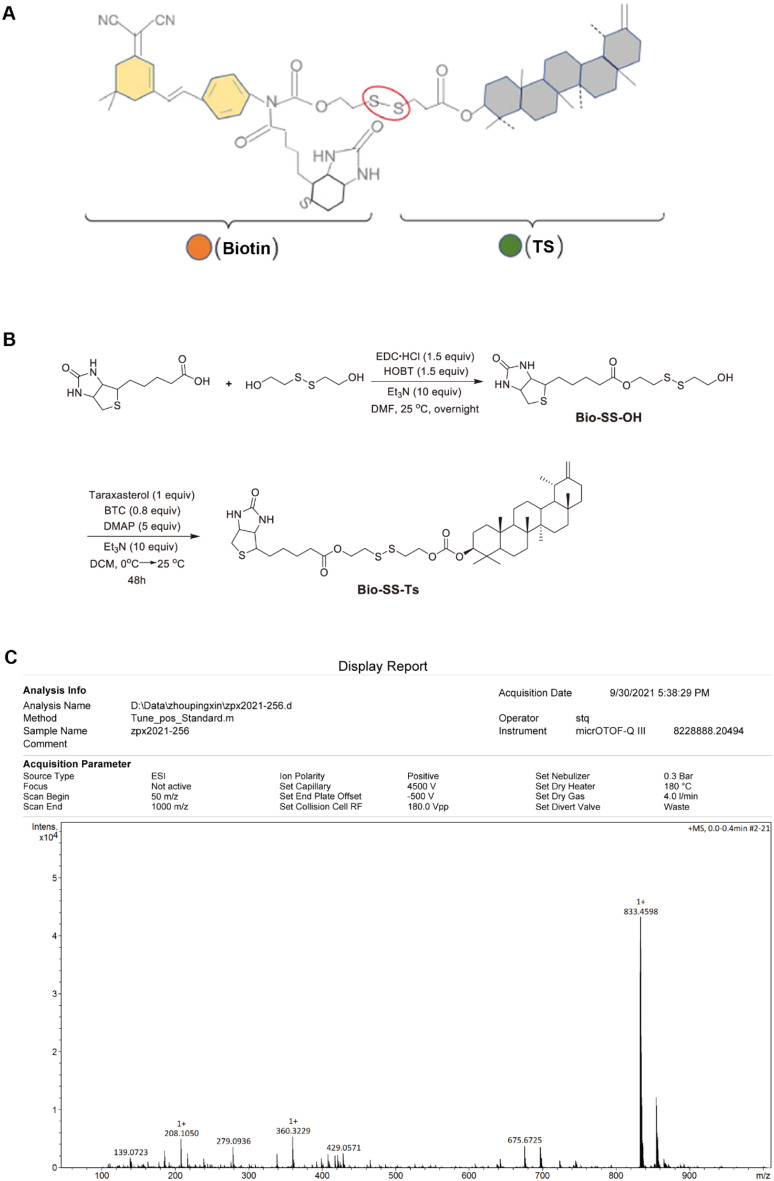
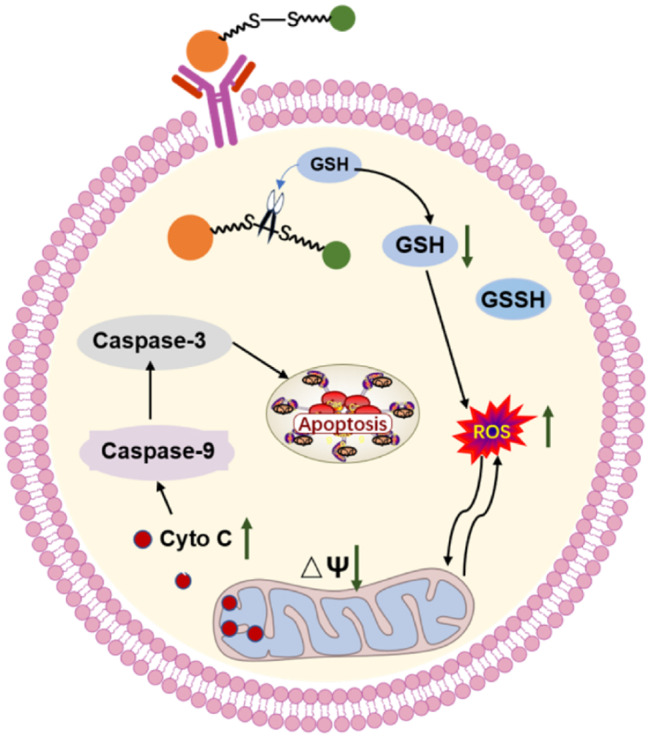
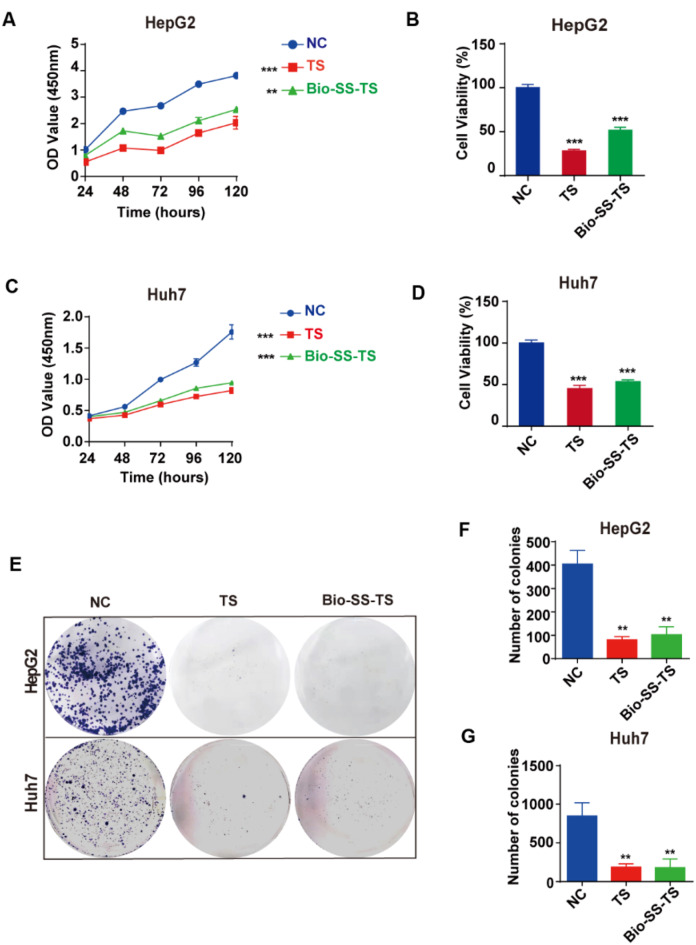
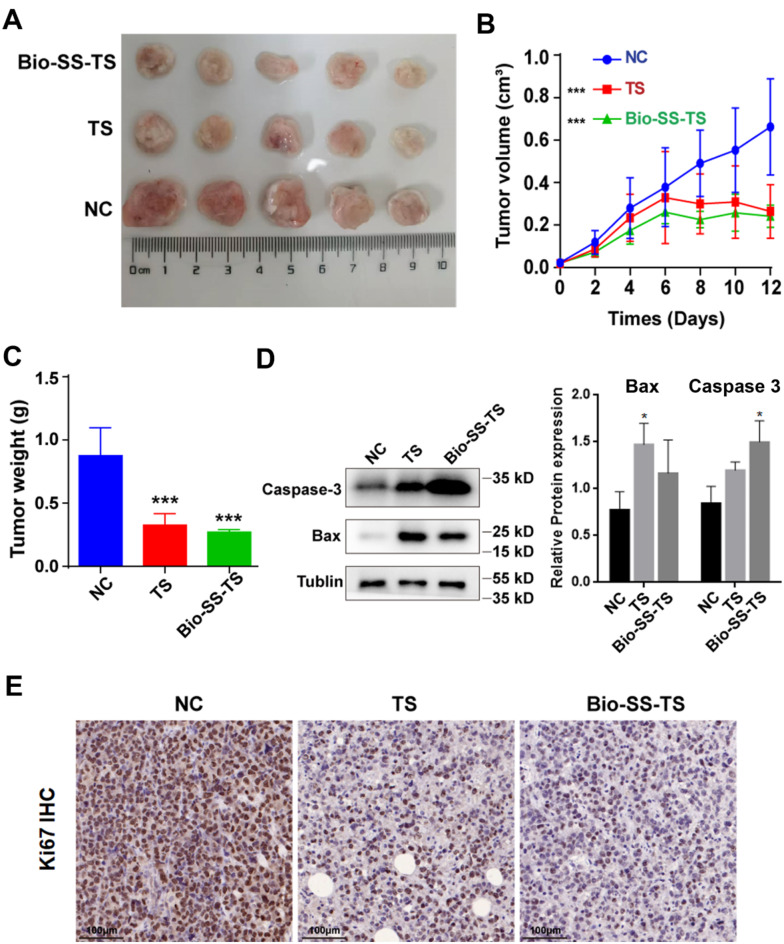
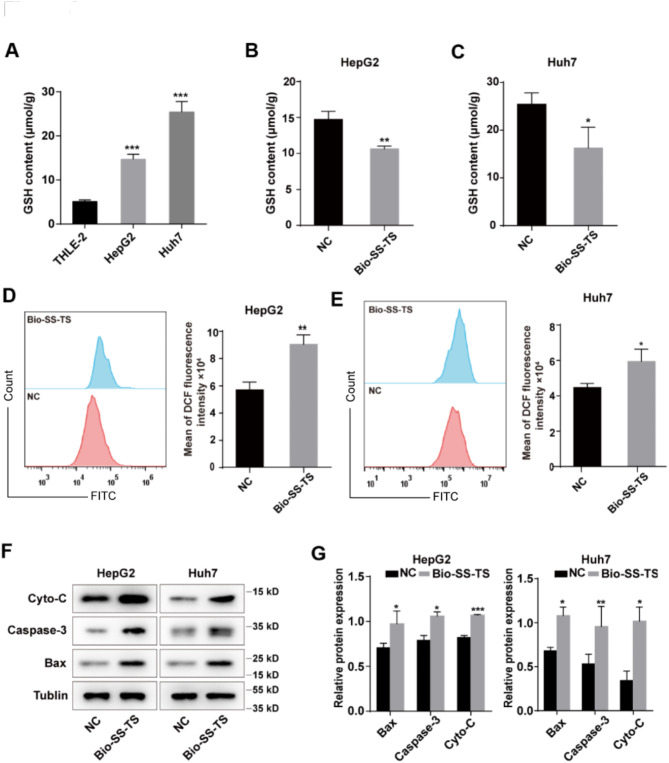
Developing targeted therapeutic drugs for liver cancer remains a significant scientific and clinical challenge. Previous research by the authors showed that taraxasterol (TS) can enhance the antitumor immune response of T-lymphocytes, inhibiting the growth of liver cancer cells both in vivo and in vitro. To improve the targeting ability and efficacy of TS, the authors synthesized a novel compound, Bio-SS-TS, which utilizes the high expression of biotin receptors on tumor cell membranes to link biotin to TS for increased targeting to hepatocellular carcinoma cells, and its disulfide bond can be specifically hydrolyzed by high - level glutathione (GSH) in tumor cells to release the active component TS. In vitro, Bio-SS-TS reduced liver cancer cell (HepG2 and Huh7) proliferation, impaired mitochondrial membrane potential, decreased intracellular GSH content in tumor cells, increased the reactive oxygen species level, and promoted the release of cytochrome c. Endogenous GSH in cancer cells reduced the disulfide bond in Bio-SS-TS, releasing active TS components. In vivo, treatment with Bio-SS-TS caused no significant change in mouse body weight and no toxicity to the main organs. The present study comprehensively demonstrates that Bio-SS-TS exerts a potent anti - liver cancer effect by enhancing mitochondria-dependent apoptosis, which may provide a new candidate for targeted liver cancer therapy.
开发针对肝癌的靶向治疗药物仍然是一项重大的科学和临床挑战。作者之前的研究表明,蒲公英甾醇(TS)可以增强T淋巴细胞的抗肿瘤免疫反应,在体内和体外均能抑制肝癌细胞的生长。为了提高TS的靶向能力和疗效,作者合成了一种新型化合物Bio-SS-TS,它利用肿瘤细胞膜上生物素受体的高表达将生物素与TS连接起来,以增加对肝癌细胞的靶向性,并且其二硫键可被肿瘤细胞内的高水平谷胱甘肽(GSH)特异性水解,从而释放活性成分TS。在体外,Bio-SS-TS可降低肝癌细胞(HepG2和Huh7)的增殖,破坏线粒体膜电位,降低肿瘤细胞内的GSH含量,提高活性氧水平,并促进细胞色素c的释放。癌细胞内的内源性GSH可还原Bio-SS-TS中的二硫键,释放活性TS成分。在体内,Bio-SS-TS治疗对小鼠体重无显著影响,对主要器官也无毒性。本研究全面证明了Bio-SS-TS通过增强线粒体依赖性凋亡发挥强大的抗肝癌作用,这可能为肝癌靶向治疗提供一种新的候选药物。