Ackerman Adriane, Nigon Brittany, Wait Alexis, Ali Elham, Wilkinson-Lee Ada M, Cohen Alexia, Jones Meredith, Cortez Imelda G, Kelly Katrina, Fabricant Robert, Serrano-Feliciano Jenitza, Stanowski Jennifer, Cullen Theresa
Agile Accomplice LLC, 2714 N Los Altos Ave, Tucson, AZ, 85705, USA.
Pima County Health Department, 3950 S Country Club Rd, Suite 100, Tucson, AZ, 85714, USA.
BMC Public Health. 2025 Mar 31;25(1):1207. doi: 10.1186/s12889-025-22491-z.
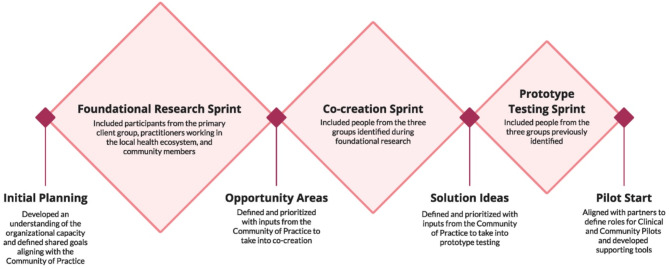
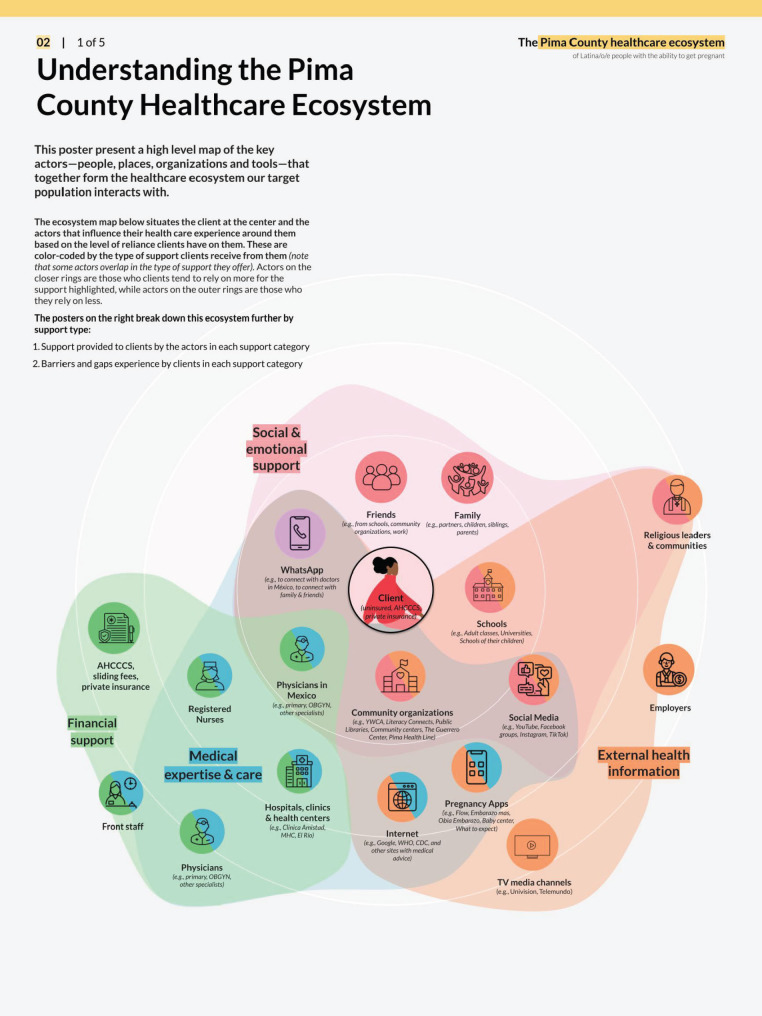
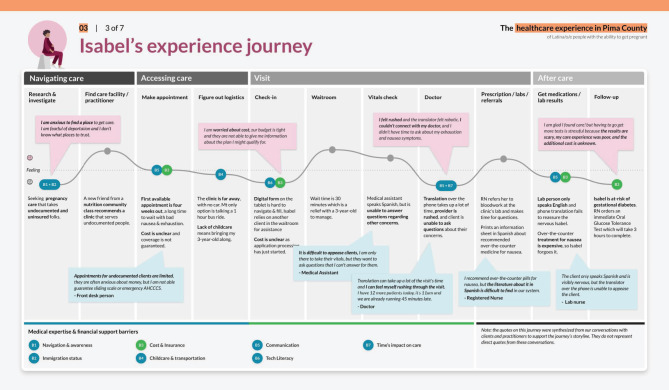
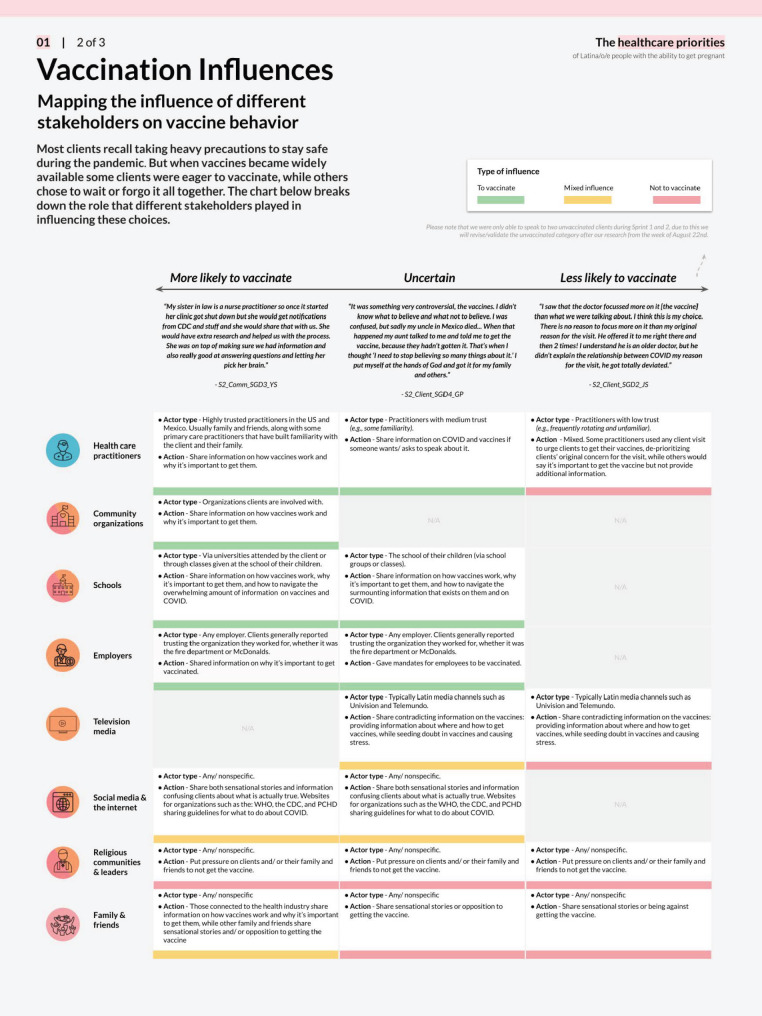
Human-centered design (HCD) and behavioral science are structured, evidence-based methodologies used to develop and evaluate community-driven interventions. While HCD focuses on deeply understanding user needs and co-designing solutions, behavioral science applies empirically tested principles to drive behavior change. Together, these methodologies enable the development of interventions that are both user-centered and behaviorally informed. The Pima County Health Department and project partners leveraged these collaborative methodologies to assemble a Community of Practice to improve health literacy and adherence to COVID-19 public health practices among Hispanic/Latine individuals of childbearing age and ability in Pima County.
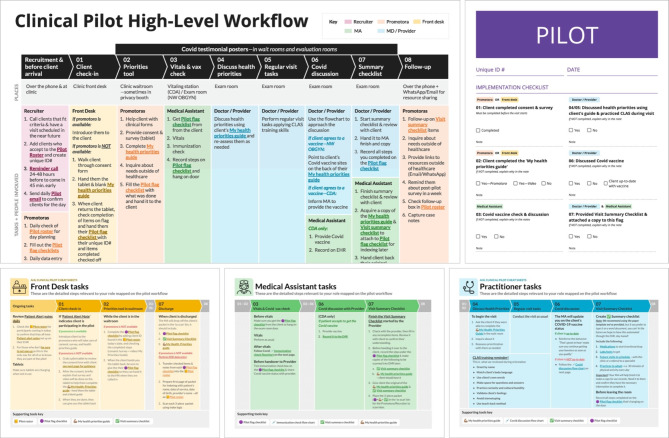
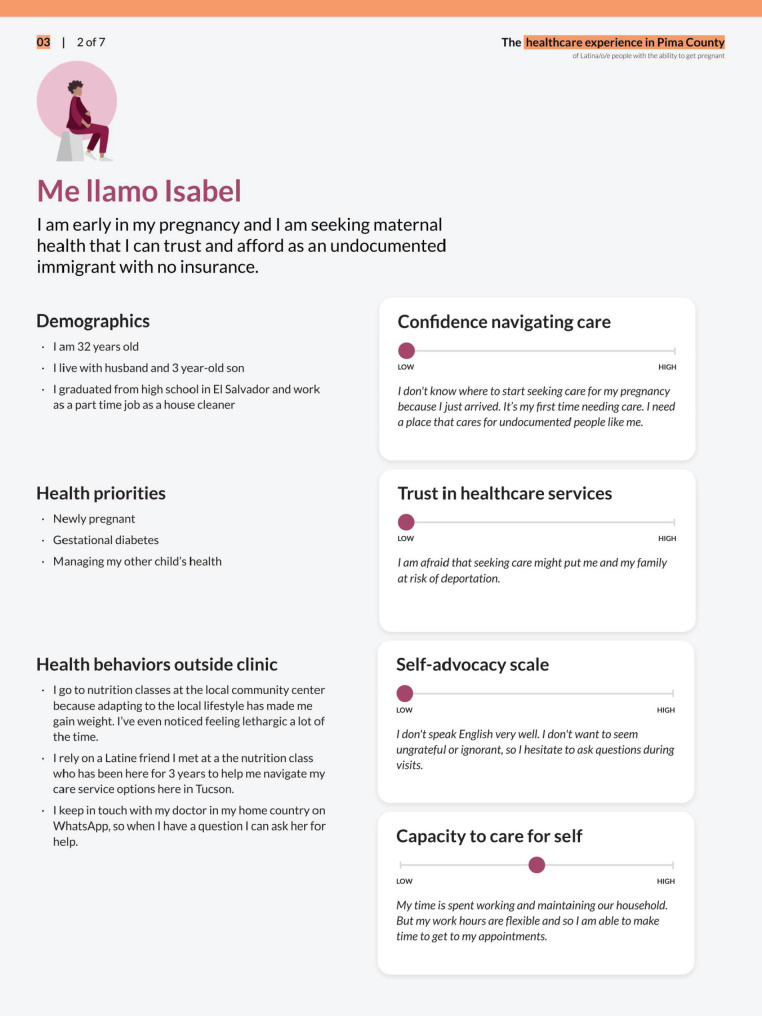
Human-centered design processes identified and evaluated barriers facing the target population. On the basis of these findings, two pilot interventions were implemented between July 2023 and November 2023: one in a clinical setting with 92 participants and another in a community setting with 207 participants. A mixed-methods approach was used to evaluate the impact of these pilots. Quantitatively, a pre-post evaluation and survey design estimated the effect of an intervention by comparing outcomes before and after implementation using paired t-test and chi-square tests. Qualitatively, structured post intervention interviews were conducted with participants who were randomly selected based upon their initial consent and willingness to participate.
Participants in the clinical and community pilots perceived fewer barriers to health-seeking behaviors after the intervention. Both pilots increased participants' confidence in health-seeking behaviors (p < 0.01). Only the clinical pilot resulted in an increase in health literacy. In the clinical pilot, the number of unvaccinated participants decreased, and the number of participants who reported needing a booster increased. The community pilot did not find a statistically significant difference in COVID-19 vaccine uptake.
Integrating human-centered design and behavioral science into public health interventions can improve health literacy and confidence in health-seeking behaviors among historically and contemporarily excluded populations. Local health departments can use these methods to develop multicomponent interventions that foster mutual co-invention with communities and improve population health outcomes. Future research should focus on long-term impacts and explore broader applications of these approaches in different contexts.
This project received University of Arizona IRB review and approval. This study was not considered a randomized controlled trial and did not require registration.
以人为主导的设计(HCD)和行为科学是用于开发和评估社区驱动干预措施的结构化、基于证据的方法。虽然HCD侧重于深入了解用户需求并共同设计解决方案,但行为科学应用经过实证检验的原则来推动行为改变。这些方法共同促进了以用户为中心且基于行为信息的干预措施的开发。皮马县卫生部门及其项目合作伙伴利用这些协作方法组建了一个实践社区,以提高皮马县育龄及有生育能力的西班牙裔/拉丁裔人群的健康素养,并增强他们对新冠疫情公共卫生措施的遵守情况。
以人为主导的设计流程识别并评估了目标人群面临的障碍。基于这些发现,在2023年7月至2023年11月期间实施了两项试点干预措施:一项在临床环境中进行,有92名参与者;另一项在社区环境中进行,有207名参与者。采用混合方法评估这些试点的影响。在定量方面,通过前后评估和调查设计,使用配对t检验和卡方检验比较实施前后的结果,以估计干预措施的效果。在定性方面,对根据其初始同意和参与意愿随机选择的参与者进行了结构化的干预后访谈。
临床和社区试点的参与者在干预后认为寻求健康行为的障碍减少。两项试点均提高了参与者在寻求健康行为方面的信心(p < 0.01)。只有临床试点提高了健康素养。在临床试点中,未接种疫苗的参与者数量减少,报告需要加强针的参与者数量增加。社区试点在新冠疫苗接种率方面未发现统计学上的显著差异。
将以人为主导的设计和行为科学融入公共卫生干预措施可以提高历史上和当前被排除人群的健康素养以及寻求健康行为方面 的信心。地方卫生部门可以使用这些方法来制定多成分干预措施,促进与社区的共同创新并改善人群健康结果。未来的研究应关注长期影响,并探索这些方法在不同背景下的更广泛应用。
本项目获得了亚利桑那大学机构审查委员会(IRB)的审查和批准。本研究不被视为随机对照试验,无需注册。