Ahmad Shahzad, Gandapur Muhammad Saleem, Jelani Musharraf, Muhammad Anees, Haq Ihtisham Ul, Mahsood Yousaf Jamal, Ahmad Sajjad, Alonazi Wadi B, Bibi Nousheen, Sarwar Muhammad Tahir, Khan Taj Ali
Department of Molecular Biology & Genetics, Institute of Basic Medical Sciences, Khyber Medical University, Phase V, Hayatabad, Peshawar, 25000, Khyber Pakhtunkhwa, Pakistan.
Khyber Medical University, Peshawar, Pakistan.
Sci Rep. 2025 Apr 1;15(1):11066. doi: 10.1038/s41598-025-85913-3.
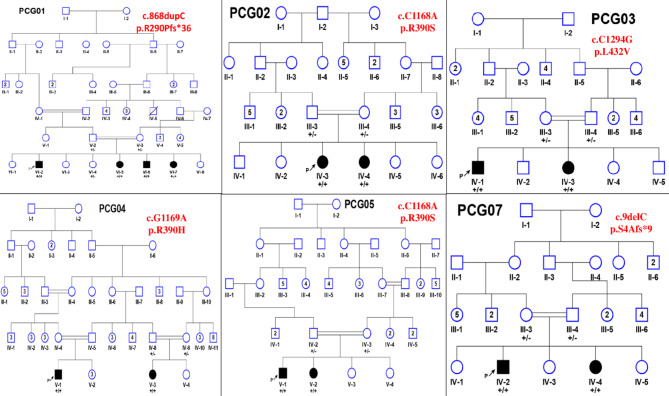
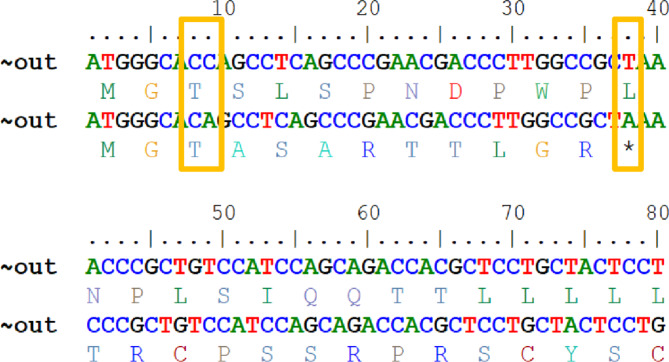
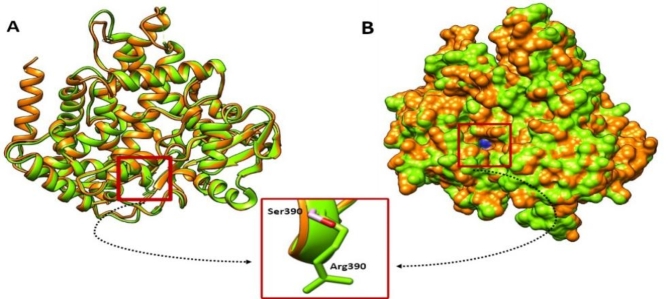
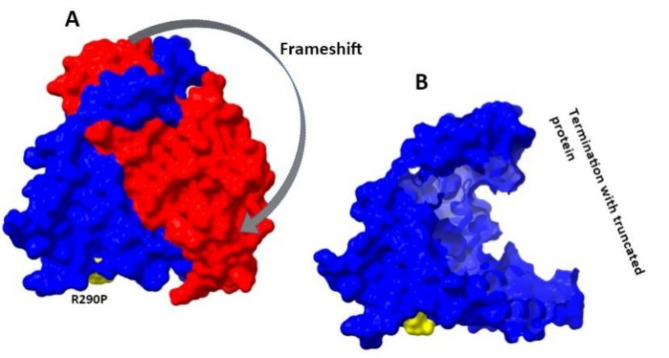
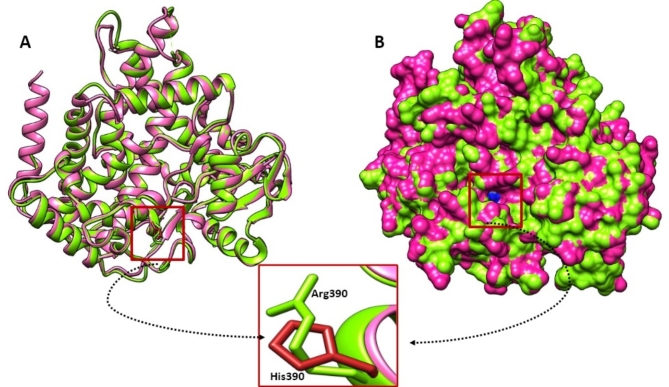
Primary Congenital Glaucoma (PCG) is a severe form of glaucoma that affects infants and young children that damage and causes vision impairment. Despite being a well-known condition, the genetic basis of PCG, particularly in highly consanguineous populations like the Pashtun community, still needs to be explored. Six consanguineous Pashtun families (PCG-01, PCG-02, PCG-03, PCG-04, PCG-05, & PCG-07) suffering from PCG were recruited for whole exome sequencing. A prioritization strategy was employed to identify variants in known PCG-related genes, primarily focusing on CYP1B1. Sanger sequencing was carried out to validate candidate variants and perform segregation studies in affected individuals, siblings, parents, and controls. Whole exome sequencing revealed four pathogenic homozygous variants in six PCG families. Notably, a novel homozygous mutation, c.9delC (S4Afs9), was identified in the CYP1B1 gene in one family (PCG-07). Additionally, the previously unreported variant c.1168 C > A (p.R390S) was found in two families (PCG-2 and PCG-5). Known mutations, including c.868dupC (p. R290Pfs36) and c.1169G > A (p.R390H), were also detected in PCG-01 and PCG-04 families, respectively. Furthermore, a polymorphism, c.1294 C > G (p.L432V), was observed in family PCG-03. This study identifies novel pathogenic variants associated with PCG in consanguineous Pashtun families, highlighting the role of CYP1B1 mutations in PCG development. The findings contribute to a deeper understanding of the genetic basis of PCG and may aid in genetic counselling and early intervention strategies in affected populations.
原发性先天性青光眼(PCG)是一种严重的青光眼形式,会影响婴幼儿,并造成损害和视力障碍。尽管这是一种广为人知的病症,但PCG的遗传基础,尤其是在普什图族这样高度近亲通婚的人群中,仍有待探索。招募了六个患有PCG的近亲通婚普什图族家庭(PCG - 01、PCG - 02、PCG - 03、PCG - 04、PCG - 05和PCG - 07)进行全外显子组测序。采用了一种优先级排序策略来识别已知PCG相关基因中的变异,主要聚焦于CYP1B1。进行桑格测序以验证候选变异,并在受影响个体、其兄弟姐妹、父母及对照中进行分离研究。全外显子组测序在六个PCG家庭中发现了四个致病纯合变异。值得注意的是,在一个家庭(PCG - 07)的CYP1B1基因中鉴定出一个新的纯合突变,即c.9delC(S4Afs9)。此外,在两个家庭(PCG - 2和PCG - 5)中发现了之前未报道的变异c.1168 C>A(p.R390S)。在PCG - 01和PCG - 04家庭中还分别检测到了已知突变,包括c.868dupC(p.R290Pfs36)和c.1169G>A(p.R390H)。此外,在PCG - 03家庭中观察到一个多态性,即c.1294 C>G(p.L432V)。本研究在近亲通婚的普什图族家庭中鉴定出与PCG相关的新致病变异,突出了CYP1B1突变在PCG发病中的作用。这些发现有助于更深入地了解PCG的遗传基础,并可能有助于为受影响人群提供遗传咨询和早期干预策略。